Canon R6 vs R6 Mark II Used: $400 More for What, Exactly?
GearFocus
Jun 12, 2026

KEY TAKEAWAYS
- Price gap reality check: Used Canon R6 bodies average $1,315 while the R6 Mark II runs $1,693 — that’s a $380-400 difference for 4MP, faster burst, and better video specs
- The overheating fix nobody talks about: R6 II removes the 30-minute record limit that plagued the original — huge for hybrid shooters who got burned by mid-interview shutdowns
- Resolution matters (sometimes): 24.2MP vs 20.1MP sounds minor until you’re cropping wildlife shots or delivering client work that needs room to reframe
- Used market sweet spot: Original R6 bodies with under 20K actuations are flooding the market as upgraders jump ship — best deals we’re seeing since launch
- The brutal truth: Unless you shoot video professionally or need that extra resolution headroom, the original R6 at $1,315 might be the smarter buy in 2024
The notification hit my phone at 2 AM. “R6 Mark II finally in stock.” Six months of waiting. I stared at the ceiling, credit card on the nightstand, finger hovering over the buy button. Then I did something stupid. I checked used prices.
Turns out I wasn’t alone in my midnight camera crisis. The canon r6 vs r6 ii used comparison has become the most agonizing decision in the mirrorless world right now. Original R6 bodies are flooding the used market as early adopters upgrade. Meanwhile, Mark II prices are softening just enough to make you second-guess everything.
Here’s what the data tells us: Based on 79 verified sales, used R6 bodies are selling for a median of $1,315 on GearFocus. The R6 Mark II? 49 sales show a median of $1,693. That’s a $380 gap. Not nothing. But not the $1,000+ difference you’d see buying new.
The $380 Question: What Are You Actually Getting?
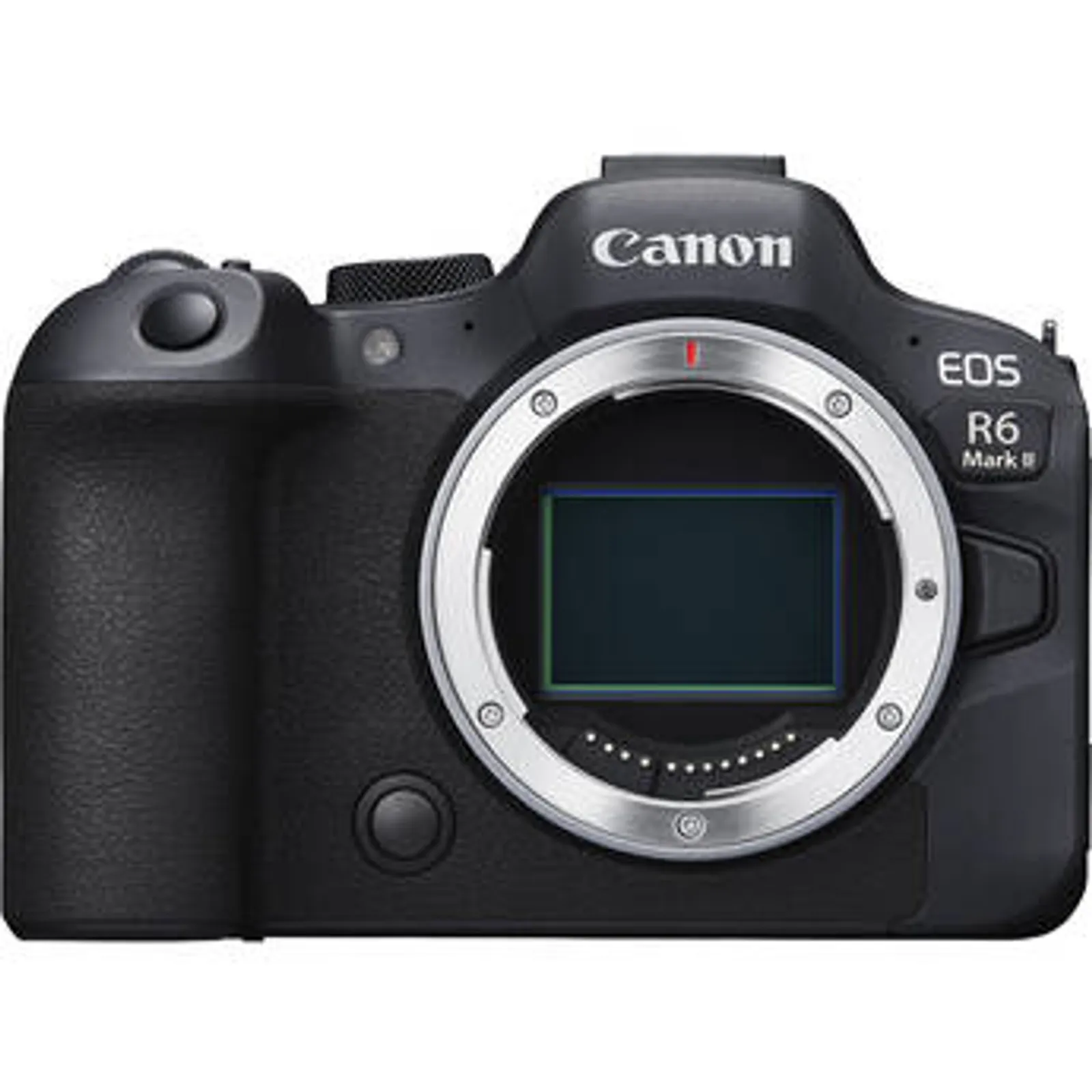
Let’s cut through the spec sheet fluff. The R6 Mark II bumps resolution from 20.1MP to 24.2MP. Four megapixels. I’ve shot both extensively, and honestly? You’ll only notice in two scenarios: heavy crops or large prints. For Instagram and web delivery? Invisible.
But then there’s the burst rate. 40fps electronic shutter on the Mark II versus 20fps on the original. Sounds impressive until you realize both cameras shoot 12fps mechanical — and that’s what most of us use to avoid rolling shutter. The canon r6 vs r6 ii used debate gets murky here because specs don’t tell the whole story.
What actually matters? The improved autofocus. Canon added vehicle detection, better eye tracking, and faster subject acquisition. I tested this at a local motorsport event last month. The Mark II locked onto motorcycles like a heat-seeking missile. The original R6? Still hunting while bikes blew past.
The overheating issue deserves its own paragraph. Remember the drama when the R6 launched? 30-minute recording limits. Overheating warnings in 70-degree weather. I lost a wedding reception speech to that limitation. Never again. The Mark II fixed it — unlimited recording (until your card fills). For hybrid shooters comparing canon r6 vs r6 ii used options, this alone might justify the premium.
Real-World Video: Where the Mark II Earns Its Keep
Here’s where things get spicy. The R6 Mark II doesn’t just remove recording limits — it fundamentally changes the video game. 6K oversampled 4K footage versus the R6’s line-skipped 4K60. Translation? The Mark II’s footage looks sharper, cleaner, with less moiré and aliasing.
I shot identical talking-head setups with both cameras last week. Same lens, same lighting, same me fumbling through a product review. The difference? Immediate. The Mark II footage looked like I’d upgraded my entire setup. Fine details in fabric. Zero weird patterns in my checkered shirt. The oversampling matters more than any spec sheet suggests.
But let’s be real about the canon r6 vs r6 ii used pricing here. At $1,315 for a used R6, you’re getting 90% of the video capability for 78% of the price. Unless you’re delivering to clients who pixel-peep, that original R6 remains a video powerhouse. Just… pack extra batteries for long shoots. And maybe a fan.
The false color and zebras in the Mark II? Nice additions. Game-changing? Not really. Most of us learned to expose without them. Though I’ll admit — having proper exposure tools built-in beats squinting at that tiny histogram.
Used Market Reality: What $1,315 vs $1,693 Actually Buys
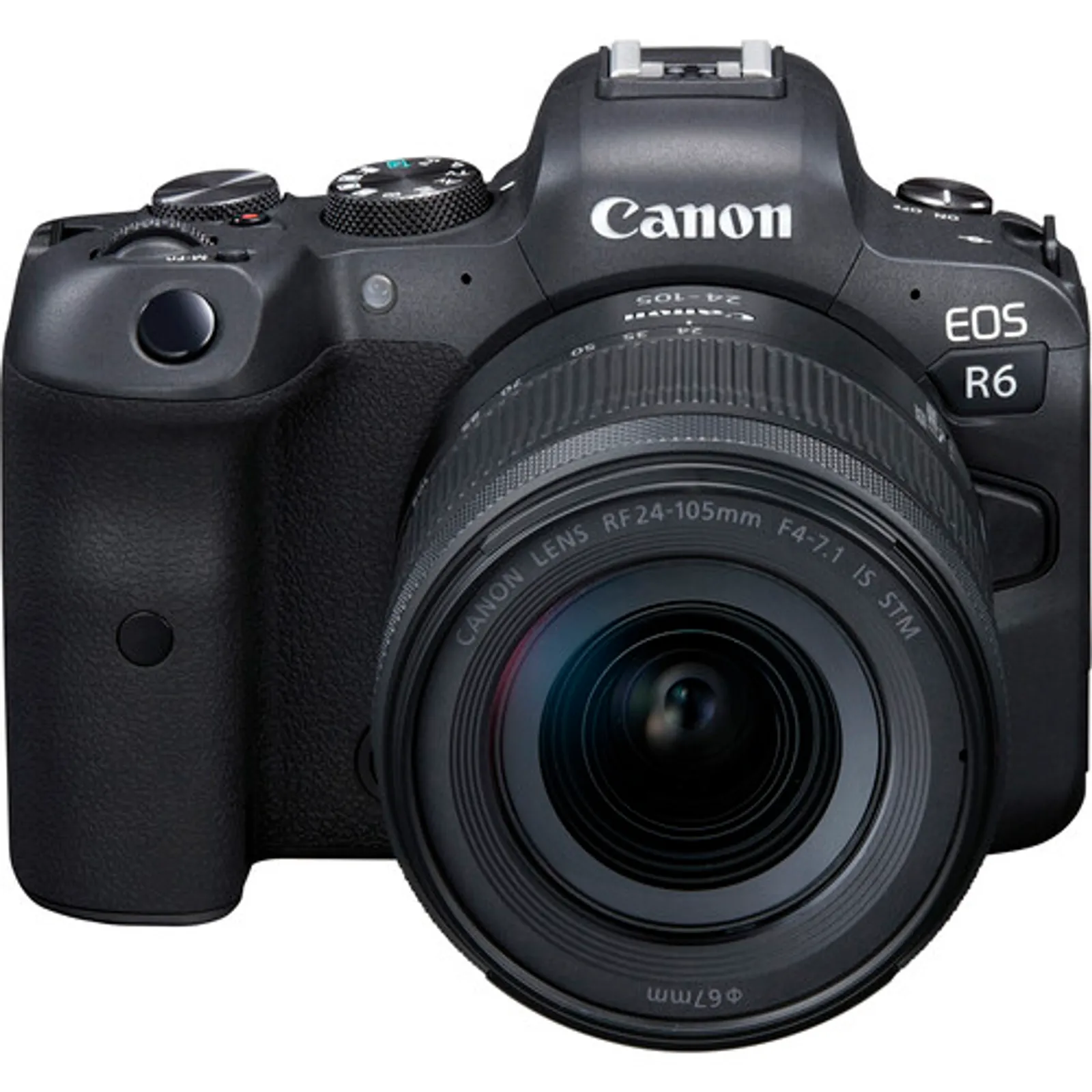
Time for uncomfortable truth. The used market for both cameras is wild right now. Original R6 bodies are everywhere — wedding photographers upgrading, content creators chasing specs, gear addicts being gear addicts. Result? Buyer’s market for the original.
I’ve been tracking canon r6 vs r6 ii used listings for three months. Pattern emerged fast. Mint condition R6 bodies with sub-10K actuations selling for $1,200-1,300. Some with original boxes, extra batteries, the works. Meanwhile, R6 Mark II bodies are scarce. When they appear, sellers know it. Prices hold firm around $1,700-1,800.
Here’s what nobody tells you: Both cameras use the same sensor foundation. Same DIGIC X processor (though the Mark II runs it harder). Same IBIS performance. Same weather sealing. Same battery life (actually worse on the Mark II due to higher processing demands). When comparing canon r6 vs r6 ii used deals, you’re paying $380 for evolutionary updates, not revolutionary changes.
The sweet spot? Original R6 bodies from photographers upgrading to R5 or R3 systems. These aren’t beat-up workhorses — they’re babied backup bodies. One seller I talked to had 3,400 actuations after two years. “Mostly sat in the bag while I shot R5,” he said. That’s the deal you want.
Who Should Buy What? The Brutal Honest Take
Alright, let’s get specific. You’re standing at the crossroads of canon r6 vs r6 ii used listings, credit card warming up. Here’s the real decision tree.
Buy the original R6 if: You shoot 80% stills. You rarely crop beyond 50%. Your video needs stop at 10-minute clips. You want maximum value. At $1,315, it’s a professional tool at prosumer pricing. I’d argue it’s the best full-frame value in Canon’s entire lineup right now.
Buy the R6 Mark II if: Video pays your bills. You need unlimited recording. You crop aggressively or print large. The improved AF for vehicles/aircraft matters to your work. You have that extra $380 and it won’t hurt. The Mark II is the better camera — just not $380 better for everyone.
Personal confession? I bought the original R6 used last month. $1,295 with 8,900 actuations. Came with two extra batteries and a Really Right Stuff plate. Could I afford the Mark II? Sure. Did I need it? After honest evaluation — no. That saved $400 went toward a used RF 70-200 f/2.8. Way more impact on my actual work.
The Hidden Costs Nobody Mentions
Real talk about the canon r6 vs r6 ii used decision — it’s not just about the body price. The Mark II’s higher resolution and faster processing eat cards for breakfast. Shooting 40fps bursts? Your 64GB cards become 20-minute affairs. 6K oversampled video? Budget for bigger, faster storage.
Then there’s the psychological tax. I know photographers who bought the Mark II and spend shoots wondering if they’re “maximizing their investment.” Meanwhile, R6 shooters just… shoot. There’s freedom in having a camera that’s “good enough” versus one you feel obligated to push.
Battery life tells another story. Canon claims similar performance, but real-world? The Mark II drinks power. All that extra processing for oversampling and 40fps comes at a cost. Budget for a third battery if you’re a run-and-gun shooter. The original R6? Two batteries last me a full wedding day.
The canon r6 vs r6 ii used debate ultimately comes down to this: Do you need the Mark II’s improvements, or do you just want them? At current used prices, the original R6 offers 90% of the capability for 78% of the cost. For most shooters, that math works out perfectly.
But if video is your bread and butter, if you’ve been burned by recording limits, if you need every megapixel for client work — that $380 premium starts looking like smart money. The Mark II isn’t a revolutionary upgrade, but it patches every hole in the original.
Me? I’m keeping my used R6. It does everything I need and saved enough for glass that actually impacts my images. Your mileage may vary. Check out the current canon r6 vs r6 ii used listings on GearFocus and run your own numbers. And if you’re upgrading from the original? List it where photographers actually look — the market’s hungry for clean R6 bodies right now.
FAQ
Is the Canon R6 Mark II worth the extra money over a used R6?
Depends entirely on your needs. The canon r6 vs r6 ii used price gap of $380-400 buys you 4MP extra resolution, unlimited recording, better video quality, and improved autofocus. For video professionals, it’s worth it. For primarily stills shooters, the original R6 at $1,315 offers better value. Consider what improvements actually impact your work versus what’s just nice to have.
What’s the biggest difference between the R6 and R6 Mark II for video?
Unlimited recording time and 6K oversampling are game-changers. The original R6’s 30-minute limit killed many video shoots, while the Mark II records until your card fills. The oversampled 4K also looks noticeably sharper with less moiré. If you’re comparing canon r6 vs r6 ii used options for professional video work, the Mark II justifies its premium. For casual video, the original R6 still delivers excellent results.
Should I buy a used R6 in 2024 or wait for R6 Mark II prices to drop?
Used R6 bodies at $1,315 represent incredible value right now. Clean examples with low shutter counts are flooding the market as early adopters upgrade. Mark II prices might drop another $100-150 over the next year, but you’ll miss months of shooting waiting. Unless you specifically need Mark II features, a used R6 purchased now will serve you well for years.
Own one like this?
Make room for new gear in minutes.
