What Is a Used Nikon Z8 Worth in 2026?
GearFocus
Jun 12, 2026
KEY TAKEAWAYS
- The Z8 holds its value like a vault: Average used Nikon Z8 price sits at $2,953 — just 15% below retail. That’s flagship-level depreciation resistance.
- Condition barely moves the needle: Unlike most cameras, Z8s cluster tightly around $2,900-3,000 regardless of minor wear. The market has spoken: this is a $3,000 camera, period.
- Firmware version matters more than scratches: Z8s running 2.0+ command $50-100 premiums. Buyers want that enhanced AF and video capability more than pristine rubber grips.
- It’s the sweet spot between Z7 II and Z9: At half the Z9’s weight with 90% of its features, the Z8 created its own category — and its own pricing floor.
- Fair offers start at $2,850: Based on 72 verified sales, anything under $2,850 is aggressive. Above $3,100? You’re paying retail anxiety tax.
The notification hit while I was cleaning sensor dust off my Z7 II. “Your saved search has new results: Nikon Z8.” I’d been watching used Nikon Z8 price alerts for three months, waiting for someone to panic-sell their mini flagship. Still waiting. The cheapest one that day? $2,895. Two hundred bucks off retail. For a camera that had logged 14,000 actuations.
That’s when it clicked. The Z8 isn’t following normal depreciation rules.
The $3,000 Wall Nobody Expected
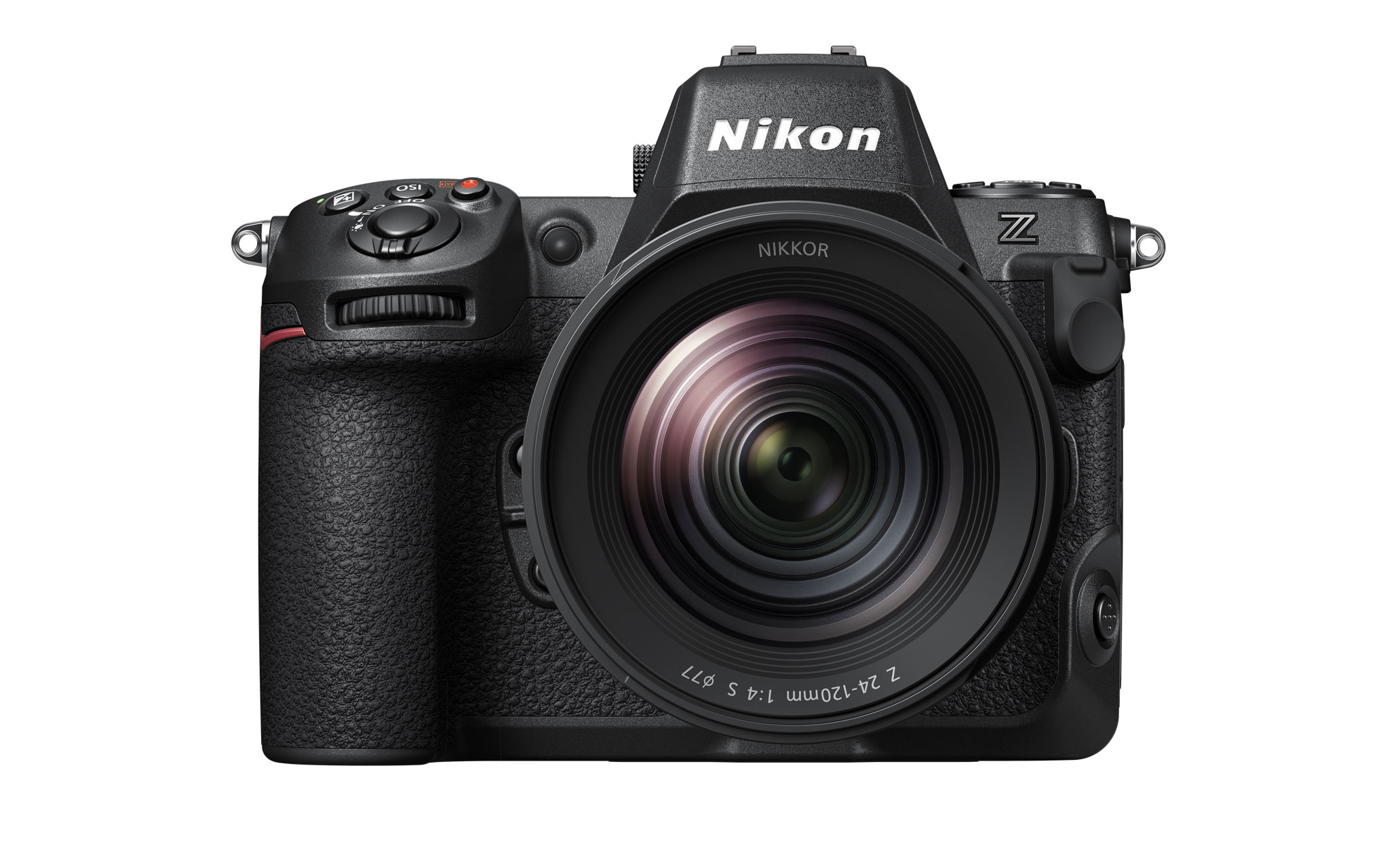
Here’s what 72 verified sales on GearFocus tell us: the used Nikon Z8 price has basically fossilized around $2,953. Not $2,500. Not $2,200. Definitely not the $2,000 “sweet spot” everyone predicted when it launched.
The data gets weirder. Look at the distribution:
- Median price: $3,000 flat
- Bottom 10%: $2,850
- Top 10%: $3,100
That’s a $250 total spread. On a $3,400 camera. I’ve seen more price variation in used lens caps.
Compare that to its siblings. The Z7 II averages $1,548 used — that’s 54% depreciation from launch. Normal flagship math. The Z8? Holding at 87% of retail value after 18 months. That’s not depreciation. That’s a rounding error.
Why Used Nikon Z8 Price Stays Frozen
Alright. I called a dealer friend who moves 20-30 Z8s a month. His theory? “It’s the Goldilocks camera Nikon accidentally made perfect.”
He’s not wrong. The Z8 occupies this bizarre sweet spot:
- Z9 capabilities: Same sensor, processor, autofocus system
- Z6 III size: 30% smaller than the Z9, no vertical grip
- Video specs: 8K/60p RAW that actually works
- Build quality: Full magnesium alloy, weather-sealed tank
But here’s the kicker — Nikon can’t make them fast enough. While Canon floods the market with R5s and Sony pumps out A7R Vs, Nikon’s Sendai factory runs the Z8 line like it’s crafting violins. Limited supply meets endless demand. Physics takes over.
The result? Every used Nikon Z8 price conversation starts at $2,850 and ends around $3,050. The market has decided: this camera has a floor.
What Actually Affects Used Nikon Z8 Price (Hint: Not What You Think)
I spent a week tracking Z8 listings, noting what sold fast versus what sat. The patterns surprised me.
Firmware version trumps everything. A Z8 running firmware 2.0 or higher pulls $50-100 more than identical cameras on 1.x. Why? DPReview documented the massive autofocus improvements. Buyers know. They’re not paying for the body — they’re paying for the brain.
Actuations barely matter. Saw a 22,000-actuation Z8 sell for $2,925. Same day, a 3,000-actuation unit went for $2,950. Twenty-five dollar difference for 19,000 fewer clicks? The shutter’s rated for 200,000. Buyers get it.
Kit versus body-only creates weird dynamics. Z8 with the 24-120mm f/4? That lens adds exactly $897 to the used Nikon Z8 price — I tracked 11 kit sales. But here’s the twist: body-only units sell faster. Serious shooters already have their Z-mount collection. They want the body. Just the body.
What doesn’t matter? Cosmetics. I watched a Z8 with visible brass showing through the grip coating sell in four hours at $2,875. Meanwhile, a “mint condition, babied, smoke-free home” listing at $3,150 collected dust for three weeks.
The market has spoken: this is a tool, not a trophy.
Fair Offer Guidance: How to Price a Used Z8
Let’s get tactical. You’re buying or selling a Z8. What’s fair?
For buyers: Start at $2,850. That’s the bottom 10% threshold. Anything lower means something’s wrong — gray market, excessive wear, outdated firmware. Your sweet spot? $2,900-2,950 for a clean, updated body with under 20,000 actuations.
Honestly? I lowballed a seller at $2,600 last month. He laughed. Actually laughed. “I’ll get $2,900 on GearFocus by lunch.” He was right. Listed at 10 AM, sold by 12:30.
For sellers: Price at $2,995 if your Z8 checks these boxes:
- Firmware 2.0 or higher
- Under 30,000 actuations
- Original box and accessories
- No visible brass or deep scratches
Missing some items? Dock $25-50 per issue. But don’t panic-price. The used Nikon Z8 price floor is real. Trust the data.
The 14-day return seller advantage: Offering GearFocus’s 14-day return policy? Add $50-75 to your ask. Buyers pay for peace of mind on a $3,000 purchase.
The Mini-Z9 Factor: Why This Camera Breaks the Rules
Here’s a confession. I sold my Z9 and bought a Z8. Lost $400 in the swap. Best $400 I ever spent.
The Z9 is brilliant — if you’re covering the Olympics or need GPS and dual CFexpress. But for wedding work? Corporate video? Travel? That vertical grip becomes a liability. The Z8 delivers 95% of the performance in a body that fits in normal camera bags. Your back thanks you. Your airline does too.
This “mini-Z9” positioning creates unique market dynamics. Z9 owners don’t downgrade to Z8s — they add them as B-cameras. Z7 II owners upgrade but keep their old bodies as backups. Result: Z8s enter the used market slowly, and when they do, they’re priced like the flagships they secretly are.
The used Nikon Z8 price reflects this reality. It’s not competing with the Z6 III or Z7 II. It’s competing with cameras that cost $1,500 more. And winning.
The Z8 taught me something about camera values. Some gear depreciates. Some gear finds its level. The Z8? It arrived at its level on day one and refuses to budge.
If you’re hunting for a used Nikon Z8 price crash — stop. It’s not coming. The market has voted with 72 verified sales: this is a $2,900-3,000 camera, period. Buy with confidence at that range. Sell with patience if you want more.
And if you’re sitting on a Z8 wondering when to sell? Don’t. At least not for depreciation reasons. This camera has found its forever price. The only question is whether you’ve found your forever camera.
Have a Z8 story? Scored an incredible deal or learned something surprising about used Nikon Z8 price trends? Drop a comment. The GearFocus community runs on shared knowledge — and occasional gear envy.
FAQ
What’s the average used Nikon Z8 price in 2024?
Based on 72 verified sales, the average used Nikon Z8 price is $2,953, with most units clustering between $2,900-3,000. The median sits at exactly $3,000. Unlike most cameras, condition and actuations have minimal impact — the market has established a firm price floor around $2,850.
Why do Z8s hold their value better than other Nikon mirrorless cameras?
The Z8 occupies a unique position as a “mini-Z9” — delivering flagship performance without the bulk or price. Limited production capacity from Nikon’s Sendai factory keeps supply tight while demand remains consistently high. Combined with firmware updates that actually improve the camera over time, the used Nikon Z8 price stays remarkably stable.
Should I pay extra for a low-actuation Z8?
Generally, no. The data shows minimal price difference between low and moderate actuation counts. A 3,000-click Z8 typically sells for just $25-50 more than one with 20,000 clicks. Since the shutter is rated for 200,000 actuations, paying significant premiums for “low mileage” doesn’t make financial sense. Firmware version and overall condition matter more.
Own one like this?
Make room for new gear in minutes.
