- Buyer protection on every order
Recreating the 9/11 Flag Photos: A Used Gear Creative Look at Photojournalism
Beth Rogers
Sep 20, 2026

KEY TAKEAWAYS
- The short answer: A meaningful personal project in the spirit of the 9/11 flag photos needs one repeating subject, one camera you can carry daily, and about a year of consistency. A used full-frame body and a single 35mm or 50mm prime will get you there for well under $1,500.
- The reference point: A photographer’s 25-years-later reflection on shooting flags across New York City, published by DPReview, is the anchor for this piece. The 9/11 flag photos weren’t a job. They were a compulsion that turned into a voice.
- Gear does not make the project: Repetition does. The camera’s only job is to be light enough that you stop noticing it.
- The kit that works: One used body, one prime, one strap, one card. Nothing else in the bag. Constraint is the whole point.
- Where to start: Pick a subject you can photograph within a ten-minute walk of your front door, and commit to a hundred frames of it before you judge whether it’s working.
Late summer in a city, the kind of afternoon where the heat comes up off the sidewalk and the light goes flat and ugly around two in the afternoon. A flag hanging off a fire escape on the third floor, sun-bleached to pink, one corner torn. Nobody looking at it. Somebody put it there five years ago and then just kept living.
That’s the register of the 9/11 flag photos a photographer described in a DPReview retrospective published this month, twenty-five years on. Not monuments. Not ceremonies. Flags taped to bodega windows, drawn in chalk, stuck in flowerpots, hung crooked. The piece is worth reading in full: 25 years after 9/11: The flag photos that gave me my voice as a photographer.
I’m not going to tell you what to buy to photograph grief. That’s not what this is. But there’s a practical question underneath that story, and it’s one photographers ask constantly: how do you find your own voice? The answer in that article is a personal project, pursued stubbornly, with whatever camera was in hand. Here’s how to build the gear side of that without spending money you don’t have.
What the 9/11 flag photos actually teach about personal work
The lesson isn’t subject matter. It’s constraint.
One thing, photographed over and over, until the photographer stops seeing the thing and starts seeing everything around it. That’s the mechanism. The 9/11 flag photos worked because the flag was a fixed variable, so every other variable, light, neighborhood, weather, the people who hung it, became the actual content.
This is the part most photographers skip. We chase variety. Different subjects, different cities, different lenses, and we end up with a portfolio that looks like a stock library. The 9/11 flag photos went the other direction entirely. Same object, thousands of times, and out of that repetition came something nobody else could have made.
I learned this the slow way. For about two years I shot “whatever looked good,” which is a polite way of saying I had no project at all. Every edit session was a fresh start. Nothing accumulated. It wasn’t until I locked myself into one subject that images started talking to each other.
The gear list: what to actually carry
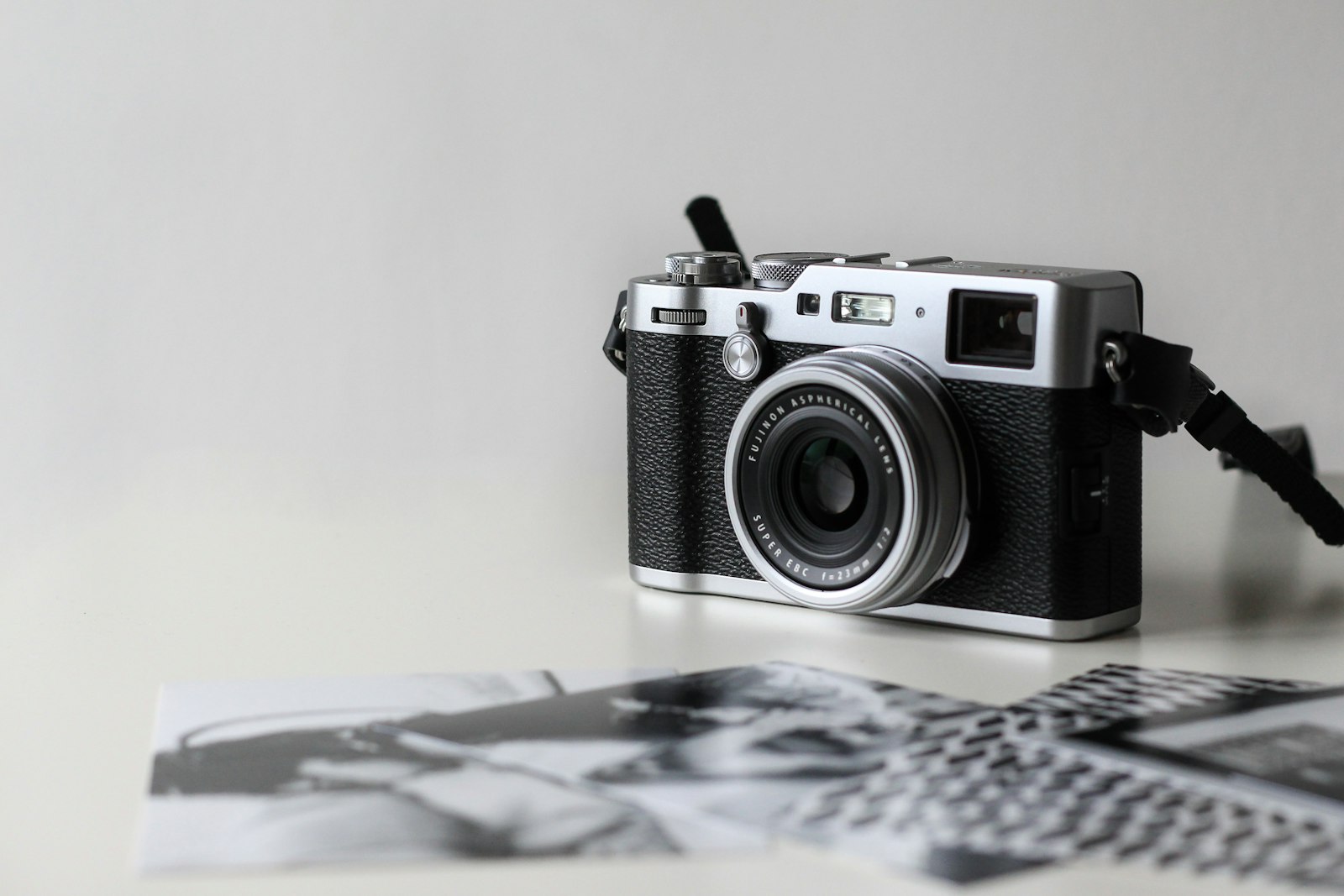
Here’s the deal with project cameras. The best one is the one that’s on you at 7:40am on a Tuesday when you’re already late. Weight beats specs. Always.
| Piece | Its role in the project | The aspirational version it replaces |
|---|---|---|
| Used full-frame mirrorless body | Light enough to carry daily, good enough to print large | A current-generation flagship body at full retail |
| One 35mm or 50mm prime | Forces your feet to make the composition, not the zoom ring | A three-lens f/2.8 zoom trinity |
| Used APS-C body as the alternate | Smaller, cheaper, disappears in a jacket pocket with a pancake lens | Medium format for “seriousness” |
| Simple strap and one spare card | Removes every excuse not to have the camera with you | A full messenger bag of accessories |
That’s the entire kit. If you’re building toward something like the 9/11 flag photos, adding a second lens is usually a step backward, because every choice you make on the street is a choice you didn’t spend on seeing.
Used full-frame bodies from the last two generations have hit the point on the secondhand market where they’re genuinely accessible. Previous-generation bodies drop noticeably once a successor lands, and the sensor inside them doesn’t age. Browse what’s available on GearFocus when you’re ready; bodies in that category come up steadily.
Why a used body beats a new one for this kind of work
Three reasons, and none of them are about money alone.
First: you’ll treat it like a tool. A brand-new body makes you careful in ways that hurt the work. You don’t set it on a wet curb. You don’t shove it in a coat pocket in the rain. The photographer behind the 9/11 flag photos was not babying their camera on those streets.
Second: the savings buy you the thing that actually matters, which is time. A body bought at used prices instead of retail can fund a year of weekend mornings where you’re not picking up paid work.
Third: resale. If the project takes you somewhere unexpected and you need different glass, a used body you bought sensibly holds its value far better than one you bought new and immediately watched depreciate.
I ignored shutter count on my first used body. Rookie mistake, and an expensive one. It gave out eight months later, and it happened on a day I couldn’t afford for it to happen. Check the count, check the actuations against the rated life, and ask for a photo of the sensor.
How do you find your own version of the 9/11 flag photos?
Start with what you can’t stop noticing.
Not what you think is important. What your eye keeps snagging on. Hand-painted signs. Dogs waiting outside shops. Chain-link fences. The thing you’ve photographed four times already without meaning to. That’s your flag.
Then set a radius. The strength of the 9/11 flag photos came partly from geography: one city, walked repeatedly, in all weather. Pick something within a ten-minute walk of your door, because proximity is what makes a project survive month three when the novelty’s gone.
Shoot a hundred frames before you allow yourself an opinion. Most personal projects die at frame twelve, when the photographer decides it isn’t working. It isn’t working at frame twelve. It’s not supposed to be.
Settings, technique, and the habits that hold a project together
Keep the camera ready. Aperture around f/5.6 in daylight, auto ISO with a floor shutter speed near 1/250, and a single autofocus point in the middle. Set it in the morning and don’t touch it.
Shoot RAW, but edit in one consistent way. Part of what unified those 9/11 flag photos across years was tonal consistency. Pick a look and stay in it, even when a frame begs for something different.
Date your folders. Sounds trivial. It isn’t. When you’re twelve months in and trying to sequence a hundred images, chronology is the only honest structure you have, and it’s how you see your own eye changing.
And back up twice. Nothing in this article matters if the drive dies.
Building the kit on a real budget
If you’re starting from nothing, go in this order. Body first, and buy older than you think you need. A previous-generation full-frame body is not a compromise; it’s the same sensor technology that shot magazine covers three years ago.
Lens second, and buy a prime. A 35mm equivalent for context-heavy work, a 50mm equivalent if you want to isolate. Both are the least expensive glass any manufacturer makes, because they’re the simplest optical designs.
Nothing third. Seriously. No filters, no cage, no second body. If you find yourself shopping instead of shooting, that’s the project asking for attention.
When you’re ready to look, used bodies and primes come up regularly on GearFocus, and sellers there keep 91.5% of the sale price, which tends to mean better pricing reaching buyers. Standard buyer protection gives you a 48-hour window after delivery to confirm the item is as described, and if it isn’t, the return costs you nothing.
Already have gear gathering dust that could fund this? Listing it takes a few minutes, and buyers are actively searching for exactly the kind of older body you’re no longer using.
BOTTOM LINE
- One used full-frame or APS-C body: Previous generation, checked shutter count, light enough to carry every day.
- One prime lens, 35mm or 50mm equivalent: The cheapest glass a manufacturer makes and the best teacher.
- One strap, one spare card, nothing else: The bag stays empty on purpose.
- A subject within ten minutes of your door: Proximity is what keeps a project alive past month three.
- A hundred frames before you judge it: The 9/11 flag photos took years to become what they became.
- Total realistic outlay: A used body and a single prime, both bought sensibly on the secondhand market, well under $1,500 for most systems.
The thing that stays with me about that DPReview piece isn’t the images. It’s the admission that the photographer didn’t know it was a project while they were making it. They just kept going back. Voice isn’t something you decide on. It’s what’s left over after you’ve photographed the same thing enough times that you run out of clever ideas and have to be honest instead. You don’t need a better camera to start. You need a subject and a reason to leave the house tomorrow. The gear behind work like the 9/11 flag photos was never the point, and the gear behind yours won’t be either.
FAQ
What camera should I use for a long-term personal photo project?
A used previous-generation body with a single prime lens. Weight and reliability matter more than resolution, because the camera only helps if you carry it daily. Budget roughly $800 to $1,500 for body and lens combined.
Do I need full frame for documentary-style street work?
No. APS-C bodies are smaller, cheaper, and less conspicuous on the street. Full frame gives you cleaner high-ISO files and shallower depth of field, but neither is required for strong documentary work.
How long should a personal project run before I edit it?
Give it at least a hundred frames and ideally several months across different seasons. Early edits kill projects. Consistency over time is what turns repetition into meaning, as the 9/11 flag photos demonstrate.
What should I check when buying a used body for daily carry?
Shutter count against the rated actuation life, sensor condition in a well-lit photo, port and card-door function, and any dents near the lens mount. Ask the seller directly for all four.
Own one like this?
Make room for new gear in minutes.
