- Buyer protection on every order
Adobe Buys Topaz Labs: What It Means for Used Camera Gear Prices
Bill Pryor
Oct 4, 2026
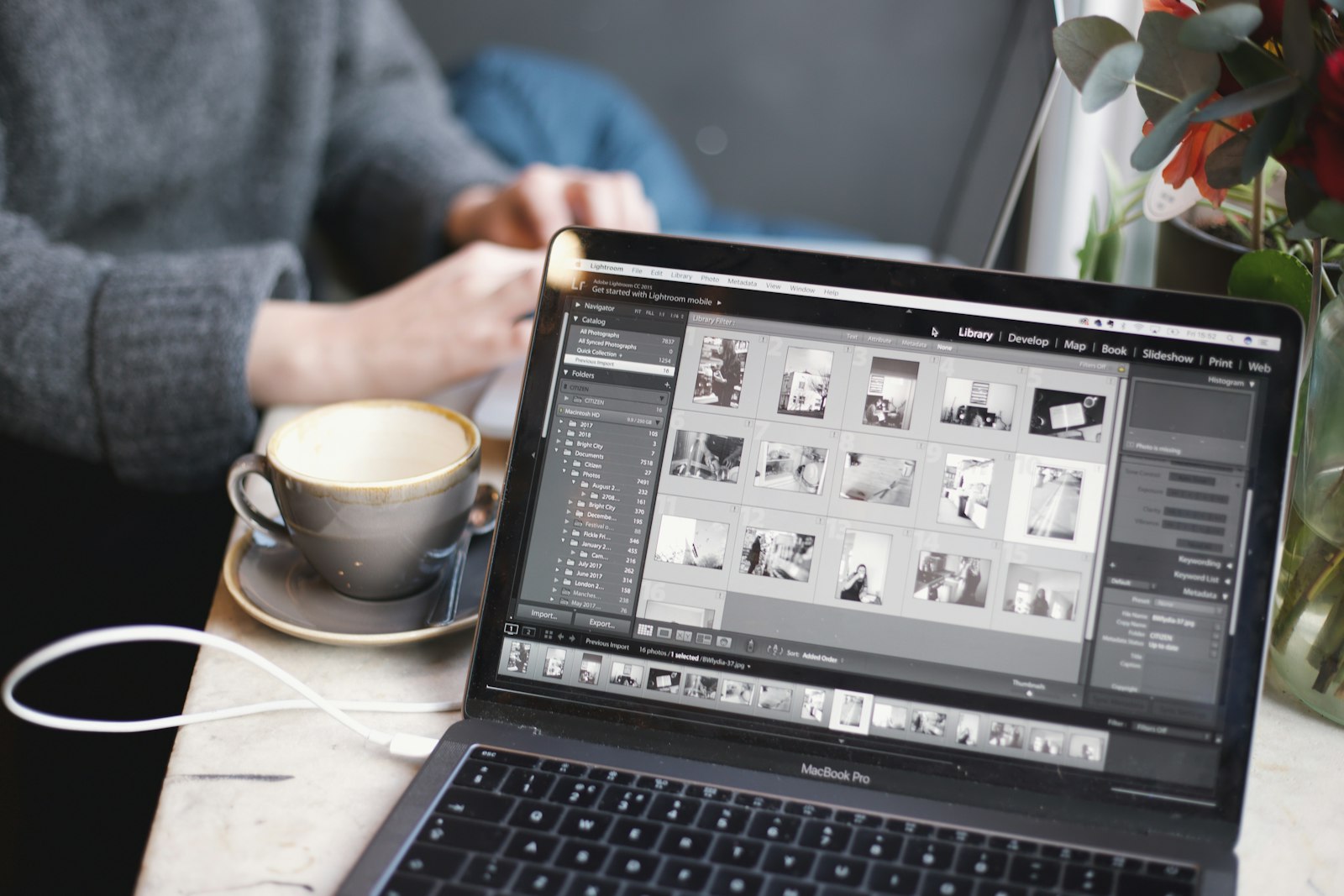
KEY TAKEAWAYS
- The short answer: The Adobe Topaz Labs acquisition closed in late September 2026, and Topaz AI tools stay available outside Creative Cloud for now. For used-gear buyers, better denoise and upscale software lowers the pressure to chase high-ISO flagship bodies and makes older glass look smarter than it did a year ago.
- Noise is no longer a body problem alone: software now solves a chunk of what sensors used to.
- Older lenses age better than older sensors: character holds value, megapixels depreciate.
- Don’t sell your flagship yet: autofocus, buffer, and weather sealing are still hardware problems.
- Watch mid-tier bodies: that’s where the used market usually moves first after a software shift.
Adobe finalized its purchase of Topaz Labs in September 2026, and the photography forums have barely stopped arguing since. Not about the software. About the gear. Because once denoise and upscale get genuinely good, the question underneath every used-camera search changes shape.
Here’s the deal: photographers have spent fifteen years buying bodies to solve problems that were partly software problems all along. Low light. Resolution. Crop headroom. The Adobe Topaz Labs acquisition puts those tools under the roof of the company that already owns your editing workflow, and that reshuffles the math on what you actually need to buy.
I’ll say upfront that I got this wrong once already. I upgraded a body specifically for clean ISO 12800, shot maybe four jobs where it mattered, and then watched a software update make my old body’s files look nearly as good. Expensive lesson.
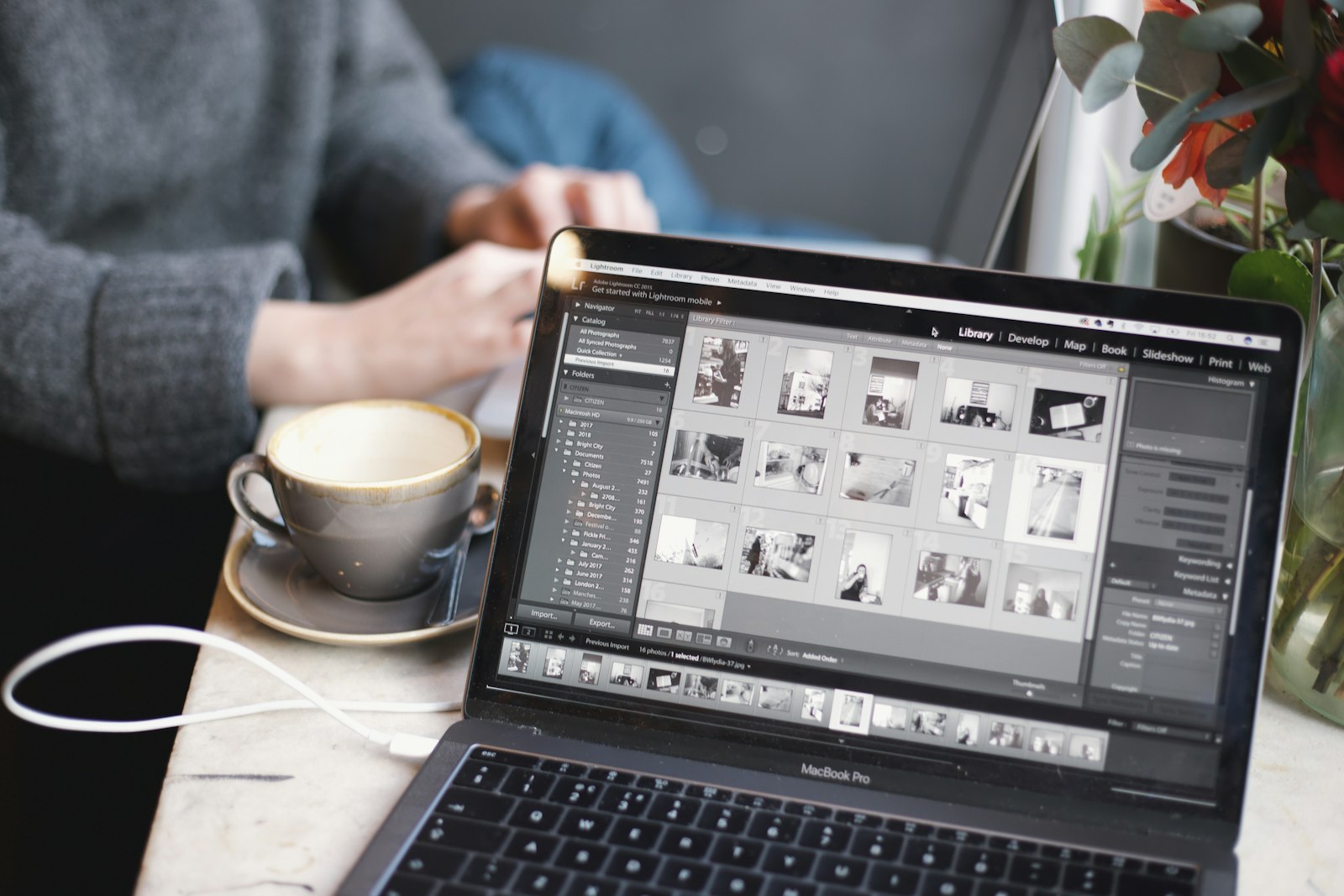
What Actually Happened in the Adobe Topaz Labs Acquisition?
Adobe completed the deal, and per DPReview’s reporting from September 23, 2026, Topaz’s AI tools remain purchasable and usable outside of Creative Cloud for the time being. No immediate forced migration. No instant subscription wall.
That “for now” is doing a lot of work, and photographers noticed. Software acquisitions tend to follow a familiar arc. But the near-term reality is that the Adobe Topaz Labs acquisition doesn’t break anybody’s current workflow this month.
What it does signal is direction. Adobe is betting that computational repair of image files is core infrastructure, not a niche plugin. When the largest editing company in the industry makes that bet, hardware buying habits shift behind it.
It’s worth putting the Adobe Topaz Labs acquisition next to the other consolidation stories of the past couple of years. Nikon’s acquisition of RED moved cinema capability into a stills company. Sony’s move on Tamron moved optics under a sensor maker. This one moves repair under the editor.
Does the Adobe Topaz Labs Acquisition Mean You Can Skip the High-ISO Body?
Partly. Not entirely. And the distinction matters more than the headline does.
Modern AI denoise genuinely recovers usable files from sensors that were considered marginal a few years ago. A 2018-era full-frame body shot at ISO 6400 cleans up to something a client accepts. That’s real, and the Adobe Topaz Labs acquisition makes it likely those tools get better and more tightly integrated, not worse.
But denoise works on what the sensor captured. It cannot invent autofocus accuracy in the dark. It cannot recover a missed frame. If your work is low-light action, the body still matters because the body is what nails focus on a moving subject at f/1.4 in a church.
Where the Adobe Topaz Labs acquisition genuinely changes the calculus is static and semi-static work. Portraits. Real estate. Product. Landscape at blue hour. In those lanes, a clean-enough sensor plus strong software gets you where a flagship got you three years ago.
So the honest answer for a used buyer in October 2026: the Adobe Topaz Labs acquisition softens the case for spending flagship money on noise performance alone, and leaves the case for spending it on autofocus, burst rate, and build completely intact.
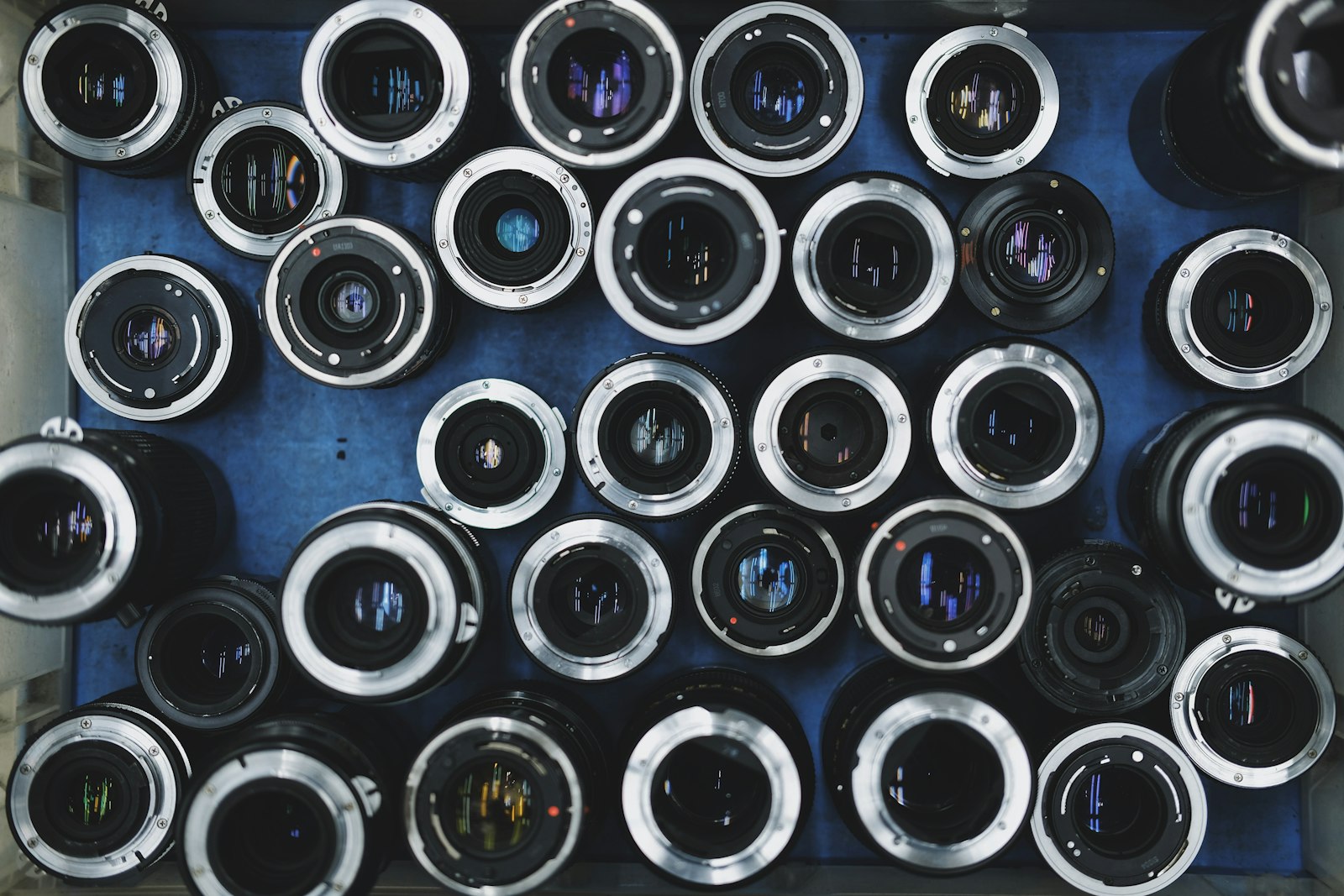
Why This Makes Older Glass Look Smarter
Here’s where it gets interesting for anyone browsing used listings.
Lenses don’t get noisy. They get soft at the edges, they flare, they have character, and they hold a resale floor that sensors never will. A sensor from 2016 is a sensor from 2016. A lens from 2016 is just a lens.
If software increasingly handles noise and resolution, the thing you’re actually paying for in a lens is rendering, aperture, and build. Those don’t depreciate on a software schedule. That’s a durable argument for shifting budget from body to glass, and the Adobe Topaz Labs acquisition strengthens it.
There’s a second-order effect worth watching. Upscale tools mean a sharp 24MP file can be pushed for large print. That takes some of the pressure off high-resolution bodies and puts it back on whether your lens actually resolves detail worth upscaling. Garbage in still means garbage out, just at a larger size.
I learned this the annoying way. I spent a stretch convinced my files were soft because of my body, bought a higher-res one, and discovered the problem was a zoom I’d been babying past its honest service life. The lens was the bottleneck the whole time.
How the Adobe Topaz Labs Acquisition Could Move Used Prices
Nobody should predict specific numbers off a software deal, and I’m not going to. But the pressure directions are reasonable to map.
Mid-tier bodies from roughly 2018 to 2021 are the most likely to see renewed demand. These are the cameras whose main deficit versus current models was high-ISO cleanliness and resolution, both of which software now partly addresses. The Adobe Topaz Labs acquisition makes those bodies look like better value than their spec sheets suggest.
Fast primes and well-regarded zooms are the other likely beneficiaries. If budget moves from body to glass, that’s where it lands. Used lens listings generally move steadily on GearFocus anyway, and anything that nudges buyers toward optics tends to tighten supply on the popular focal lengths first.
What probably doesn’t move much: current-generation flagships. Their value is in the things software can’t touch. Nobody’s selling a top-tier sports body because denoise improved.
If you want a sense of what buyers were already prioritizing before this news, the most-bought used cameras of 2025 skewed heavily toward exactly those capable mid-tier bodies. The Adobe Topaz Labs acquisition arguably just gave that trend a tailwind.
What to Actually Do With This Information
If you were about to buy a body purely for low-light cleanliness, pause and test your existing files through current denoise tools first. You might already own the solution. That’s the most practical takeaway from the Adobe Topaz Labs acquisition for most working shooters.
If you’ve been eyeing a lens upgrade and talking yourself out of it, the logic has gotten easier. Glass holds value, software can’t fix optical character, and the Adobe Topaz Labs acquisition reinforces both points.
If you’re sitting on a body you upgraded past, it’s probably worth more to a buyer right now than it was six months ago, for exactly the reasons above. Listings for capable older bodies get real attention, and sellers keep 91.5% of the sale price on GearFocus, which makes the math on a quiet shelf camera more appealing than it looks. Have one to sell? Buyers are actively searching.
And if you’re buying used this autumn, remember the standard protection: a 48-hour verification window after delivery, with returns at no charge if the item isn’t as described. Nice backstop when you’re taking a chance on an older body you only half-trust.
One more timing note. Gift season tightens used supply every November and December, and that pattern doesn’t care about software news. If the Adobe Topaz Labs acquisition has you reconsidering an older body or a used prime, October is a calmer month to shop than December will be. Worth a look at what’s currently listed before the seasonal crunch.
Where This Leaves the Used Market
Software consolidation doesn’t make cameras obsolete. It changes which camera specs you should be willing to pay a premium for. The Adobe Topaz Labs acquisition is a reminder that the file you deliver is a product of sensor, glass, and processing together, and the processing half just got a lot more corporate backing.
My take: buy the lens, keep the body one generation longer, and let the software do the work it’s now genuinely good at. The Adobe Topaz Labs acquisition makes that a more defensible plan in October 2026 than it was in January. Used bodies and glass come up on GearFocus constantly, so it’s an easy strategy to act on without overspending.
FAQ
Does the Adobe Topaz Labs acquisition mean Topaz tools move into Creative Cloud?
Not yet. DPReview reported in September 2026 that Topaz AI tools remain available outside Creative Cloud following the deal’s completion. Adobe has not announced a forced migration, though the long-term direction remains unclear.
Should I sell my high-ISO camera body now?
Probably not, if you shoot action or events. Denoise software can’t replace autofocus accuracy, burst rate, or buffer depth. Those remain hardware strengths that no acquisition or software update addresses.
Is it better to buy a used lens or a used body right now?
Glass, generally. Lenses hold resale value better than sensors and software can’t replicate optical rendering. A strong used prime paired with an older body often outperforms a newer body with mediocre glass.
Will the Adobe Topaz Labs acquisition lower used camera prices?
No specific prediction is reasonable from a software deal alone. The likelier effect is renewed demand for capable 2018 to 2021 mid-tier bodies, whose main shortfall was noise performance that software now partly solves.
Own one like this?
Make room for new gear in minutes.
