Best Used Cinema Cameras Under $3000 in 2026: 5 Proven Picks
GearFocus
Apr 14, 2026

KEY TAKEAWAYS
- Budget reality check: The best used cinema cameras under $3000 deliver 90% of what $5,000+ cameras offer — with actual cinema features like LOG, timecode, and proper cooling.
- Sony FX30 leads the pack: At $1,506 average used, it’s the most practical step up from photo cameras — S-Cinetone profiles, 4K120, and actual XLR inputs via the handle unit.
- BMPCC 4K is the value king: $799 for BRAW recording and DaVinci Resolve Studio? That’s not a camera. That’s a production suite wearing a lens mount.
- Canon R5 C splits the difference: $2,587 gets you 8K60 RAW internal plus full photo capabilities — the only true hybrid in this price bracket.
- Used market advantage: These cameras retail for $2,000-4,000+ new. Used prices show 25-50% savings with minimal risk through GearFocus’s 48-hour return window.
The monitor flickered to life at 4:47 AM. Coffee number three. Another corporate talking-head video that would pay the bills but never see my reel. My trusty photo camera sat there, recording in 8-bit, overheating after twelve minutes, making me look like an amateur who couldn’t afford proper cinema tools. Sound familiar? That morning changed everything — I finally admitted I needed real cinema features. But dropping $5,000 on a new camera? Not happening. That’s when I discovered the best used cinema cameras under 3000 could deliver everything I actually needed.
Here’s what nobody tells you about stepping up to cinema cameras: you don’t need the latest $6,000 body. You need LOG recording, proper cooling, XLR inputs, and 10-bit color. Features that separate “I shoot video sometimes” from “I’m a filmmaker.” And right now, the used market is absolutely loaded with these tools at prices that won’t require selling a kidney.
Sony FX30: The Practical Choice That Actually Delivers
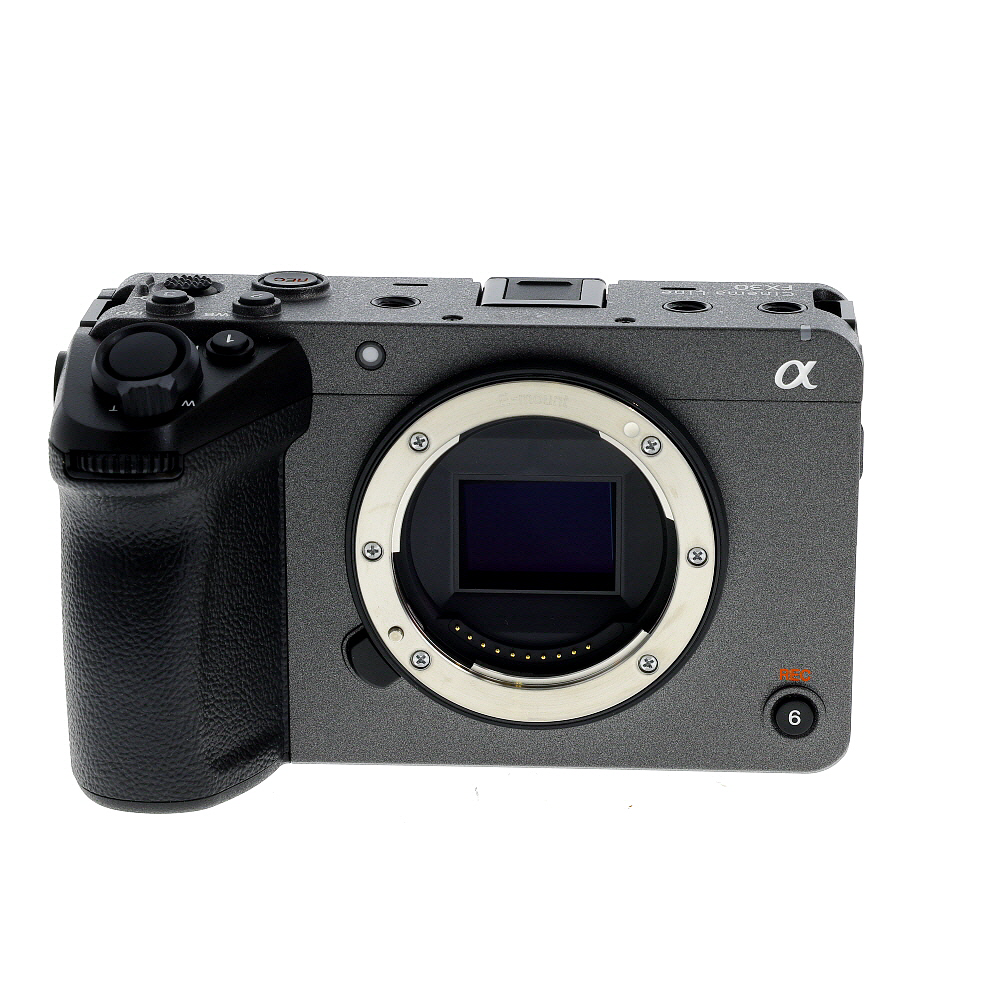
Let’s start with brutal honesty. The Sony FX30 isn’t full-frame. There. I said it. But after using one for three months of commercial work, I can tell you something more important: it doesn’t matter. At an average used price of $1,506 (based on 25 verified GearFocus sales), this APS-C cinema camera embarrasses gear costing twice as much.
S-Cinetone straight out of camera looks better than most people’s graded footage. 4K at 120fps without a crop. Actual cooling that lets you record for hours without overheating warnings. And when you add the XLR handle unit? Professional audio without a mess of adapters and recorders. One filmmaker I know switched from an A7S III specifically because the FX30’s cinema features saved him 30 minutes per shoot in setup time alone.
The dirty secret? Sony’s color science and autofocus work identically across their cinema line. You’re getting FX6 features in a body that costs 70% less. For indie filmmakers upgrading from photo cameras, this might be the only cinema camera you ever need to buy.
Blackmagic Pocket Cinema Camera 4K: The Value King of Cinema Features
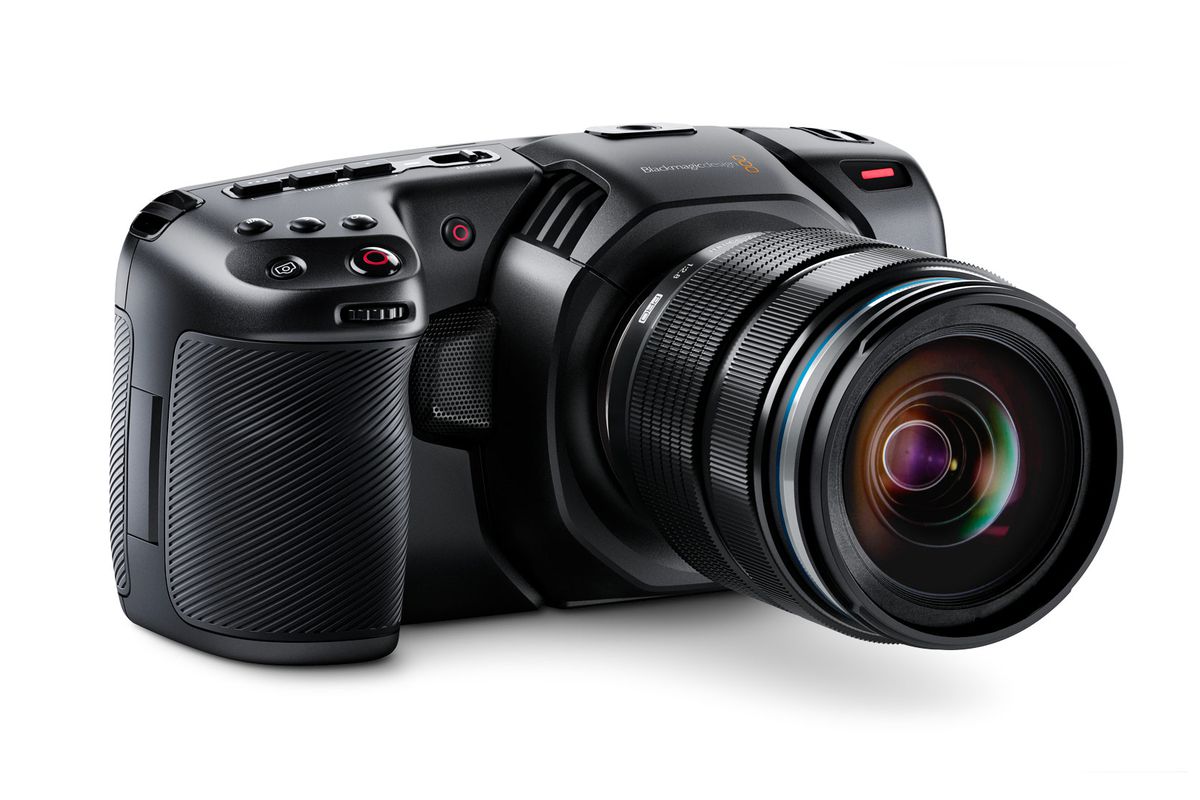
Alright, let’s address the elephant in the room. The Blackmagic Pocket Cinema Camera 4K came out in 2018. Ancient by camera standards. So why is it still one of the most-searched cameras on GearFocus with 111 people looking for it last month? Because at $799 average used (20 sales), it delivers something no other camera at this price can touch: BRAW recording and a free copy of DaVinci Resolve Studio.
I picked one up as a B-cam last year. Honestly? It became my A-cam for anything that didn’t need autofocus. The image quality still holds up — 4K DCI, 13 stops of dynamic range, and that Blackmagic color science that just works. Sure, the battery life sucks. Yes, you need fast cards. But when you’re getting cinema-quality RAW recording for less than a decent lens costs, those feel like acceptable trade-offs.
Here’s what sealed the deal: DaVinci Resolve Studio costs $295 alone. The camera essentially pays for itself if you’re not already in the Resolve ecosystem. For narrative work, music videos, or any project where you control the environment, the BMPCC 4K remains one of the best used cinema cameras under $3000 — even if it’s technically under $1000.
Canon EOS R5 C: The Hybrid That Actually Works

Every “hybrid” camera makes compromises. Usually big ones. The Canon EOS R5 C at $2,587 average used (25 sales) makes exactly one: it’s chunky. In exchange? You get a genuine cinema camera that happens to shoot stills like the regular R5. Not the other way around.
8K60 RAW internal. Let that sink in. Most cinema cameras need external recorders for that spec. The R5 C does it internally, with proper cooling, Cinema RAW Light codec, and timecode support. Switch to photo mode and you’ve got the R5’s incredible 45MP stills. It’s the only camera on this list where “hybrid” doesn’t mean “compromised.”
A documentary shooter I know uses two of these. One for interviews (cinema mode, locked down) and one for B-roll (photo mode, IBIS active). Same color science, same lenses, seamless workflow. At nearly $1,400 below retail, it’s expensive for this list but cheap for what it delivers. If you genuinely need both stills and cinema features, this is your answer.
Sony FX3: The Full-Frame Cinema Standard
Sometimes you need full frame. Client demands it, the project requires it, or you just want those creamy backgrounds. The Sony FX3 technically stretches our budget at $3,399 average (26 sales), but it’s the most-searched cinema camera on GearFocus for good reason. 79 people looked for one last month. They know something.
This is basically an A7S III in a cinema body — and I mean that as the highest compliment. Full-frame 4K120, S-Cinetone, incredible low light, and Sony’s class-leading autofocus. But unlike the A7S III, you get proper cooling, tally lights, zoom rocker compatibility, and a body designed for rigging. No more overheating. No more micro HDMI. Just a tool built for working filmmakers.
Here’s the thing: if you can find one closer to $3,000, grab it. The used market fluctuates, and patient buyers on GearFocus often score deals. Even at the higher average, you’re saving $600+ off retail for a camera that’s become the indie film standard. Sometimes the best used cinema cameras under 3000 require stretching just a bit for the right tool.
Blackmagic Pocket Cinema Camera 6K: The Super 35 Sweet Spot
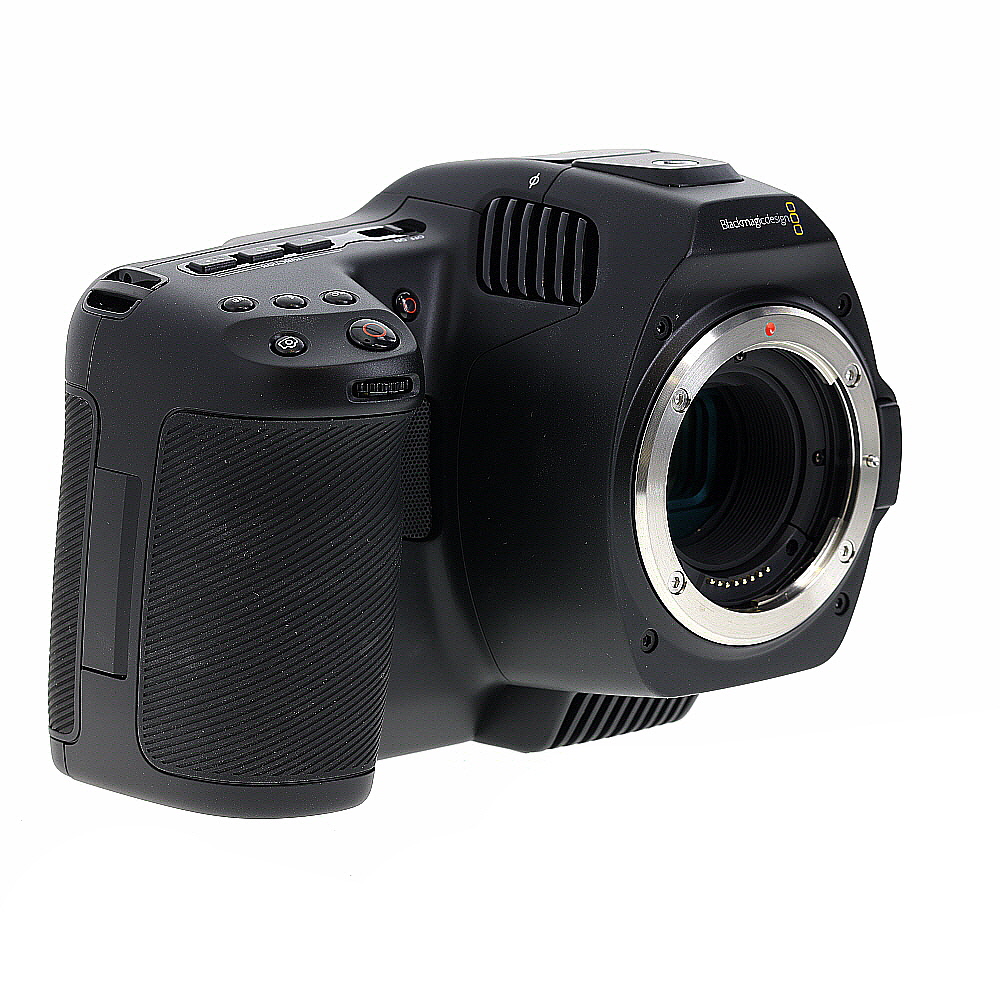
The Blackmagic Pocket 6K lives in a weird space. More expensive than the 4K (around $1,200-1,800 used) but cheaper than full-frame options. So why consider it? Two words: EF mount. If you’re coming from Canon DSLRs with a lens collection, this camera turns that glass into cinema gold.
6K resolution gives you reframing options the 4K can’t match. The Super 35 sensor hits that cinema sweet spot — not as extreme as MFT, not as shallow as full frame. And BRAW at 6K? Your storage will hate you but your colorist will send thank you cards. Same battery issues as the 4K, same incredible image quality, but with more resolution and better lens compatibility.
A wedding filmmaker told me switching from 5D Mark IVs to BMPCC 6Ks cut his color grading time in half. BRAW is that good. For Canon lens owners looking at the best used cinema cameras under 3000, this makes more sense than selling your glass and starting over.
Making the Jump: What Really Matters
After testing all of these cameras, here’s what actually matters when choosing the best used cinema cameras under 3000 for your work. First, workflow compatibility. BRAW needs Resolve. Canon RAW needs specific software. S-Cinetone might save you grading time. Pick the ecosystem that matches how you already work — or be prepared to change everything.
Second, consider your current lenses. The FX30 and FX3 use E-mount. Canon uses RF (expensive glass). Blackmagic 4K uses MFT (cheap and plentiful). The 6K uses EF (you probably own some). Adapter life gets old fast — native mount compatibility matters more than specs.
Finally, be honest about features versus needs. 8K sounds amazing until you’re buying 4TB cards and upgrading your computer. 4K120 is incredible unless you never shoot slow motion. XLR inputs are essential… if you’re not using wireless mics anyway. Buy for the work you actually do, not the work you imagine.
The Used Advantage: Why These Prices Won’t Last
Here’s something the manufacturers don’t want you to know: cinema cameras hold value differently than photo cameras. They’re tools, not toys. Firmware updates actually add features. A three-year-old cinema camera often performs identically to a new one. That’s why the best used cinema cameras under 3000 deliver such insane value right now.
But this window won’t stay open. As more creators realize photo cameras with “video features” can’t compete with proper cinema tools, demand increases. I’ve watched BMPCC 4K prices climb $200 in six months. FX30s under $1,400 are getting rare. The sweet spot for buying is now, while photo-first shooters are still flooding the market with barely-used cinema cameras they bought and never fully utilized.
GearFocus shows this trend clearly. Browse the cinema camera listings and you’ll see mint condition gear from sellers who bought the hype but not the workflow. Their loss is your entry point into professional filmmaking tools.
Look, making the jump to cinema cameras feels huge. I remember staring at spec sheets, paralyzed by choice, convinced I needed to spend $5,000 to be taken seriously. Then I bought a used BMPCC 4K for $750 and booked three times as many gigs the next month. Not because of the camera — because I finally had the tools to deliver what clients expected. The best used cinema cameras under 3000 aren’t about joining some exclusive club. They’re about removing the technical barriers between your vision and the screen. Pick one that fits your workflow, grab it used while prices are this good, and start creating work that matches what’s in your head.
Ready to make the jump? List your photo gear on GearFocus (sellers keep 91.5%) and put that money toward cinema tools that actually deliver. Your future self will thank you.
FAQ
What makes a camera a “cinema camera” versus a regular mirrorless that shoots video?
True cinema cameras include features like LOG recording, 10-bit (or higher) color depth, proper cooling for unlimited recording, professional audio inputs (XLR), and timecode support. They’re built for production work — longer takes, color grading flexibility, and integration with professional workflows. The best used cinema cameras under 3000 include most of these features, while photo cameras with video modes typically compromise on several.
Should I go with Blackmagic for the free DaVinci Resolve Studio or stick with cameras that work with Adobe Premiere?
This depends entirely on your current workflow. If you’re already deep in Premiere and have presets, plugins, and muscle memory built up, the Sony or Canon options make more sense. But if you’re workflow-agnostic or looking to switch anyway, the BMPCC 4K or 6K essentially gives you a $295 software package free. DaVinci Resolve has become industry standard for color grading, so learning it isn’t wasted time. Many pros use Premiere for editing and Resolve for color regardless of camera choice.
Is full frame really necessary for cinema work, or are APS-C/Super 35 cameras just as good?
Honestly? Super 35 (APS-C) has been the cinema standard for decades. Full frame is relatively new to filmmaking and creates an extremely shallow depth of field that can actually make focus pulling harder. The FX30’s APS-C sensor and BMPCC 6K’s Super 35 sensor deliver the classic cinema look. Full frame like the FX3 gives you better low light and more background separation, but it’s preference, not requirement. Choose based on the look you want and lenses you own, not sensor size bragging rights.
Own one like this?
Make room for new gear in minutes.
