- Buyer protection on every order
Best Used Lenses for Wildlife Photography in 2026
GearFocus
Jun 1, 2026
KEY TAKEAWAYS
- The Nikon 200-500mm f/5.6E ED VR dominates wildlife value: 110 verified sales averaging $874 — half the price of new, with reach that rivals $10K+ exotics
- Crop sensor multiplication is your secret weapon: A used D500 ($800-1,200) turns any 600mm into a 900mm equivalent without teleconverters
- Third-party glass has closed the quality gap: Sigma and Tamron’s 150-600mm options deliver 90% of first-party performance at 60% of the cost
- Budget $1,500-2,000 for a complete wildlife setup: Used body + reach lens that would cost $5,000+ new — enough saved to fund that Costa Rica trip
- The best used wildlife lenses hold value remarkably well: Quality telephoto glass depreciates slower than bodies, making used purchases even smarter
The kingfisher sat forty feet away, backlit by dawn. Too far for my 300mm. I watched it through the viewfinder — a thumbnail-sized blur of orange and blue — then watched it fly away. Again. That was the morning I finally admitted my gear wasn’t cutting it.
Six months later, I’m pulling tack-sharp heron portraits at distances that used to mock me. The difference? A used Nikon 200-500mm that showed up in a beat-up box for $850. The best used wildlife lenses don’t just save you money — they save you from watching opportunities escape.
Here’s what the wildlife photography forums won’t tell you: you don’t need a $12,000 lens to capture portfolio-worthy shots. You need the right used glass, paired intelligently, bought from sellers who actually shoot.
The Budget Champion: Nikon 200-500mm f/5.6E ED VR
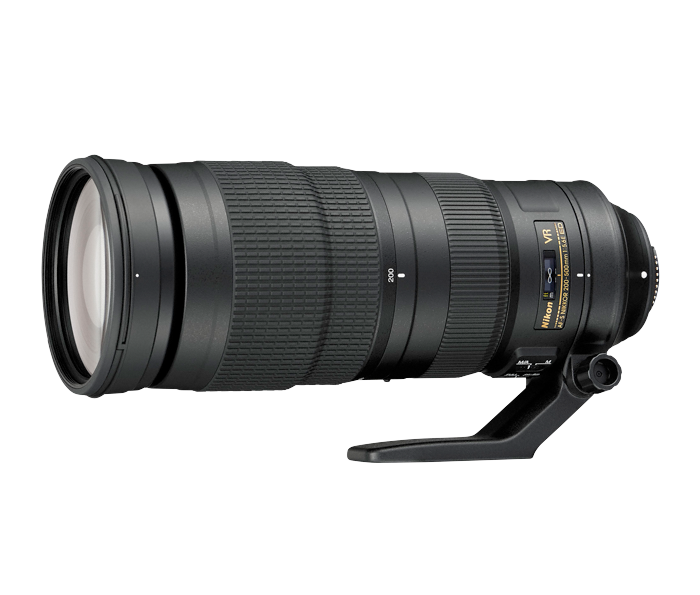
Let’s start with the numbers that matter. The Nikon 200-500mm f/5.6E ED VR has seen 110 verified sales on GearFocus, averaging $874. The range? $708 to $1,153. That’s less than half the $1,397 retail price for glass that punches way above its weight class.
I picked mine up from a bird photographer in Oregon. Twenty-three thousand actuations on the counter — barely broken in by wildlife standards. The VR is rock-solid at 1/250s. The autofocus keeps up with everything except maybe swallows in full dive. For under a grand? That’s not just one of the best used wildlife lenses — it’s arguably the smartest purchase in telephoto photography.
Mount this on a used Nikon D500 — the crop factor gives you 750mm equivalent reach. Suddenly you’re playing in exotic lens territory without the exotic price. The D500’s buffer and AF system were built for this exact pairing. Together, they’re a wildlife machine that fits in a regular backpack.
Canon’s Versatile Workhorse: EF 100-400mm f/4.5-5.6L IS II
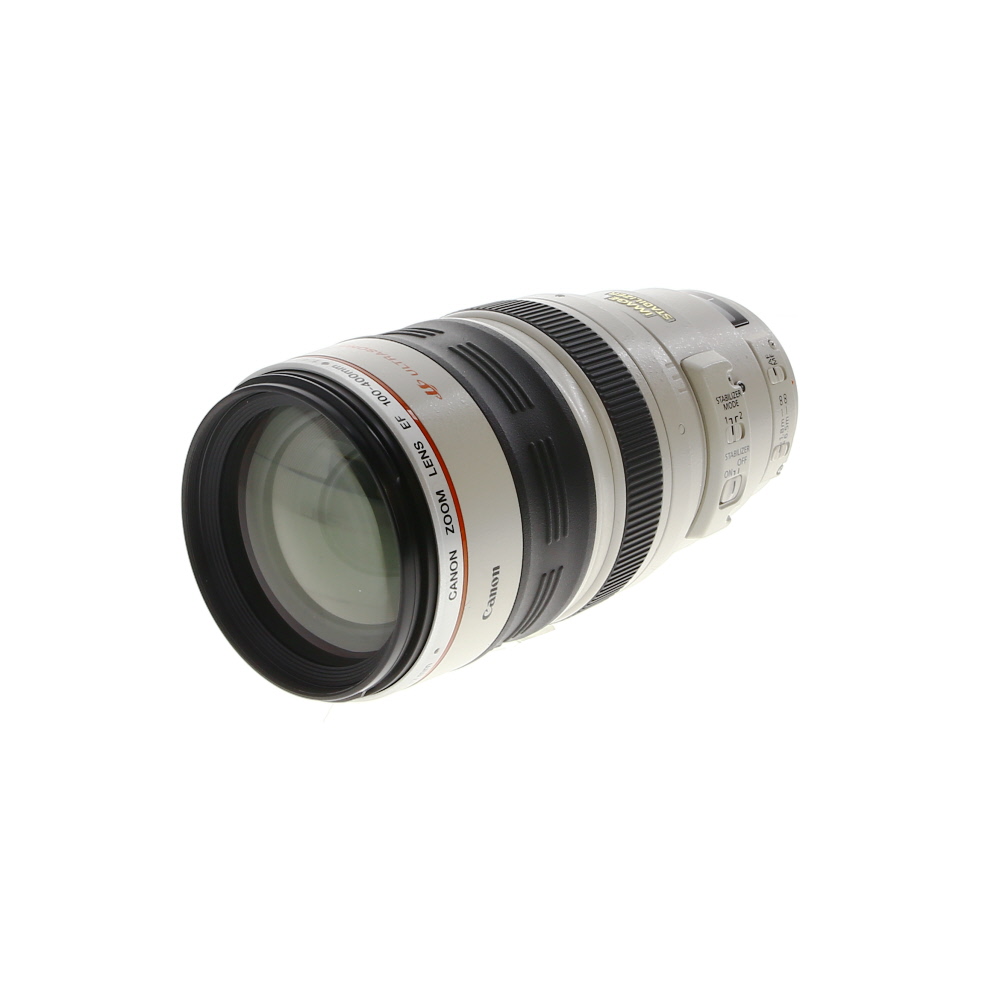
The Canon EF 100-400mm f/4.5-5.6L IS II tells a different story. Where the Nikon is a dedicated reach monster, Canon built a shape-shifter. At 100mm, it’s a portrait lens. At 400mm, it’s pulling in distant wildlife. The Mark II version transformed this lens from good to genuinely great.
The best used wildlife lenses offer more than just focal length — they offer flexibility. This Canon delivers. The close focus distance means you can shoot butterflies and wildflowers between waiting for that eagle to leave its perch. The IS system? Four stops of real-world stabilization. I’ve handheld sharp shots at 1/50s that shouldn’t exist.
Used prices vary more here — condition matters with L glass. But patient buyers consistently find clean copies in the $1,200-1,500 range. Pair it with a 7D Mark II or 90D for that crop factor boost. Or run it on an R5 with the adapter. Either way, you’re getting Canon’s legendary AF tracking in a package that doesn’t require a dedicated lens sherpa.
The Third-Party Revolution: Sigma and Tamron 150-600mm
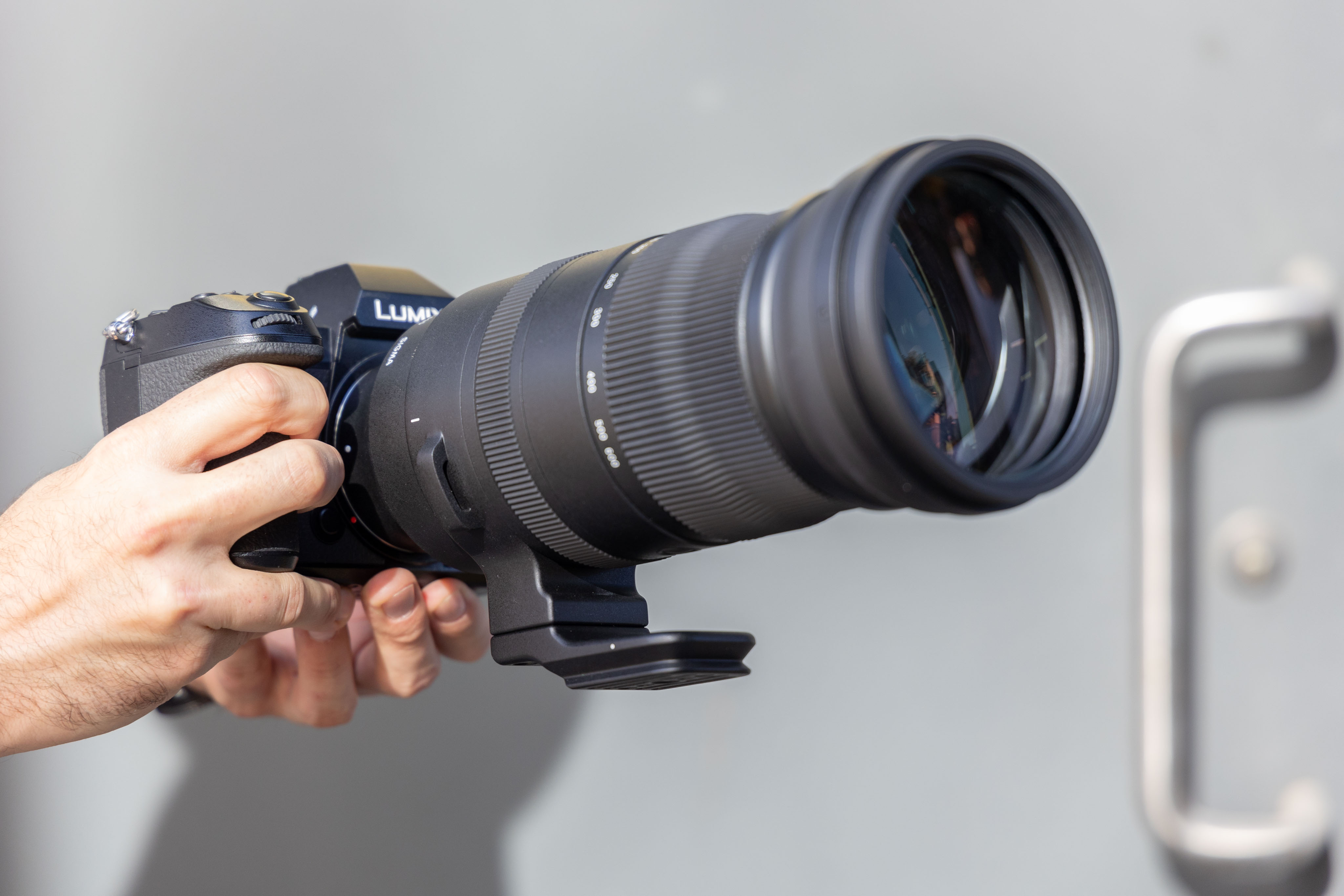
Here’s where things get interesting. Five years ago, recommending third-party glass for wildlife meant accepting compromise. Today? The Sigma 150-600mm Contemporary and Sport versions have rewritten the rules. These aren’t budget alternatives — they’re legitimate first choices.
The Contemporary version balances weight, reach, and price perfectly. The Sport? It’s built like a tank and focuses like one too — in the best way. Tamron’s G2 version of their 150-600mm matches stride for stride. All three represent the best used wildlife lenses in the “maximum reach per dollar” category.
What’s wild is how well these hold up on modern mirrorless bodies. The Sigma versions especially sing on adapted Sony and Canon R systems. The autofocus might be a half-beat slower than native glass, but we’re talking milliseconds. For birds in flight? You’ll miss more shots from poor technique than lens limitations.
The Complete Wildlife System Strategy
Alright, let’s talk total system cost. You want to shoot wildlife seriously without financing anything. Here’s the math that actually works:
Start with $800-1,200 for a used body. The Nikon D500, Canon 7D Mark II, or even older D7200/80D give you that crop sensor advantage. These aren’t compromise cameras — they’re purpose-built wildlife machines that happen to cost less used.
Add $700-1,500 for glass. That gets you into any of the lenses we’ve discussed, in good to excellent condition. You’re now at $1,500-2,700 total investment. New? This same capability starts at $5,000 and climbs fast.
The difference funds memory cards, a decent tripod, and maybe that blind you’ve been eyeing. Or plane tickets. The best used wildlife lenses don’t just save money — they redirect it toward actually getting in the field.
Buying Smart: What to Check
I learned this the expensive way: telephoto lenses live hard lives. When evaluating the best used wildlife lenses, check these non-negotiables:
First, the mount. Any play or wiggle? Walk away. That 500mm becomes a very expensive paperweight if it won’t lock securely. Second, zoom creep on push-pull designs. Some is normal. If the lens extends under its own weight? That’s a problem.
Glass condition matters less than you’d think for wildlife. A few internal dust specks? They’ll never show in images. But check for fungus — it’s the cancer of lens optics. Shine a flashlight through both ends. Any spiderweb patterns or cloudy spots mean hard pass.
Test the autofocus at both ends of the zoom range. Wildlife lenses work their AF motors hard. Any hunting, grinding, or inconsistency suggests expensive repairs ahead. The VR or IS should engage with a subtle click, not a coffee grinder sound.
The Ecosystem Advantage
Here’s what sealed the deal for me: GearFocus isn’t just about finding the best used wildlife lenses — it’s about finding them from people who actually use them. That seller in Oregon? We talked for twenty minutes about shorebird behavior before discussing the lens. He knew exactly which AF mode worked best for flight shots. He’d already figured out the quirks.
Compare that to buying from a general marketplace where your 600mm might come from someone who inherited it and thinks “bokeh” is a typo. Browse used telephoto lenses on GearFocus and you’re shopping from your peers. People who can tell you which teleconverter actually works versus technically fits.
Sellers keep 91.5% on GearFocus versus ~86% on eBay. That means competitive prices and sellers more willing to share knowledge along with their gear. When you’re dropping four figures on glass, those conversations matter.
That kingfisher still visits the same perch. These days, I can count its individual feathers from across the pond. The 200-500mm sits heavy on my tripod, a constant reminder that the best used wildlife lenses aren’t about prestige or spec sheets. They’re about not missing the shot.
Whether you’re drawn to Nikon’s value champion, Canon’s versatile zoom, or the third-party reach monsters, the used market has never been stronger. The gear that seemed impossibly expensive five years ago now sits within reach of anyone serious about wildlife photography.
Ready to stop watching opportunities fly away? The best used wildlife lenses are waiting. Upgraded your glass? Sell your old telephoto on GearFocus and help another photographer find their reach.
FAQ
What focal length do I actually need for wildlife photography?
400mm is the practical minimum for most wildlife work, but 500-600mm opens up way more opportunities. Remember that crop sensor bodies multiply your effective reach by 1.5x (Nikon/Sony) or 1.6x (Canon), so a 400mm lens on a D500 gives you 600mm equivalent. The best used wildlife lenses often pair perfectly with crop bodies for maximum reach per dollar.
Are older telephoto lenses still worth buying used?
Absolutely, with caveats. Pre-2010 telephotos might lack modern image stabilization or coatings, but the glass quality remains excellent. The Nikon 300mm f/4 AF-S or Canon 400mm f/5.6L are legendary for a reason. Just ensure the AF motor still performs well and the lens communicates properly with modern bodies. These older options can be incredible values in the used market.
How do I test a used telephoto lens before buying?
Bring your camera body and test at maximum aperture, both ends of the zoom range. Check for front/back focus issues, test the stabilization system, and verify smooth zoom and focus operation. Look through the lens with a flashlight for fungus or separation. Most importantly, take test shots of distant subjects at various apertures. Any decentering or softness will show immediately at these focal lengths. DPReview’s telephoto reviews and B&H’s wildlife lens guide offer excellent baseline references for expected performance.
Own one like this?
Make room for new gear in minutes.
