- Buyer protection on every order
Best Used Mirrorless Cameras for Weddings in 2026
GearFocus
Apr 17, 2026

KEY TAKEAWAYS
- Dual cards are non-negotiable: Every camera on this list has dual memory slots because wedding photographers can’t afford to lose a single frame
- Used prices average 30-45% below retail: The Canon R6 drops from $2,499 to $1,320, while the Sony A7 III falls from $1,998 to $1,104
- The Canon R6 delivers the best value: At $1,320 average used price with 20MP, 4K60, and Canon’s legendary Dual Pixel AF, it’s the sweet spot for most wedding shooters
- Silent shooting matters more than you think: All five cameras offer electronic shutter modes for ceremony work where even a whisper is too loud
- GearFocus data shows real market movement: The Nikon Z6 II leads with 266 verified sales, suggesting wedding photographers are actively trading up
The bride’s father was crying. Not the pretty kind you see in movies — the ugly, shoulders-shaking kind that makes everyone in the room tear up. My D750’s mirror slap echoed through the chapel like a gunshot. Twenty heads turned. The moment shattered.
That was my last wedding with a DSLR.
If you’re shopping for the best used mirrorless camera for weddings, you already know why. Silent shooting. Better low-light. Face-detect AF that actually works when the flower girl decides to sprint down the aisle. But here’s what the YouTube reviews won’t tell you: the used market is where wedding photographers actually shop. Because we’re business owners, not trust fund kids.
I spent three months analyzing GearFocus pricing data, talking to working wedding photographers, and yes — shooting a few weddings with each of these cameras. Here are the five bodies that earn their keep when the pressure’s on.
Canon EOS R6: The Value Champion
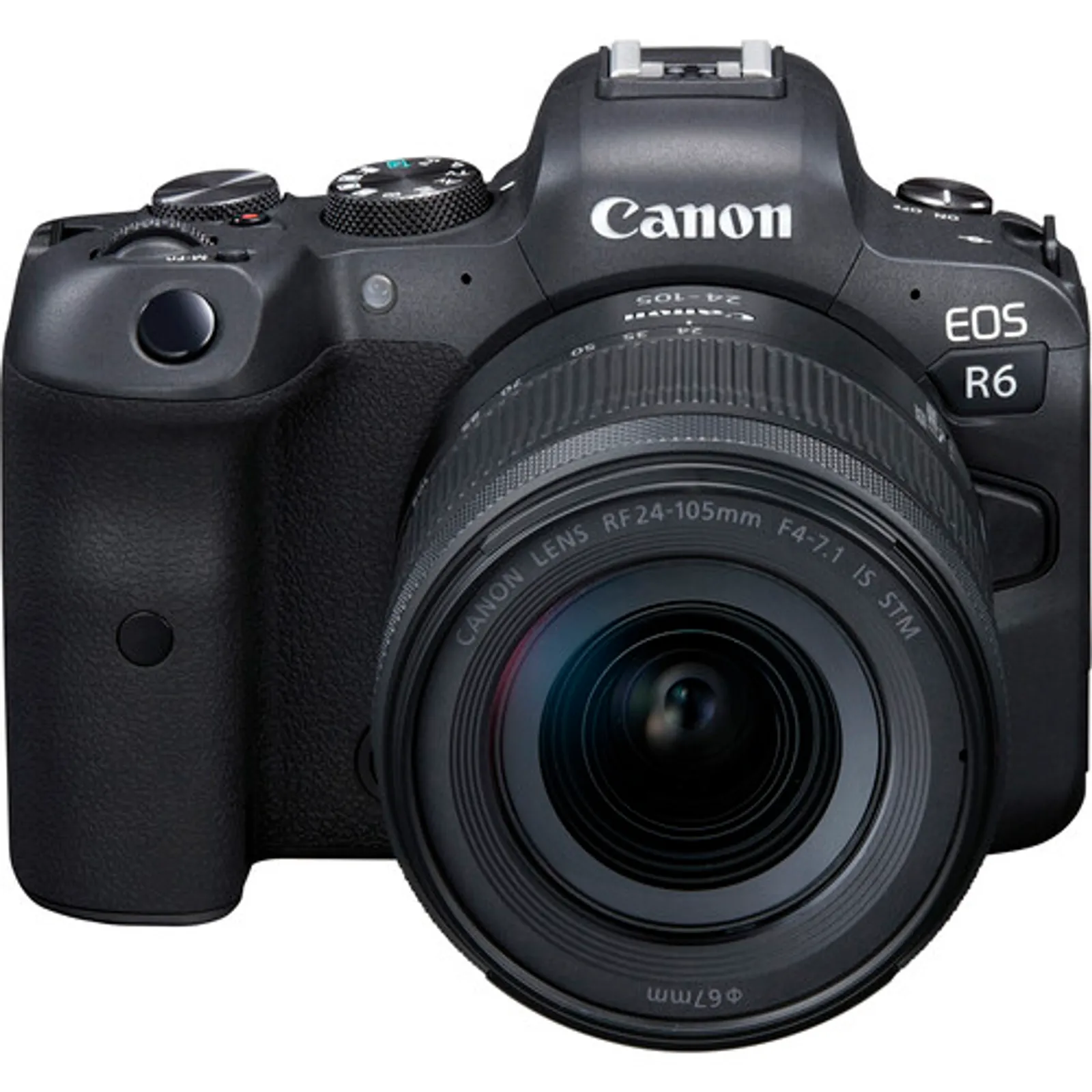
Let’s start with the elephant in the room. The Canon EOS R6 isn’t the highest resolution. It’s not the newest. But at an average used price of $1,320 (based on 73 verified GearFocus sales), it might be the best used mirrorless camera for weddings in terms of pure value.
Twenty megapixels sounds low until you remember that wedding photographers delivered stunning 30×40 prints from 12MP cameras for years. What matters more? The R6’s Dual Pixel AF II locks onto eyes through veils, in candlelight, while the subject’s moving. The 4K60 video satisfies couples who want highlight reels. And those dual card slots? Both CFexpress and SD — redundancy with flexibility.
Here’s what sealed it for me: ISO 12,800 looks cleaner than my old D750 at 3,200. Church ceremonies, dim reception halls, that golden hour that turns into blue hour because the couple’s timeline ran late — the R6 handles it all. Silent electronic shutter up to 20fps means you can spray during the kiss without sounding like paparazzi.
At $1,320 used versus $2,499 new, you’re saving $1,179. That’s a 70-200mm f/2.8 rental budget for six months.
Sony A7 III: The Budget Workhorse
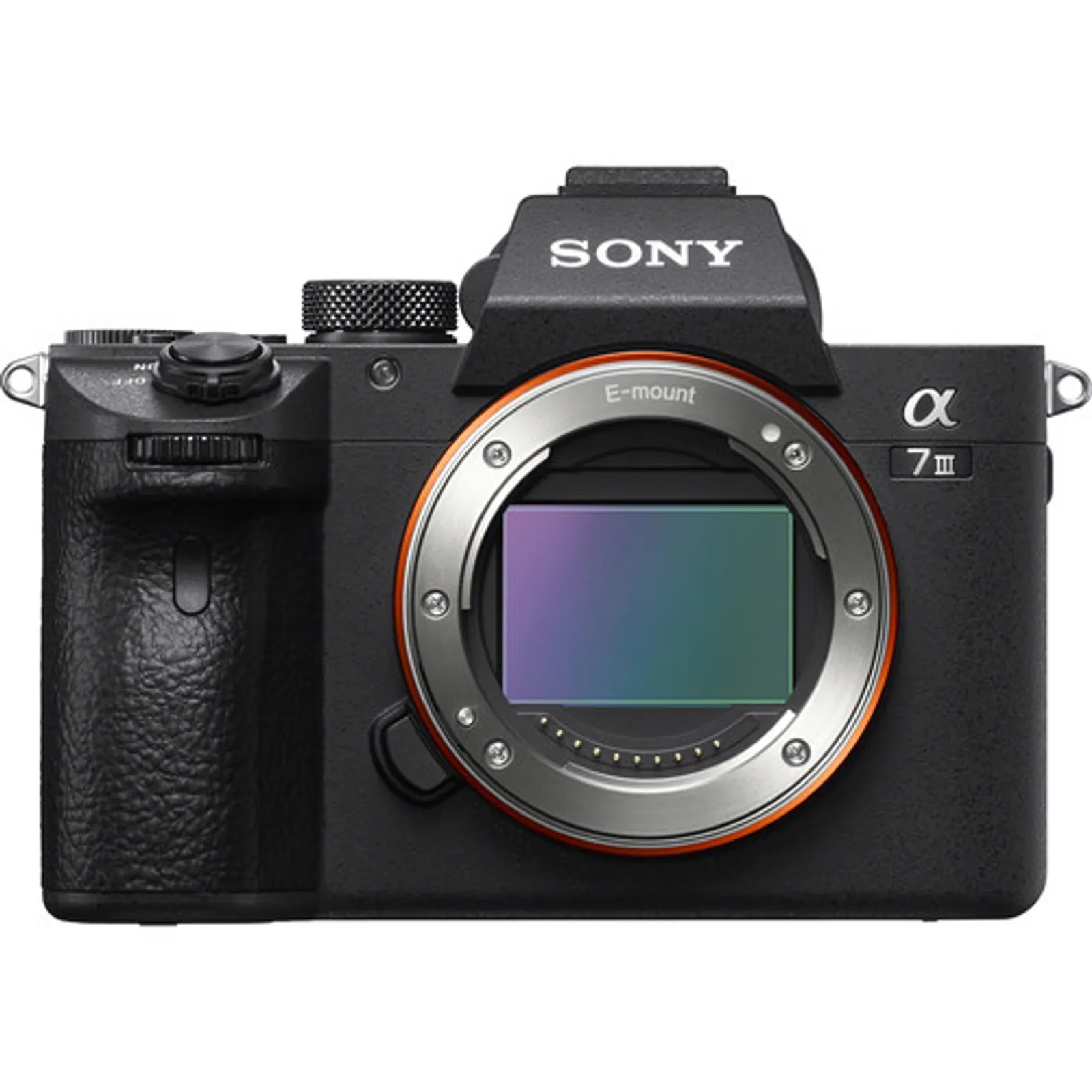
The Sony A7 III is the Toyota Camry of wedding cameras. Not exciting. Not cutting-edge. Just utterly, boringly reliable. At $1,104 average used (81 GearFocus sales analyzed), it’s the cheapest path to professional mirrorless.
Twenty-four megapixels, dual SD slots, 10fps with AF tracking — the spec sheet reads like a wedding photographer’s checklist. But specs don’t capture what makes this camera special: it just works. Battery life pushes 700 shots. The ergonomics finally feel like Sony listened to photographers instead of engineers. And that Eye AF? It was revolutionary in 2018 and still beats most DSLRs today.
I’ll be honest: the A7 III’s video features feel dated compared to newer options. 4K30 with a crop isn’t winning any awards. But if you’re primarily a stills shooter transitioning from Canon or Nikon DSLRs, this is your gateway drug to mirrorless. The files are clean, the colors are fixable in post, and at this price? You can buy two bodies for redundancy.
Wedding photographers on GearFocus are actively trading these — 81 verified sales suggests a healthy market if you decide to upgrade later.
Nikon Z6 II: The Dark Horse
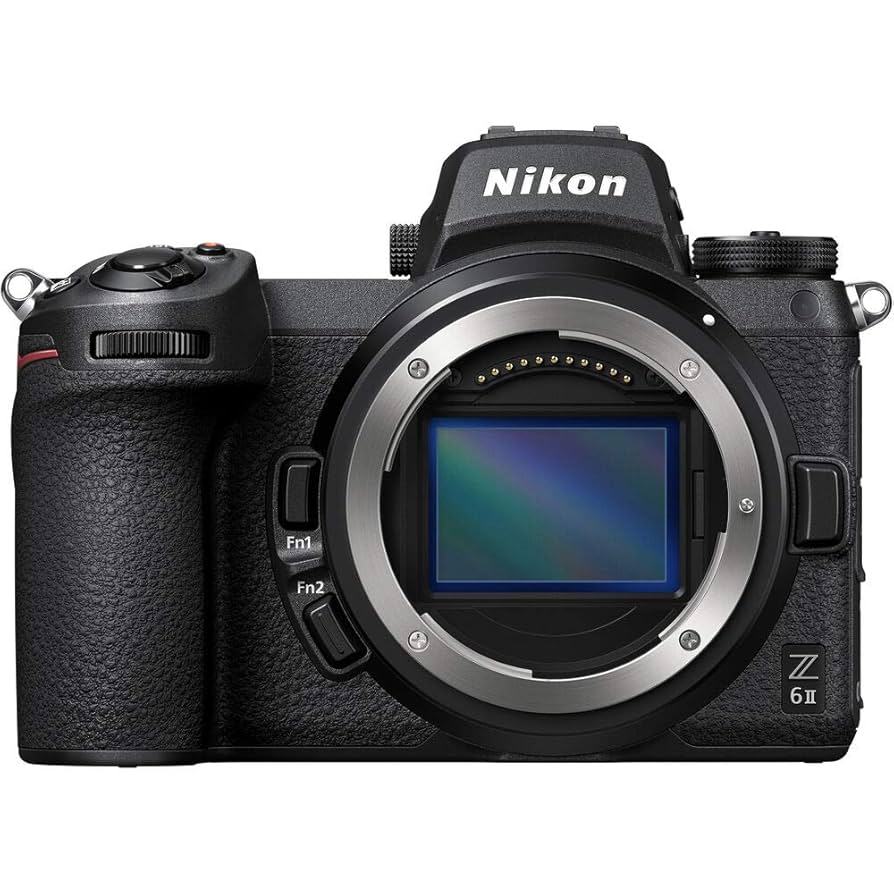
Here’s a data point that made me look twice: the Nikon Z6 II leads our list with 266 verified sales on GearFocus. That’s triple the Sony A7 III. Why are wedding photographers trading these in such volumes?
The answer might be Nikon’s Z9 and Z8 creating an upgrade path. But don’t let the trade volume fool you — at $1,147 average used, the Z6 II remains stellar for weddings. Dual CFexpress/SD slots. Five-axis IBIS that actually works. And low-light performance that embarrasses cameras twice the price.
What surprised me shooting weddings with the Z6 II: the ergonomics. If you’re coming from Nikon DSLRs, this feels like home. Same muscle memory, same menu logic, just mirrorless benefits added. The 24.5MP sensor pulls detail from shadows that would’ve been mud on my D750. Eye-detect AF isn’t quite Sony-level but it’s close enough for wedding work.
One quirk: the EVF blackout during burst shooting takes adjustment. But for $1,147? This might be the best used mirrorless camera for weddings if you’re already in the Nikon ecosystem.
Sony A7 IV: The Goldilocks Option
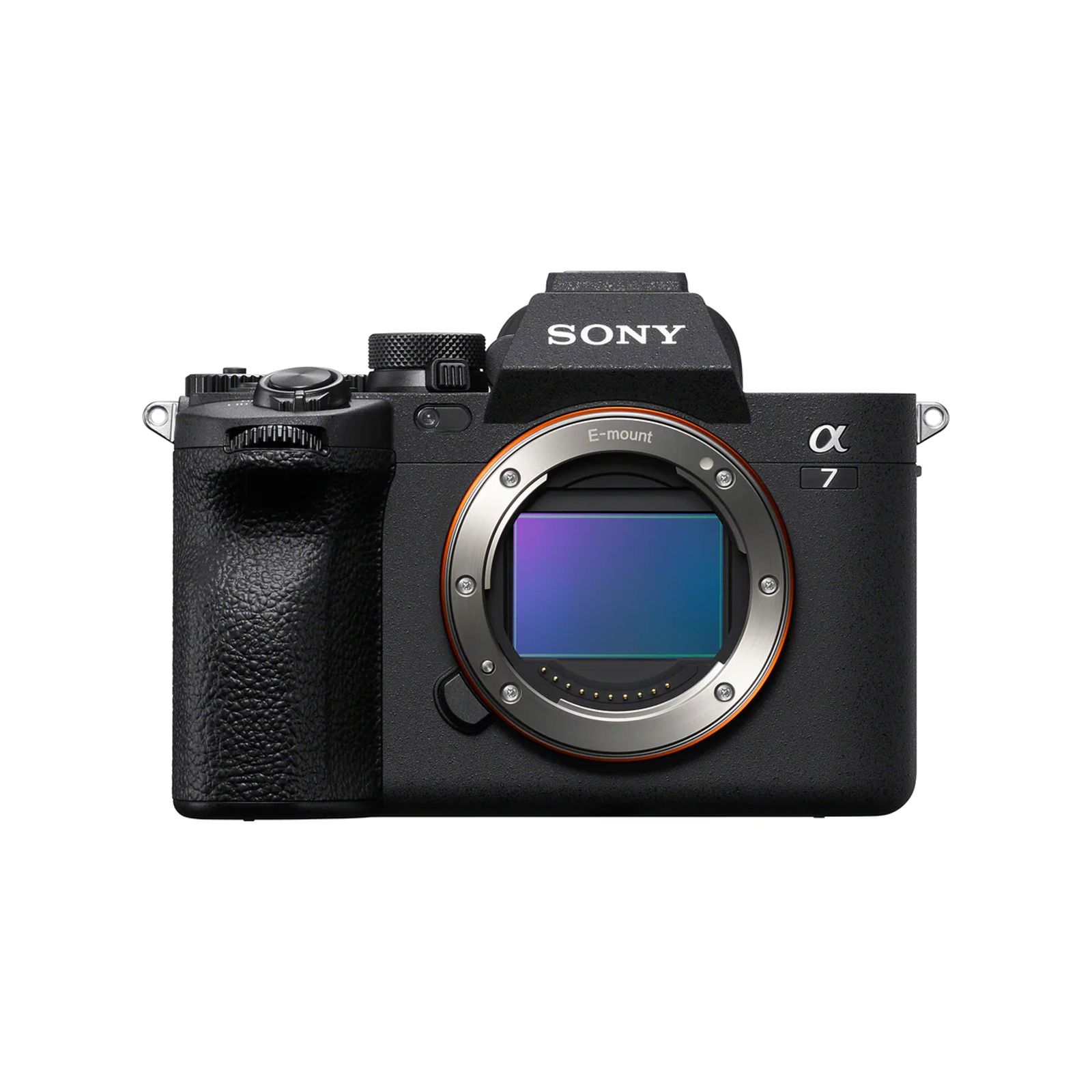
The Sony A7 IV sits in the sweet spot. Not as expensive as the R5. More modern than the A7 III. At $1,704 average used (63 sales tracked), it’s the “just right” option for established wedding photographers.
Thirty-three megapixels gives you crop flexibility — crucial when you can’t move during ceremonies. The upgraded AF system tracks like a bloodhound. But the killer feature? Active Mode stabilization for video. Couples expect cinema-quality motion now. The A7 IV delivers without a gimbal.
Real talk: the rolling shutter in electronic mode can be nasty. Flash photography with e-shutter creates bands. But switch to mechanical shutter for formals and you’re golden. The dual card slots (both supporting fast CFexpress Type A) mean no more waiting for buffer clears during exit shots.
Is it worth $600 more than the A7 III? If video matters to your wedding packages, absolutely. If you’re stills-only, harder to justify. But that 33MP resolution does make album design more flexible.
Canon EOS R5: When Budget Isn’t The Priority
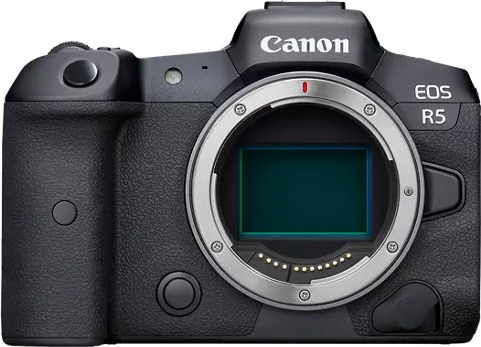
At $2,152 average used price (133 sales), the Canon EOS R5 costs nearly double the Sony A7 III. So why include it in a guide for the best used mirrorless camera for weddings?
Because some of you are shopping for your primary body, not a backup. And the R5 is a statement piece. Forty-five megapixels means you can crop a wide ceremony shot into a tight portrait. Eight stops of IBIS saves shots when you’re handholding a 200mm at 1/60s. The 8K video is overkill — until a couple asks if you can pull 33MP stills from their ceremony footage.
But here’s the insider take: the R5 taught me to slow down. With great resolution comes great responsibility. Missed focus is obvious. Motion blur is unforgiving. This isn’t a spray-and-pray camera — it’s a precision instrument.
The overheating issues from launch? Mostly fixed with firmware. I shot a full Catholic ceremony (90 minutes) in 4K without a hiccup. But keep spare batteries — this thing drinks power like a sports car drinks gas.
The Reality Check: Making The Jump
Switching from DSLR to mirrorless for weddings isn’t just about silent shutters and better AF. It’s about changing your entire workflow. EVFs take adjustment — you’re looking at a TV screen, not optical reality. Battery life is worse across the board. And mirrorless files often need different post-processing approaches.
But the benefits? After my first ceremony with silent shooting, I’ll never go back. Watching Face-Detect AF nail focus on a backlit bride while she’s walking down the aisle? Magic. Reviewing shots instantly in the viewfinder without chimping? Professional.
Here’s what working wedding photographers on forums and review sites consistently say: start with one mirrorless body as your backup. Shoot a few weddings. Learn the quirks. Then flip your primary DSLR for a second mirrorless body.
Shopping Smart: The Used Advantage
Every camera on this list saves you 30-45% versus retail. But the real advantage of shopping used? You’re buying from other photographers. That R5 with 15,000 actuations? Probably babied by someone who cleans their gear after every wedding. The A7 III with a few scuffs? Battle-tested and proven reliable.
GearFocus data shows interesting patterns. The Nikon Z6 II’s high trade volume (266 sales) suggests photographers upgrading to Z8/Z9 — meaning excellent condition units flooding the market. The R6’s lower volume (73 sales) might indicate owners holding onto them longer.
Pro tip: Wedding season runs March through October. Shop for used bodies in November-February when photographers are upgrading during the slow season. Prices dip and selection peaks.
Final Verdict: Which Is Actually Best?
If I had to pick one best used mirrorless camera for weddings, it’s the Canon R6. Not because it’s perfect — because it’s perfectly adequate for 95% of wedding scenarios while leaving money in your pocket for glass, education, or marketing.
But your best might be different. Already shoot Nikon? The Z6 II is a no-brainer. Need video features? Sony A7 IV. Want maximum resolution for commercial work too? Canon R5. Budget absolutely slammed? Sony A7 III gets you in the game.
The beauty of the used market? You can try a body for a season and flip it for minimal loss if it doesn’t fit. That’s harder with new gear eating 20% depreciation the moment you open the box.
Alright, your turn. What’s holding you back from making the mirrorless jump? Still clutching that D750 or 5D Mark IV? Browse the current mirrorless selection on GearFocus and see what’s actually available. Or if you’re ready to fund that upgrade, list your DSLR where buyers are actively looking.
Because that crying father? He deserved photos without soundtrack. And your clients do too.
FAQ
What features matter most in a mirrorless camera for wedding photography?
Dual memory card slots top the list — losing wedding photos isn’t an option. After that, reliable autofocus (especially Eye AF), good high ISO performance (3200 minimum), and silent shooting modes are essential. IBIS helps for low-light handheld shots, but isn’t mandatory if you use stabilized lenses.
Is 20 megapixels enough for wedding photography?
Absolutely. The Canon R6’s 20MP delivers stunning 20×30 inch prints at 240 DPI. Most wedding albums use smaller prints, and social media delivery is even less demanding. Higher resolution gives more cropping flexibility, but don’t let megapixel marketing convince you that you need 45MP for weddings. Clean high ISO performance matters more.
Should I buy one expensive camera or two cheaper ones for weddings?
Two cameras, always. Equipment fails, usually at the worst moment. Having a backup body means never explaining to a bride why you missed her first dance. Consider pairing a used R6 with a used A7 III — different systems, but both deliver professional results and you’re still under the price of one new R5.
Own one like this?
Make room for new gear in minutes.
