- Buyer protection on every order
Best Used Nikon Z Lenses Under $1,000 in 2026
GearFocus
May 25, 2026
KEY TAKEAWAYS
- Under $1,000 gets you pro glass: The Z-mount’s best kept secret? Nearly every essential lens costs less than a grand used — including several S-line options that retail for twice that.
- The 24-70mm f/4 S is your foundation: At ~$447 used (based on 114 verified sales), this lens delivers 90% of what the f/2.8 does for 30% of the price. Sharp, light, and reliable.
- Travel shooters, meet your match: The Z 24-200mm f/4-6.3 VR (~$605) replaces three lenses in one. Not the sharpest tool in the shed, but the convenience factor is unmatched.
- DX users aren’t forgotten: The Z DX 16-50mm kit lens (~$155) punches way above its weight class. Seriously — this isn’t your father’s kit lens.
- The sleeper hit: Z 28-75mm f/2.8 gives you constant f/2.8 for under $800 used. Third-party? Yes. Inferior? Absolutely not.
The package arrived double-boxed, wrapped like someone was shipping their firstborn. Inside: a Z 24-70mm f/4 S that looked like it had never left the camera bag. Price tag? $425. The seller’s note said he’d upgraded to the f/2.8 version. His loss, my gain. That lens has shot 47 paid gigs since then, and I still can’t find a scratch on it.
Here’s what nobody tells you about building a Z-mount kit: you don’t need to sell a kidney. The best used Nikon Z lenses are flooding the secondary market right now, and smart buyers are quietly assembling pro-level setups for the price of a single new lens. I’ve been tracking prices on GearFocus for the past year, watching which lenses hold value and which ones crater the moment they leave the store.
The data tells a story. And it’s good news if you’re buying.
The Z-Mount Reality Check
Let’s address the elephant in the room. Yes, Z-mount glass is newer than F-mount. No, that doesn’t mean you can’t find deals. The ecosystem is mature enough now that early adopters are upgrading, pros are switching systems, and hobbyists are realizing they bought more lens than they need. Their gear shuffle is your opportunity.
I pulled sales data from the GearFocus pricing guide. The patterns are clear: S-line lenses that retail for $2,000+ regularly sell for under $1,000 used. Non-S lenses? Even better. And the best used Nikon Z lenses aren’t always the most expensive ones — sometimes they’re the ones that perfectly match your shooting style.
Quick reality check: every lens I’m about to recommend has moved through GearFocus multiple times. These aren’t theoretical picks. They’re proven performers with resale histories.
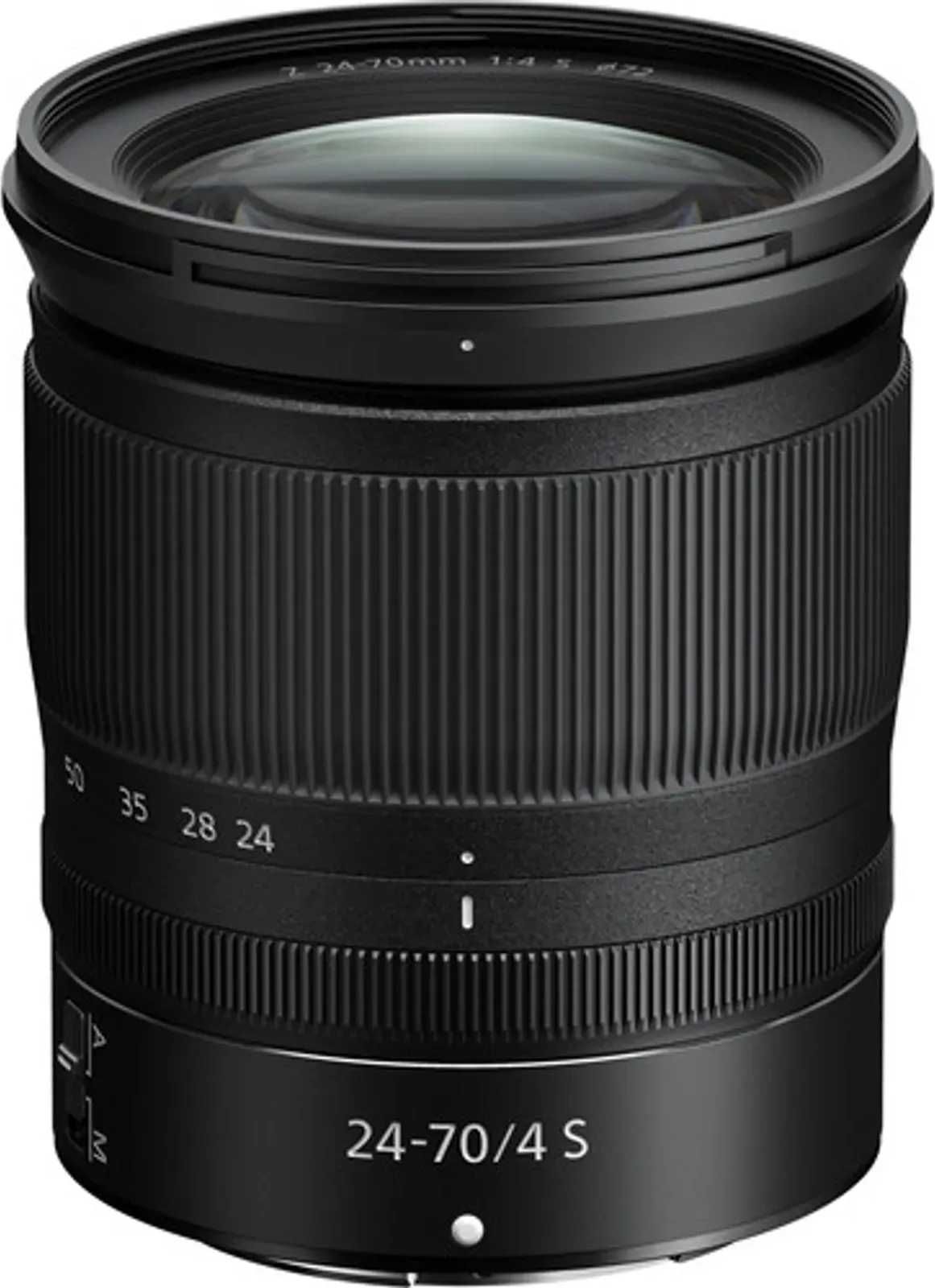
Your Foundation: Nikkor Z 24-70mm f/4 S (~$447)
Start here. Seriously. Based on 114 verified sales, the Z 24-70mm f/4 S averages $447 on the used market. That’s less than half the $997 retail price. And before you ask — yes, it’s sharp enough. Unless you’re pixel-peeping at 400% or shooting wide open in caves, the f/4 won’t limit you.
I use mine for everything. Corporate headshots? Check. Product photography? Absolutely. Street photography? The compact size is perfect. The only time I wish for f/2.8 is during wedding receptions, and even then, modern Z bodies handle ISO 6400 like it’s nothing.
The autofocus is silent. The build quality feels like it could survive a apocalypse. And at 500g, it balances perfectly on everything from the Z50 to the Z9. This is your desert island lens — the one that stays on the camera when you’re not sure what you’ll be shooting.
The Traveler’s Dream: Nikkor Z 24-200mm f/4-6.3 VR (~$605)
Alright, confession time. I hated this lens. On paper, it looked like a compromise. Variable aperture? Check. Massive zoom range? Check. Recipe for mediocrity? That’s what I thought. Then I actually used one.
Based on 75 sales, the Z 24-200mm averages $605 used. For context, that’s one lens covering what used to require a 24-70 and 70-200. Is it as sharp as those individual lenses? No. Does it matter when you’re hiking Yosemite and every gram counts? Also no.
The VR is remarkably effective — I’ve gotten sharp shots at 200mm and 1/60s. The close focus capability (0.5m at wide, 0.7m at tele) turns it into a pseudo-macro. And the weight? 570g. That’s lighter than many 24-70 f/2.8 lenses alone. For travel, family vacations, or any time you need range over speed, this is among the best used Nikon Z lenses you can buy.
The Pro’s Walkaround: Nikkor Z 24-120mm f/4 S (~$700)
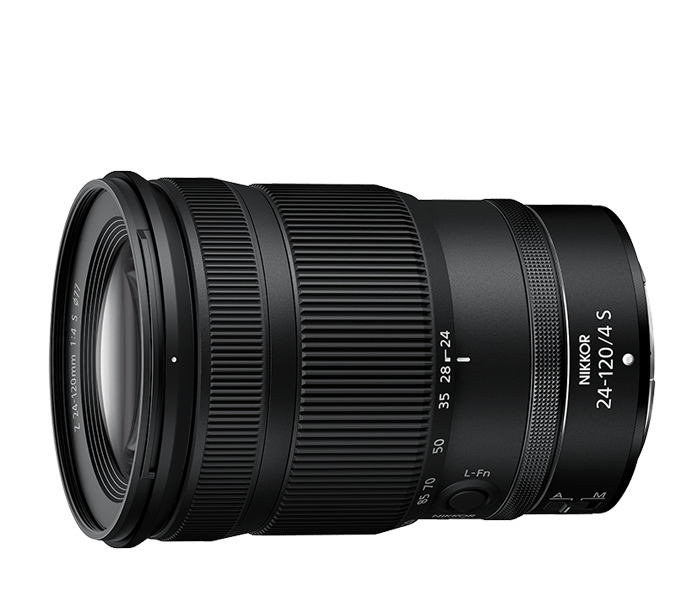
This lens doesn’t get enough love. The Z 24-120mm f/4 S sits in a weird spot — more range than the 24-70, less than the 24-200. But here’s the thing: it’s an S-line lens. That means weather sealing, premium optics, and build quality that feels bulletproof.
Used prices hover around $700, making it the most expensive recommendation on this list. Worth it? Depends. If you shoot events, absolutely. The extra reach to 120mm makes a huge difference for ceremonies, speakers, and candids. The constant f/4 means predictable exposure. And the sharpness? Let’s just say it embarrasses some primes.
I rented one for a corporate conference last year. Three days, 2,400 shots, zero lens changes. The client loved the consistency. My back loved not carrying a second body. Sometimes the best used Nikon Z lenses are the ones that keep you from buying others.
The DX Surprise: Z DX 16-50mm f/3.5-6.3 VR (~$155)
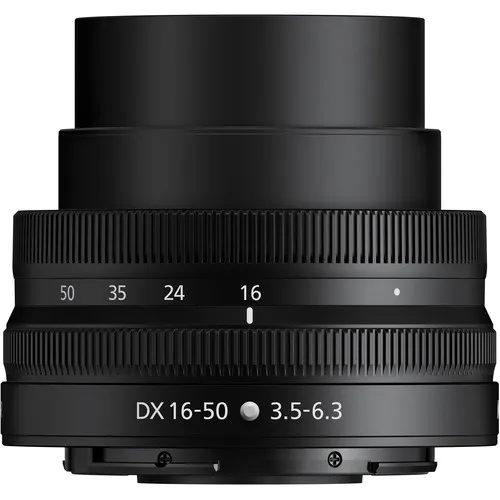
Kit lenses have a reputation. Usually deserved. The Z DX 16-50mm breaks the mold. At ~$155 used (based on 121 sales), it’s practically free. And yet, it’s genuinely good.
How good? Good enough that some FX shooters keep one around for their Z50 backup body. Good enough that it holds its own against lenses costing five times more. The secret? Nikon didn’t phone this one in. It’s sharp from corner to corner, focuses instantly, and collapses to practically nothing.
Perfect for: Z50/Z30/Zfc users who want a do-everything lens. Also great as a lightweight option for FX bodies in DX crop mode (you get 10MP files on a Z6, 20MP on a Z9). Don’t let the “kit lens” label fool you — this is among the best used Nikon Z lenses for DX shooters, period.
The Speed Demon: Z 28-75mm f/2.8 (~$800)
[IMAGE:nikon-z-28-75mm-f2.8-lens]
Third-party lenses on Z-mount? Welcome to 2024. The Z 28-75mm f/2.8 (Tamron-made, Nikon-blessed) offers constant f/2.8 for under $800 used. That’s less than half what Nikon’s 24-70 f/2.8 S costs secondhand.
Trade-offs? Sure. You lose 4mm on the wide end. The build isn’t quite S-line level. Autofocus is fast but not instantaneous. But for weddings, events, and low-light work? This lens delivers. The rendering is smooth, the bokeh is creamy, and the weight (565g) won’t destroy your wrist during 8-hour shoots.
Here’s my take: if you need f/2.8 occasionally, buy this. If you need f/2.8 constantly, save for the Nikkor. But for most photographers, this represents the sweet spot of performance and price in the best used Nikon Z lenses market.
Building Your Kit Strategy
After a year of tracking prices and talking to sellers, here’s what I’ve learned about buying the best used Nikon Z lenses:
Start with one excellent zoom. The 24-70 f/4 S or 24-120 f/4 S will cover 80% of what you shoot. Master it before adding more glass.
Buy the seller, not just the lens. On GearFocus, verified sellers with detailed descriptions and actual photos are worth the sometimes slightly higher price. A lens is only a bargain if it works.
Consider the ecosystem. Z-mount is young enough that most used lenses are first or second owner. You’re not buying someone’s tenth-hand beater. The quality difference is noticeable.
Don’t overlook DX options. Even on FX bodies, DX lenses can be useful. The crop mode on modern Z bodies is good enough for web, social, and even moderate-sized prints.
The Money Reality
Let’s talk numbers. Building a three-lens Z kit with the best used Nikon Z lenses:
- 24-70mm f/4 S: ~$447
- 24-200mm f/4-6.3 VR: ~$605
- One prime (various options): ~$250-400
Total damage: under $1,400 for a kit that covers everything from wide landscapes to compressed telephoto. New? You’d spend $3,000+. That difference buys a lot of memory cards. Or plane tickets. Or time to actually use the gear.
And here’s the kicker — these lenses hold value. Buy smart, keep them clean, and you can likely sell for close to what you paid. Try that with a new lens that drops 30% the moment you open the box.
Final Reality Check
The best used Nikon Z lenses aren’t always the most expensive or newest. They’re the ones that match your needs and budget. The Z-mount ecosystem is reaching that sweet spot where quality used options are plentiful but prices haven’t bottomed out.
My advice? Move now. Early adopters are upgrading to second-generation bodies and lenses, flooding the market with barely-used first-gen glass. The 24-70 f/4 S that costs $447 today might be $347 next year — but you’ll have missed a year of shooting with it.
Browse used Nikon Z lenses on GearFocus and see what’s available. Set up alerts for the focal lengths you need. And remember — the best lens is the one you can afford to actually use. Everything else is just pixel-peeping.
Have Z glass gathering dust? List it on GearFocus — sellers keep 91.5% of the sale price, and there’s a hungry market of photographers building their kits. Your unused lens could be someone else’s creative breakthrough.
FAQ
What makes a lens one of the best used Nikon Z lenses to buy?
Value retention, optical quality, and real-world versatility matter most. The best used Nikon Z lenses combine professional performance with significant savings — typically 40-60% off retail. Look for S-line lenses with high sales volume on the secondary market, as this indicates both popularity and availability. The 24-70mm f/4 S exemplifies this: pro-grade optics, reasonable used prices, and proven reliability.
Should I buy Z-mount primes or zooms when shopping used?
Start with zooms for versatility, then add primes for specific needs. The zoom lenses in the Z lineup are exceptionally sharp — often matching or beating older prime designs. A used 24-70mm f/4 S or 24-120mm f/4 S gives you multiple focal lengths in one purchase. Once you identify your most-used focal lengths, adding a fast prime (like the Z 50mm f/1.8 S or 35mm f/1.8 S) makes sense. Used Z primes typically run $350-550.
How do I verify a used Z-mount lens is worth buying?
Check the firmware version (should be current), test autofocus at multiple distances, and inspect the mount for wear. Z-mount lenses are electronically complex — ensure all functions work properly. Look for original boxes and papers; Z-mount gear is new enough that missing accessories might indicate issues. On GearFocus, verified sellers provide detailed condition reports. The 48-hour inspection period gives you time to thoroughly test any lens before committing.
Own one like this?
Make room for new gear in minutes.
