- Buyer protection on every order
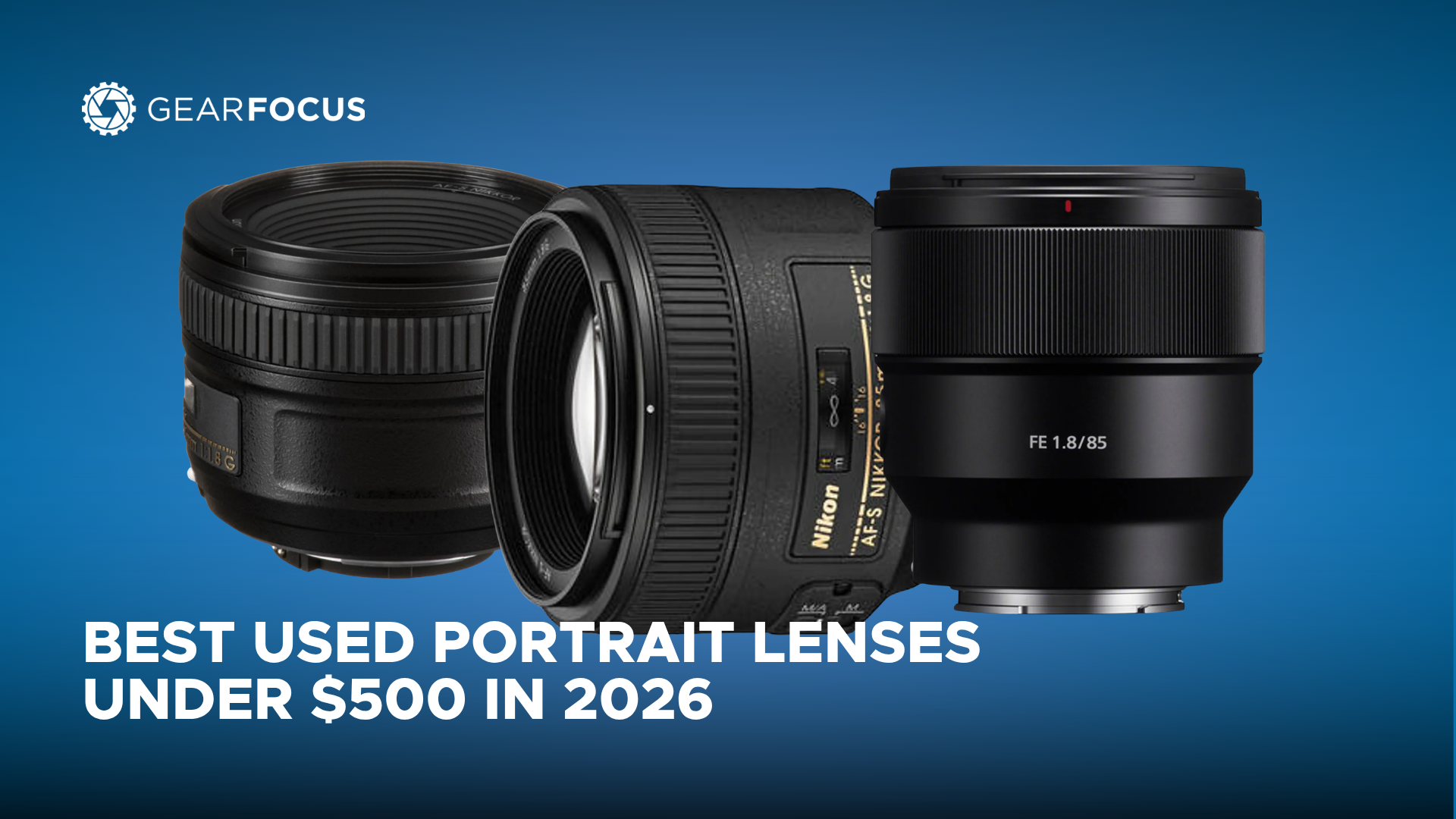
Best Used Portrait Lenses Under $500 in 2026
GearFocus
Jun 8, 2026
KEY TAKEAWAYS
- Under $500 gets you flagship-quality glass: The Nikon 85mm f/1.8G averages $277 used — that’s $223 off retail for a lens that hasn’t changed since 2012.
- 85mm is the face-flatterer, 50mm is the workhorse: Longer focal lengths compress features naturally. But 50mm pulls double duty for environmental portraits and everyday shooting.
- Canon shooters win the budget game: The EF 50mm f/1.8 STM averages $99 used. That’s not a typo. Professional results for less than a memory card.
- Used prices track shutter counts, not optical quality: These lenses don’t have moving parts to wear out. A scratched filter thread saves you $50 — the glass inside shoots the same.
- Buy the mount you’re staying with: Portrait glass holds value, but switching systems means selling at a loss. Pick your ecosystem first, then invest.
The makeup artist stepped back. “Turn your head left. Chin down. Little more.” Click. The 85mm compressed her features just enough — cheekbones lifted, jawline defined, that slight telephoto magic that makes everyone look like the best version of themselves. I’d paid $280 for that lens used. The client paid me $1,200 for the session.
Here’s what nobody tells you about portrait photography: the best used portrait lenses aren’t the ones with red rings or gold badges. They’re the ones that make your subjects look in the mirror afterward and think, “Is that really me?” Under $500, you’ve got options that deliver that feeling every time.
Why Focal Length Matters More Than F-Stop for Portraits
[IMAGE:nikon-af-s-nikkor-85mm-f1.8g-lens]
Let me save you from my mistake. My first paid portrait session? Shot entirely at 24mm because I thought f/1.4 was all that mattered. The files looked like funhouse mirrors. Wide glass distorts faces — it’s physics, not opinion.
85mm became the portrait standard for a reason. Stand 8 feet away, frame tight on the face, and watch what happens: noses look proportional, foreheads don’t bulge, ears stay where they belong. It’s not magic — it’s compression. The best used portrait lenses in this focal range deliver professional results because the math works in your favor.
50mm sits in the middle. Not as flattering as 85mm for tight headshots, but perfect when you need context. Environmental portraits, full-body shots, or just daily carry when you’re not sure what you’ll shoot. Think of it as the Swiss Army knife focal length.
Here’s the thing about these portrait primes: they peaked optically years ago. That Nikon 85mm f/1.8G from 2012? Still sharper than any zoom at portrait distances. The lens formulas haven’t changed because they don’t need to.
Best Used Portrait Lenses: The Sub-$300 Nikon Duo
Alright, Nikon shooters. You’re about to feel smug. Based on 101 verified sales, the AF-S 85mm f/1.8G averages $277 used. New? $500. That’s $223 in your pocket for a lens that hasn’t been updated because it doesn’t need updating.
Wide open at f/1.8, it’s sharp enough to count eyelashes. The bokeh? Smooth as butter. Not nervous, not busy — just that creamy separation that makes subjects pop. I’ve shot it against the 85mm f/1.4G that costs four times more. Difference? About 2/3 of a stop and bragging rights. The files? Clients can’t tell.
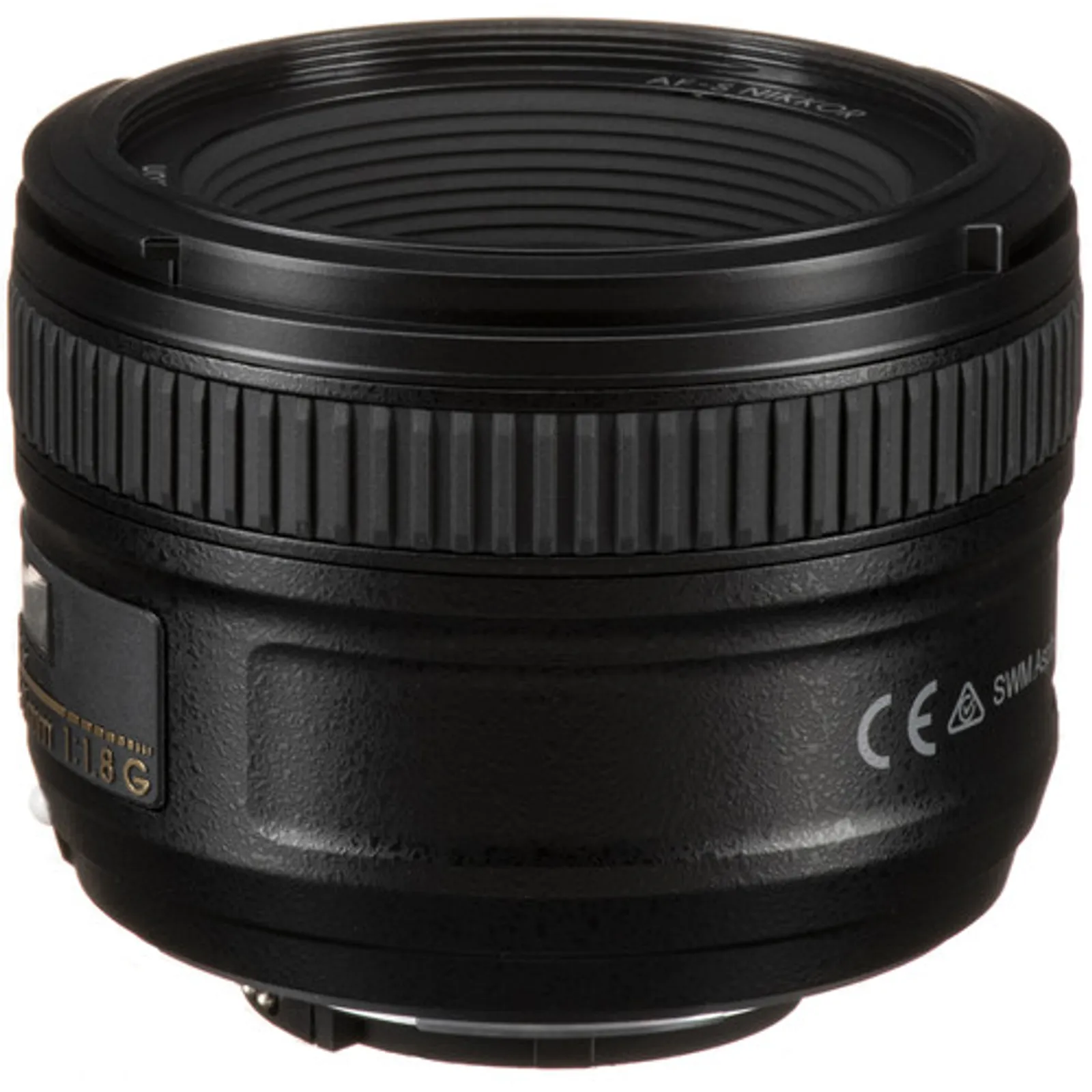
Now the everyday hero: the Nikon 50mm f/1.8G. Average used price from 192 sales? $130. This is the lens that stays on your camera when you’re not sure what’s happening next. Portraits? Check. Street? Check. Details at events? Check.
True story: I bought mine thinking it was a placeholder until I could afford the f/1.4. That was four years ago. Still haven’t “upgraded.” Why? Because at f/2.8 where I actually shoot portraits, they’re identical. The extra $870 for the f/1.4? That’s a lot of money for bokeh you’ll rarely use.
Sony’s Portrait Pair: When Mirrorless Makes Sense
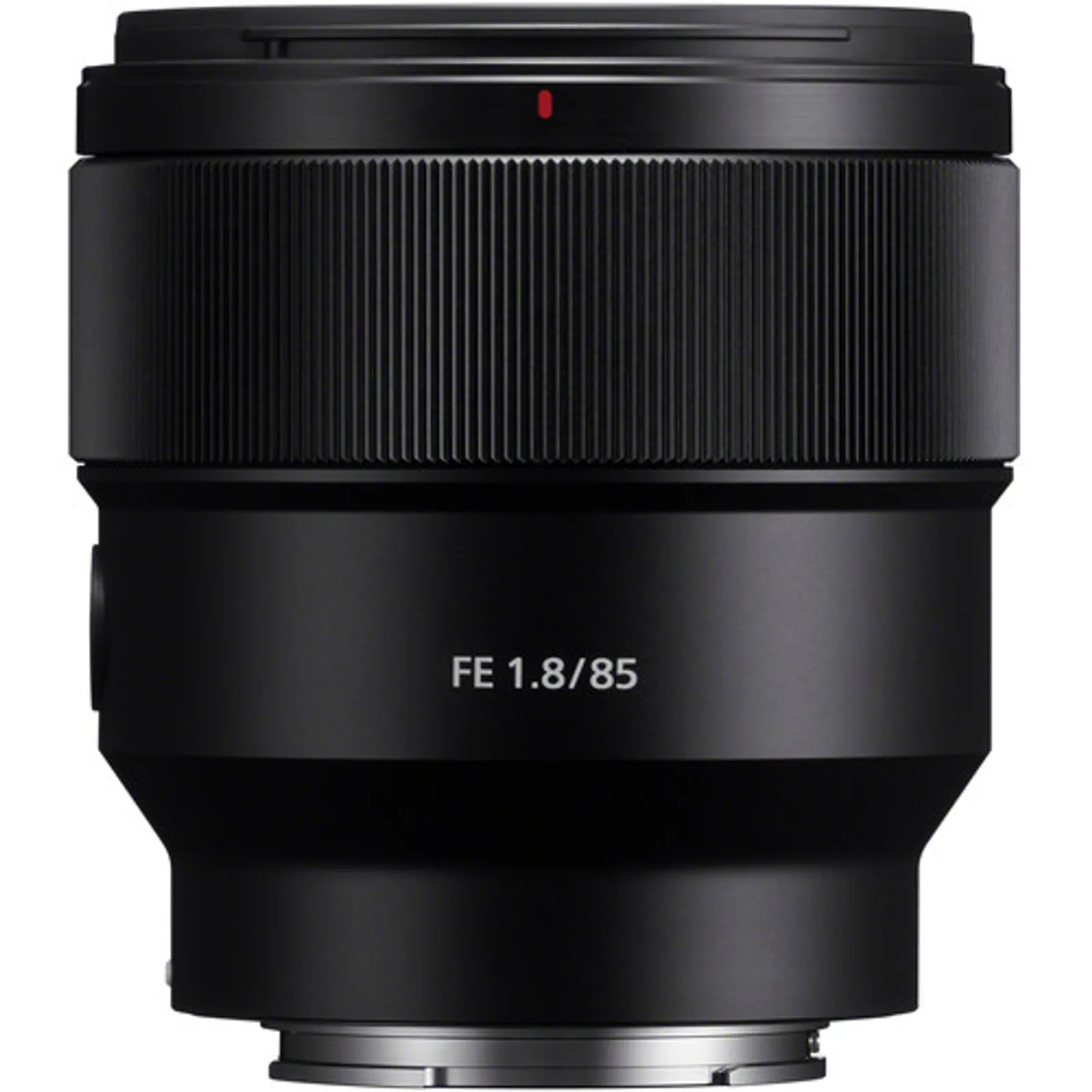
Sony changed the game with these. The FE 85mm f/1.8 weighs 371g. The Nikon? 595g. When you’re handheld for a four-hour event, those 224 grams matter. Unfortunately, specific used pricing wasn’t available in our data, but these typically run under our $500 threshold on the used market.
Here’s what Sony got right: they didn’t try to reinvent portrait glass. They just made it lighter and added modern coatings. The optical formula? Classic. The results? Exactly what portrait shooters need. Sharp where it counts, smooth where it doesn’t.
The FE 50mm f/1.8 tells a different story. Based on 94 sales, average used price is $188. Not the cheapest nifty-fifty, but here’s why it’s worth it: proper weather sealing. Most budget fifties skip this. Sony didn’t. Rain happens. Dust happens. This lens keeps shooting.
One thing about these Sony primes — they’re optimized for mirrorless. Smaller image circle, shorter flange distance, designed for EVF shooting. If you’re adapting to Canon or Nikon, stick with native glass. These are for Sony bodies only.
Canon’s Secret Weapon: The $99 Professional Tool
I need you to sit down for this. The Canon EF 50mm f/1.8 STM — based on 140 verified sales — averages $99 used. Ninety. Nine. Dollars. For reference, a UV filter for your fancy zoom costs more.
Is it built like a tank? No. Does it have weather sealing? No. Does it produce images that clients pay for? Absolutely. This is the best used portrait lens value in existence, and it’s not close.
Here’s what happened: Canon updated the old 50mm f/1.8 II (which was already legendary) with STM focusing. Smoother, quieter, more accurate. The optics? Unchanged since the film era because they nailed it the first time. At f/2.8-f/4, this $99 lens matches $2,000 zooms.
I keep one in my bag as backup. Except “backup” is a lie — I grab it whenever I need to travel light or shoot in sketchy conditions. Hundred dollar lens, thousand dollar results. The margin on that is just stupid.
The Truth About “Flaws” in the Best Used Portrait Lenses
Let’s talk about what scares people away from used glass. Dust? Unless it looks like a snow globe, it won’t show in images. Slight focusing noise? These aren’t video lenses. Scratched filter threads? That’s a discount for cosmetics that don’t affect optics.
What actually matters: clean glass (check with a flashlight), smooth focus ring, accurate autofocus. Everything else is negotiating leverage. That “BGN” condition 85mm for $200? If the glass is clean, you just found professional equipment at hobbyist prices.
Here’s my inspection routine: Mount it, shoot a white wall at minimum focus distance, f/1.8. Check for decentering. Then infinity focus on something with detail. Sharp? You’re good. The cosmetic stuff? That’s just character.
Portrait lenses live easy lives compared to telephotos lugged through mud or wide angles exposed to salt spray. They spend most of their time in climate-controlled studios or event venues. A five-year-old portrait prime probably has less wear than a one-year-old 70-200.
Making the Choice: Which Focal Length First?
If you’re buying your first dedicated portrait lens, go 85mm. I know the 50mm is more versatile. I know it’s cheaper. But nothing builds client confidence like that first 85mm portrait that makes them gasp.
Already have a 50mm from your kit? Skip the 50mm upgrade, go straight to 85mm. The focal length difference matters more than the aperture upgrade. You can always crop a 50mm shot tighter. You can’t un-distort a too-wide portrait.
Budget maxed at $200? Get the nifty-fifty for your system and start shooting. The best used portrait lenses are the ones in your bag, not on your wishlist. I shot my first paid gig with a Canon 50mm f/1.8. Client loved the images. I upgraded with their payment.
Real talk: You don’t need both focal lengths day one. Pick one, master it, let the work pay for the second. Portrait photography is about connection, not collection.
That makeup artist I mentioned? She’s sent me twelve referrals since that session. Not because I had expensive gear — because the photos made her clients feel beautiful. The 85mm helped, sure. But it was a $280 used Nikon, not some exotic f/1.2.
The best used portrait lenses under $500 aren’t compromises. They’re the same professional tools working photographers have used for decades, just with someone else’s fingerprints on them. That Nikon 85mm f/1.8G? Same optical formula since 2012. That Canon 50mm for $99? Unchanged since film.
The portraits you’ll create with these lenses — they’re not “good for the price.” They’re just good. Period. Browse used portrait lenses on GearFocus and find yours. And hey, when you upgrade? List the old one. Someone else is ready to start their portrait journey with your stepping stone.
FAQ
What’s the sharpest portrait lens under $500 used?
The Nikon 85mm f/1.8G consistently tests as one of the sharpest portrait lenses at any price, and averages just $277 used. It matches or beats lenses costing three times more in controlled tests. For Canon shooters, even the humble $99 50mm f/1.8 STM is remarkably sharp stopped down to f/2.8. Sharpness in the best used portrait lenses isn’t about price — these formulas were perfected decades ago.
Should I buy a used 85mm f/1.8 or save for the f/1.4?
Buy the f/1.8 and start shooting. The difference between f/1.4 and f/1.8 is 2/3 of a stop — barely noticeable in real portraits where you’re often at f/2.8 for both eyes in focus anyway. The f/1.4 versions cost 3-4x more for marginally smoother bokeh that only pixel peepers notice. That price difference buys a lot of studio time, props, or marketing to actually grow your portrait business.
Are old manual focus portrait lenses worth considering?
For learning and personal work, absolutely. For paid portrait sessions, probably not. Modern autofocus is crucial when working with moving subjects, especially children or events. The best used portrait lenses from the autofocus era start around $99 — there’s little reason to handicap yourself with manual focus unless you specifically want that workflow. Save manual focus glass for landscape or studio work where you have time.
Own one like this?
Make room for new gear in minutes.
