- Buyer protection on every order
Canon EOS R8 Mark II vs Used Canon EOS R8: Which Should You Buy?
Bill Pryor
Sep 23, 2026
KEY TAKEAWAYS
- The short answer: In a Canon EOS R8 Mark II vs R8 decision, the Mark II wins on in-body image stabilization and a lighter redesigned body, while the original R8 wins on price as upgrade sell-offs push used supply up. Handheld shooters take the Mark II; budget buyers take the used R8.
- IBIS is the real dividing line. The original Canon EOS R8 has no in-body optical stabilization, only digital IS. That single gap drives most of the Canon EOS R8 Mark II vs R8 conversation.
- The used R8 spec sheet is still strong. A 24MP full-frame sensor, DIGIC X processor, 4897 autofocus points, and up to 40fps burst, per GearFocus GearMaster data.
- Supply is moving. Successor launches historically push used inventory up and resale prices down, which is exactly the window the Canon EOS R8 Mark II vs R8 question opens into this autumn.
- Neither camera fixes the single card slot or the battery. Plan around roughly 370 shots on the LCD, 220 through the viewfinder, and no redundancy on the original body.
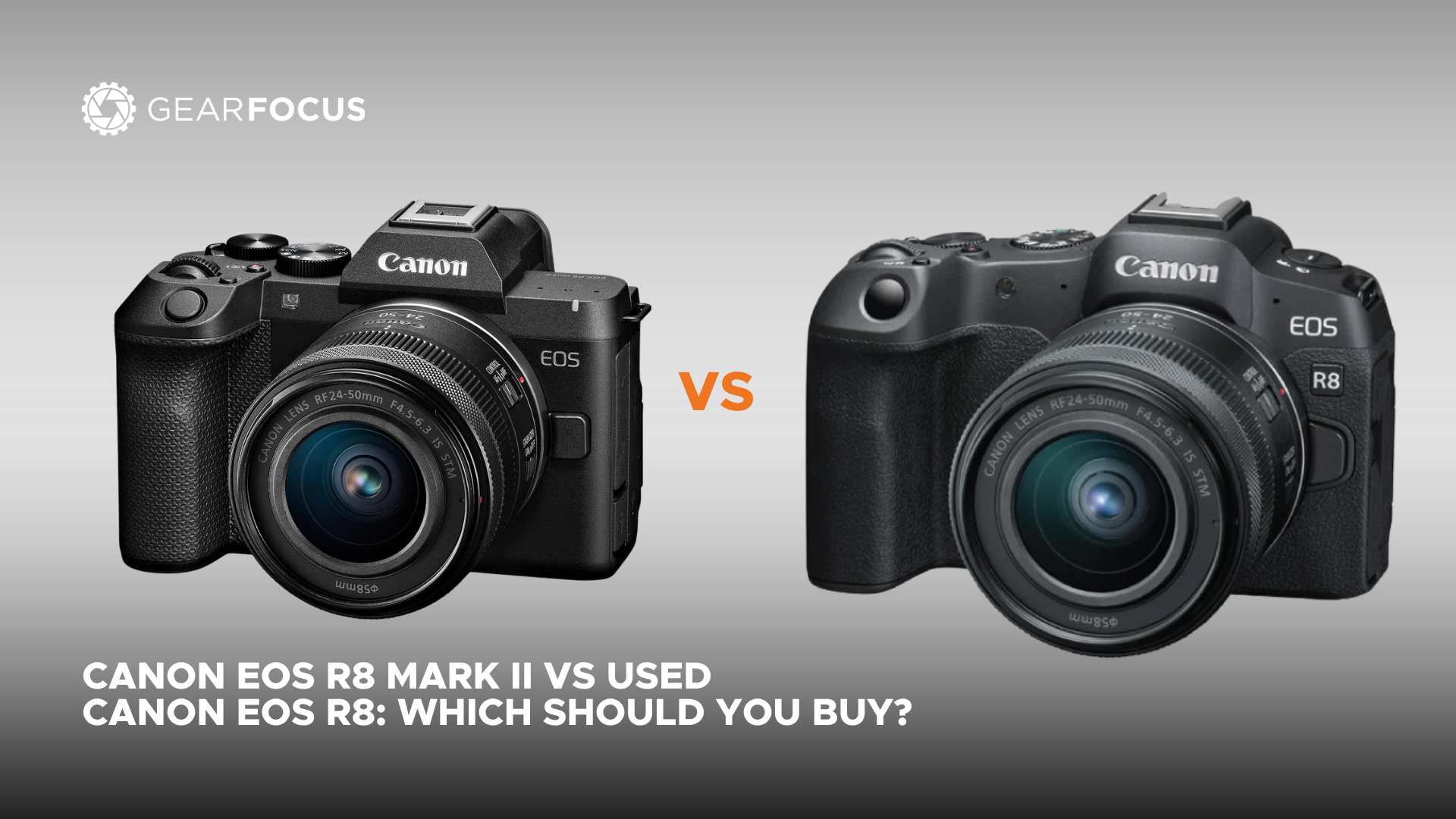
Here’s the decision actually on the table this September 2026: Canon EOS R8 Mark II vs R8, new versus used, with a freshly announced successor sitting next to a camera that suddenly looks like a bargain. Canon has launched the EOS R8 Mark II with a redesigned compact body, lightest-weight full-frame status, and in-body image stabilization. Which means the original is about to get cheaper.
That’s the whole tension. One camera has the feature the original was criticized for missing. The other has a price that’s about to get more interesting as owners trade up and flood the secondhand market.
I’ve been through this cycle enough times to know the trap. The successor announcement makes the older body feel obsolete overnight, and it isn’t. The sensor didn’t change. The autofocus didn’t stop working. Only the marketing changed.
Canon EOS R8 Mark II vs R8: The Comparison Table
| Feature | Canon EOS R8 (used) | Canon EOS R8 Mark II (new) |
|---|---|---|
| Sensor | 24MP full-frame | Full-frame, successor generation |
| Processor | DIGIC X | Canon’s current generation |
| In-body stabilization | None (digital/electronic IS only) | Yes, in-body image stabilization |
| Autofocus points | 4897 | Successor generation system |
| Burst rate | Up to 40fps | Successor generation |
| Video | 4K up to 180fps, 10-bit, Canon Log 3 and HDR PQ | Successor generation |
| Card slots | Single SD/SDHC/SDXC | Not confirmed in available data |
| Battery (rated) | ~370 shots LCD / ~220 EVF | Not confirmed in available data |
| Body | Compact full-frame | Redesigned, lightest-weight full-frame |
Original R8 figures come from GearFocus GearMaster data. Mark II rows stay deliberately thin because confirmed specs beyond the redesigned body, weight claim, and IBIS aren’t available yet. Anyone filling those cells with numbers right now is guessing, and a guessed spec is worse than a blank.
Worth browsing the used Canon EOS R8 listings on GearFocus before the Mark II hype fully settles, because that’s usually when the pricing gets interesting.
What the Original Canon EOS R8 Actually Delivers
Strip away the successor news and look at the camera itself. The Canon EOS R8 is a full-frame mirrorless built around a 24MP sensor and the DIGIC X image processor, with a native ISO range running from 100 all the way to 102400. That’s genuine flexibility across lighting conditions most shooters will ever meet.
The autofocus is the headline. Phase Detection, Dual Pixel AF, Eye Detection, and AI-based subject tracking spread across 4897 focus points. At this tier, that’s a serious capability set, not a marketing rounding-up of a modest system.
Burst shooting reaches up to 40fps. Full-frame sensor, forty frames per second. Read that twice, because it reframes what “entry-level full-frame” is supposed to mean.
Video is where the original gets genuinely underrated in the Canon EOS R8 Mark II vs R8 debate. 4K at up to 180fps with 10-bit color depth, plus Canon Log 3 and HDR PQ profiles built in. That’s a real grading pipeline on a body that was never marketed as a cinema tool.
Strengths and Limitations of the Used Body
Strengths:
- Autofocus depth: 4897 points with Dual Pixel AF, Eye Detection, and AI subject tracking.
- Burst speed: Up to 40fps for fast-moving subjects on a full-frame sensor.
- Video ceiling: 4K at up to 180fps, 10-bit color, Canon Log 3 and HDR PQ.
- ISO headroom: 100 to 102400 native.
Limitations:
- No in-body optical stabilization. Digital and electronic IS only. This is the gap the Mark II exists to close.
- Single card slot. SD/SDHC/SDXC only, which rules it out as a primary body for work where a corrupted card ends the job.
- Battery life. Roughly 370 shots on the LCD, about 220 through the electronic viewfinder.
- External flash only. Canon E-TTL, no built-in unit.
Those limitations aren’t dealbreakers so much as planning constraints. I shot a full day of portraits on a single-slot body once without thinking about it, and spent the drive home doing the math on what would have happened if that card had failed. Never again. Now I offload between setups whether the camera has two slots or one.
Does the Canon EOS R8 Mark II vs R8 Gap Come Down to IBIS?
Mostly, yes. And that’s a bigger deal for some shooters than others.
If the work is handheld video, run-and-gun, low-light events, or anything shot while walking, in-body stabilization changes the hit rate. It buys shutter speed. It smooths footage that would otherwise need stabilization in post, which crops the frame and softens the image.
If the work is tripod-mounted, flash-lit, studio, or shot with stabilized RF glass already, the IBIS advantage shrinks toward negligible. Optical stabilization in the lens has been solving this problem for years. A stabilized RF 24-105mm on the original body gets a lot of the way there.
So the honest framing of the Canon EOS R8 Mark II vs R8 question isn’t “which camera is better.” It’s “does the way I actually shoot need IBIS enough to pay the new-camera premium for it.” Most buyers answer that too fast, in the direction of the new thing.
How Successor Launches Move Used Prices
This is the part worth understanding before deciding anything in the Canon EOS R8 Mark II vs R8 comparison.
When a successor lands, two things happen on the used market. Owners who want the new body list their old one, which pushes supply up. And buyers who were considering the older model start waiting for the new one, which softens demand. Supply up, demand down, prices drift lower.
That drift isn’t instant and it isn’t a cliff. It plays out over months as upgrade orders ship and trade-ins clear. The Canon EOS R8 Mark II vs R8 pricing gap usually gets widest a few months after launch, not on announcement day.
Seasonality layers on top. Gifting season tightens supply as buyers absorb inventory through November and December, so the softest used pricing on a body like this tends to arrive in the quieter stretch before that demand builds. We’re in that stretch right now.
I’m not going to predict a number. Nobody honestly can. But the pattern is consistent enough that “wait a beat, watch listings, buy when supply peaks” is better advice than “buy the moment the successor is announced.”
Which Should You Buy? Canon EOS R8 Mark II vs R8 by Shooter Type
Handheld video and gimbal-free run-and-gun: Mark II. The IBIS is the whole point and it’s not a small upgrade for this use case. In the Canon EOS R8 Mark II vs R8 split, this is the clearest verdict on the board.
Travel and street: Leaning Mark II if weight matters most, given the lightest-weight full-frame positioning. But the original is already compact full-frame, and GearMaster data lists travel as a core use case for it. The used R8 is a strong pick here if the savings fund a lens.
Portraits, studio, flash work: Used R8, comfortably. Stabilization does nothing for you at 1/200 with strobes. The 24MP sensor and 4897-point Eye Detection AF are doing the actual work.
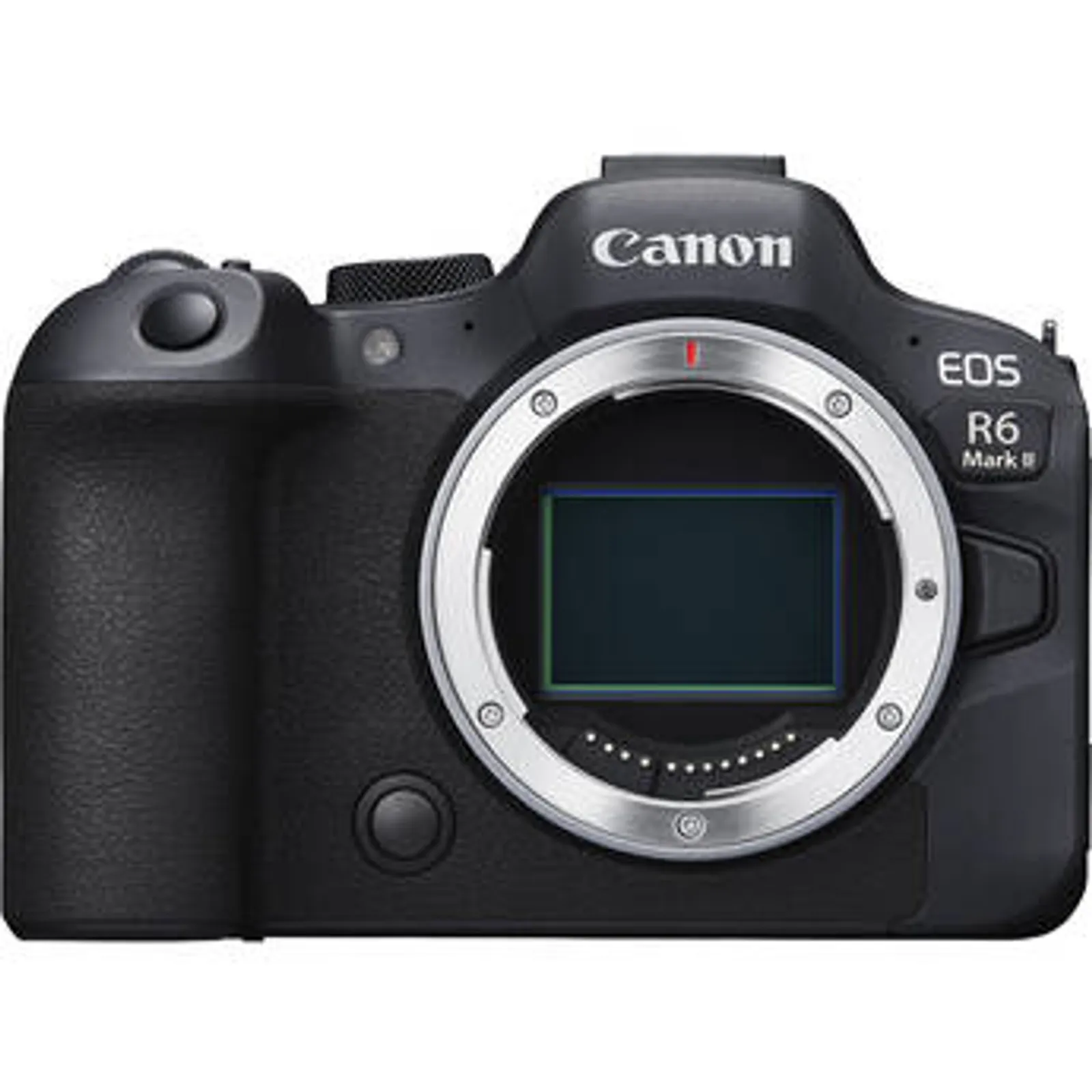
Sports and wildlife on a budget: Used R8 for the 40fps burst, with the caveat that neither of these is the right tool if you need dual slots and all-day battery. GearMaster lists sports and wildlife as use cases for the Canon EOS R6 Mark II, which is the more serious answer to that brief.
First full-frame body: Used R8. Spend the difference on glass. Nobody ever regretted that trade.
If the used route makes sense, the Canon EOS R8 GearMaster page is the place to start; listings come up regularly as this upgrade cycle plays out.
The Upgrade Path Nobody Mentions
Here’s a wrinkle the Canon EOS R8 Mark II vs R8 framing tends to hide. Those aren’t the only two options.
The Canon EOS R6 Mark II occupies the tier above and, per GearFocus GearMaster data, is built for sports, wildlife, astrophotography, travel, and studio work. It’s been on the used market long enough that its own pricing has settled. For a shooter who needs stabilization and dual slots and better battery endurance, the used R6 Mark II may make more sense than either side of the R8 comparison.
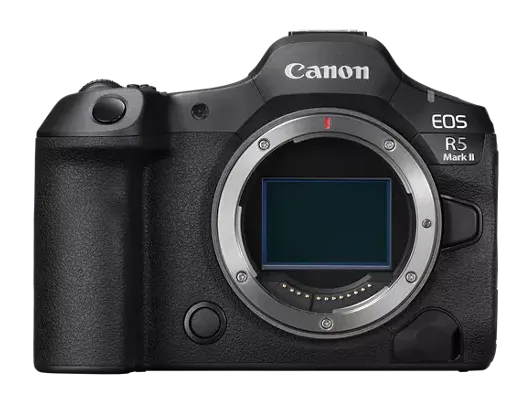
Same logic further up. The Canon EOS R5 Mark II is a different class of tool entirely, and our Canon EOS R5 used buying guide walks through what to check and what to pay if that’s where the budget stretches.
We ran essentially this same analysis on the generation above in Canon R6 vs R6 Mark II used, and the conclusion rhymed: the successor’s headline feature only matters if you actually use it.
What to Check When Buying the Original R8 Used
If the Canon EOS R8 Mark II vs R8 math lands on used, shop it properly.
Shutter count first. I ignored it on my first used body and it died mid-job less than a year later, which was an expensive lesson in reading listing details carefully. Ask for the number if it isn’t posted.
Then the card slot. Single-slot cameras get one slot’s worth of wear and it all lands in the same place. Ask whether the seller has had any read or write failures.
Battery condition next, because the rating is modest to begin with. At roughly 370 shots on the LCD and 220 through the EVF, a degraded cell turns a workable day into a frustrating one. Budget for a spare regardless.
Check the sensor for marks, confirm the firmware version, and read the return terms. Every GearFocus purchase carries a 48-hour verification window after delivery, and if the item isn’t as described, the return costs you nothing and the seller covers return shipping. Some sellers offer a 14-day no-questions-asked window on top of that, but it isn’t platform-wide, so read the listing.
Our comprehensive Canon EOS R8 review goes deeper on the body itself, and if you’re cross-shopping outside Canon entirely, the Nikon Z8 vs Canon EOS R5 Mark II used-market comparison covers the flagship tier.
Selling Your Original R8 Into This Cycle
Flip side of the Canon EOS R8 Mark II vs R8 question: you already own the original and the Mark II is calling.
Sell early in the cycle if you’re going to sell. Supply hasn’t peaked yet. Every week you wait, more upgraded bodies land on the market alongside yours.
List honestly. Shutter count, cosmetic condition, what’s in the box. Buyers on a marketplace built for photographers know what to ask and reward sellers who answer before being asked. Sellers keep 91.5% of the sale price on GearFocus, an 8.5% total fee, which is meaningfully more than generalist marketplaces leave you with.
If you’re upgrading, listing your old body on GearFocus takes minutes, and buyers are actively searching for exactly this camera right now.
BOTTOM LINE
- Buy the Mark II if: you shoot handheld video or low-light events and in-body stabilization changes your keeper rate.
- Buy the used R8 if: you shoot tripod, flash, studio, or with stabilized glass, and would rather put the savings into a lens.
- Look one tier up if: you need dual card slots and longer battery life, which neither R8 generation fully solves.
- Timing: used supply typically peaks a few months after a successor launch, then tightens through gifting season.
- Always check: shutter count, battery health, card slot history, and the seller’s return terms.
The Canon EOS R8 Mark II vs R8 choice really does come down to one honest question about your own work, and it isn’t which camera has more features. It’s whether in-body stabilization solves a problem you actually have. If it does, the Mark II earns the premium. If it doesn’t, the original is a 24MP full-frame body with 4897 autofocus points and 40fps burst that just got less expensive because something newer arrived. That’s not a compromise. That’s timing working in your favor, and the Canon EOS R8 Mark II vs R8 comparison rewards whoever reads the market honestly instead of reflexively.
FAQ
Is the Canon EOS R8 Mark II worth the upgrade over the original R8?
Only if you shoot handheld. The Mark II adds in-body image stabilization and a lighter redesigned body. For tripod, studio, or flash work, the original R8’s 24MP sensor and autofocus deliver nearly identical results.
Does the original Canon EOS R8 have in-body image stabilization?
No. Per GearFocus GearMaster data, the original Canon EOS R8 offers digital and electronic IS only, with no in-body optical stabilization. Stabilized RF lenses close part of that gap for many shooting situations.
Will used Canon EOS R8 prices drop after the Mark II launch?
Successor launches typically increase used supply as owners upgrade, which softens resale pricing over the following months. The exact movement depends on how quickly Mark II orders ship and trade-ins clear.
How many shots does the Canon EOS R8 battery last?
Approximately 370 shots using the rear LCD and roughly 220 through the electronic viewfinder, per GearMaster data. Carrying at least one spare battery is standard practice for any full day of shooting.
Can the original Canon EOS R8 shoot professional video?
It records 4K at up to 180fps with 10-bit color depth, plus Canon Log 3 and HDR PQ profiles. The single card slot limits redundancy, which matters for paid work where footage loss is unacceptable.
Own one like this?
Make room for new gear in minutes.
