- Buyer protection on every order
Canon PowerShot G9 Buying Guide: Why This Used Compact Camera Costs 5x More
Ysa Canlas
Oct 28, 2026
KEY TAKEAWAYS
- The short answer: This Canon PowerShot G9 buying guide exists because a 12MP compact from 2007 is reportedly worth roughly five times what it fetched three years ago. Buy one for the look and the hot shoe, not the specs, and refuse to pay hype-cycle money for a body with a scratched lens barrel.
- What you’re actually getting: A 12MP, 1/1.7-inch sensor, DIGIC III processing, ISO 80 to 1600, 9-point contrast detection AF with face detection, and optical image stabilization, per GearFocus GearMaster data.
- The standout feature: A standard ISO hot shoe on a compact body. Off-camera flash from a pocket camera is rare and it is the single best reason to want this thing.
- The hard limits: No weather sealing at all, a fixed 230,000-dot LCD, and 1.1fps burst shooting. None of that is fixable with a firmware update in 2026.
- How to not overpay: Check the lens barrel extension, the CCD for dust, the battery door, and the SD slot before anything else. Condition spread on vintage compacts is enormous right now, and the price spread hasn’t caught up.
A nearly 20-year-old Canon compact is now worth about five times what it was three years ago, according to Digital Camera World. That camera is a 12MP point-and-shoot. The spec sheet has not improved. Nothing about the hardware changed. The only thing that changed is us.
So here’s a Canon PowerShot G9 buying guide written for that reality, not for 2007. Because buying this camera today is less about whether it’s good and more about whether you’re walking into a seller’s market with your eyes open.
I’ll be honest about my own bias up front. I dismissed the vintage compact thing for about two years. Thought it was a phase, thought the images looked like phone photos with worse autofocus, and said so out loud more than once. Then I handled one, shot a weekend with it, and understood the appeal immediately. Being wrong in public is character-building, apparently.
Why This Canon PowerShot G9 Buying Guide Matters Right Now
The vintage digital compact surge isn’t nostalgia for its own sake. It’s a specific aesthetic hunger. Small sensors from the mid-2000s render highlights, grain, and color in a way that modern computational photography actively works to eliminate. People want the artifact back.
The Canon PowerShot G9 sits at the premium end of that era. It wasn’t a cheap drugstore camera. It was Canon’s enthusiast compact, built for people who already owned a DSLR and wanted something pocketable that didn’t insult them. That pedigree is exactly why it got swept up in the price spike while lesser compacts stayed cheap.
Any honest Canon PowerShot G9 buying guide has to acknowledge the uncomfortable part: you are buying into a trend at the top of its visibility. That doesn’t make it a bad purchase. It makes it a purchase you should make deliberately.
What the Canon PowerShot G9 Actually Is, Spec by Spec
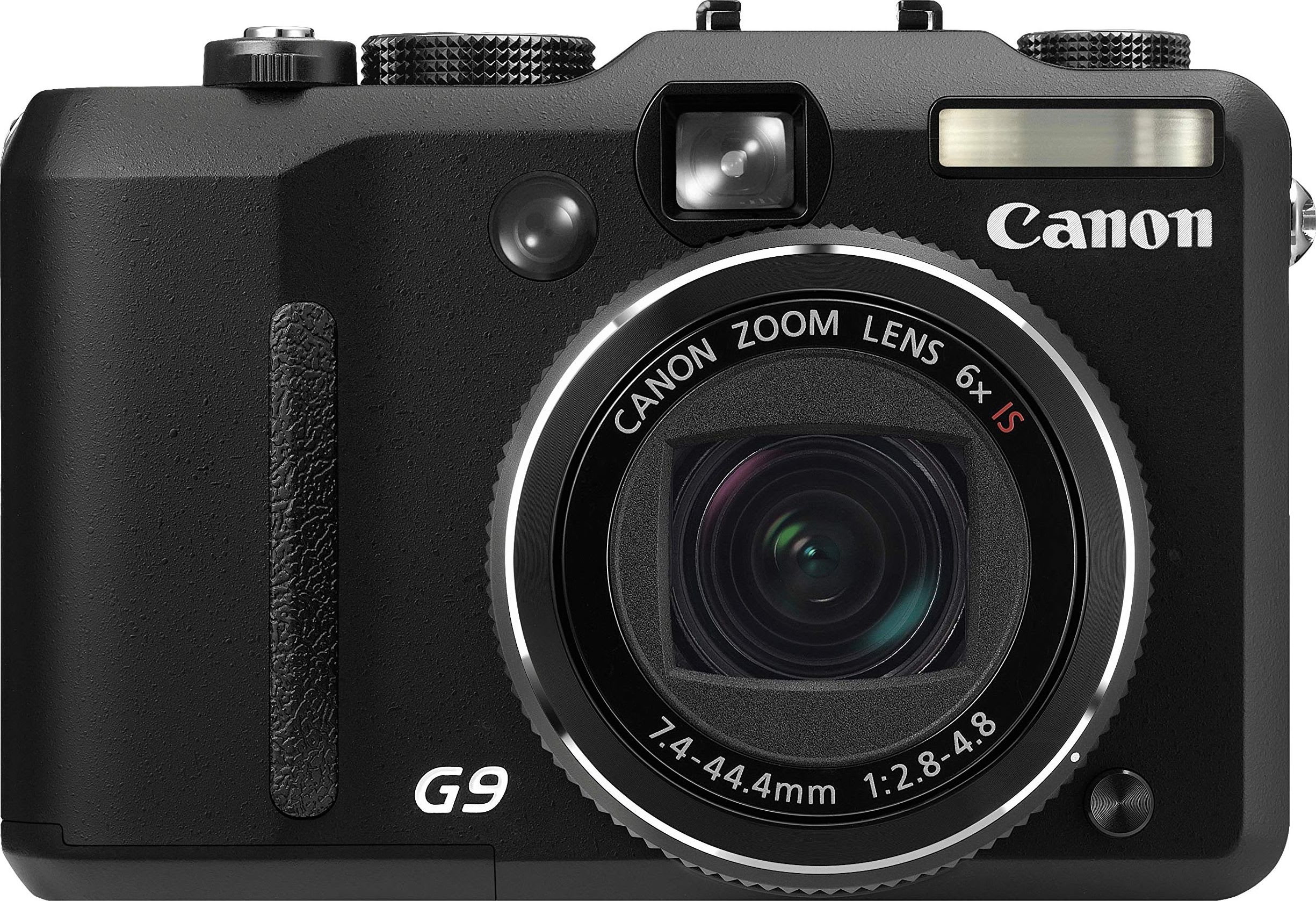
According to GearFocus GearMaster data, the Canon PowerShot G9 is built around a 12MP, 1/1.7-inch sensor driven by Canon’s DIGIC III image processor. ISO runs from 80 to 1600. Autofocus is contrast detection with 9 focus points and face detection. Optical image stabilization is on board, which means shake reduction without a digital crop penalty.
Composition happens through either a 3.0-inch LCD or an optical viewfinder. Storage is SD/SDHC. Flash is a built-in pop-up unit backed by a standard ISO hot shoe.
Let me put the headline numbers in one place, because a Canon PowerShot G9 buying guide that buries the specs in prose isn’t doing its job.
| Spec | Canon PowerShot G9 | Canon PowerShot G6 |
|---|---|---|
| Sensor | 12MP, 1/1.7-inch | 7MP, 1/1.8-inch |
| Processor | DIGIC III | Not specified |
| Max ISO | 1600 | 400 |
| Image stabilization | Optical (OIS) | None |
| Autofocus | Contrast detection, 9 points, face detection | Contrast detection |
| LCD | 3.0-inch, 230,000 dots, fixed | 2.0-inch TFT, 118,000 dots |
| Viewfinder | Optical | Optical |
| Hot shoe | Standard ISO | Yes |
| Max resolution | 12MP | 3072×2304 |
| Weather sealing | None | None |
| Burst | 1.1fps | Not specified |
| Storage | SD/SDHC | SD |
Used Canon PowerShot G9 bodies come up on GearFocus regularly, and the Canon PowerShot G9 GearMaster page is where the verified spec data above lives if you want to cross-check anything before you commit.
How Much Should You Pay for a Used Canon PowerShot G9?
Here’s where a Canon PowerShot G9 buying guide earns its keep, and also where it has to be careful. The specific used prices on this camera move week to week right now, which is exactly what happens when demand outruns a fixed supply of 19-year-old hardware.
What the reporting establishes is the direction and magnitude: roughly a fivefold increase against where this camera sat three years ago. That’s not gentle appreciation. That’s a market repricing an object because a lot of people decided they wanted it at the same time.
So the practical advice in this Canon PowerShot G9 buying guide isn’t a dollar figure. It’s a method. Check the current asking range across multiple listings before you commit to any single one, and weight those listings by condition rather than by who posted first.
Vintage compacts have a brutal condition spread. A clean body with an unscratched lens barrel and a working battery door is a genuinely different product from a beaten one, even though both will be described as “used, works great.” Price accordingly, and walk away from anything where the asking price treats those two as equivalent.
One more timing note, since it’s late October 2026. Gift season tightens supply on anything that photographs well in a product shot, and vintage compacts photograph beautifully. Used prices on trend-driven gear typically firm up through November and December, then soften in the new year. If you’re not in a hurry, patience is a legitimate strategy.
What to Inspect Before You Buy: The Canon PowerShot G9 Buying Guide Checklist
This is the section I’d actually read if I were you. Specs you can look up. Failure modes you learn the hard way, usually after you’ve already paid.
The lens barrel. Extending compact lenses are the number one failure point on cameras this age. Power the camera on and off several times. Listen for grinding. Watch for hesitation on retraction. A barrel that stutters now will jam permanently later, and on a camera this old that’s usually terminal.
Sensor dust. Shoot a blank wall at the smallest available aperture and inspect the frame at 100%. Small-sensor compacts are sealed units, so dust that got in isn’t coming out without a teardown that costs more than the camera.
The battery door and compartment. Corrosion here means a leaked battery lived in the camera at some point. Green crust is a hard no. Even light discoloration is worth a conversation with the seller.
The SD/SDHC slot. GearMaster data confirms SD/SDHC support, which also means the camera predates SDXC. Test the actual slot with the actual card you plan to use. Bent pins are common on cameras that have been passed around.
The hot shoe. The standard ISO hot shoe is this camera’s best feature. Test it with a flash. A dead contact on a compact body is a repair nobody will quote you a reasonable price on.
The LCD. It’s a fixed 230,000-dot panel, so it’s going to look rough by modern standards no matter what. What you’re checking for is dead pixels, delamination, and pressure marks, not sharpness.
I skipped the barrel test once on a different compact because the seller seemed nice and the photos looked clean. The lens jammed within a month. Nice sellers and clean photos are not a diagnostic. Mentioned that mistake in every guide I write now, partly as penance.
Who Should Actually Buy One in 2026?
The Canon PowerShot G9 is best suited to photographers who want a pocketable second body with character, a real hot shoe, and manual control. It stands out among vintage compacts specifically because of that flash capability, which most cameras in this category simply don’t offer.
It’s also a reasonable fit for travel, which is the use case GearMaster data flags for it. Optical stabilization helps handheld shooting, and the optical viewfinder gives you something to use when bright sun makes the LCD useless.
Consider it less seriously if you shoot anything fast. Burst tops out at 1.1fps. That’s a single frame per second with a rounding error, and no amount of technique compensates for it. Sports, kids, pets, street photography where the moment lasts a quarter second: wrong tool.
Skip it entirely if you need low light. ISO 1600 is the ceiling on a 1/1.7-inch sensor from 2007, and the practical usable range is considerably tighter than that number suggests. Skip it also if your work ever happens in rain, because weather sealing is explicitly listed as none.
The G9 Versus Its Siblings
A good Canon PowerShot G9 buying guide should tell you when a different camera is the better buy. The G-series is deep, and the price spike hasn’t hit every model equally.
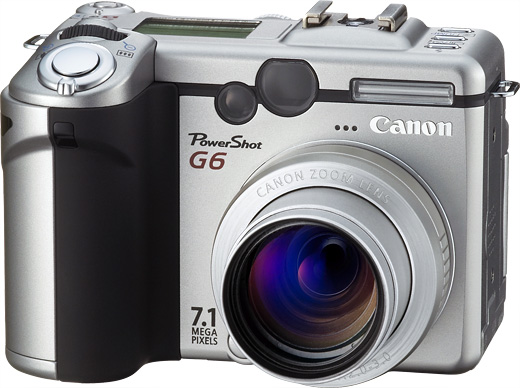
Against the Canon PowerShot G6, the G9 wins on nearly every axis that matters. GearMaster data puts the G6 at 7MP on a 1/1.8-inch sensor with a 400 ISO ceiling, no image stabilization of any kind, and a 2.0-inch, 118,000-dot display. The G6 does retain RAW capture and a hot shoe, so it isn’t useless, but it’s an older-feeling camera in every respect.
The flip side: the G6 may be cheaper precisely because it’s less fashionable. If you want the era’s look and don’t need the stabilization, it’s a legitimate budget route into the same aesthetic.
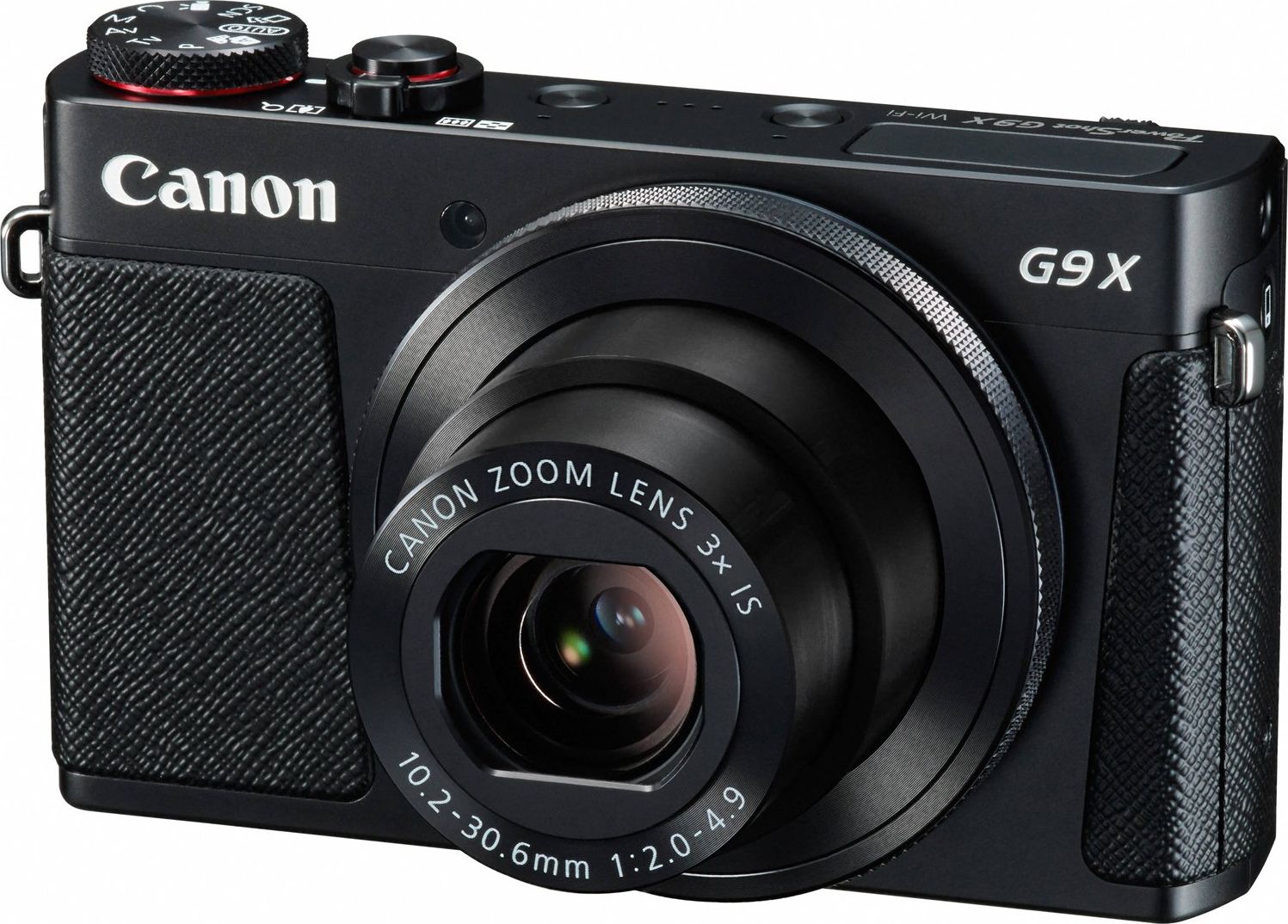
Then there’s the Canon PowerShot G9 X, which despite the similar name is an entirely different and much newer camera. Name confusion is real on the used market. Read the listing title twice.
If you want the modern interpretation of this idea instead of the vintage one, our breakdown of the Canon PowerShot G7 X Mark II and why legacy cameras still matter covers that ground. And the broader context on why Canon compacts are booming and what it means for used prices explains the macro forces behind every number in this Canon PowerShot G9 buying guide.
How Do You Avoid Overpaying During a Price Spike?
Four rules, and every Canon PowerShot G9 buying guide worth reading should include something like them.
One: never buy the first listing you see. Trend-driven markets produce enormous price variance because sellers price off different reference points. Some are pricing off last year’s data. Some are pricing off a viral video. Survey before you commit.
Two: pay for condition, not for the trend. The premium you’re being asked to pay is a demand premium, not a quality premium. A rough body doesn’t deserve it. A pristine one with the original battery, charger, and strap arguably does.
Three: factor in what you’ll spend afterward. Original batteries this age are often tired. Budget for a replacement. If you want the hot shoe to earn its keep, budget for a flash too. The camera’s price is not the kit’s price.
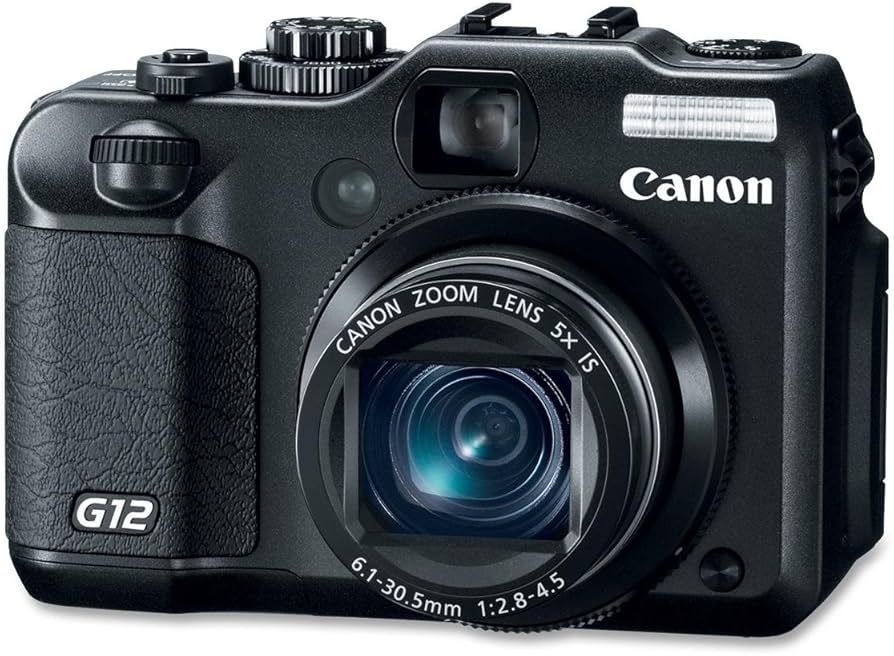
Four: know your exit. Trend premiums can deflate. If you’d be upset selling at half what you paid, you’re paying too much. If you’d shoot it happily either way, you’re fine. Related: our guide to checking shutter count on the Canon PowerShot G12 covers verification habits that transfer directly to the G9.
Buying from a verified seller matters more than usual on gear this old. GearFocus verifies seller identities, every purchase carries a 48-hour verification window after delivery, and if the camera isn’t as described the return costs you nothing. On a 19-year-old compact bought sight unseen, that window is the whole ballgame.
A Canon PowerShot G9 Buying Guide to the Hot Shoe Advantage
I want to spend real words here, because it’s the thing most coverage skips.
Per GearMaster data, the Canon PowerShot G9 carries a standard ISO hot shoe alongside its built-in pop-up flash. That means off-camera flash from a camera that fits in a jacket pocket. Trigger a speedlight, bounce it, gel it, put it on a stand across the room.
That capability transforms what this camera is for. A vintage compact with on-board flash only is a snapshot machine. A vintage compact with real lighting control is a small, discreet, genuinely capable portrait tool that happens to render like 2007.
Event shooters figure this out eventually: the body matters less than the light. A G9 with a well-placed flash makes better pictures than a modern compact with its pop-up firing straight ahead. Any Canon PowerShot G9 buying guide that treats the hot shoe as a footnote is missing the point of the camera.
Living With the Limitations
Three constraints, honestly stated.
1.1fps burst. You get one frame per second. The workaround is anticipation rather than spray. Shoot like you’re on film, time the moment, accept you’ll miss some.
The 230,000-dot fixed LCD. It’s low resolution and it doesn’t articulate. Use the optical viewfinder in bright light and stop chimping. Honestly, shooting without constant review is good for you.
No weather sealing. None. Not light sealing, not splash resistance. A plastic bag and a towel in your bag is the entire mitigation strategy, and you should take it seriously on a camera that can’t be replaced off a shelf.
BOTTOM LINE
- Buy it for: The hot shoe, the optical viewfinder, the 1/1.7-inch rendering, and pocketable manual control.
- Don’t buy it for: Low light, fast action, bad weather, or screen quality.
- Inspect first: Lens barrel extension, sensor dust, battery compartment corrosion, SD slot pins, hot shoe contacts.
- Price discipline: Survey multiple listings, pay for condition rather than trend, budget for a battery and a flash.
- Timing: Supply on trend gear tightens through gift season and loosens afterward.
- Protection: Verified sellers plus the 48-hour post-delivery verification window matter more on 19-year-old gear than on anything modern.
The honest closing thought for this Canon PowerShot G9 buying guide: you are not buying a better camera than your phone. You’re buying a different one, with a specific look, a real hot shoe, and physical controls. That’s a legitimate reason to spend money, as long as you spend it clearly. Inspect the barrel, check the battery door, survey the range, and don’t let a trend convince you that condition stopped mattering. Used G9 bodies come up on GearFocus steadily, and if you’ve got one sitting in a drawer, buyers are actively searching for it right now.
FAQ
Is the Canon PowerShot G9 still worth buying in 2026?
Yes, if you want its specific look and the standard ISO hot shoe. It’s a 12MP, 1/1.7-inch sensor camera with optical stabilization. Buy for character and flash capability, not for technical performance against modern compacts.
Why has the Canon PowerShot G9 price increased so much?
Digital Camera World reports this roughly 20-year-old 12MP Canon compact is worth about five times its value from three years ago, driven by surging demand for vintage digital compacts against a fixed, aging supply.
What should I check before buying a used Canon PowerShot G9?
Test lens barrel extension and retraction repeatedly, check for sensor dust against a blank wall, inspect the battery compartment for corrosion, verify the SD/SDHC slot with your own card, and confirm the hot shoe fires a flash.
How does the Canon PowerShot G9 compare to the G6?
The G9 offers 12MP versus 7MP, ISO 1600 versus 400, optical stabilization versus none, and a 3.0-inch 230,000-dot screen versus a 2.0-inch 118,000-dot panel, per GearFocus GearMaster data.
Does the Canon PowerShot G9 shoot RAW and support external flash?
It supports external flash through a standard ISO hot shoe alongside its built-in pop-up unit, which is rare for a compact of this class and the strongest single argument for choosing it.
Is the Canon PowerShot G9 good for action photography?
No. Burst shooting tops out at 1.1fps, roughly one frame per second. Combined with 9-point contrast detection autofocus, it’s poorly suited to sports, wildlife, or fast-moving subjects of any kind.
Own one like this?
Make room for new gear in minutes.
