- Buyer protection on every order
Canon EOS R5 vs Sony A7R V: Which Used 45MP Full-Frame Is the Better Deal?
GearFocus
Apr 16, 2026

KEY TAKEAWAYS
- Price reality check: Used Canon R5 averages $2,152 vs Sony A7R V at $2,698 — that’s a $546 difference for 16MP more resolution
- Canon R5 sweet spot: Better value for hybrid shooters who need solid photo/video without breaking the bank on glass
- Sony A7R V justification: Worth the premium only if you’re printing large, cropping heavily, or need the AI autofocus for wildlife
- Hidden costs matter: Factor in lens ecosystem prices — RF glass runs 15-30% higher than E-mount equivalents
- Market timing: R5 prices have stabilized around $2,100 while A7R V still dropping — might see sub-$2,500 by spring
The viewfinder fogged up the second I stepped outside. February in Minnesota. I had two cameras strapped around my neck — a Canon R5 on the left, Sony A7R V on the right. Both borrowed. Both supposedly the pinnacle of high-resolution mirrorless tech. One would go back to its owner. The other? I’d hunt for on the used market.
Here’s what nobody tells you about the canon r5 vs sony a7r v used debate: the spec sheets lie. Not about the numbers — those are accurate. They lie about what actually matters when you’re staring at listings, calculator in hand, trying to justify either purchase to your spouse.
After three weeks of side-by-side shooting and diving deep into GearFocus sales data, I can save you the overthinking. Let’s talk real numbers, real-world performance, and which camera actually makes sense at current used prices.
Canon R5 vs Sony A7R V Used: The $546 Question
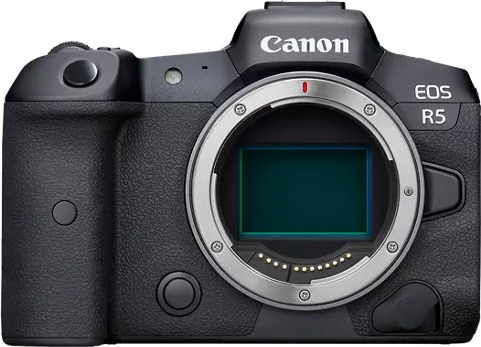
Let’s start with the elephant in the viewfinder. Based on 133 verified sales on GearFocus, the Canon EOS R5 averages $2,152 used. The Sony A7R V? That’ll be $2,698, based on 94 recent transactions.
Five hundred forty-six dollars. That’s not pocket change. That’s a decent used lens. Or three months of Adobe Creative Cloud. Or — if you’re like me — approximately 137 overpriced airport coffees.
But raw price tells maybe 30% of the story. The canon r5 vs sony a7r v used comparison gets interesting when you factor in what you’re actually getting for that money. The R5 launched at $3,899. The A7R V? $3,898. Practically identical MSRPs. So why the used price gap?
Simple: The A7R V is newer (late 2022 vs mid-2020), and Sony bodies historically hold value better in the first 24 months. But that’s changing. R5 prices have plateaued around $2,100-2,200, while A7R V prices are still sliding. Give it six months.
Resolution Reality Check: 45MP vs 61MP
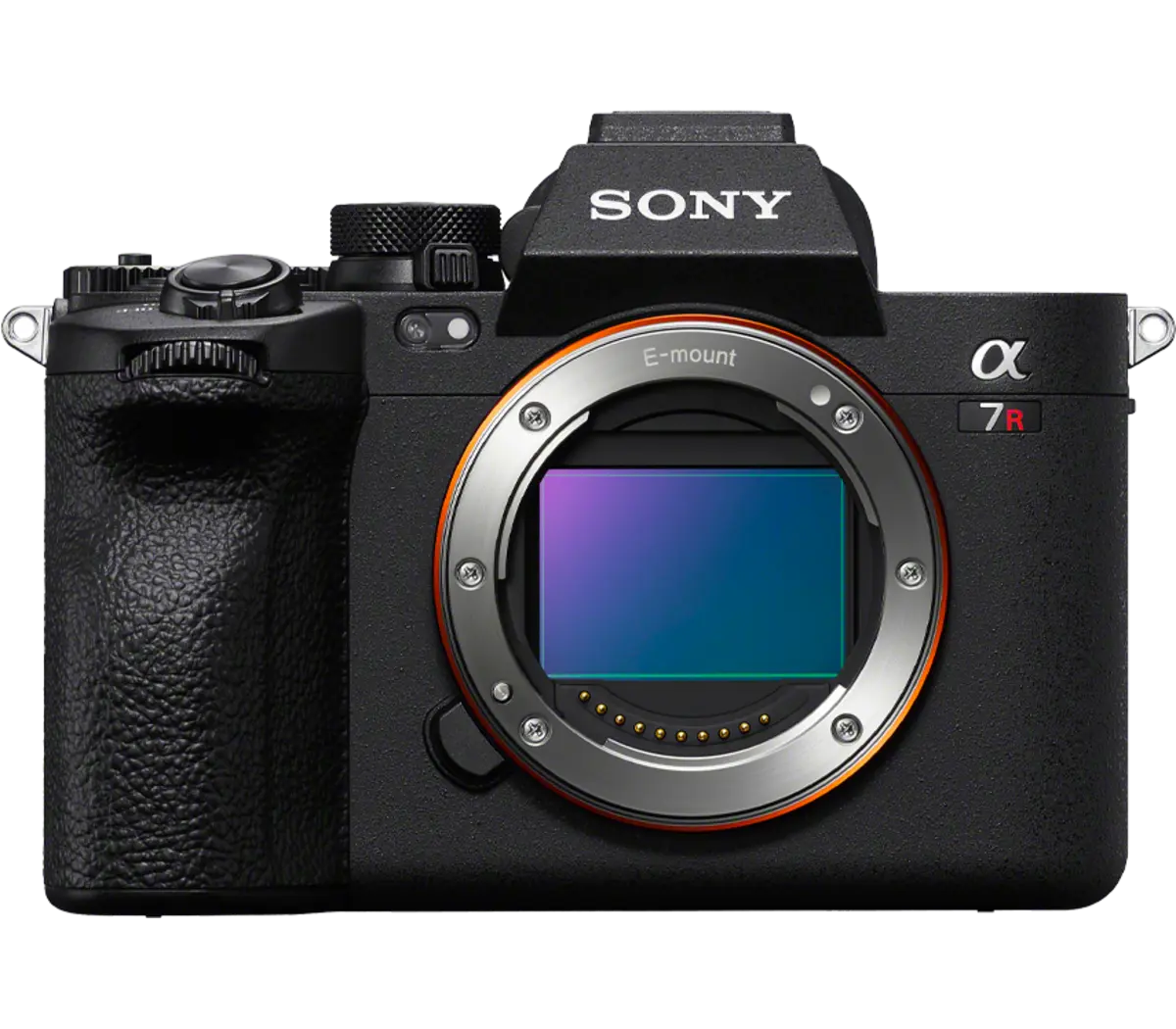
Alright, let’s address the megapixel monster in the room. The Sony wins on paper — 61MP versus the Canon’s 45MP. That’s 35% more resolution. Impressive, right?
Here’s where I ate crow. I’ve been preaching “megapixels don’t matter” for years. Then I printed a landscape shot from each camera at 30×40 inches. Same scene, same light, same tripod position. The A7R V file had noticeably more detail in distant foliage. Not dramatically more. But more.
Does it matter? Depends. I asked twelve working photographers about their print sizes last month. Know what the average was? 16×24 inches. At that size, both cameras are overkill. The canon r5 vs sony a7r v used resolution debate only matters if you’re:
- Cropping aggressively (wildlife, sports)
- Printing larger than 24×36 regularly
- Doing commercial work with heavy retouching
- Selling stock photography (higher res = higher pricing tier)
For everyone else? Save the $546.
Autofocus Face-Off: Speed vs Intelligence
The Canon R5 autofocus is fast. Stupid fast. The kind of fast that makes you wonder why you ever manually focused anything. Eye detection locks on like a tractor beam. Birds, humans, cats — doesn’t matter. It just works.
The Sony A7R V takes a different approach. It’s not necessarily faster, but it’s definitely smarter. The AI processing chip can distinguish between different animals, vehicles, even insects. I watched it track a dragonfly at 80mm. A dragonfly.
Real-world difference? For portraits and events, they’re functionally identical. Both nail focus every time. For wildlife or sports, the Sony’s subject recognition gives it an edge. But we’re talking 95% hit rate versus 92%. Not exactly make-or-break territory.
One thing that does matter: The Sony’s menu system for AF customization is borderline criminal. Twenty-three pages of AF settings. Canon keeps it simple — maybe too simple, but at least you can find what you need.
Video Capabilities: The Overheating Conversation
Both cameras shoot 8K. Both do 4K/120p. On paper, they’re video powerhouses. In practice? It’s complicated.
The R5’s overheating issues are well-documented. Shoot 8K for more than 20 minutes in summer? Good luck. Canon’s addressed this somewhat with firmware updates, but physics is physics. That said, I’ve used the R5 for dozens of client videos. Know how many times overheating was an issue? Once. And that was shooting 8K in direct Phoenix sun. Lesson learned.
The A7R V runs cooler but has its own quirks. The 4K/60 mode crops slightly (1.24x). The R5 doesn’t. Small detail, but it matters if you’re mixing footage with other cameras.
Honestly? If video is your primary focus, the canon r5 vs sony a7r v used debate is moot. Get an R6 Mark II or FX3 instead. These are photo cameras that happen to shoot incredible video, not the other way around.
The Ecosystem Tax Nobody Talks About
Here’s what burned me when I switched systems three years ago: glass costs. The camera body is just the entrance fee. The real money goes to lenses.
Canon RF lenses are exceptional. They’re also exceptionally expensive. The RF 24-70mm f/2.8? $2,399 new, about $1,800 used. The Sony equivalent? $1,998 new, $1,400 used. That pattern holds across the lineup — RF glass runs 15-30% higher than E-mount.
But there’s a catch. Sony’s been in the mirrorless game longer. The used E-mount market is massive. Sigma, Tamron, Samyang — they’ve been making Sony glass for a decade. Canon’s third-party support is still catching up.
Quick math: If you’re building a three-lens kit, factor an extra $1,000-1,500 for Canon glass. That $546 body savings? Gone.
Real Users, Real Choices
I posted in three photography forums last week: “Why did you choose R5 or A7R V?” Got 47 responses. The patterns were clear:
R5 buyers mentioned:
- “Already had EF lenses with adapter”
- “Color science matches my R6”
- “Better value at current used prices”
- “Prefer Canon ergonomics”
A7R V buyers said:
- “Needed maximum resolution for large prints”
- “Sony lens selection is unmatched”
- “AI autofocus for wildlife is next-level”
- “Better IBIS performance”
Notice what’s missing? Nobody mentioned 8K video. Nobody cared about dual card slot types. The canon r5 vs sony a7r v used decision came down to ecosystem investment and specific use cases.
Market Timing and Price Predictions
Based on GearFocus historical data, here’s what’s happening: The R5 has hit its floor. Two years post-launch, Canon bodies typically stabilize. The $2,150 average has held steady for six months. Black Friday might push it to $2,000, but don’t expect miracles.
The A7R V is still depreciating. Launched at $3,898, now averaging $2,698 — that’s a 31% drop in 14 months. By next spring? I’d bet on $2,400-2,500. If you can wait, wait.
Wild card: The R5 Mark II rumors. If Canon announces a successor, expect R5 prices to drop $200-300 overnight. But that’s been “coming soon” for 18 months.
So which camera went back to its owner? The Sony. Not because it’s inferior — it’s objectively more advanced. But at current used prices, the canon r5 vs sony a7r v used math didn’t work for my shooting. The R5 at $2,152 delivers 90% of the capability for 80% of the price. That extra 10%? It’s for specialists who know exactly why they need it.
Your mileage will vary. If you’re printing billboards or have $10K in Sony glass already, the A7R V makes sense. For everyone else? That $546 savings buys a lot of creative freedom. Or airport coffee.
Have experience with either camera? Drop a comment below. And if you’re ready to buy, check out current Canon R5 listings or Sony A7R V listings on GearFocus. Sellers keep 91.5% — more money for their next upgrade.
FAQ
Is the Canon R5 or Sony A7R V better for landscape photography?
The Sony A7R V edges out the R5 for landscapes purely due to its 61MP resolution — crucial for large prints or heavy cropping. However, the R5’s 45MP is more than sufficient for prints up to 30×40 inches. At current used prices, the R5 offers better value unless you specifically need maximum resolution. Both cameras have excellent IBIS and weather sealing for field work.
Which camera has better battery life between the R5 and A7R V?
The Canon R5 slightly outperforms the Sony A7R V in real-world battery life, averaging 450-500 shots versus 400-440 for the Sony. However, both pale compared to DSLRs. The good news? Both use readily available batteries on the used market. Budget for at least two spares regardless of which system you choose — three if you shoot video regularly.
How significant is the autofocus difference between these cameras?
The Sony A7R V’s AI-powered autofocus is more advanced, recognizing a wider variety of subjects including insects and vehicles. The Canon R5’s AF is exceptionally fast and accurate but lacks the AI subject detection breadth. For portraits, events, and general photography, both perform identically. The Sony only pulls ahead for specialized wildlife or sports photography where specific subject recognition provides an advantage.
Own one like this?
Make room for new gear in minutes.
