- Buyer protection on every order
Canon Refurbished Restock vs Used: R5 Mark II and RF 200-800mm Price Comparison
Ysa Canlas
Aug 26, 2026
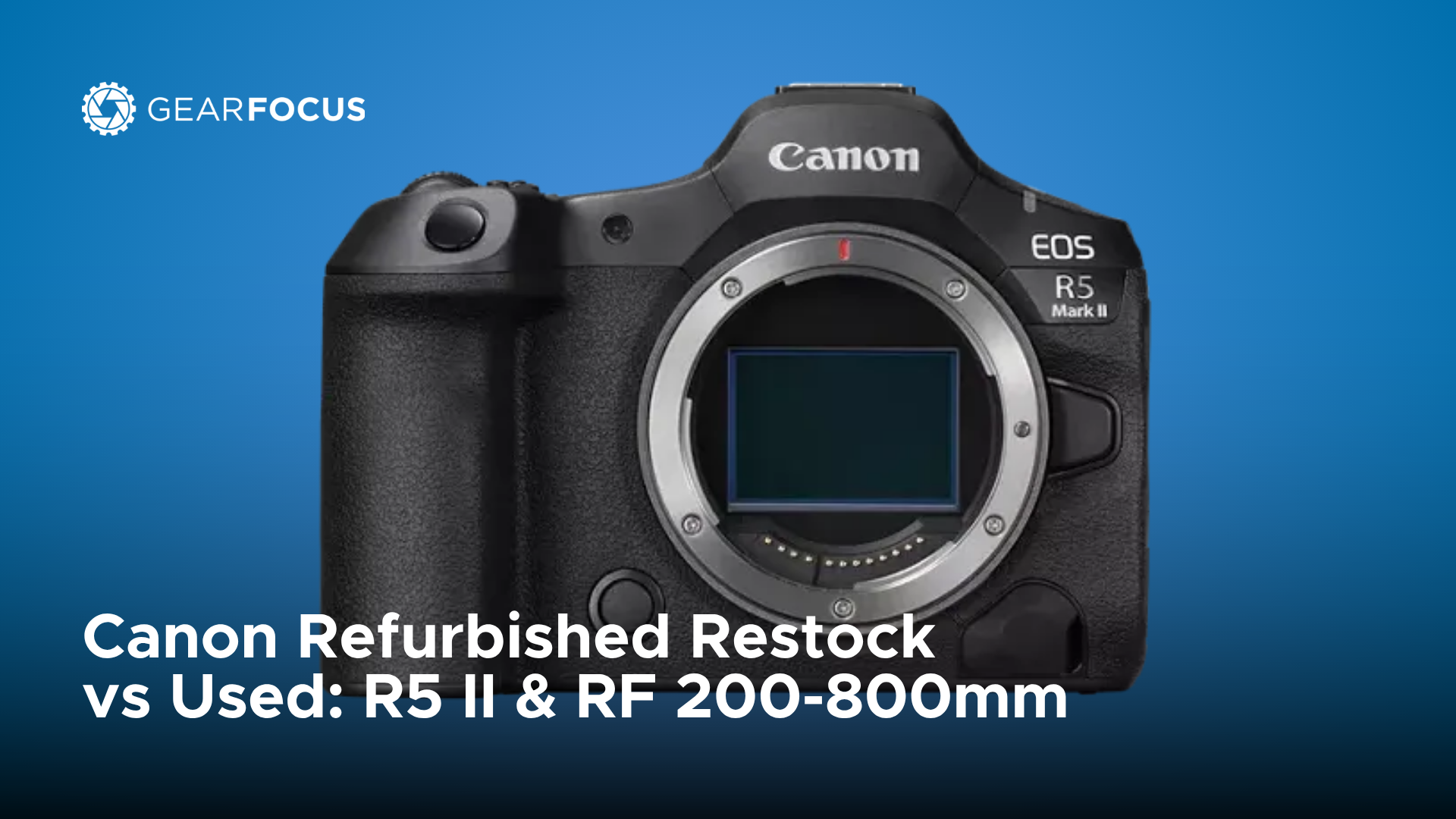
KEY TAKEAWAYS
- The short answer on Canon refurbished vs used: refurbished buys you a factory-checked body with an official warranty at a fixed price, while used buys you a lower price, more configuration choice, and immediate availability. For the R5 Mark II and RF 200-800mm specifically, restocks sell out fast, which puts most buyers back on the used market anyway.
- Availability decides more than price. Canon Rumors reports the refurbished R5 Mark II, RF 200-800mm f/6.3-9, and RF 100-400mm are back in stock, but refurb inventory is intermittent by nature. Used listings are continuous.
- Warranty is the real refurbished advantage, not cosmetics. A used body from a verified seller can arrive in the same physical condition without the paperwork behind it.
- Expect softening, not collapse. When Canon puts official refurbished stock back on the shelf, used asking prices for the same models tend to drift down rather than crash, and the effect fades as the restock clears.
- Sellers should read the calendar. Late August is the front edge of fall wildlife and sports season for the RF 200-800mm. Listing before the autumn rush usually beats waiting out a refurb cycle.
The Decision You’re Actually Making
Here’s the deal. You’ve been watching a Canon EOS R5 Mark II listing for a couple of weeks, or you’ve been telling yourself the RF 200-800mm f/6.3-9 is next year’s purchase, and then Canon USA drops a refurbished restock and suddenly there’s a second door.
Two doors, same room. That’s the whole Canon refurbished vs used question in one sentence.
I’ve done this dance more times than I’d like to admit. Refreshing a refurb page like it owes me money, then buying used three days later because the page said sold out before I finished my coffee. Learned that one the hard way.
The comparison that follows is about tradeoffs that actually change your outcome: warranty coverage, price, availability, condition transparency, and what happens to used prices when official refurbished stock lands.
Canon Refurbished vs Used: The Head-to-Head Table
| Factor | Canon Refurbished | Used Marketplace |
|---|---|---|
| Warranty | Official Canon USA warranty included | Typically none; remaining original warranty occasionally transfers |
| Price position | Fixed discount off new, set by Canon | Set by the seller; generally the lower of the two on the same model |
| Availability | Intermittent restocks that clear quickly | Continuous listings, no waiting for a drop |
| Condition info | Standardized grade, minimal item-specific detail | Item-specific photos, shutter count, accessories, cosmetic notes |
| Configuration choice | Whatever Canon has that day | Kits, extra batteries, cages, filters, bundles |
| Buyer protection | Manufacturer return terms | GearFocus: 48-hour verification after delivery, free return if not as described |
What Canon’s Refurbished Program Actually Gives You
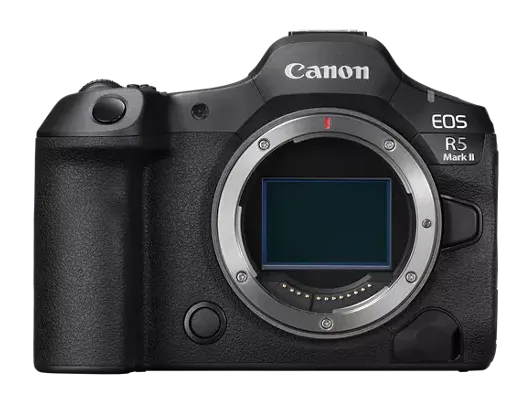
Canon Rumors reported that Canon USA restocked refurbished R5 Mark II bodies, the RF 200-800mm f/6.3-9, and the RF 100-400mm. Treat that as unverified reporting rather than an official Canon announcement, but restocks of this shape are a normal part of how Canon moves returned and inspected inventory.
The mechanical value of refurbished is straightforward. A unit goes back to Canon, gets inspected against factory standards, gets whatever it needs replaced, and comes back out with warranty coverage attached. You are buying the paperwork as much as the camera.
For a body like the R5 Mark II, that matters more than it does on a simple prime lens. Stacked sensors, deep processing pipelines, and pre-capture buffering mean more that can go quietly wrong. Warranty coverage on a complex flagship is not nothing.
The catch in every Canon refurbished vs used comparison is the same: you get the grade Canon assigns, not the item history. No shutter count on the listing. No “second owner, always in a padded bag.” Standardized, anonymous, warrantied.
What Used Gives You That Refurbished Can’t
The used market answers a different question. It answers “what exactly am I getting, and can I get it today.”
A used R5 Mark II listing from a verified seller shows you the actual body. Shutter count if the seller lists it, and good sellers do. Cosmetic wear photographed rather than summarized. Whether the original battery is tired. Whether there’s a spare, a cage, an L-bracket, a set of ND filters someone bought and never used.
None of that shows up in a refurbished listing. And on the RF 200-800mm in particular, the bundle question is real, because that lens attracts buyers who also need a monopod, a lens foot upgrade, and a bigger bag.
Availability is the other half. Refurbished stock arrives in waves and disappears. Used listings for high-volume Canon bodies come up on GearFocus constantly, which means the Canon refurbished vs used decision is often decided by what’s actually purchasable on the day you decide to buy.
Canon Refurbished vs Used on the R5 Mark II Specifically
The R5 Mark II sits in an awkward spot for this comparison, and it’s worth being blunt about why.
It’s recent enough that used supply is thinner than it is for the original R5. It’s expensive enough that a warranty carries real weight. And it’s desirable enough that refurbished units clear fast when they land.
So the Canon refurbished vs used calculation on this body leans harder toward refurbished than it does on almost anything else Canon makes right now, purely on the warranty math. If a refurb unit is available at the moment you’re buying, it’s a genuinely strong option.
The problem is the “if.” Restock windows close. When they do, you’re comparing a hypothetical refurbished unit against a real used listing you can buy in the next ten minutes, and hypothetical loses every time.
Worth reading alongside this: our breakdown of the Nikon Z8 vs Canon EOS R5 Mark II on the used market, because the cross-brand comparison sometimes resolves the question faster than the refurb-versus-used one does.
Canon Refurbished vs Used on the RF 200-800mm
Lenses flip the logic.
The RF 200-800mm f/6.3-9 is a superzoom with a variable aperture and a straightforward optical design. There is less to fail catastrophically than there is inside a stacked-sensor flagship. The warranty premium buys less peace of mind per dollar here.
Meanwhile the used market advantage widens. Wildlife and sports shooters accumulate accessories around a lens like this, so used listings frequently arrive with a replacement lens foot, a proper strap, or a hard case. That’s real value the refurbished channel structurally cannot offer.
This one’s close enough that our RF 100-500mm vs 200-800mm used comparison is worth a read before you commit to either channel, because the wrong focal range at the right price is still the wrong lens.
If you’re leaning used and a strong listing is in front of you now, GearFocus is a reasonable place to check what’s live before the refurb page tempts you into waiting.
How Does a Refurbished Restock Affect Used Prices?
This is the question everybody actually wants answered, so let me be careful about what I can and can’t claim.
I can’t give you a price movement figure for this restock. Nobody can yet, and any number you see attached to it this week is somebody guessing with confidence.
What I can describe is the pattern. Official refurbished stock at a fixed, publicly visible price does two things to used listings for the same model. It gives buyers a comparison anchor, and it removes a slice of buyers from the used pool entirely.
Sellers who were asking above that anchor tend to adjust. Sellers who were already below it usually don’t need to. The net effect reads as softening at the top of the asking range rather than a broad drop.
And it’s temporary. Refurb stock clears, the anchor disappears, and the used market goes back to being priced by used supply and demand. That cycle is why the Canon refurbished vs used question looks different depending on which week you ask it.
Should You Wait for the Next Refurbished Restock?
Usually no, and here’s my second confession. I once sat out a lens purchase for most of a season waiting for a restock that kept selling out before I got to checkout. Shot the whole autumn undergunned. The lens I eventually bought was used, from a seller who’d had it listed the entire time I was refreshing that page.
Waiting has a cost that never shows up on a spec sheet: the work you didn’t shoot.
The honest rule on Canon refurbished vs used timing is that waiting makes sense only if you have no deadline and a strong warranty preference. Everyone else should buy the good listing in front of them.
Late August sharpens that. Fall wildlife migration, high school and college sports, and foliage season all land in the next two months, and the RF 200-800mm is squarely a fall lens. Buying in October to shoot in October is not a plan.
What This Means If You’re Selling
Flip the chair around for a moment, because the Canon refurbished vs used dynamic cuts both ways.
If you own an R5 Mark II or an RF 200-800mm and you’ve been thinking about listing, a refurbished restock is a mild headwind, not a wall. Price sensibly against what comparable used copies are asking, document condition properly, and include the accessories.
The single biggest thing a used listing can do that refurbished cannot is be specific. Shutter count. Original box. Every cap and cable. Honest cosmetic photos including the ugly corner. That specificity is what converts a browsing buyer who was half-considering refurbished.
On fees, GearFocus sellers keep 91.5% of the sale price, which is meaningfully more than generalist marketplaces leave you with. If you’re pricing to compete with an official refurb anchor, that margin is the room you’re competing with.
Seasonally, listing now beats listing in November. Fall shooters are buying now.
Buyer Protection: The Part People Skip
Refurbished comes with a manufacturer warranty. That’s the headline advantage and I’m not going to pretend otherwise.
But used isn’t unprotected. Every GearFocus purchase includes a 48-hour verification window after delivery. If the item isn’t as described, you return it at no charge and the seller covers return shipping. Some sellers additionally offer a 14-day no-questions-asked return, though that’s seller-specific rather than platform-wide, and it excludes Poor and As-Is items.
Poor and As-Is listings are final sale. Read the condition grade before you click, particularly on a lens where “As-Is” can mean anything from a scratched hood to fungus.
Most orders ship within one to three business days, so the practical speed difference between the two channels is small.
The Canon refurbished vs used gap on protection is real but narrower than the marketing suggests. Warranty covers failure over time. Verification covers misrepresentation on arrival. Different problems.
Which One Should You Buy?
Buy refurbished if a unit is genuinely in stock right now, warranty coverage matters to you more than the accessory bundle, and you’re buying the R5 Mark II rather than the lens.
Buy used if you want a specific configuration, you want to see shutter count before committing, you need it this week, or you’re buying the RF 200-800mm where the warranty premium buys less.
Buy neither if you haven’t decided between the R5 Mark II and its predecessor. Our Canon EOS R5 used buying guide covers what to inspect and what to pay, and plenty of shooters discover the original body does everything they need. The R6 vs R6 Mark II used comparison runs the same logic one tier down.
That’s the whole Canon refurbished vs used framework: availability first, then warranty weight, then configuration.
BOTTOM LINE
- Refurbished wins on: official warranty, factory inspection, fixed transparent pricing, and peace of mind on complex flagship bodies like the R5 Mark II.
- Used wins on: price, immediate availability, shutter count and condition transparency, accessory bundles, and configuration choice, especially on the RF 200-800mm.
- Price effect: expect used asking prices to soften at the top of the range while refurb stock lasts, then normalize once it clears. No specific figures exist for this restock yet.
- Timing: waiting for the next restock costs you shooting time. Late August favors buying now ahead of fall wildlife and sports season.
- Protection: used isn’t unprotected. GearFocus buyers get a 48-hour verification window with free returns if the item isn’t as described.
- Sellers: specificity beats a refurb anchor. Shutter count, real photos, full accessory list, sensible price, and 91.5% of the sale price stays with you.
Conclusion
Both channels are legitimate. Neither is a trap. The Canon refurbished vs used argument only turns bad when someone treats one as morally superior instead of situationally better.
Refurbished is a warranty product with unpredictable availability. Used is an availability product with better transparency. Pick the one whose weakness you can live with.
For most people reading this in late August 2026, with autumn shooting season three weeks out, that means buying the good listing that exists rather than the perfect one that might restock. Canon refurbished vs used is a real comparison, but only between two things you can actually buy today.
Used R5 Mark II bodies and RF 200-800mm copies come up on GearFocus regularly, and if you’re on the other side of the transaction, buyers are actively searching for both right now.
FAQ
Is Canon refurbished better than used?
Neither is universally better. Canon refurbished vs used comes down to warranty coverage against price, availability, and condition transparency. Refurbished suits flagship bodies; used suits lenses, bundles, and anyone who needs the gear immediately rather than at the next restock.
Does a refurbished restock lower used camera prices?
Typically it softens asking prices at the top of the used range rather than causing a broad drop, because the official price acts as a comparison anchor. The effect fades once refurbished stock clears, usually within weeks.
Do refurbished Canon cameras come with a warranty?
Yes. Canon USA refurbished units ship with official Canon warranty coverage, which is the core advantage in any Canon refurbished vs used comparison. Used bodies generally carry no manufacturer warranty unless remaining original coverage transfers.
Should I buy the RF 200-800mm refurbished or used?
Used is often the stronger pick. The lens has a simpler design than a stacked-sensor body, so warranty value is lower, while used listings frequently include accessories like upgraded lens feet, straps, or cases that refurbished never bundles.
How long do Canon refurbished restocks last?
Popular models like the R5 Mark II often sell out quickly, sometimes within hours. Restock timing isn’t published in advance, which is why Canon refurbished vs used decisions usually resolve toward whichever option is genuinely purchasable that day.
Own one like this?
Make room for new gear in minutes.
