- Buyer protection on every order
Casting Finally Got an Oscar After 98 Years. Every Photographer Should Care.
Ysa Canlas
Mar 17, 2026
KEY TAKEAWAYS
- The 98th Academy Awards introduced the first-ever Oscar for Best Casting — and the fact that it took 98 years says something uncomfortable about what the film industry has valued all along.
- The people in front of your lens matter as much as the glass behind them. Casting — whether you call it that or not — is a creative decision every photographer and filmmaker makes on every single shoot.
- The most technically perfect image in the world falls flat without the right subject. Chemistry between photographer and subject isn’t luck. It’s craft.
- Gear obsession is real, and most creators are guilty of it at some point. But the frame that stops people mid-scroll almost never comes down to which camera body was used.
- Choosing who you work with — clients, collaborators, subjects — is one of the most underrated skills in visual storytelling. The Academy just proved it deserves a trophy.
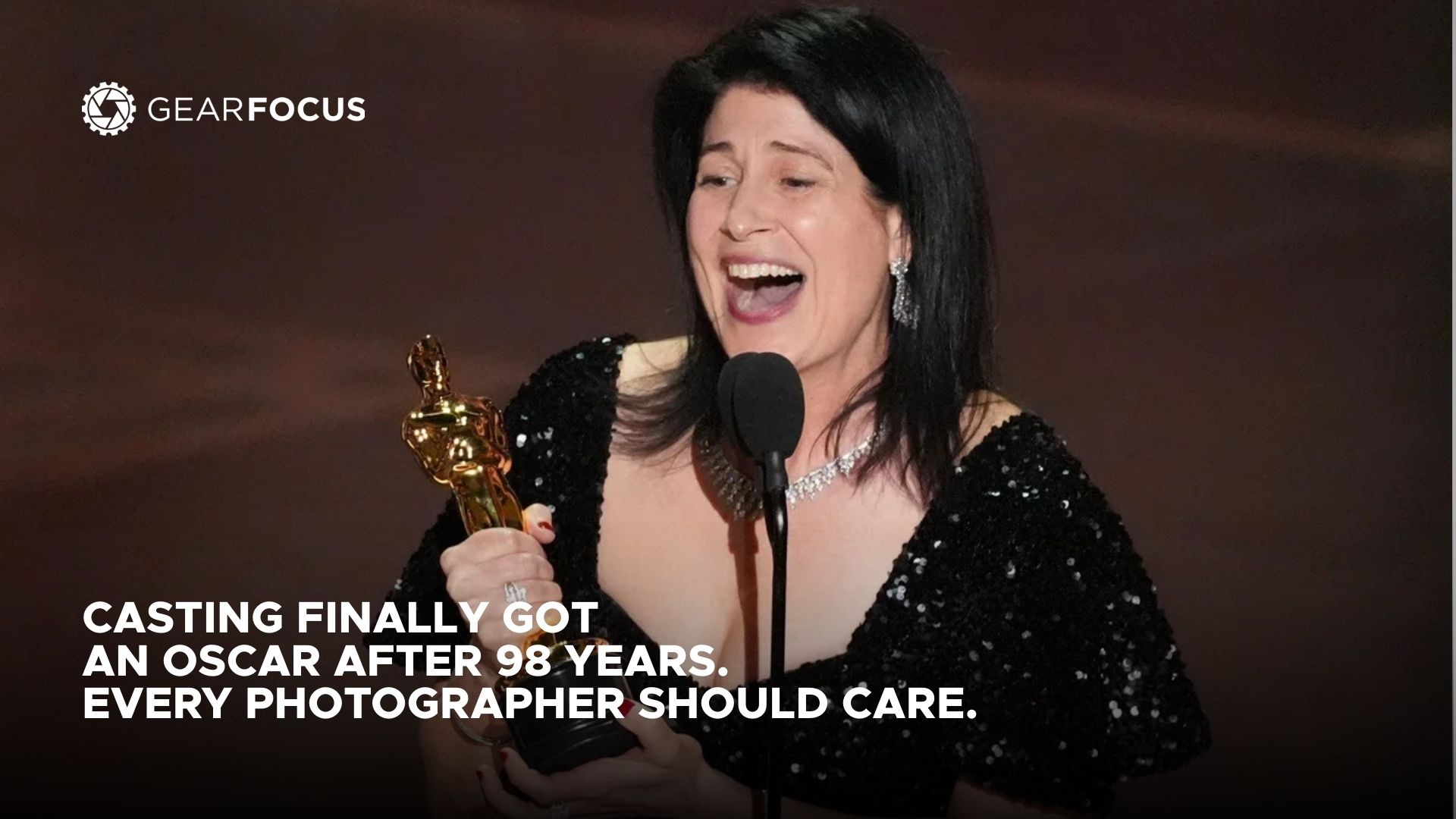
The Dolby Theatre in Los Angeles on Sunday night was somewhere between a film set and a fever dream. The kind of room where everyone is dressed better than they’ll ever be dressed again. Conan O’Brien was making the audience laugh. Michael B. Jordan was about to cry. And somewhere in the middle of a three-hour ceremony watched by millions of people, something genuinely historic happened — and almost nobody noticed.
One Battle After Another won the Oscar for Best Casting.
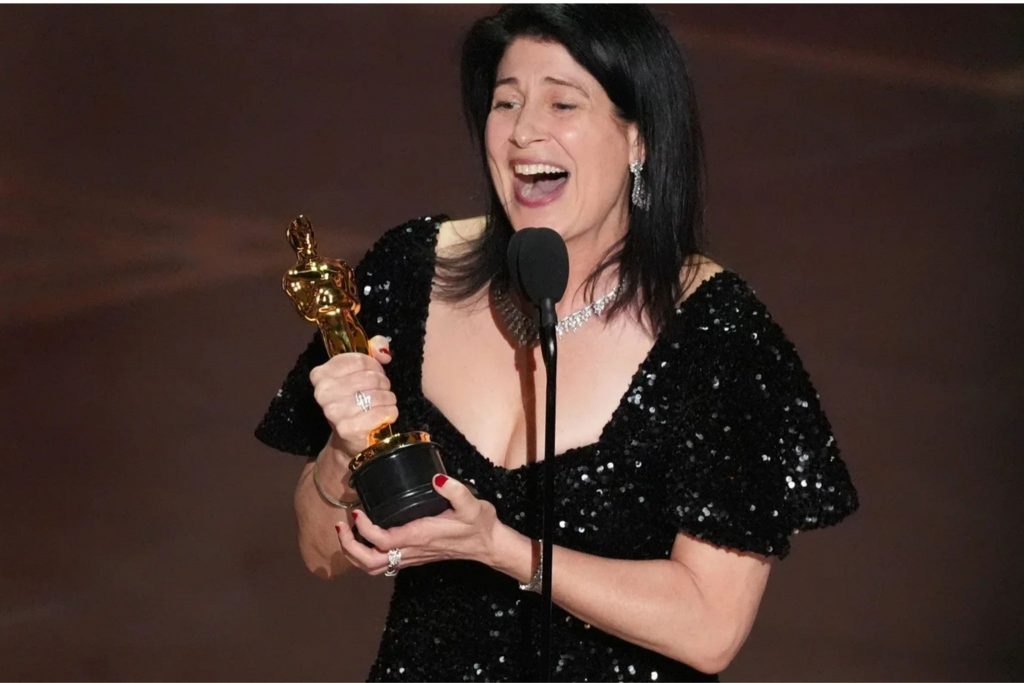
That sentence probably doesn’t hit the way it should. So let’s restate it: for the first time in 98 years of Academy Awards history, the people responsible for choosing who stands in front of the camera were handed a golden statue and told — officially, formally, in front of the entire industry — that their work matters.
Ninety-eight years. That’s how long it took.
Let’s talk about why that number should bother every single person who has ever pointed a lens at another human being.
The Invisible Craft That Runs Everything
Here’s something most people don’t think about when they watch a great film: the reason the performances feel real isn’t just the acting. It’s not just the direction. And it’s definitely not the camera — although the internet will debate that until the sun burns out.
The reason a film feels real is because the right people are in the right roles. That sounds obvious when said out loud. But the industry spent nearly a century treating it like a logistical function. A support role. Something that happened before the real creative work began.
Casting directors have been eligible for a separate Emmy since 1989. The Casting Society of America has given out Artios Awards since 1984. And yet the Oscars — the most visible stage in the entire film world — only just got around to acknowledging it.
Honestly? That omission tells a lot about how creative industries think about the human element of visual storytelling. The tendency is to celebrate technology. To celebrate technique. To give trophies to sound engineers, visual effects teams, and costume designers — all of which is correct and deserved.
But the people who decide who you see — who you connect with, who you believe, who you root for or fear or mourn — those people were invisible.
Until Sunday night.
You’re a Casting Director. You Just Don’t Know It Yet.
This isn’t really an article about the Oscars.
It’s about you.
Every photographer who has ever shot a portrait, a wedding, an editorial spread, a brand campaign — casting decisions are being made constantly. Every filmmaker who has chosen a subject for a documentary, a face for a commercial, a protagonist for a short film — same thing. Whether the word gets used or not, every visual creator is, in practice, a casting director.
And most of the time, it doesn’t receive nearly enough conscious attention.
The pattern is familiar to a lot of working photographers: years spent obsessing over gear. Lens sharpness charts. Sensor dynamic range. Whether a particular camera’s autofocus system could track a subject at f/1.4. Real, legitimate technical concerns — but not the thing actually holding the work back.
What holds most work back is simpler and harder to fix. Not being intentional about who gets in front of the camera.
Taking whoever calls. Agreeing to subjects there’s no real connection with. Photographing people who feel neutral and then wondering why the images feel neutral. The technical execution is fine. The light is controlled. The composition is sound. And the work is… forgettable.
A wedding photographer based in the Pacific Northwest described it this way to a colleague a few years back: the camera doesn’t lie about how you feel about your subject. If there’s boredom behind the viewfinder, the image carries it. If there’s genuine curiosity, genuine investment in the person sitting across the lens? The frame feels different. Alive, even.
Go back through two years of anyone’s portfolio with that lens and the pattern becomes impossible to ignore.
Chemistry Isn’t an Accident
The films that win Best Casting aren’t the ones where the most famous actors were assembled. They’re the ones where the right people were assembled. Those are different things.
Think about what it actually takes to cast a great film. Individual talent is only part of the equation. The real work is predicting chemistry — imagining two people in a scene together before that scene exists. Reading for something that can’t be measured: the specific tension or warmth or friction that makes an interaction feel true rather than performed.
Sound familiar?
Wedding photographers know this instinctively. The couples who produce extraordinary images aren’t always the most conventionally photogenic ones. They’re the ones with something genuine between them. Something that reads. Experienced photographers can feel it in the first five minutes of a consultation — and the ones who learn to treat that feeling as a creative variable rather than a lucky accident, those are the ones whose portfolios look different from everyone else’s.
Portrait photographers understand it too. There’s a reason certain photographers return to the same subjects repeatedly. It’s not laziness. It’s a cultivated creative relationship — an understanding of how a particular person moves through light, how they hold tension, when they’re performing and when they’ve forgotten the camera is there. That relationship is the work. The camera is just the recording device.
Documentary filmmakers probably understand this best of all. The choice of who to follow, whose story to center, whose face to put in the frame — that choice is the film. The equipment matters. The access matters. But the subject is the thing. Always.
What the Academy Got Right (and What Took So Long)
The Casting Society of America reportedly advocated for an Oscar in their category for decades. Decades. And the Academy kept saying no — or more precisely, kept saying nothing, which is its own kind of answer.
The barrier, from what industry insiders have said publicly over the years, was partly definitional. What counts as casting? How do you separate a casting director’s contribution from a director’s? It’s a collaborative craft in a collaborative medium, and the lines get blurry.
But that argument applies to almost every other craft category too. Cinematography doesn’t happen without the director’s vision. Editing doesn’t happen without the footage. Sound design doesn’t happen without the production. The collaborative nature of film is precisely why the Oscars have 23 categories — because recognizing individual contributions within collective work is hard, and also important.
The first-ever casting Oscar going to One Battle After Another — Paul Thomas Anderson’s film — is fitting in a particular way. PTA is one of the most actor-driven directors working today. His films live and die on the specificity of his performers. The choice of who occupies each role in his work isn’t incidental to the storytelling. It’s inseparable from it.
That’s the point. That’s always been the point.
The Frame You Don’t Control
There’s a practical takeaway here for working visual creators: start treating subject selection as a deliberate creative skill.
Not every project offers complete casting control. Clients bring their people. Assignments come with constraints. That’s the reality of professional creative work. But within whatever latitude exists — the clients chosen, the collaborators invested in, the subjects actively sought versus the ones settled for — there is more creative decision-making happening than most photographers and filmmakers consciously acknowledge.
Consider the best portrait in any serious photographer’s portfolio. Chances are it wasn’t made on the best camera they’ve ever owned. It probably wasn’t in the best light they’ve ever had. It was made because the person sitting across from the lens was someone genuinely worth looking at — and that came through. The frame knew it even before the photographer fully articulated it.
GearFocus exists because gear matters. It does. The tools chosen shape what’s possible. But they shape the ceiling of the work, not the floor. The floor — the baseline of what images communicate — is built from something else entirely.
It’s built from the choices made about who deserves to be in the frame.
The Academy just gave that a trophy. It only took 98 years.
FAQ
What is the Oscar for Best Casting, and why is it new? The Academy of Motion Picture Arts and Sciences introduced the Oscar for Best Casting at the 98th Academy Awards in 2026, making it the first new competitive category added to the ceremony in years. Casting directors — the professionals responsible for selecting actors for film roles — had been recognized by other industry bodies for decades, including the Emmy Awards and the Casting Society of America’s Artios Awards. The Oscars’ delay in recognizing the category was a long-standing point of contention within the industry. One Battle After Another took home the inaugural award.
How does casting apply to photography, not just film? In photography, “casting” isn’t usually called that — but the principle is identical. Every time a photographer selects a subject, accepts a client, chooses a collaborator, or decides whose story to tell, a casting decision is being made. The emotional truth of an image is heavily influenced by the connection between photographer and subject, the chemistry present in the frame, and the intentionality behind who was chosen and why. Treating subject selection as a conscious creative skill — rather than a logistical given — is one of the most impactful improvements a working photographer can make to the quality of their output.
Does this mean gear matters less than people think? Gear matters. Full stop. The technical quality of tools shapes what’s achievable in any given shooting scenario. But gear is a ceiling, not a floor. It determines the upper limit of technical excellence — sharpness, dynamic range, low-light performance. The emotional resonance of an image, the thing that makes someone stop scrolling and actually feel something, is determined by factors no camera body or lens can manufacture. Subject chemistry, creative intention, and the relationship between photographer and subject are the variables that separate technically proficient work from work that actually moves people.
Own one like this?
Make room for new gear in minutes.
