- Buyer protection on every order
The Oscars Are Coming. Here’s the Cinematography That Should Win — And the Gear Behind It.
GearFocus
Feb 25, 2026
Key Takeaways
- Sinners is the frontrunner — Autumn Durald Arkapaw made history by combining 65mm IMAX and Ultra Panavision 70 in the same film, and every format decision was driven by story, not spectacle.
- One Battle After Another is the dark horse — PTA and DP Michael Bauman shot a $140M studio film on restored vintage cameras, embracing grain, imperfection, and the radical philosophy of just letting darkness be dark.
- The other three nominees aren’t afterthoughts — Laustsen’s Gothic lighting on Frankenstein, Khondji’s extreme contrast on Marty Supreme, and Veloso’s patient stillness on Train Dreams each represent a distinct and masterful visual language worth studying.
- Cinematography is the most underrated Oscar category — when it works, it’s completely invisible, and understanding how DPs make their decisions changes how you see images forever.
- Hollywood-level thinking applies to any camera — the core principles behind every choice in these films are the same ones you wrestle with on any shoot, regardless of budget or gear.
Picture this. It’s a sticky Mississippi night, 1932. The air smells like sawdust and something older — earth, sweat, a juke joint warming up. Michael B. Jordan is on screen in two roles at once, twins Smoke and Stack, standing in a field so wide and flat you can see the sky bending at the edges. The image is enormous. Gorgeous. A little terrifying. You can feel the heat through the screen.
That’s Sinners. And that shot — that feeling — didn’t happen by accident.
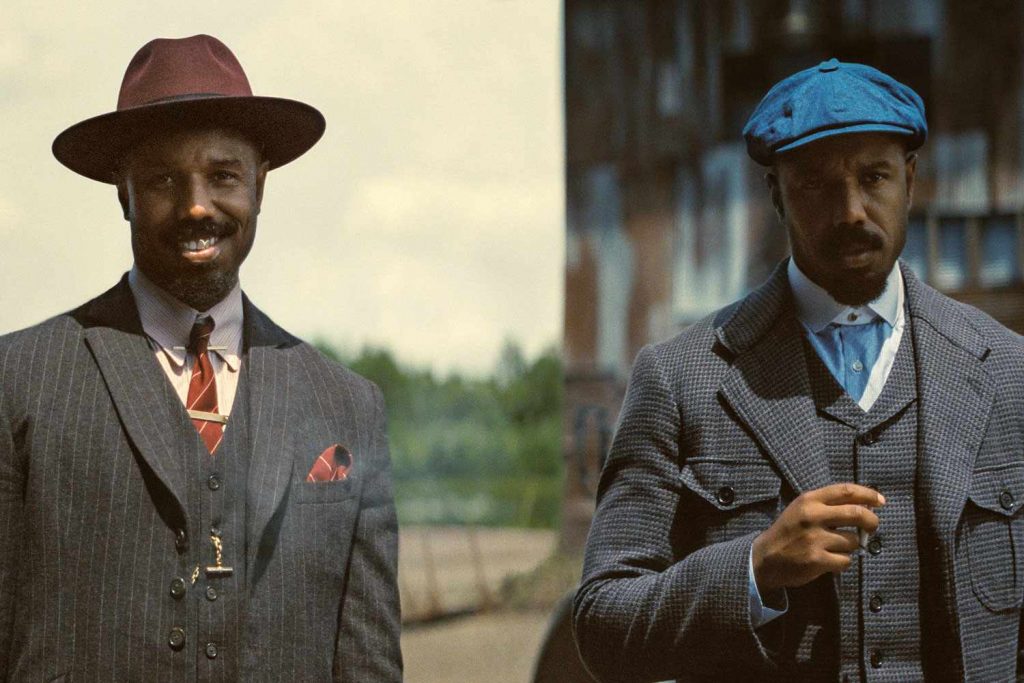
It happened because cinematographer Autumn Durald Arkapaw made a decision most filmmakers wouldn’t dare: she combined 65mm IMAX film with Ultra Panavision 70 in the same production. Two formats with wildly different aspect ratios — the tall, immersive 1.43:1 of IMAX and the impossibly wide 2.76:1 of Ultra Panavision — used side by side to tell one story. It is, technically speaking, bananas. It had never been done before. And it is why Sinners is, in this writer’s view, the frontrunner to take home the Oscar for Best Cinematography at the 98th Academy Awards on March 15.
But let’s back up. Because there are five nominees in this category, and every single one of them made bold, smart, visually fascinating choices that are worth understanding — whether you’re a working DP, a photography hobbyist, or just someone who watches movies and wonders how did they do that?
Why Cinematography Is the Most Underrated Oscar Category
Here’s the deal: most people don’t think about cinematography while watching a movie. That’s the point. When it works, it’s invisible. You feel tense without knowing why. A landscape looks majestic and you lean forward slightly without realizing it. A face fills the screen and suddenly you’re emotional for reasons you can’t articulate.
That’s light. That’s lens choice. That’s framing. That’s someone — a director of photography — making hundreds of quiet decisions every single day on set so that you, sitting in a dark theater, have a specific feeling at a specific moment.
Honestly? It’s one of the most demanding creative jobs in existence. And the fact that it gets less airtime than Best Actor at the ceremony is a crime that’s been going on for decades.
This year’s nominees deserve better than that. So let’s fix it.
The Nominees, Broken Down
The five films nominated for Best Cinematography at the 98th Oscars are: Sinners, One Battle After Another, Frankenstein, Marty Supreme, and Train Dreams. (Full nominees list via Cinematography World)
Sinners — Autumn Durald Arkapaw, ASC
One Battle After Another — Michael Bauman
Frankenstein — Dan Laustsen, ASC DFF
Marty Supreme — Darius Khondji, ASC AFC
Train Dreams — Adolpho Veloso, ABC AIP
Five films. Five completely different visual languages. Let’s dig in.
Sinners: The Film That Rewrote the Rules of Large Format
Let’s start with what makes Sinners genuinely historic.
Autumn Durald Arkapaw is the first female DP to shoot a feature in 65mm IMAX format, and the first cinematographer to incorporate 65mm in its widest aspect ratio — Anamorphic Ultra Panavision 70 at 2.76:1 — and its tallest, IMAX at 1.43:1, in the same production. That’s not just impressive. That’s the kind of achievement that gets written into film school curricula.
But why two formats? Because the story demanded it.
Ryan Coogler wanted to push the boundaries of how to best tell the story, and this combination asks the viewer to really use their eyes and scan the image — going from a very wide landscape to the taller IMAX frame. The Mississippi Delta — flat, endless, suffocating — needed the Ultra Panavision width. The horror sequences inside the juke joint, the supernatural confrontations, the intimate emotional beats? Those needed the towering IMAX frame. One format couldn’t do both jobs.
Here’s what’s wild: Sinners started as a 16mm film production. It eventually became a 35mm film after VFX considerations required a more stable negative for the twinning work of Smoke and Stack. And then it became something much bigger. That’s filmmaking — plans collapse, ambitions grow, and sometimes the thing you end up with is better than anything you originally imagined.
The cameras chosen were the IMAX MSM 9802 and MKIV Reflex, along with the Panavision System 65 Studio, accompanied by Panavision IMAX lenses at 50mm and 80mm, and Panavision Ultra Panatar 1.3x anamorphic lenses. Panavision’s VP of optical engineering even built a bespoke 80mm Petzval lens with aggressive field curvature for a phantasmagorical late-film sequence. A custom one-of-a-kind lens. For one scene.
The film also incorporated Kodak Ektachrome, specially manufactured in 65mm by Kodak for the production — a reversal stock known for vivid, punchy color that’s almost impossibly beautiful in daylight. The kind of color that makes you feel the heat.
For photographers: the principles at work in Sinners are the same ones you wrestle with every time you pick a lens. Focal length shapes emotion. Format shapes scope. And the willingness to use the right tool for the right moment — rather than defaulting to what’s convenient — is what separates technically correct images from genuinely affecting ones.
One Battle After Another: The VistaVision Revival Nobody Asked For (But Everyone Needed)
Paul Thomas Anderson is a maximalist who shoots like a minimalist. Which sounds like a contradiction until you watch his films.
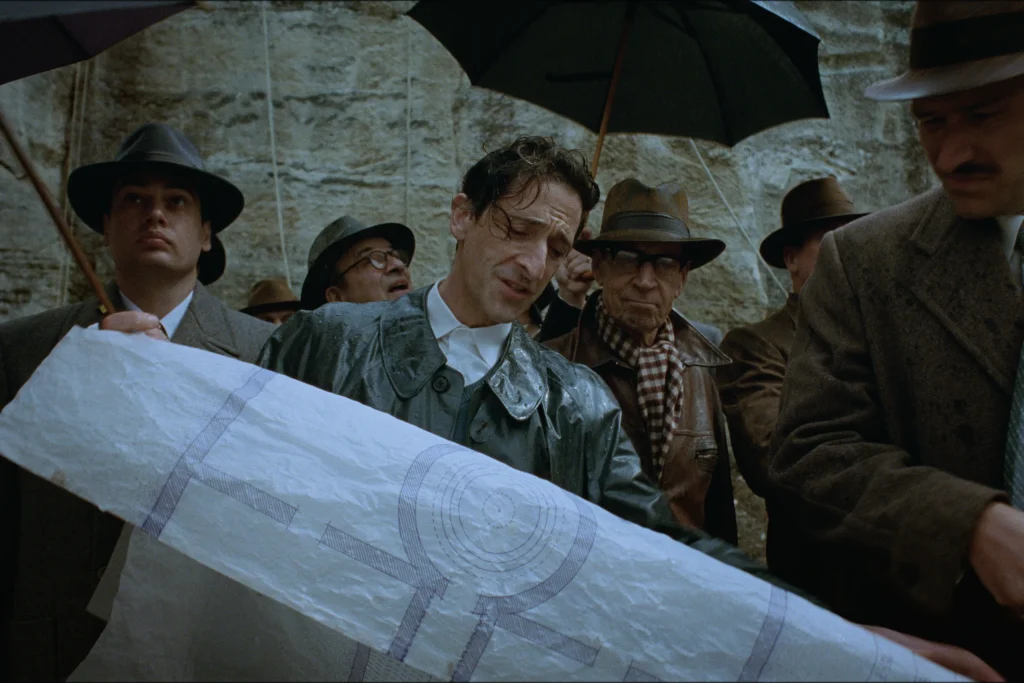
While The Brutalist revived VistaVision last year, Anderson and DP Michael Bauman took the 8-perf/35mm horizontal format to new cinematic heights with One Battle After Another. VistaVision — a format developed by Paramount in the 1950s that runs 35mm film horizontally through the camera, capturing a much larger frame — is almost never used today. You have to hunt down vintage cameras, restore them, and convince your studio that the extra logistics are worth it.
PTA convinced them. The primary camera body was a vintage Beaumont VistaVision camera that actor-turned-cinematographer Giovanni Ribisi had personally restored and loaned to the production. Let that sink in: one of Hollywood’s most expensive films of 2025, and the lead camera body was borrowed from a collector.
The aesthetic buzzword was “texture,” and a key reference was The French Connection for its gritty, grainy imagery. Anderson’s directive was, “It’s got to look like a ’70s movie.” Bauman and his team mixed color temperatures across scenes, relied on neon and fluorescent tubes for interiors, and embraced imperfection as a creative choice rather than a technical failure.
The philosophy in night scenes was simple but effective: let darkness be dark. Rather than trying to artificially light every corner of the frame for visibility, the team embraced deep shadows and allowed light to be motivated by practical sources. In an era when digital cinematography can make midnight look like noon, that restraint is almost radical.
This is something photographers understand instinctively but struggle to execute. Exposure isn’t about recording everything. It’s about choosing what to reveal and what to let go. Anderson and Bauman made that choice hundreds of times, and every time, they chose the shadows.
Frankenstein, Marty Supreme, and Train Dreams: Three Different Flavors of Brilliant
Don’t sleep on the other three. Seriously.
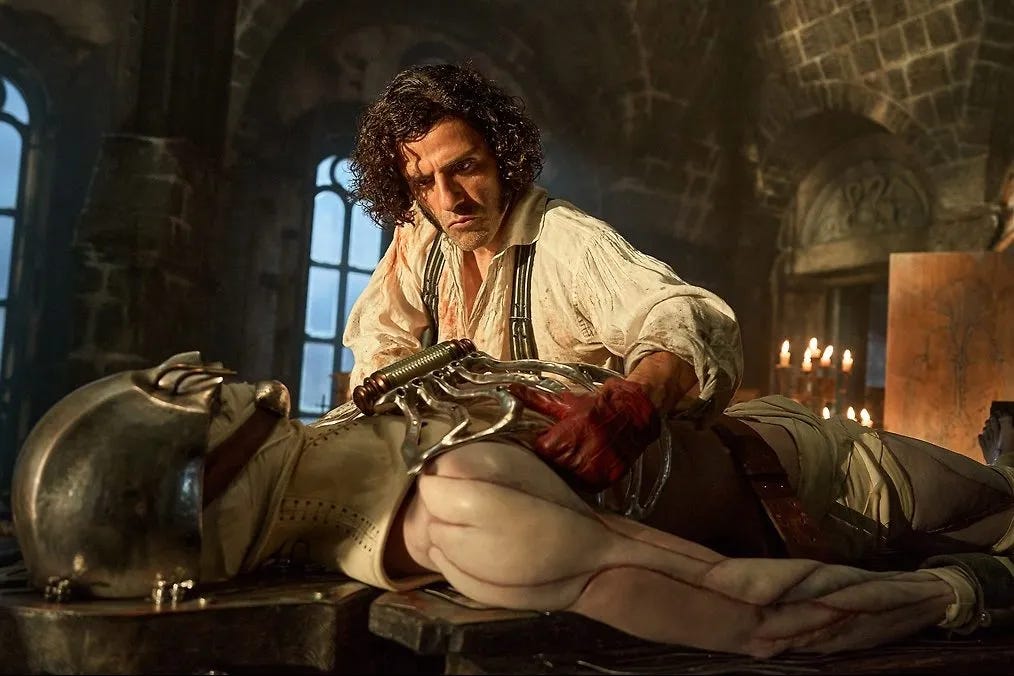
Dan Laustsen on Guillermo del Toro’s Frankenstein is exactly what you’d expect — and that’s meant as the highest possible compliment. Laustsen has shot del Toro’s films since Crimson Peak, and they speak a shared visual language: Gothic shadow, warm candlelight against cold stone, beauty braided with dread. It’s a master class in motivated lighting, where every practical source — a candle, a window, a crackling fire — tells you something about the emotional temperature of the scene.

Darius Khondji on Marty Supreme is a different kind of excellence. Khondji is one of the great living cinematographers — Se7en, Midnight in Paris, Uncut Gems. For Josh Safdie’s ping-pong drama, he reportedly pushed contrast to its extreme edge: over-exposed tops, crushed blacks, the kind of look that feels simultaneously nostalgic and urgent. It shouldn’t work. It absolutely works.
Adolpho Veloso on Train Dreams is the quietest nomination in the group, and possibly the most emotionally devastating. Based on Denis Johnson’s novella about a logger in early 20th-century America, the film demands a patience and stillness that most cinematographers can’t sustain. Veloso does. Wide, open, landscapes-that-breathe-type photography. The kind that makes you feel small in a good way.
What This Means for You — Yes, You
Alright. Here’s where this gets practical.
Every choice these cinematographers made — format, focal length, color temperature, exposure philosophy — is rooted in the same fundamentals you work with whether you’re shooting on a $300 used mirrorless or a $150,000 IMAX camera.
Autumn Durald Arkapaw’s core lens on Sinners was a 50mm anamorphic, used consistently across wide shots and close-ups because it gave her the emotional fall-off the story needed. That’s not exotic thinking. That’s the same logic behind choosing a 35mm prime for street photography or a 50mm for portraits: find the lens that tells your story and commit to it.
Bauman on One Battle After Another lit for texture, not perfection. He leaned into color temperature mismatches, grain, the happy accident of falling curtains that DiCaprio improvised around. The goal wasn’t a clean image. It was a true one.
And Laustsen on Frankenstein? He’s working with practical lighting in ways that any photographer can study and apply — using the light that’s already in the scene, motivated by what would realistically be there, rather than building a technically “correct” exposure from scratch.
The gear behind these films is extraordinary. But the thinking is universal. And understanding how these DPs think is, genuinely, the fastest shortcut to making better images — at any level, with any equipment.
So Who Wins?
Look. Prediction is a fool’s game and I’ve been burned before. But if forced to call it: Sinners takes the statue. It’s a historic technical achievement combined with genuine emotional power, and the Academy cinematography branch tends to reward exactly that combination. The fact that Autumn Durald Arkapaw would become the first Black woman to win in this category isn’t incidental — it’s the kind of moment the industry has been building toward, and this particular nomination is earned without asterisk.
One Battle After Another is the dark horse — and if it pulls off a sweep, Bauman’s win would be equally deserved. VistaVision for a $140 million studio film is the kind of bold, slightly insane creative gamble that should be celebrated.
Either way: watch the ceremony. Pay attention during the cinematography announcement. And then go rewatch both films thinking specifically about the images — not the story, not the performances. Just the light. Just the frame.
You’ll see movies differently after. Guaranteed.
The 98th Academy Awards air March 15 on ABC. Full nominees and predictions at Gold Derby and Variety. Deep technical breakdowns of Sinners at The ASC and No Film School, and One Battle After Another at Kodak’s production blog and The Credits.
FAQ
What does a director of photography actually do?
The director of photography — also called the DP or cinematographer — is the person responsible for every visual element of a film. That includes choosing the camera format, selecting lenses, designing the lighting for every scene, working with the camera operator on framing and movement, and often overseeing the color grade in post-production. They work in close collaboration with the director to translate the script’s emotional intentions into visual choices. It’s one of the most technical jobs on a film set, and also one of the most creative. On smaller productions, the DP often operates the camera themselves. On major studio films, they lead a large team called the camera department.
Why does film format matter — isn’t it all just cameras?
Not at all. The format a cinematographer chooses — whether that’s 16mm, 35mm, 65mm, IMAX, digital, anamorphic, spherical — fundamentally changes how the image looks and feels. A 65mm IMAX negative captures vastly more visual information than a standard 35mm frame, resulting in an image that can be projected at enormous scale without losing detail. Anamorphic lenses compress the image horizontally and produce distinctive oval bokeh and lens flares. VistaVision runs 35mm film sideways, capturing a wider negative. Each format has its own emotional signature — its own grain, color response, depth of field behavior. Choosing the right format is like choosing the right medium for a painting. A watercolor and an oil painting can depict the same subject, but they create entirely different experiences.
Can amateur photographers learn from how Hollywood DPs shoot?
Yes — and more directly than most people realize. The core principles are identical: exposure, light quality, color temperature, focal length, depth of field, and compositional intention. A DP working on a $100 million film and a hobbyist shooting with a used mirrorless are solving the same fundamental problems. The scale and budget differ enormously, but the creative logic is the same. Studying how Autumn Durald Arkapaw uses a 50mm lens as her “hero” focal length on Sinners, or how Bauman embraces imperfect light on One Battle After Another, gives you a mental framework you can apply immediately — with whatever camera is in your hands. Looking to upgrade your glass or find an affordable mirrorless to experiment with? GearFocus has 4,000+ active listings from verified sellers, updated daily.
Own one like this?
Make room for new gear in minutes.
