- Buyer protection on every order
Dune Part Two Cinematography Camera Gear—and Why Hollywood Still Relies on Proven Tools
Ysa Canlas
Jan 20, 2026

When Dune: Part Two reached theaters, its impact was immediate but difficult to summarize. The film didn’t overwhelm with visual noise. It didn’t chase novelty. Instead, it settled into something rarer: images that felt heavy, grounded, and physical.
Audiences noticed. So did filmmakers.
In an era when digital cinema often trends toward hyper-clean precision, Dune: Part Two looked intentionally restrained. The desert felt vast without feeling artificial. Faces held texture. Movement carried weight. The film didn’t look new in the way technology is usually new—it looked confident.
That distinction matters, especially for creators paying close attention to how big films are actually made.
Breaking Down the Dune Part Two Cinematography Camera Gear Choices
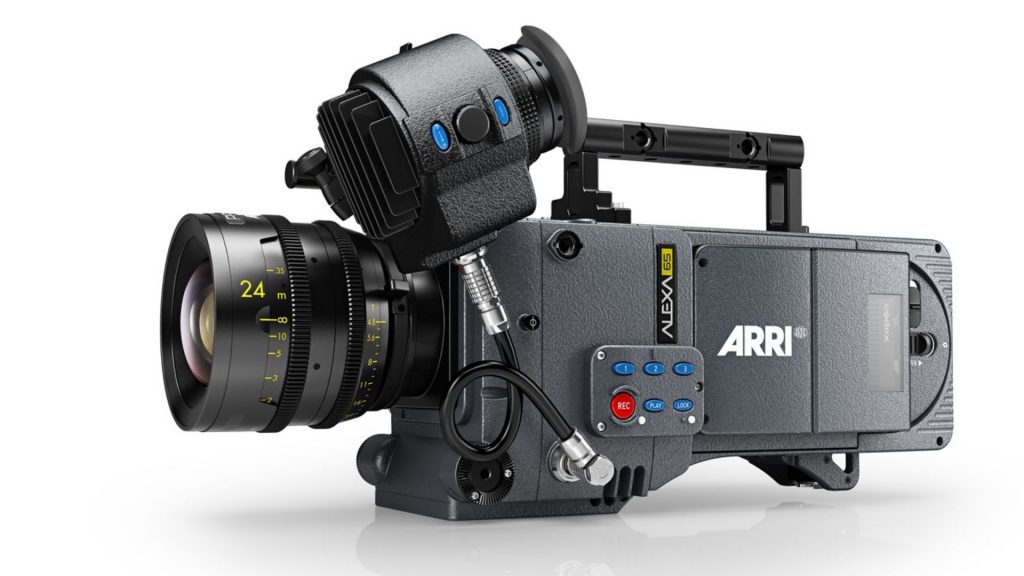
Much of Dune: Part Two was photographed using the ARRI ALEXA 65, along with the ALEXA Mini LF for more flexible setups. This isn’t speculation or rumor. The camera package has been widely discussed by ARRI Rental, Frame.io, Newsshooter, and British Cinematographer through interviews with cinematographer Greig Fraser ACS, ASC and his team.
What stands out is not the scale of the equipment, but its familiarity.
The ALEXA 65 is not a recent release. It’s a camera that has lived through multiple productions, revisions, and workflows. By the time Dune: Part Two went into production, it was already well understood—by operators, DITs, colorists, and post teams alike.
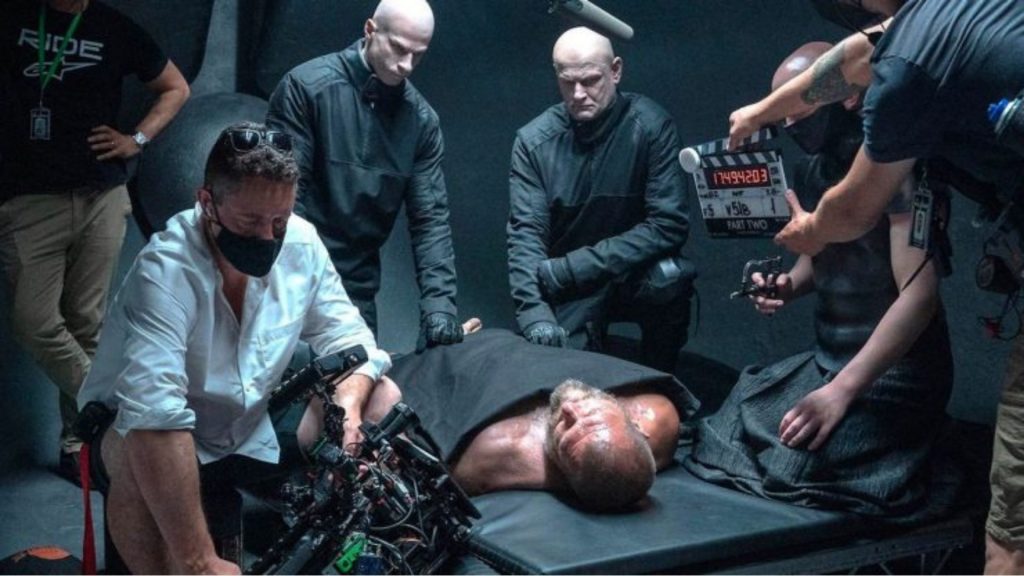
Credit: Warner Bros. Pictures / Legendary Entertainment
That familiarity shaped the look of the film.
Rather than pushing the camera to advertise its capabilities, Fraser used it as a steady foundation. The large-format sensor offered depth and dimensionality, but the images were never about spectacle for its own sake. They were shaped by light, framing, and lens character.
The Lens Choices Tell the Bigger Story
If the camera bodies were familiar, the lenses carried much of the film’s personality.
Coverage from Newsshooter and YM Cinema confirms that Dune: Part Two was shot entirely with spherical lenses, avoiding anamorphic distortion in favor of flexibility across formats, including IMAX. The production also incorporated custom and vintage glass, selected specifically for how it handled contrast, flare, and texture.
This wasn’t a technical compromise. It was an aesthetic choice.
Vintage lenses—rehoused and adapted for modern cinema use—are unpredictable in ways modern optics are not. They soften highlights. They bloom. They allow imperfections to surface. In the controlled chaos of a desert environment, those imperfections became part of the film’s visual language.
For filmmakers, this is a telling detail. It suggests that character still outweighs clarity when the story demands it.
Why the Film Feels Physical
There’s a temptation to attribute Dune: Part Two’s look to budget alone. But budget doesn’t automatically create restraint. It doesn’t explain why the film feels less synthetic than many effects-heavy blockbusters released in the same window.
That quality comes from consistency.
The production leaned on natural light whenever possible. Camera movement remained deliberate. Visual effects were designed to integrate with photographed reality rather than dominate it. And crucially, the tools used to capture those images behaved in predictable ways.
Cameras that crews know intimately tend to disappear on set. They stop being obstacles and start becoming extensions of intent. That’s when visual decisions speed up—and when a film’s tone becomes coherent instead of fragmented.
Hollywood Isn’t Upgrading as Fast as You Think
One of the quieter truths of professional filmmaking is how slowly core tools actually change.
Despite the constant churn of new camera announcements, major productions often stick with the same systems across multiple projects. That isn’t inertia. It’s risk management.
Every new camera introduces unknowns: color response, highlight roll-off, post-production quirks, on-set reliability. For large productions operating under tight schedules, those unknowns carry real cost.
Dune: Part Two reflects a broader industry pattern. Instead of chasing incremental technical improvements, productions invest in tools with established track records. The image gets shaped elsewhere—through lenses, lighting, composition, and grading.
That approach isn’t exclusive to Hollywood. It’s a mindset that scales.
The Parallel for Independent Creators
For filmmakers and photographers outside the studio system, this production philosophy lands close to home.
Used gear often carries an unfair stigma, framed as a compromise rather than a choice. Yet in practice, many professionals seek out older or previously owned equipment precisely because its behavior is known.
Used cameras:
- Have documented workflows
- Come with real-world reference footage
- Reveal their strengths and limitations quickly
- Encourage consistency rather than constant adaptation
In other words, they allow creators to spend less time learning tools and more time refining decisions.
That’s the same advantage Fraser and his team leveraged—just at a different scale.
Cinema Cameras Don’t Age the Way Marketing Suggests
Consumer technology encourages a short memory. New releases frame older models as obsolete by default.
Cinema doesn’t work that way.
Cameras age slowly. Sensors don’t suddenly lose dynamic range. Color science doesn’t expire. Many of the qualities that make an image compelling remain intact long after a model exits active marketing.
This is why used cinema cameras continue to circulate among working professionals. They remain viable because the fundamentals haven’t changed: light, motion, color, and framing still behave the same way.
What changes is how deeply a creator understands those fundamentals through their tools.
Used Cinema Cameras Worth Serious Consideration
Credit: ARRI
For creators interested in narrative work, short films, or visually driven projects, several older or used cinema cameras remain especially relevant:
ARRI ALEXA Mini
Still widely used on commercials and independent features, the Mini’s color response and dynamic range remain benchmarks.
Canon C-Series (C300, C200, C100)
Canon’s cinema line is known for natural color and straightforward workflows. These cameras continue to appear in documentaries, broadcast, and narrative projects years after release.
Blackmagic URSA Mini Pro / Pocket Cinema Series
Blackmagic cameras offer strong codecs and image flexibility at a lower cost of entry. Their popularity has generated extensive community knowledge—an underrated asset when buying used.
Sony FX and Older Venice Models
Sony’s cinema cameras balance modern sensors with long-term support. Used units remain attractive for creators who want full-frame imagery without chasing annual updates.
Each of these cameras has something in common: they’ve already proven themselves in real productions.
What Dune: Part Two Ultimately Reinforces
The lesson isn’t that everyone should shoot on large-format cameras or chase cinematic spectacle. It’s something quieter—and more useful.
Dune: Part Two demonstrates that images gain strength through familiarity, restraint, and trust in tools that behave predictably. New gear may expand possibilities, but it doesn’t replace understanding.
For creators weighing whether to upgrade or invest differently, that distinction matters.
Sometimes the smarter move isn’t forward. It’s deeper.
Where GearFocus Comes In
GearFocus exists for creators who think this way.
Instead of pushing novelty, the platform connects filmmakers and photographers with creator-owned equipment—gear that has already been used, tested, and understood in real workflows. These tools come with context, not hype.
In a moment when visual culture is rediscovering texture, weight, and intention, that context matters more than ever.
Explore creator-owned cinema cameras and gear on GearFocus.
Sources & Reporting
The information in this article is drawn from the following reputable industry publications and official sources:
- ARRI Rental — Interview with Greig Fraser on Dune: Part Two
https://www.arrirental.com/en/about/overview/news/interview-on-dune-part-two-with-greig-fraser-acs-asc - Frame.io — The Cinematography of Dune: Part Two
https://blog.frame.io/2024/04/15/the-cinematography-of-dune-2-part-two-greig-fraser/ - Newsshooter — Camera and lens breakdown for Dune: Part Two
https://www.newsshooter.com/2024/03/01/how-greig-fraser-acs-asc-used-the-arri-alexa-65-alexa-mini-lf-along-with-custom-optics-for-dune-part-two/ - YM Cinema — Five cinematography facts from Dune: Part Two
https://ymcinema.com/2024/03/06/dune-part-two-five-interesting-cinematography-facts/ - British Cinematographer — Greig Fraser on visual approach
https://britishcinematographer.co.uk/greig-fraser-asc-acs-dune-part-two/
Own one like this?
Make room for new gear in minutes.
