- Buyer protection on every order
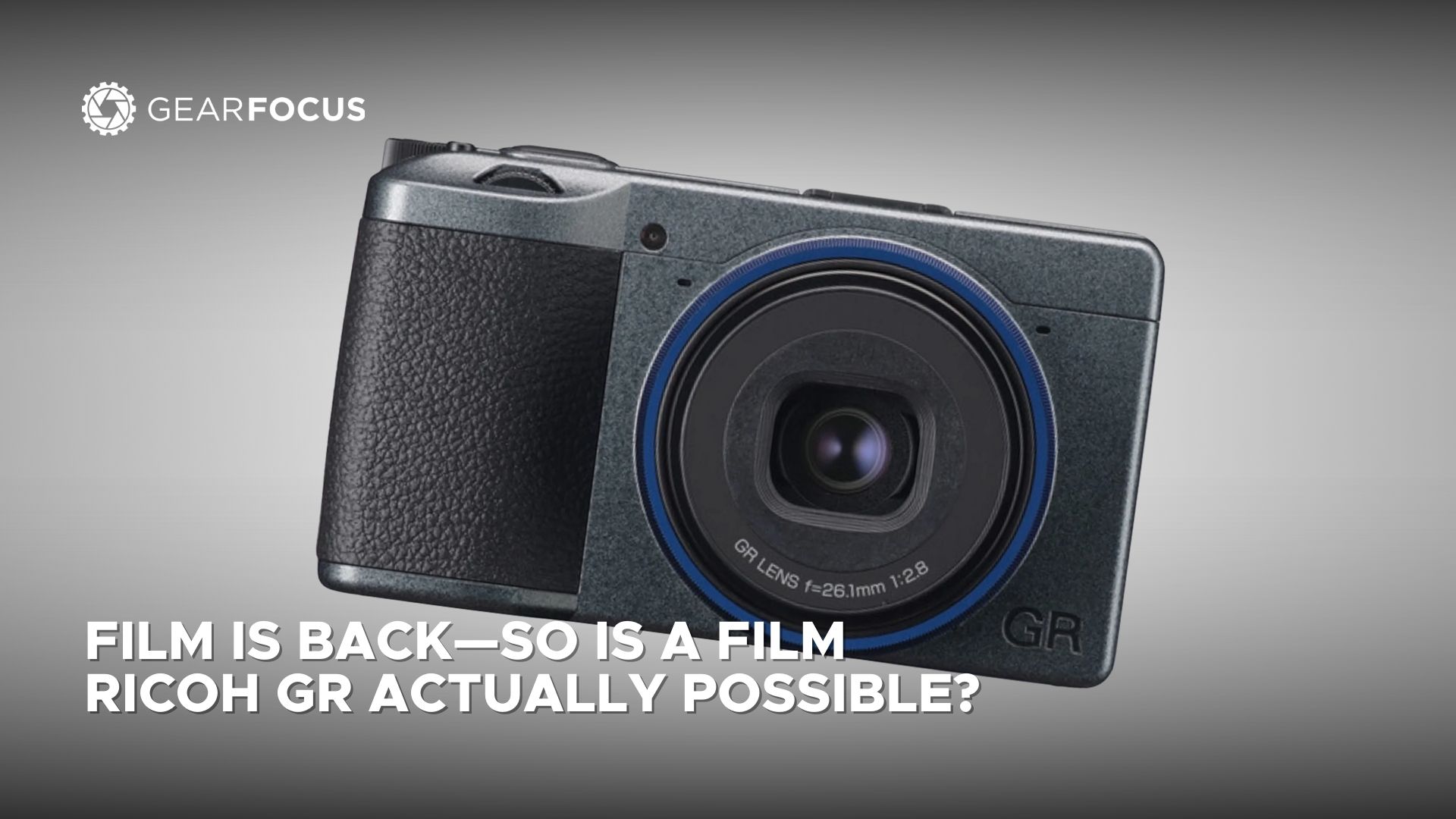
Film Is Back—So Is a Film Ricoh GR Actually Possible?
GearFocus
Feb 6, 2026
Key Takeaways
- Film’s resurgence is driven by behavior, not nostalgia. People are choosing slower, more deliberate tools even when faster options exist.
- The Ricoh GR represents a philosophy that aligns naturally with film. Small, intentional, and unobtrusive by design.
- Acknowledgment from manufacturers matters. Even without announcements, listening signals real demand.
- The used market already proves interest in compact film cameras. Prices and turnover reflect ongoing, practical use.
- Whether or not a film GR ships, the conversation itself is meaningful. It reveals shifting values among modern creators.
Every few years, film photography is declared “back.” And every time it happens, the reaction is split between excitement and skepticism. Some see it as nostalgia on a loop. Others see it as proof that creators are searching for something digital still hasn’t fully replaced.
This time feels different.
Film isn’t just being rediscovered by people who grew up with it. It’s being picked up by a generation that never had to use it in the first place. Prices for compact film cameras keep climbing. Labs that once shut their doors are reopening. And quietly, almost cautiously, manufacturers are acknowledging the interest instead of dismissing it.
That’s where the conversation around Ricoh and the GR line starts to get interesting.
When Ricoh representatives have spoken publicly about the possibility of a film compact—specifically something GR-like—they’ve been careful not to promise anything. No announcements. No timelines. Just acknowledgment. And sometimes, acknowledgment matters more than confirmation.
Because it suggests demand isn’t imaginary.
Why Film Refuses to Disappear
If film photography were only about nostalgia, it would have faded quietly by now. Nostalgia burns fast and rarely sustains infrastructure. Film, instead, keeps rebuilding one piece at a time.
You can see it in behavior, not headlines.
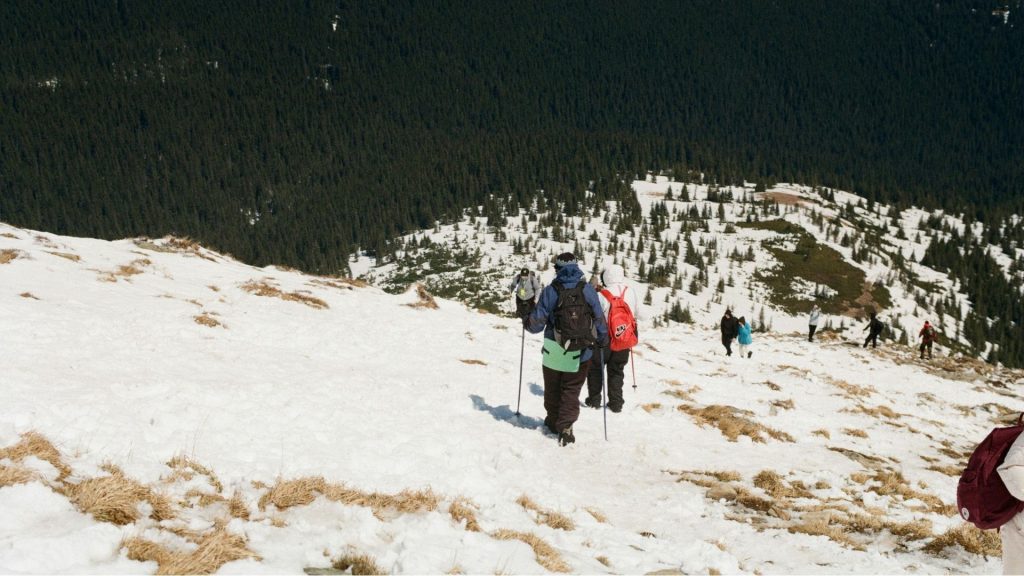
Younger photographers are buying point-and-shoot film cameras they’ve never used before. They’re learning how to load rolls from YouTube videos instead of parents or teachers. They’re waiting days, sometimes weeks, to see results—and finding that delay oddly satisfying.
This isn’t about technical superiority. Film is slower, more expensive, and far less convenient than digital. And yet, people keep choosing it.
That choice says something important: speed and perfection aren’t the only things creators value.
The GR Has Always Been About Intentionality
To understand why the idea of a film GR resonates so strongly, it helps to understand what the GR has always represented.
The Ricoh GR line has never been about spec dominance or flashy features. It’s small. It’s quiet. It’s built to disappear in your hand and let you focus on what’s in front of you.

Street photographers gravitate toward it for a reason. It doesn’t announce itself. It doesn’t slow you down. It asks you to be present.
In many ways, that philosophy aligns perfectly with film. Film forces decisions. You don’t spray and sort later. You commit. You wait. You accept uncertainty.
A film GR wouldn’t be a novelty. It would be a logical extension of an idea that already exists.
This Isn’t a Rumor—It’s a Signal
It’s important to be clear: there is no confirmed film Ricoh GR. No leaked prototypes. No official development roadmap.
What exists instead is something quieter but more telling. Ricoh has acknowledged the interest. Publicly. Without dismissing it.
In an industry that often shuts down speculation quickly, that matters.
Manufacturers don’t casually entertain ideas that have no market. Even acknowledging demand means someone is listening. It suggests conversations are happening internally—about feasibility, cost, supply chains, and whether the audience is real or just loud.
That alone marks a shift from a few years ago, when film was treated as a closed chapter.
The Real Challenge Isn’t Demand
It’s easy to say, “Just make a film camera.” It’s much harder to actually do it.
Film camera manufacturing isn’t just about design. It requires mechanical precision, reliable supply chains, and components that haven’t been mass-produced at scale in decades. The expertise exists, but it isn’t cheap, fast, or simple.
Unlike digital cameras, film cameras can’t rely on software updates to fix problems. The tolerances are physical. The failures are mechanical. The expectations are unforgiving.
That’s why the idea of a film GR is complicated. Not because people wouldn’t buy it—but because making it well would require intention, patience, and restraint. Ironically, the same qualities film photographers value.
What a Film GR Would Actually Represent
Whether or not a film GR ever ships, the fact that people want one is meaningful.
A film GR wouldn’t represent a return to the past. It would represent a choice to move slower in a culture that rarely does. It would signal trust in photographers to make decisions without automation, previews, or instant feedback.
It would be a camera built around limits—and limits have always been powerful creative tools.
Even discussing the possibility suggests that manufacturers are starting to recognize a shift in values. That not every photographer wants more features. Some want fewer.
The Used Market Is Already Voting
You don’t need a press release to see what people care about. You can look at behavior.
Used film compacts—especially small, pocketable ones—don’t sit long. Prices haven’t dropped. In many cases, they’ve climbed. Cameras that were once considered disposable are now treated carefully, repaired, and passed along.
That’s not nostalgia. That’s utility.
People aren’t buying these cameras to put them on shelves. They’re using them. Carrying them daily. Trusting them with moments that matter.
In that sense, the used market has already validated the idea of a film GR. The demand exists. It’s just being fulfilled indirectly, through aging cameras that were never meant to last this long.
Why Compact Cameras Matter Right Now
There’s a reason the conversation keeps circling back to compact cameras instead of professional systems.
Compact cameras are personal. They’re carried because you want them with you, not because you have to. They invite spontaneity. They lower the barrier between seeing something and photographing it.
A film GR would live in that same space. It wouldn’t compete with professional film bodies or appeal to collectors chasing prestige. It would appeal to people who want a camera they can trust without thinking too much about it.
That audience is smaller—but deeply committed.
This Isn’t Anti-Digital
It’s important to say this clearly: interest in film isn’t rejection of digital photography.
Many of the people shooting film today also shoot digital. Often with high-end cameras. Often professionally. Film isn’t replacing digital—it’s complementing it.

Digital excels at efficiency, reliability, and control. Film excels at slowing things down and making moments feel deliberate.
The resurgence of film doesn’t mean digital failed. It means creators are choosing tools based on intent, not trends.
What the GR Question Tells Us About Creators
The question of a film GR isn’t really about Ricoh.
It’s about creators asking for tools that align with how they want to work—not how fast technology can move.
It’s about choosing limitation on purpose. About valuing experience over convenience. About trusting process over preview.
Even if a film GR never exists, the demand for it tells us something important: photographers aren’t done shaping the future of their tools.
Looking Forward Without Rushing
If Ricoh ever announces a film compact, it will likely be cautious. Limited. Thoughtful. It won’t be mass-market, and it won’t be cheap.
And that’s okay.
Because the value of such a camera wouldn’t come from volume. It would come from clarity.
Clarity about who it’s for. Clarity about why it exists. Clarity about what photography can still be when speed and perfection aren’t the primary goals.
Sometimes the Question Is the Point
So is a film Ricoh GR actually possible?
Maybe. Maybe not.
But the more interesting question is why so many people want it to be.
That desire says something about where photography is headed—and where it’s quietly circling back.
Not backward. Just deeper.
Own one like this?
Make room for new gear in minutes.
