- Buyer protection on every order
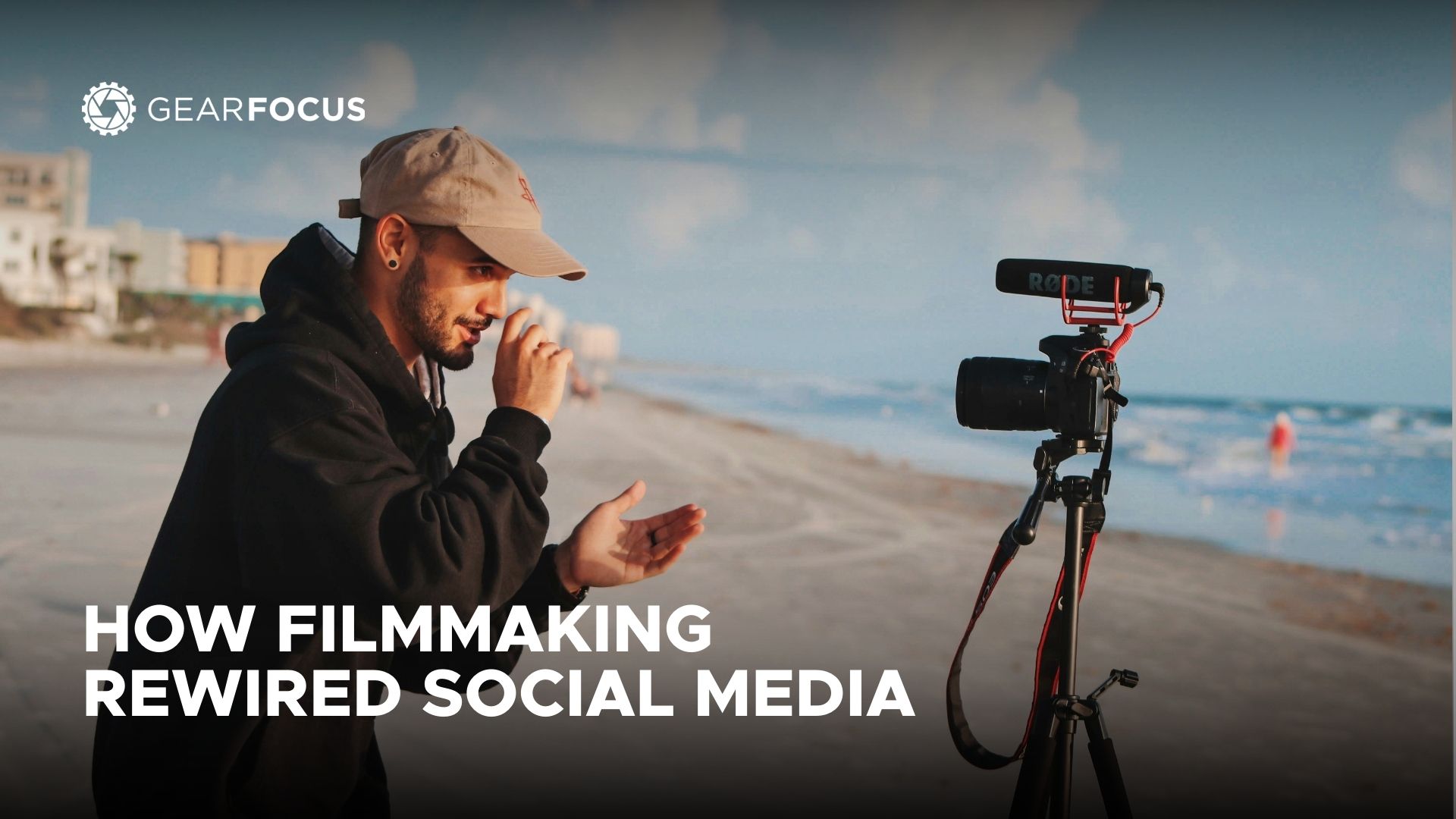
How Filmmaking Rewired Social Media (And Why Your Phone Still Can’t Keep Up)
GearFocus
Mar 5, 2026
KEY TAKEAWAYS
- Social media didn’t kill cinematic storytelling — it compressed it. Filmmakers learned to tell full stories in 60 seconds, and that discipline has made their work sharper, not weaker.
- The gear gap between Hollywood and the independent creator is closing fast. A used mirrorless body and a fast prime can produce work that stops a scroll — if the storyteller behind it knows what they’re doing.
- Social media has become the new film school. Platforms like TikTok and YouTube Shorts aren’t just distribution channels — they’re the training ground where today’s best filmmakers are cutting their teeth in public.
- The relationship between filmmaking and social media is now a two-way street. Social media aesthetics are bleeding back into cinema — vertical framing, handheld urgency, raw authenticity — and mainstream directors are paying attention.
- You don’t need a big budget. You need a point of view. The creators gaining traction aren’t the ones with the most expensive rigs — they’re the ones with the clearest voice and the most intentional frame.
Picture this. You’re mindlessly scrolling at midnight — tired, half-asleep, thumb on autopilot. Then something stops you cold. A 45-second clip. No title card, no context. Just a wide shot of an empty highway at golden hour, a single figure walking away from camera, and a piece of music that makes your chest feel something. You watch it twice. You save it. You send it to a friend with zero explanation. Just: “watch this.”
That clip wasn’t made by Netflix. It wasn’t a trailer for an Oscar contender. It was made by a 23-year-old with a used Sony A7 III and a 35mm lens they bought secondhand online. And it hit harder than half the films you watched this year.
Here’s the deal: somewhere in the last decade, filmmaking and social media stopped being two separate worlds. They crashed into each other at full speed — and what came out of that collision is one of the most fascinating creative evolutions our generation has witnessed. The rules got rewritten. The gatekeepers got bypassed. And the craft? It didn’t disappear. It just got democratized.
This is that story.
From Hollywood to Your Feed: The Great Compression
Let’s go back a bit. For most of cinema history, filmmaking was a closed shop. You needed a studio deal, a crew of fifty, and a distribution contract just to get your work in front of an audience. The average person didn’t make films — they watched them.
Then the internet happened. Then YouTube. Then smartphones with cameras that could actually shoot. Then Instagram. Then TikTok.
Each new platform pushed the format shorter and shorter. Three minutes became ninety seconds became sixty became fifteen. And here’s what’s interesting: rather than dumbing filmmaking down, that compression forced a kind of creative discipline that film schools had been trying to teach for decades. If you only have 60 seconds to make someone feel something — you’d better be intentional about every single frame.
“Filmmakers learned to tell full stories in 60 seconds. That discipline made their work sharper, not weaker.”
Think about the best short-form content you’ve seen recently. The setup, the turn, the payoff. It’s the same three-act structure Aristotle was talking about — just running at warp speed. Social media didn’t kill cinematic storytelling. It turbocharged it.
Cinematographers started showing up on TikTok. Directors posted behind-the-scenes content on Instagram Reels. DPs broke down their lighting setups in 30-second clips. And a new generation of creators — who’d never touched a cinema camera in their lives — started absorbing these lessons in real time, for free, every day on their phone. That’s remarkable. Honestly? That’s unprecedented.
Filmmaking for Social Media: How Creators Are Rewriting the Rules
There’s a phrase that gets thrown around a lot: “anyone can be a filmmaker now.” It’s usually said with either excitement or dread, depending on who’s saying it. But here’s the more honest version: anyone with dedication, a decent eye, and the right tools can become a filmmaker now. The barrier to entry dropped. The barrier to excellence did not.
What social media actually created was a proving ground. A place where you could post work, get immediate feedback, iterate, post again. The feedback loop that used to take years — make a short, submit to festivals, wait, hear nothing, repeat — now runs in hours. Post a Reel, see what resonated, understand why, apply it to the next one.
The creators who understood this early built real filmmaking skills at a pace traditional film school couldn’t match. They were shooting daily. Editing daily. Thinking visually every single day. One filmmaker on YouTube documented his first year of posting short cinematic content — he went from shaky, poorly-lit handheld footage to genuinely beautiful, character-driven short films in twelve months. The platform was his classroom. The comments section was his critique group.
And the gear? That’s where it gets especially interesting for anyone who loves cameras as much as the craft.
The Gear Gap Is Closing (And It’s Loud)
Here’s a stat that should stop you in your tracks: some of the most-watched video content on the internet in the last three years was shot on cameras you can buy used today for under $800. Not cinema cameras. Not RED. Not even professional video rigs.
Sony A7-series bodies. Canon R5s. Blackmagic Pocket Cinemas. Fujifilm X-T cameras with cinematic film simulations baked in. The tools that were once reserved for mid-budget indie productions have filtered into the used market at prices that put them within reach of serious creators at every level.
The social media era accelerated this in a specific way: when viewers started judging content less by technical specs and more by emotional impact, the value of a $5,000 cinema camera over a $700 used mirrorless body dropped dramatically. Depth of field, motion cadence, color science — these things matter. But story, composition, and light matter more. And those cost nothing but skill.
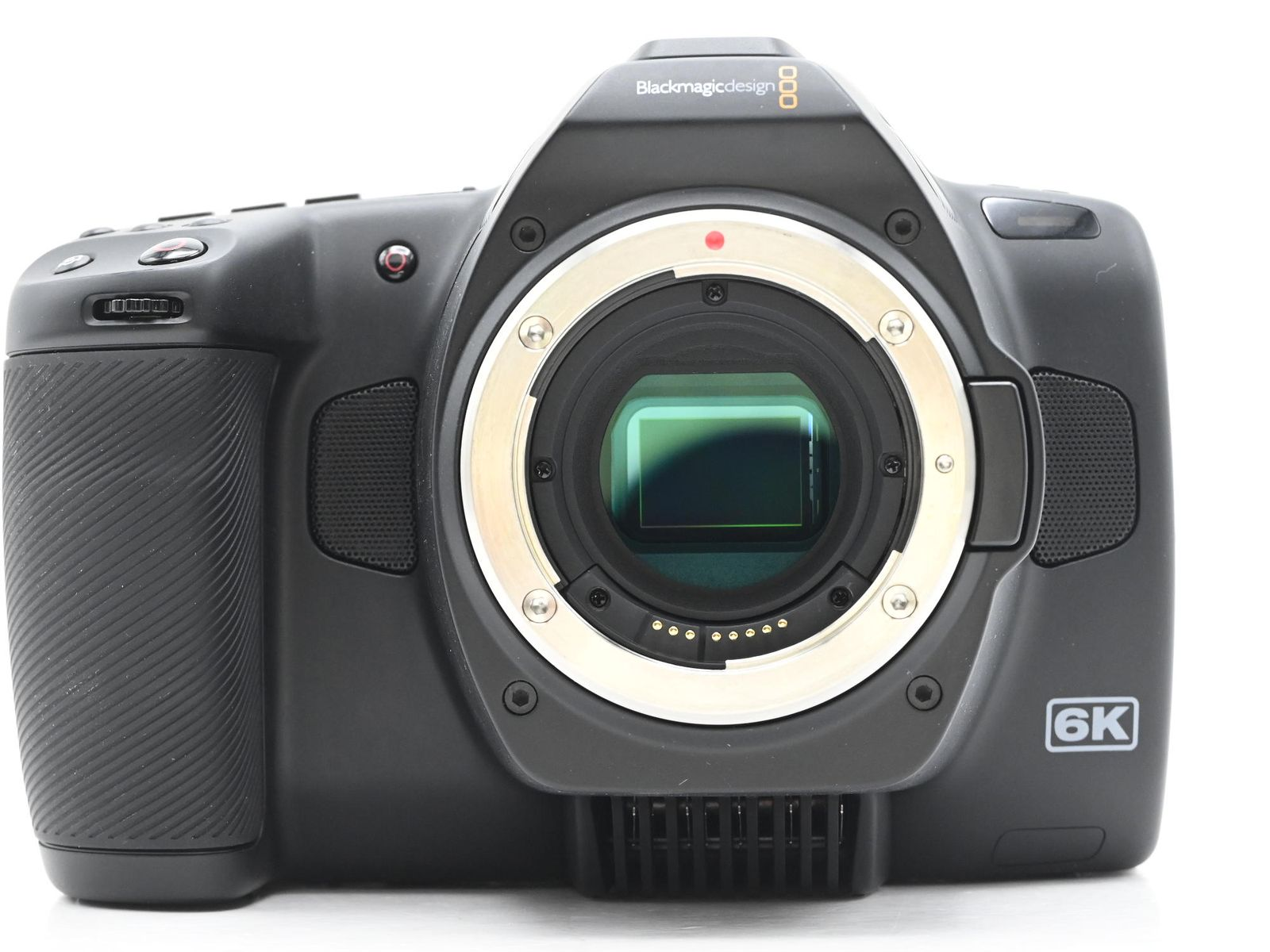
Walk through GearFocus listings on any given day and you’ll see exactly what we mean. The same gear that’s been used to create genuinely cinematic social content — Sony FX3s, Canon C70s, Blackmagic Pocket 6Ks — changes hands regularly among creators who know exactly what they want from their tools. These aren’t anonymous bulk lots. They’re cameras from working creators, sold to other working creators, with the history to prove it.
The gear gap is closing. Fast. And that’s not bad news for the craft — it’s the best news the craft has had in decades.
A Two-Way Street: When Social Media Shapes Film
Here’s the part most people don’t talk about: the influence isn’t just flowing one way. It’s not just that filmmaking techniques migrated to social media. The reverse is also happening — and it’s starting to show up in mainstream cinema in ways that would have seemed bizarre ten years ago.
Vertical framing is the obvious example. Films and TV shows increasingly incorporate vertical or near-vertical compositions — a direct inheritance from phone-native content formats. The visual grammar of Stories and TikTok has started reshaping how directors think about the frame.
Then there’s the aesthetic of rawness. The handheld, available-light, documentary-adjacent look that defines so much successful social content has made its way into feature films and prestige television. Authenticity became a visual language. Audiences raised on TikTok have calibrated sensitivity to content that feels performed or over-produced — and that’s changing what professional content is expected to look like.
Social media also changed how films get made in a more literal sense: crowdfunding. Platforms like Kickstarter and Indiegogo — powered by social media reach — have funded genuine independent productions that no traditional studio would have touched. The community finances the story. That’s a fundamental shift in who gets to decide what stories are worth telling.
“Audiences raised on TikTok have a finely calibrated sensitivity to content that feels performed or over-produced. That’s changing what professional content looks like.”
Even viral marketing has been transformed. Movie studios don’t just run trailers anymore — they run social campaigns, character takeovers, behind-the-scenes drops, and creator partnerships. The line between a film’s content and its marketing has blurred almost completely. In some cases, the marketing IS the content. That’s a filmmaking conversation as much as it is a marketing one.
The Creator Economy Rewrites the Rules
Alright, let’s talk about what this all means for the people actually doing the work.
We are living through a genuine restructuring of who makes visual content, how they make it, and how they build a career around it. The old model — go to film school, intern on a set, work your way up the hierarchy, wait for someone to give you a chance — still exists. But it’s no longer the only path. It’s not even the most common path anymore.
The new model looks more like this: develop a point of view, build an audience around your work, create consistently, iterate based on feedback, and treat every project as both a creative act and a learning exercise. The community is the distribution channel. The work is the portfolio. The platform is the film school.
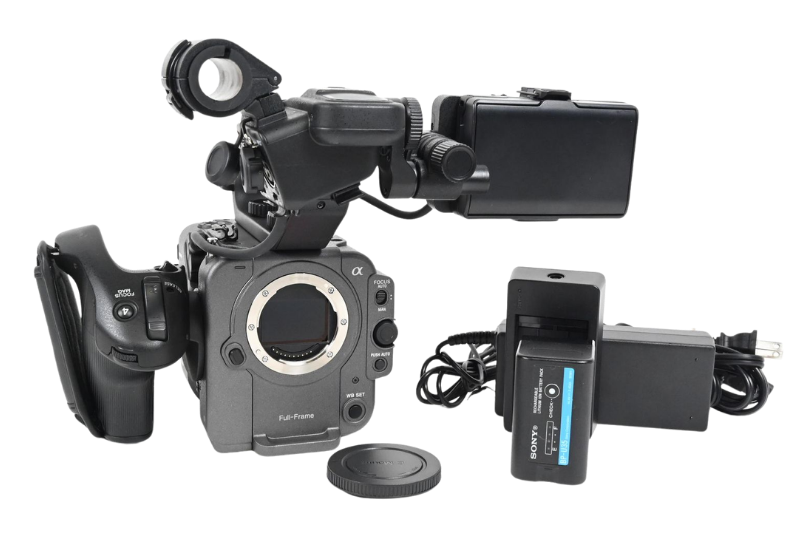
What this requires — more than anything else — is intentionality about gear. Not the most expensive gear. Not the latest release. The right tool for the story you’re trying to tell, in the hands of someone who actually understands how to use it. A camera you bought used from another creator who understood exactly what it was capable of. A lens that matches your visual sensibility. A rig that fits your workflow.
That’s the GearFocus ethos in a nutshell. This isn’t a marketplace for anonymous electronics — it’s a community of verified sellers who know what they’ve shot with, how they’ve cared for their equipment, and what it’s capable of in the right hands. When a working filmmaker sells their Sony FX6 on GearFocus, the buyer isn’t just getting a camera. They’re getting it from someone who understands the work.
And that matters. It matters more than it probably sounds.
The Frame Is Yours. Use It Well.
Social media didn’t ruin filmmaking. It expanded it. It took a craft that was locked behind studio gates and expensive equipment and turned it into something that belongs to anyone with a story worth telling, the discipline to tell it well, and the tools to execute it.
The best filmmakers of the next decade are probably on your TikTok feed right now. Some of them are 17. Some are shooting with cameras that went through four other creators’ hands before landing with them. Some of them don’t have a film school credential to their name.
What they have is a point of view. A frame. And the willingness to show their work to the world every single day until they get it right.
If any of that sounds familiar — if you’re one of those creators, or you’re trying to be — then you already know the most important thing: the gear you use matters less than how you use it. But having the right gear, at the right price, from someone who cared about it the way you will? That’s a head start worth taking.
Browse what’s available on GearFocus today — 100+ new listings daily, from verified sellers who know exactly what they’re passing on. Your next project is waiting for the right tool. Go find it.
FAQ
How has social media changed the way films are marketed?
Social media has fundamentally transformed film marketing from a one-way broadcast into an interactive, community-driven experience. Studios now build full digital campaigns around character accounts, creator partnerships, behind-the-scenes content, and fan engagement that begins months before release. The trailer is no longer the marketing centerpiece — it’s one asset in a much larger social storytelling campaign. More importantly, audience reactions on social media now influence everything from reshoots to release strategies. The community doesn’t just watch the film — it participates in its journey from production to premiere.
What camera gear is best for creating cinematic social media content?
The honest answer is: the camera you can afford to shoot with consistently is better than the camera you can’t. That said, mirrorless cameras in the Sony Alpha, Canon R, and Fujifilm X series have become the workhorses of cinematic social content for good reason — they offer exceptional color science, strong autofocus, and the ability to shoot cinematic LOG profiles that give you real flexibility in post. Pairing any of these bodies with a fast prime lens (50mm f/1.8 or 35mm f/1.8) and basic lighting knowledge will take you further than the most expensive rig in the world without proper technique. The used market on GearFocus has strong inventory of exactly these cameras at prices that make serious filmmaking accessible to independent creators.
Can independent filmmakers actually build a career through social media alone?
Yes — and it’s happening at a scale that would have been unthinkable fifteen years ago. Social media provides distribution, audience-building, feedback loops, and increasingly, direct monetization through platform revenue sharing, brand partnerships, and community-funded projects. The caveat is that social media alone rarely builds a sustainable creative career — the most successful independent filmmakers use social platforms as one layer in a broader ecosystem that might include client work, licensing, teaching, and more. What social media uniquely offers is a way to build an audience and a reputation before you have traditional industry credentials. That’s genuinely new, and genuinely powerful for anyone willing to do the work.
GearFocus is a community marketplace for pre-owned photography and filmmaking equipment. Every seller on the platform is verified. Browse 4,000+ active listings at gearfocus.com.
Own one like this?
Make room for new gear in minutes.
