- Buyer protection on every order
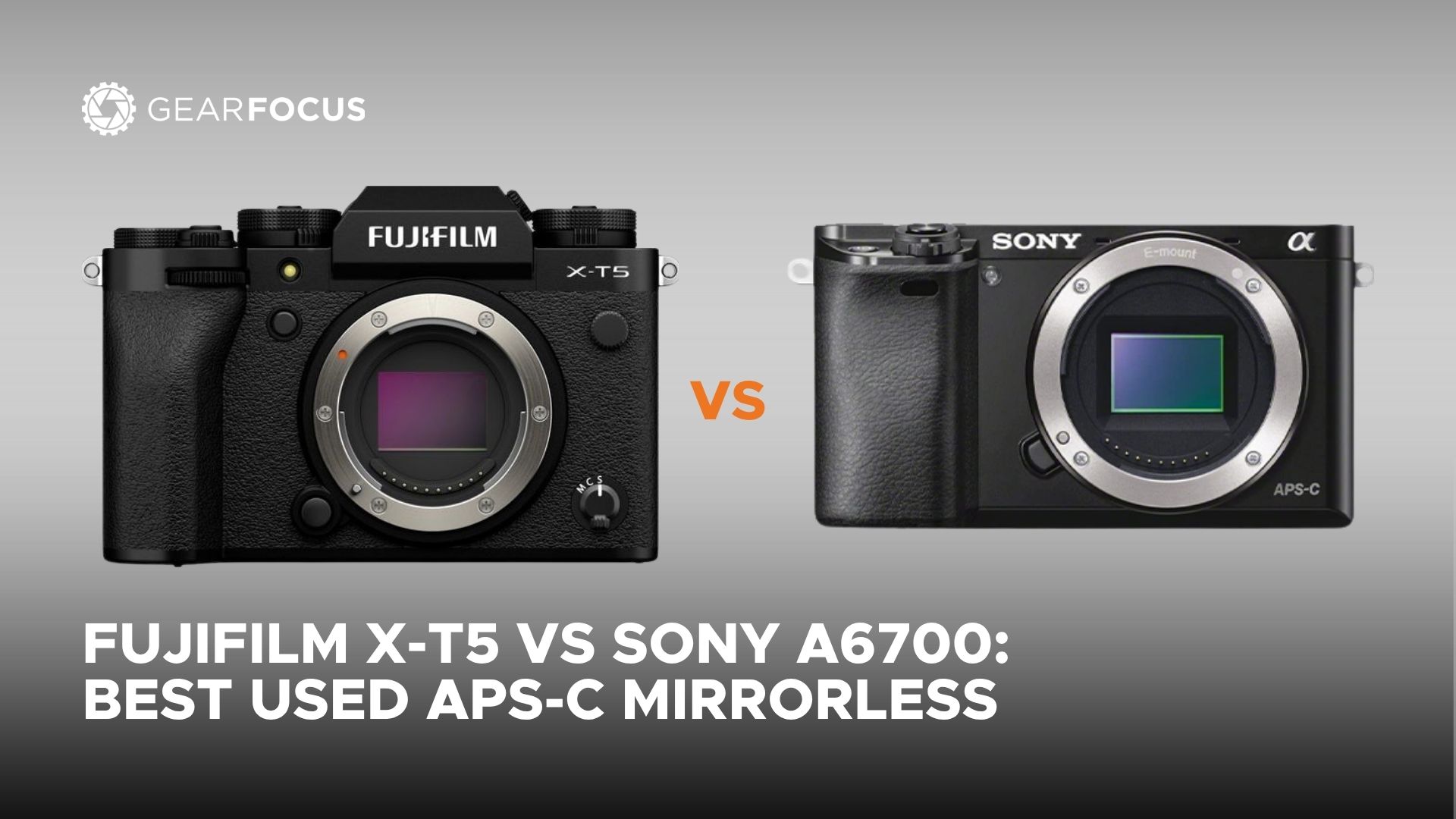
Fujifilm X-T5 vs Sony A6700: Best Used APS-C Mirrorless in 2026
GearFocus
May 6, 2026
KEY TAKEAWAYS
- Price reality check: The Fujifilm X-T5 vs Sony a6700 used market shows a ~$182 gap, with X-T5s averaging $1,411 and a6700s at $1,229 — that 15% premium buys you 14 extra megapixels and analog soul.
- Resolution vs responsiveness: X-T5 delivers 40MP files that print beautifully; a6700 counters with AI-powered AF that tracks subjects like it’s reading their minds — pick your priority.
- Video specs tell half the story: Sure, the a6700 shoots 4K/120p while the X-T5 maxes at 6.2K/30p, but Fuji’s 10-bit F-Log2 and film simulations create footage that needs less grading time.
- Ecosystem economics matter: Sony E-mount has 200+ native lenses including dirt-cheap third-party glass; Fuji X-mount has 40+ lenses but each one is intentionally crafted — quantity vs curation.
- Used market wisdom: Based on GearFocus data, X-T5 bodies hold value better (75 sales vs 28), suggesting stronger demand — but a6700s move faster when priced right.
The notification hit my phone at 11:47 PM. “Your saved search has new results: Fujifilm X-T5.” I’d been watching both cameras for weeks — refreshing GearFocus listings like some kind of deranged treasure hunter. The X-T5 was mint, 3,200 actuations, original box. The seller wanted $1,375.
Twenty minutes earlier, I’d almost pulled the trigger on a Sony a6700. Same condition. $1,195. The rational part of my brain kept doing the math: that’s $180 I could spend on glass. But here’s the thing about choosing between the Fujifilm X-T5 vs Sony a6700 used — logic only gets you halfway. The rest? Pure gut.
The Numbers Game: What Your Money Actually Buys
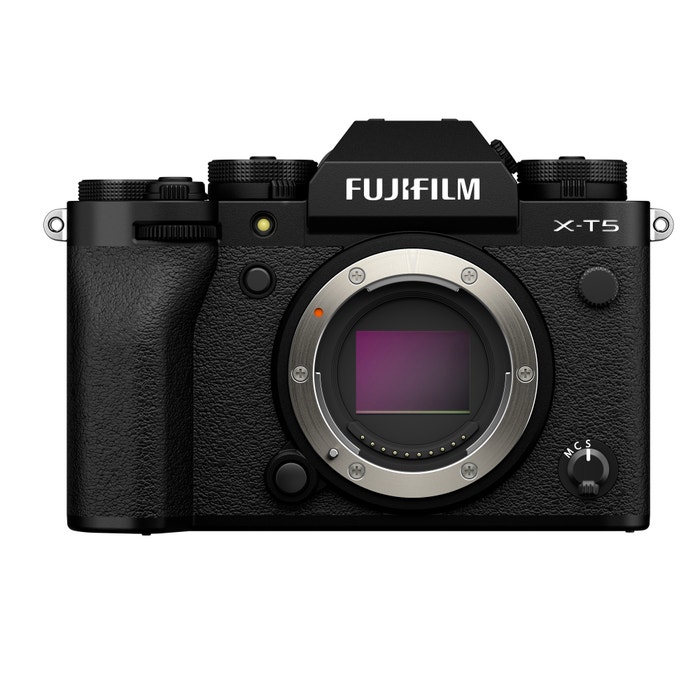
Let’s start with market reality. According to GearFocus pricing data from 103 verified sales, the Fujifilm X-T5 vs Sony a6700 used comparison shows a consistent pattern. X-T5 bodies average $1,411 across 75 transactions. The a6700? $1,229 from 28 sales. That $182 gap has stayed remarkably stable since both cameras hit the secondary market.
Here’s what that premium gets you on paper. The X-T5 packs a 40-megapixel X-Trans sensor — the highest resolution APS-C sensor you can buy. The a6700 counters with 26 megapixels, which sounds like a knockout until you realize it’s paired with Sony’s latest AI-driven autofocus processor. One camera chases resolution. The other chases speed.
But specs lie. Or at least, they tell comfortable half-truths. That 40MP sensor in the X-T5 doesn’t just mean bigger files — it means you can crop aggressively and still deliver client-ready images. I learned this shooting a corporate event where I couldn’t get closer to the stage. Cropped those X-T5 files by 40% and the CFO’s headshot still looked like I’d used a 200mm lens.
The a6700’s “mere” 26 megapixels? Honestly? More than enough for 95% of what we actually do with our images. Instagram doesn’t care about your pixel count. Neither does your website portfolio. What the a6700 lacks in resolution, it compensates with processing speed that makes the X-T5 feel contemplative by comparison.
Handling and Soul: Where Philosophy Meets Photography
Pick up an X-T5 and you’re transported. Those dedicated dials for ISO, shutter speed, and exposure compensation aren’t just design flourishes — they’re a statement about how photography should feel. Every adjustment happens without entering a menu. Without taking your eye from the viewfinder. It’s tactical in a way that modern cameras forgot how to be.
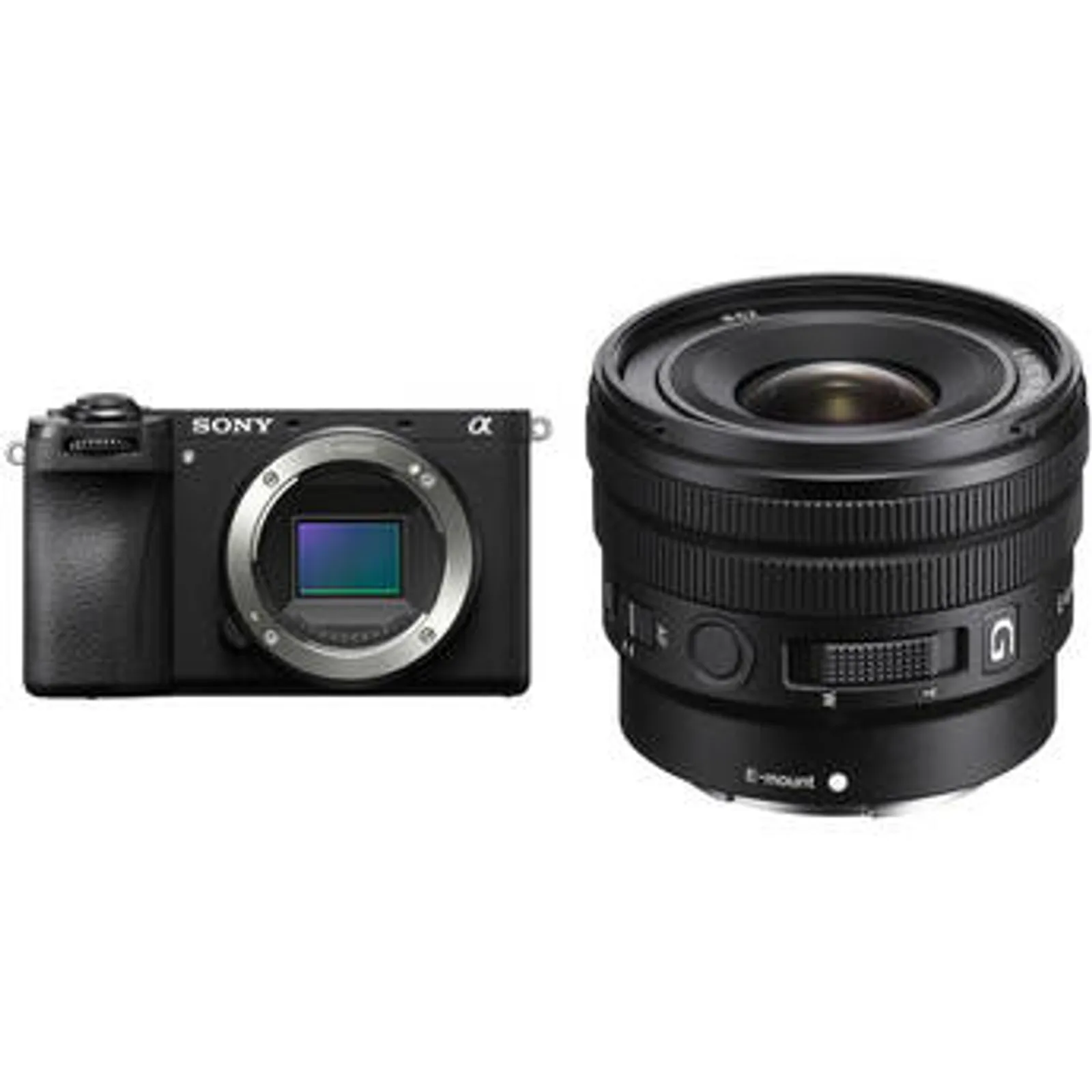
The a6700 takes the opposite approach. Clean lines. Minimal physical controls. Everything flows through customizable buttons and that responsive touchscreen. At first, I hated it. Felt like photography through a smartphone interface. Then muscle memory kicked in. Custom button C1 for eye-AF. C2 for picture profiles. C3 for frame rate. Suddenly I was changing settings faster than I ever could spinning dials.
Here’s the confession: I bought both. Not at the same time — I’m not that financially reckless. Started with the a6700 because a wedding videographer friend swore by Sony’s autofocus. Six months later, found a barely-used X-T5 for $1,280 and couldn’t resist. The plan was to flip one after a month of comparison. That was eight months ago.
The truth about Fujifilm X-T5 vs Sony a6700 used comes down to this: they solve different emotional problems. The X-T5 makes photography feel like a craft again. The a6700 removes every technical barrier between you and the shot. One feeds your soul. The other feeds your portfolio.
Video Capabilities: Different Tools for Different Stories
Let’s talk video, because that’s where these cameras reveal their true personalities. The a6700 shoots 4K at 120 frames per second. Oversampled from that 26MP sensor, no crop, 10-bit color. It’s technically superior to almost anything in this price range. Hand it to a content creator and watch them lose their mind over the slow-motion possibilities.
The X-T5 counters with 6.2K at 30fps. Fewer frame rate options, sure. But that extra resolution means you can reframe in post without quality loss. More importantly — and this is where Fuji fans get evangelical — those film simulation profiles translate beautifully to video. Eterna, Classic Negative, Nostalgic Neg. Grades that would take hours in Resolve happen in-camera.
I shot a friend’s micro-wedding with both systems. (Brought the X-T5 as backup, ended up using it for half the ceremony.) The a6700 footage was technically perfect — tack-sharp, smooth as butter, colors that popped without effort. The X-T5 footage felt like it was shot on film. Softer, yes. More character? Absolutely.
The real difference shows in post-production. Sony footage needs work to look special. It arrives neutral, waiting for your vision. Fuji footage shows up with opinions. Sometimes wrong opinions, but at least it’s trying to say something. For client work where consistency matters, I grab the a6700. For personal projects where mood trumps perfection, X-T5 every time.
The Lens Ecosystem Reality Check
Here’s where the Fujifilm X-T5 vs Sony a6700 used decision gets expensive. Sony’s E-mount has been around since 2010. That means 200+ native options from Sony, Sigma, Tamron, Viltrox, and a dozen other manufacturers. Want a razor-sharp 85mm f/1.8? Sony makes one for $598. Sigma’s version? $349. Viltrox? $189. The competition drives prices down and innovation up.
Fujifilm’s X-mount ecosystem is smaller but more curated. About 40 native lenses, mostly from Fujifilm with some recent third-party additions. They’re universally excellent — that 56mm f/1.2 produces bokeh that makes full-frame shooters jealous. But you’ll pay for that excellence. The lens that costs $189 in E-mount might run $799 in X-mount.
Real-world example: I needed a compact 35mm-equivalent for travel. For the a6700, grabbed the Sigma 30mm f/1.4 for $289 used on GearFocus. Tack sharp, fast AF, weighs nothing. The Fujifilm equivalent? The XF 23mm f/1.4 R LM WR. Incredible lens, better build quality, weather-sealed. Also $649 used. That’s real money.
But here’s the plot twist — X-mount lenses hold value better. That $649 Fuji 23mm will likely sell for $600 in a year. The Sigma might drop to $220. So the Fuji glass costs more upfront but less to own. Still painful when you’re building a kit from scratch.
Making the Choice: Real Shooters, Real Decisions
After months with both systems, patterns emerged. The a6700 excels when speed and adaptability matter. Event coverage, wildlife, video projects with quick turnarounds. That AI autofocus isn’t just marketing — it genuinely predicts subject movement in ways that feel like cheating. The extensive lens ecosystem means you can build a specialized kit without breaking the bank.
The X-T5 shines when the process matters as much as the output. Portrait sessions where you have time to work. Landscape trips where those extra megapixels capture details you’ll appreciate later. Street photography where the camera’s design keeps you engaged. It’s the camera that makes you want to shoot even when there’s no client waiting.
Cost-wise, the used market tells the truth. That $182 average price difference between Fujifilm X-T5 vs Sony a6700 used reflects their different audiences. X-T5 buyers pay more because they’re buying into an aesthetic philosophy, not just specs. A6700 buyers get cutting-edge technology at a relative bargain because Sony’s release cycle creates constant downward price pressure.
The question isn’t which camera is better. It’s which compromise you can live with. Choose the X-T5 if you value image quality, build quality, and a shooting experience that feels intentional. Choose the a6700 if you need autofocus that never misses, video features that rival cameras twice the price, and lens options for every possible scenario.
Six months after buying both cameras, I finally sold one. Won’t say which — that’s not the point. The point is that the Fujifilm X-T5 vs Sony a6700 used debate misses what really matters: both cameras are absurdly capable. Both will outlast your current skill level. Both will produce images that sing when you nail the fundamentals.
The real question is simpler: which one makes you want to pick it up tomorrow? Because the best camera isn’t the one with superior specs or even the better deal. It’s the one that gets used. Check current listings on GearFocus for both — prices fluctuate weekly, and the right deal might tip your decision. Whatever you choose, just promise me this: you’ll actually use it. The gear matters so much less than what you create with it.
FAQ
Which camera is better for beginners choosing between the Fujifilm X-T5 vs Sony a6700 used?
The Sony a6700 generally works better for beginners due to its intelligent autofocus and intuitive menu system. The camera does more of the technical heavy lifting, letting newcomers focus on composition and timing. However, if you’re drawn to photography as a craft and enjoy the learning process, the X-T5’s physical dials teach fundamental exposure concepts in a tangible way. Budget $1,200-1,300 for a used a6700 or $1,350-1,450 for a used X-T5 in good condition.
How do battery life and storage compare in real-world use?
The X-T5 edges ahead with dual SD card slots and roughly 580 shots per charge (CIPA rated). The a6700 manages about 550 shots but only has a single card slot — a potential dealbreaker for event shooters. Both cameras drain faster shooting 4K video, with the a6700 lasting about 90 minutes and the X-T5 closer to 75 minutes. Most used bodies come with aftermarket batteries, so factor in $40-60 for genuine spares regardless of which system you choose.
Are there specific use cases where one clearly dominates the other?
The a6700 dominates for wildlife and sports due to its superior autofocus tracking and higher burst speeds with AF/AE. It’s also the clear winner for video-first creators who need 4K/120p and extensive picture profile options. The X-T5 excels for landscape, studio, and deliberate photography where the 40MP resolution provides genuine advantages. For street photography, it’s a toss-up — the X-T5’s discrete design and film simulations versus the a6700’s faster, silent operation.
Own one like this?
Make room for new gear in minutes.
