- Buyer protection on every order
The Gear Every Photographer on Instagram Is Actually Using Right Now (It’s Not What You Think)
GearFocus
Feb 25, 2026
Key Takeaways
- The most-followed photographers on Instagram are not shooting with the newest, most expensive gear. Many are working with cameras that are two, three, or even five years old.
- Sensor size and megapixel counts are almost meaningless for social media output, where images are compressed aggressively regardless of source quality.
- The photographers dominating Instagram feeds are winning on light, timing, and editing — not hardware.
- Used and pre-owned gear has become the quiet backbone of the working creator economy, and the stigma around it is largely manufactured.
- The most important piece of gear is often the one that fits your workflow, not the one that tops a spec sheet.
Scroll through Instagram long enough and you’ll start to feel it. That slow, creeping anxiety. Everyone’s photos look incredible. The light is perfect. The colors are rich and warm and deliberate. The depth of field is cinematic. And somewhere in the back of your mind, a thought surfaces: what are they shooting with?
It’s a reasonable question. It’s also almost completely the wrong one.
Here’s the thing about Instagram — about really any compressed, screen-optimized social platform — that the camera industry doesn’t exactly go out of its way to advertise: the gap between a $500 used mirrorless camera and a $3,000 flagship body basically disappears the moment an image hits a feed. Instagram compresses everything. Your phone compresses everything. The algorithm has no idea what gear was used and, more relevantly, neither does the viewer. What they see is composition, light, and feeling. What they remember has nothing to do with whether it was shot in RAW on a 61-megapixel sensor.
And yet. The narrative persists. The gear obsession endures. So let’s actually look at what photographers on Instagram are using — not what they say they use in sponsored posts, but what’s actually in their bags.
The Dirty Secret of “Professional” Instagram Gear
A 2023 study by Burrard Street Journal — which tracks camera metadata from popular photography accounts — consistently found that Sony’s a7 III, a camera released in 2018, remains one of the most common bodies behind high-performing photography content. Not the a7R V. Not the a1. The a7 III. A six-year-old camera that you can now find used for well under $1,500.
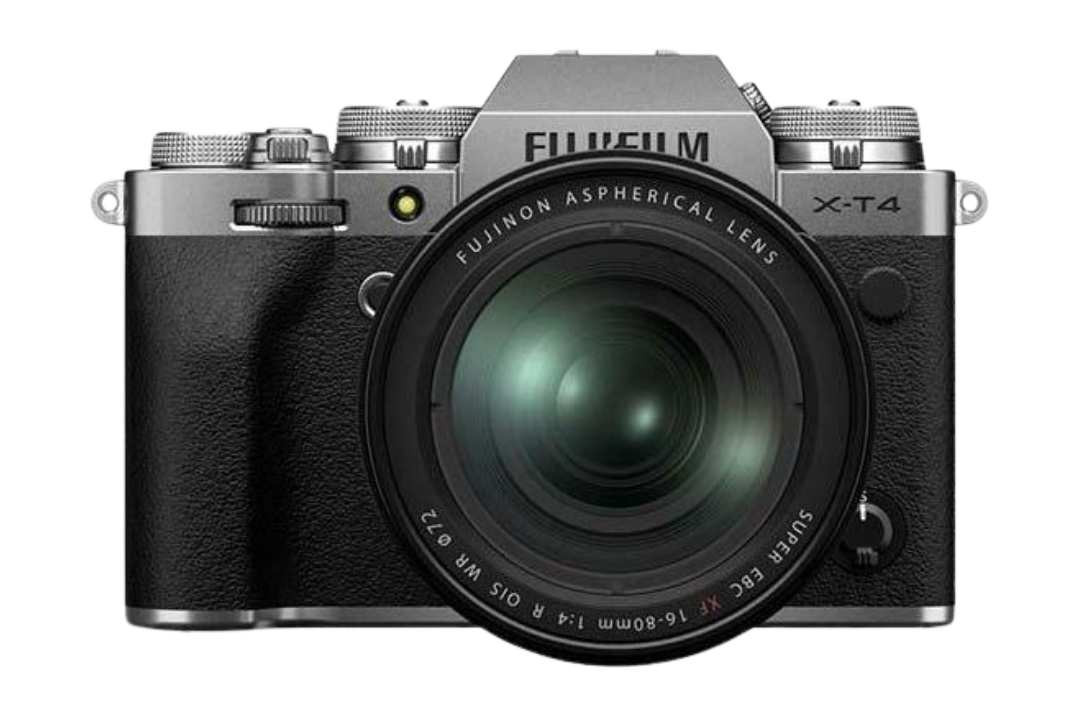
The Fujifilm X-T4, released in 2020, tells a similar story. It became a darling of travel and portrait photographers on Instagram not because it outspecced the competition, but because its color science was immediately gorgeous and its ergonomics rewarded casual, exploratory shooting. You didn’t have to work hard to make a beautiful image. The tool got out of the way.
That’s the real pattern, if you look for it. The cameras that consistently show up in the metadata of widely shared photography content aren’t the newest or most expensive — they’re the ones that became second nature to shoot with. The ones people stopped thinking about.
Honestly? That makes complete sense.
Why Specs Don’t Matter (For This)
Let’s talk pixels for a second, because this is where a lot of beginners get misled.
Instagram’s current maximum display resolution for a standard post is 1080 pixels wide. Even if you shoot on a 45-megapixel medium format body and export a massive TIFF file, Instagram will compress it down on upload. PetaPixel has covered this repeatedly, noting that Instagram’s compression algorithm hasn’t meaningfully changed its ceiling in years. You’re essentially always delivering a compressed JPEG-equivalent to your audience, regardless of source file quality.
This is not an argument against high-resolution cameras. For print, for licensing, for cropping flexibility — resolution matters enormously. But for Instagram specifically? You’re competing on storytelling, on aesthetic consistency, on the quality of your light. Not on whether your sensor is 24 or 61 megapixels.
DPReview’s long-running “real world” test series has shown this repeatedly in controlled comparisons: at web resolution, the differences between camera generations become increasingly difficult to distinguish. A skilled photographer with a five-year-old camera will outperform a beginner with today’s flagship. Every time.
What’s Actually in the Bags
So what are working Instagram photographers actually shooting with right now?
Anecdotally — from gear threads on Reddit’s r/photography, from EXIF data analyses, from creator Q&As — the real answer is: a lot of mid-range bodies that have been on the market for two to four years.
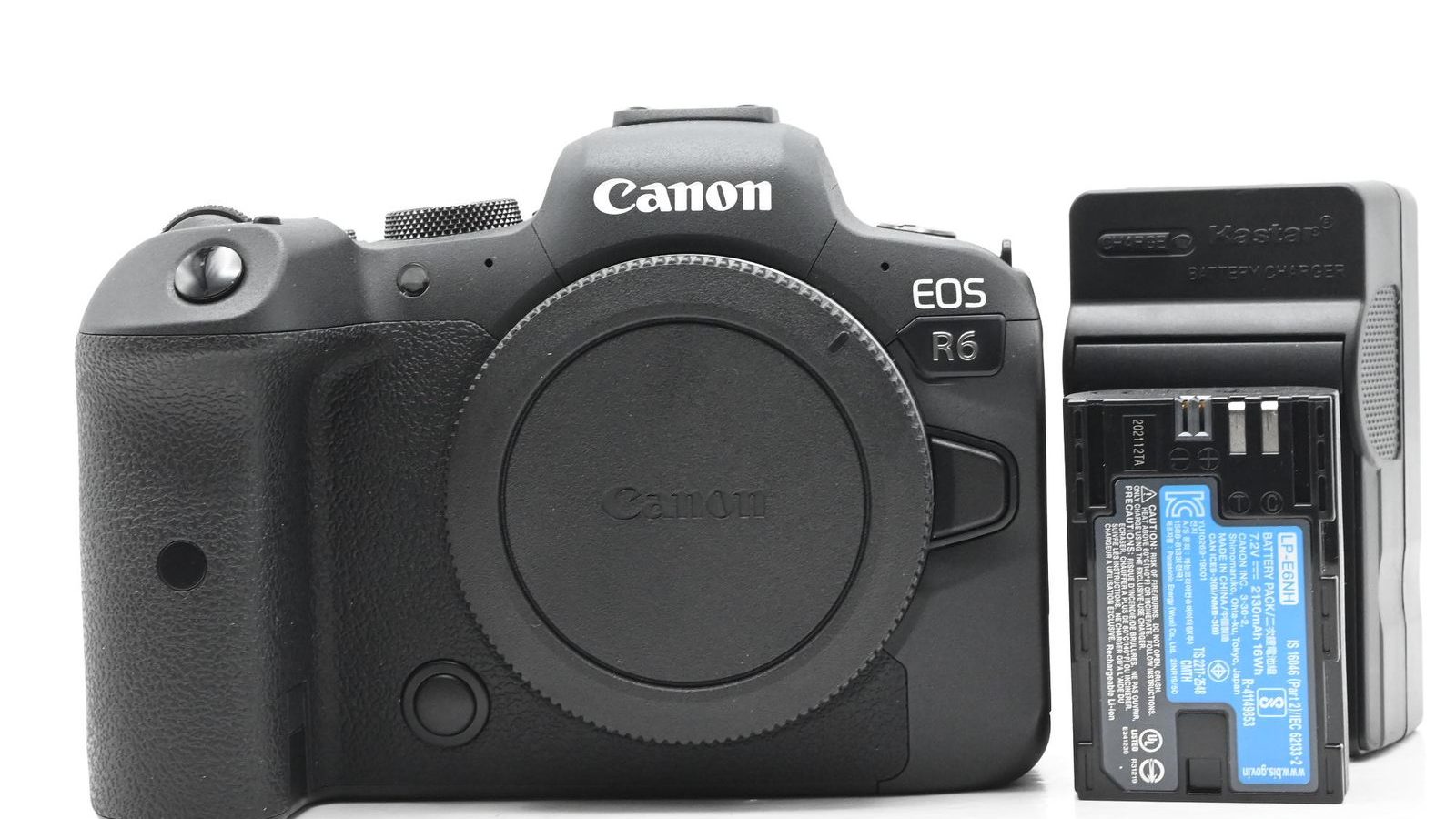
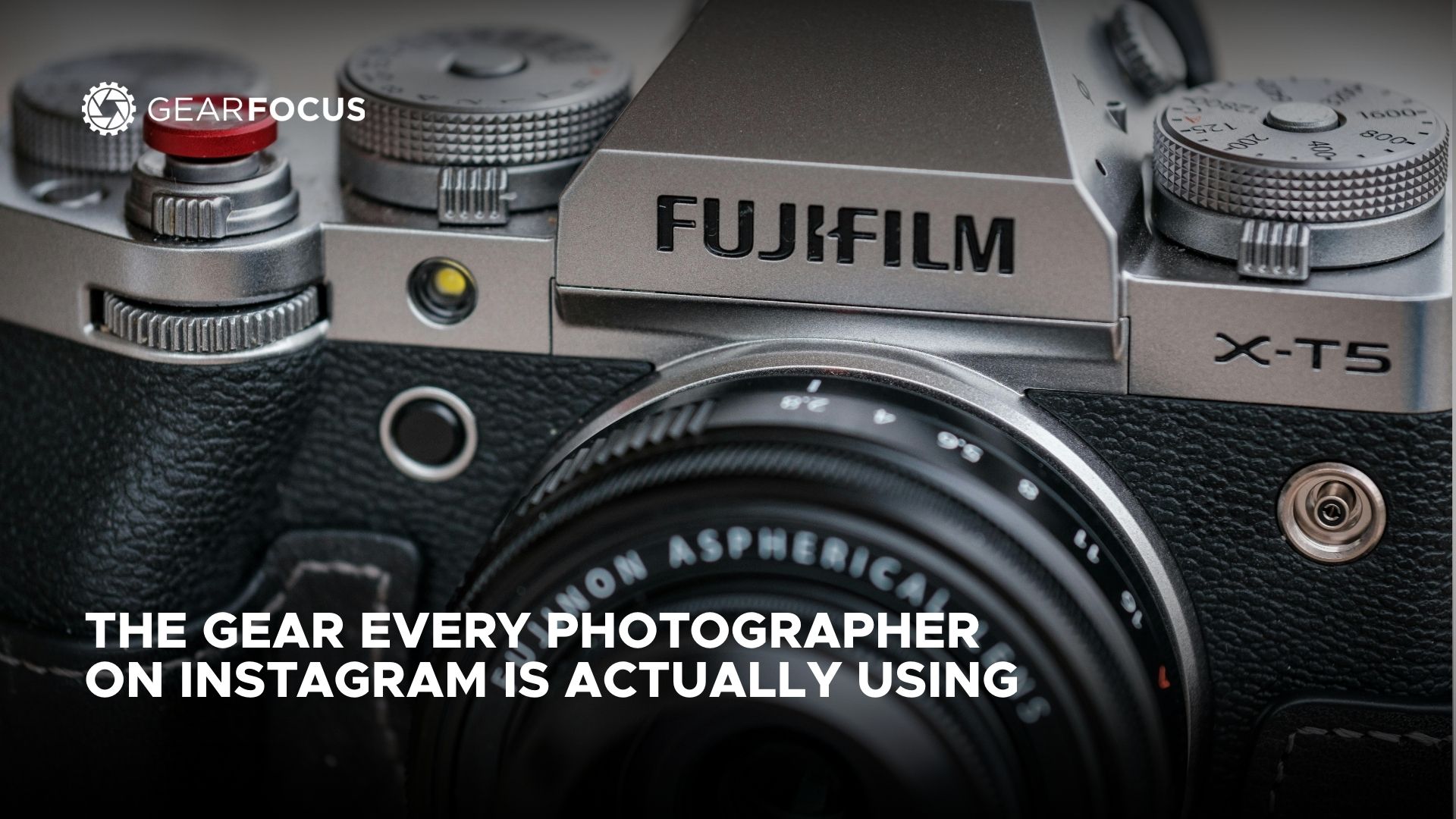
The Sony a7 III and a7C are everywhere. The Canon R6 (original, not the Mark II) is common among portrait and event photographers. The Nikon Z6 II has a quiet but devoted following. Fujifilm’s X-series — the X-T4, X-S10, and increasingly the X-T5 — dominate in the travel, lifestyle, and street photography niches. In the drone world, DJI’s older Mavic Pro models are still producing the aerial shots you see in travel content daily.
Notice what’s missing from that list? The Sony a1. The Canon R5 Mark II. The Nikon Z9. The cameras that top every “best of” list and anchor every major launch event. The flagships.
Not because those cameras aren’t good — they’re extraordinary. But because the photographers building audiences on Instagram right now largely bought into the previous generation when it made financial sense, and they haven’t needed to upgrade. Why would they? The work speaks for itself.
The Pre-Owned Reality Nobody Talks About
Here’s where it gets interesting.
A significant percentage of the cameras being used to create the content you’re scrolling past every day were purchased used. Not new. Pre-owned, second-hand, picked up from another photographer who was chasing the next thing.
This isn’t a compromise. It’s a strategy.
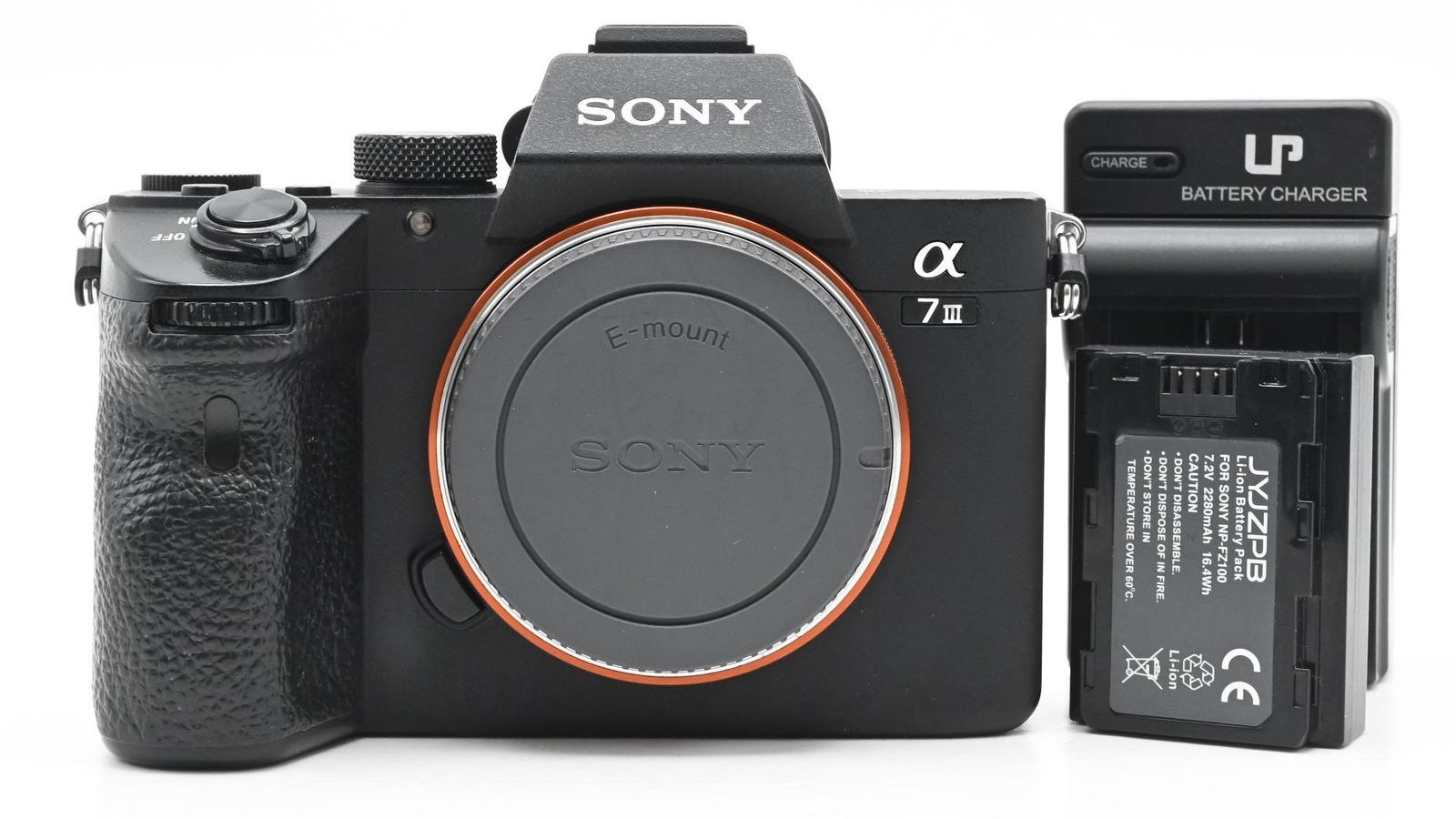
A used Sony a7 III in excellent condition costs a fraction of a new a7 IV. The image quality difference between them — for Instagram — is effectively zero. The money saved is real and can go toward glass, which actually does change your images, or toward lighting, which changes them even more dramatically.
The pre-owned camera market has matured enormously. Bodies are well-built. Shutter counts are verifiable. And platforms designed specifically for the photography community — like GearFocus, where every seller is verified — have made buying used gear dramatically less of a gamble than it was even five years ago.
Saw a Fujifilm X-T4 listed there recently for under $700. That’s a camera that, at launch, sold for $1,699. The photographer who bought it new probably shot ten thousand frames with it and took immaculate care of it. The sensor is identical to the one that costs twice as much today.
The Lens Is Usually the Story
If there’s one consistent insight from photographers who have been doing this long enough, it’s this: the camera body is almost never the variable that makes the image. The glass is.
A 50mm f/1.8 prime on a used APS-C body will produce a bokeh-rich portrait that the internet will assume came from something far more expensive. A quality 35mm lens ages almost indefinitely — the optics don’t get worse over time, and the rendering character of older glass is actively sought after by photographers who find modern clinical sharpness a little cold.
Fstoppers ran a compelling piece on this a few years ago, essentially arguing that the photography community’s collective gear upgrade cycle is driven more by marketing than by any objective creative need. Their conclusion: the bottleneck is almost never the camera.
Hard to argue with.
So What Should You Actually Buy?
Here’s the practical version of everything above, and it’s almost aggressively simple.
Buy the camera that people whose work you admire were using two years ago. Not what they’re using now. What they were using when they made the images that made you want to pick up a camera in the first place.
That camera is almost certainly available used, in excellent condition, for a price that won’t require a payment plan. It has known strengths and weaknesses that are well-documented across YouTube, Reddit, and every photography forum on the internet. You will not be discovering unknown bugs or missing features. You will be picking up a tool that has already been proven at the highest level of the work you want to do.
And then — this is the part people skip — learn it completely before thinking about upgrading. The upgrade doesn’t come from buying a new body. It comes from knowing your current one well enough that it disappears.
The photographers killing it on Instagram right now? Most of them aren’t thinking about their cameras at all. They’re thinking about the light.
FAQ
Does the camera body really not matter at all for Instagram?
For the purpose of building an Instagram audience and sharing compelling images on social media, the differences between modern camera bodies — especially across generations — are minimal once images are compressed for web delivery. Where body choice matters more is in autofocus performance (relevant for sports, wildlife, or fast-moving subjects), low-light capability, and ergonomic fit for your specific shooting style. But for general photography content? A three-year-old mid-range mirrorless will do everything you need.
Is buying used camera gear actually safe?
The used camera market has become substantially more trustworthy over the last several years, particularly on specialized platforms designed for the photography community. Shutter counts are verifiable on most bodies using free tools, condition grading has become more standardized, and dedicated camera marketplaces with verified seller systems have dramatically reduced the risk compared to buying through general peer-to-peer platforms. Due diligence — checking shutter count, asking for additional photos, buying from sellers with documented histories — covers most risk scenarios. The gear your favorite photographers are using right now may have started life as someone else’s previous camera.
What’s the single most impactful gear upgrade for an Instagram photographer?
Almost universally: a fast prime lens. A 35mm or 50mm f/1.8 on any modern mirrorless body will produce images that look expensive and intentional. If you already have that, the next upgrade is usually lighting — a portable LED panel or a quality off-camera flash opens up an entirely new range of shooting scenarios. The camera body is typically the last place the money makes the most difference.
Own one like this?
Make room for new gear in minutes.
