- Buyer protection on every order
Is High ISO Really Unusable? Buying Older Bodies With Confidence
Ysa Canlas
Jul 10, 2026
KEY TAKEAWAYS
- The short answer: High ISO camera performance on older bodies is far better than the used-market panic suggests. A five- or six-year-old full-frame sensor still delivers clean, usable files at ISO 6400 and often well beyond, especially once modern noise reduction gets involved. Buyer confidence should come from real files, not spec-sheet fear.
- Noise isn’t a dealbreaker: Grain at high ISO is recoverable. Missing the shot in the dark is not.
- Software closed the gap: AI denoise tools have made older sensors punch way above their release-year reputation.
- Buy the glass and the body together: A fast used lens does more for low light than one extra ISO stop ever will.
- Test before you trust: GearFocus’s 48-hour verification window lets you pixel-peep your own high ISO files before committing.
The gym smelled like floor wax and nerves. Fourth quarter, the overhead lights flickering that ugly greenish hum, and I’m crouched baseline with a body I’d bought used a few weeks earlier. ISO 8000. My thumb hovered. Was this thing going to hand me mush? I fired anyway. And when I got home and pulled the cards, the files were clean. Not miracle-clean. Just good. That night rewired how I think about high iso camera performance on older bodies, because the fear I’d carried into that gym turned out to be a ghost.
Here’s the thing nobody tells you when you’re shopping used: the ISO panic online is mostly secondhand. People repeat what they read, not what they shot. So let’s talk about what actually happens when you push an older sensor into the dark, and why buyer confidence should be built on files instead of forum dread.
Why High ISO Camera Performance Fear Is Mostly Inherited, Not Earned
Most of the anxiety about high iso camera performance comes from comparing test charts, not photographs. And test charts lie by omission. They show you noise at 100% magnification on a screen bigger than any print you’ll ever make.
I fell for this early. Rookie mistake. I passed on a great deal on an older full-frame body because a review said its ISO 12800 was “noticeably noisy.” Noticeable to who? At what size? I let a sentence make my decision instead of my own eyes. Eight months later I bought the same model used anyway, and I felt dumb for waiting.
A Sony forum thread made the rounds recently where a shooter pushed back hard on the idea that ISO 10,000 is unusable, and backed it up with actual sample images. You can read the thread and look at the files yourself. The comments split exactly how you’d expect: chart people versus photo people. The photo people won.
The truth is that high iso camera performance on bodies from the last several years is genuinely good. Sensor tech plateaued more than most buyers realize. A 2020 full-frame sensor and a 2024 one are closer than the marketing wants you to believe.
How Much Does High ISO Camera Performance Really Degrade With Age?
Barely, in practice. A used body from 2019 or 2020 delivers high iso camera performance that will cover the vast majority of real shooting situations, from dim receptions to indoor sports to nighttime street work.
Sensors don’t wear out the way a shutter does. Photosites don’t get “tired.” The high iso camera performance a body shipped with in 2020 is essentially the high iso camera performance it has today, assuming it wasn’t cooked in a hot car for a summer. That’s part of why buying used makes so much sense, a point worth reading more about in this breakdown of why buying used cameras is a smarter move than ever.
Where things did improve generation to generation is subtle: slightly better color retention in shadows at high ISO, marginally cleaner readout, better in-body stabilization letting you drop the ISO in the first place. Real gains. Not revolution.
And I say this as someone who chased the “new sensor” upgrade twice and couldn’t tell the difference in a final image. That stung. The money would’ve bought a lot of glass.
The Software Shift That Changed High ISO Camera Performance Forever
AI denoise tools quietly rewrote the rules. A file that looked rough at ISO 12800 five years ago now cleans up in seconds, which means the high iso camera performance of your older body effectively got an upgrade without you touching the hardware.
Think about what that does to the used market. The camera you were afraid to buy in 2022 because of its high ISO ceiling is now paired with denoise software that didn’t exist when reviewers roasted it. The sensor didn’t change. The toolset around it did.
This is the part that flips buyer confidence for me. You’re not just buying the high iso camera performance the body launched with. You’re buying that performance plus every software gain since, plus everything coming next.
I resisted these tools at first, honestly. Felt like cheating. Then I watched a “ruined” ISO 16000 frame from a dark wedding turn into a keeper the client loved, and I got over my ego real quick. The image is what matters. Nobody at the reception cared about my purist principles.
Glass Beats ISO: The Buying Move Most People Skip
If you want better low-light results, a fast lens on an older body beats a new body every time. A wider aperture lets you shoot two or three stops lower, which does more for image quality than any generational bump in high iso camera performance.
Do the math with me. A used f/1.4 prime instead of your f/4 zoom is roughly three stops of light. Three stops. That’s the difference between ISO 12800 and ISO 1600. No new camera gives you that. A lens does.
This is why I tell people to split the budget: modest used body, serious used glass. If you’re weighing what’s safe to buy secondhand, the used-lens buying guide is worth ten minutes, because lenses hold up beautifully and rarely have hidden wear the way bodies can.
Pros figured this out ages ago, which is a big reason professional creators lean so hard on used gear. They spend on optics and treat the body as the replaceable part. Smart. If a body is on your list, used f/1.4 and f/1.8 primes come up on GearFocus constantly, and pairing one with an older body is the cheapest real path to better low-light work. Worth a look before you overspend on a new sensor.
Buying With Confidence: How to Verify High ISO Camera Performance Before You Commit
Don’t trust a listing photo. Trust your own test files. The single best thing about buying a used body is that you can shoot it yourself before the return window closes.
On GearFocus, every purchase carries a standard 48-hour verification window after delivery. That’s your chance to do the test that matters: mount a lens, crank the ISO, shoot your actual subjects in your actual lighting, and judge the high iso camera performance with your own eyes. If it’s not as described, you return it at no charge and the seller covers return shipping.
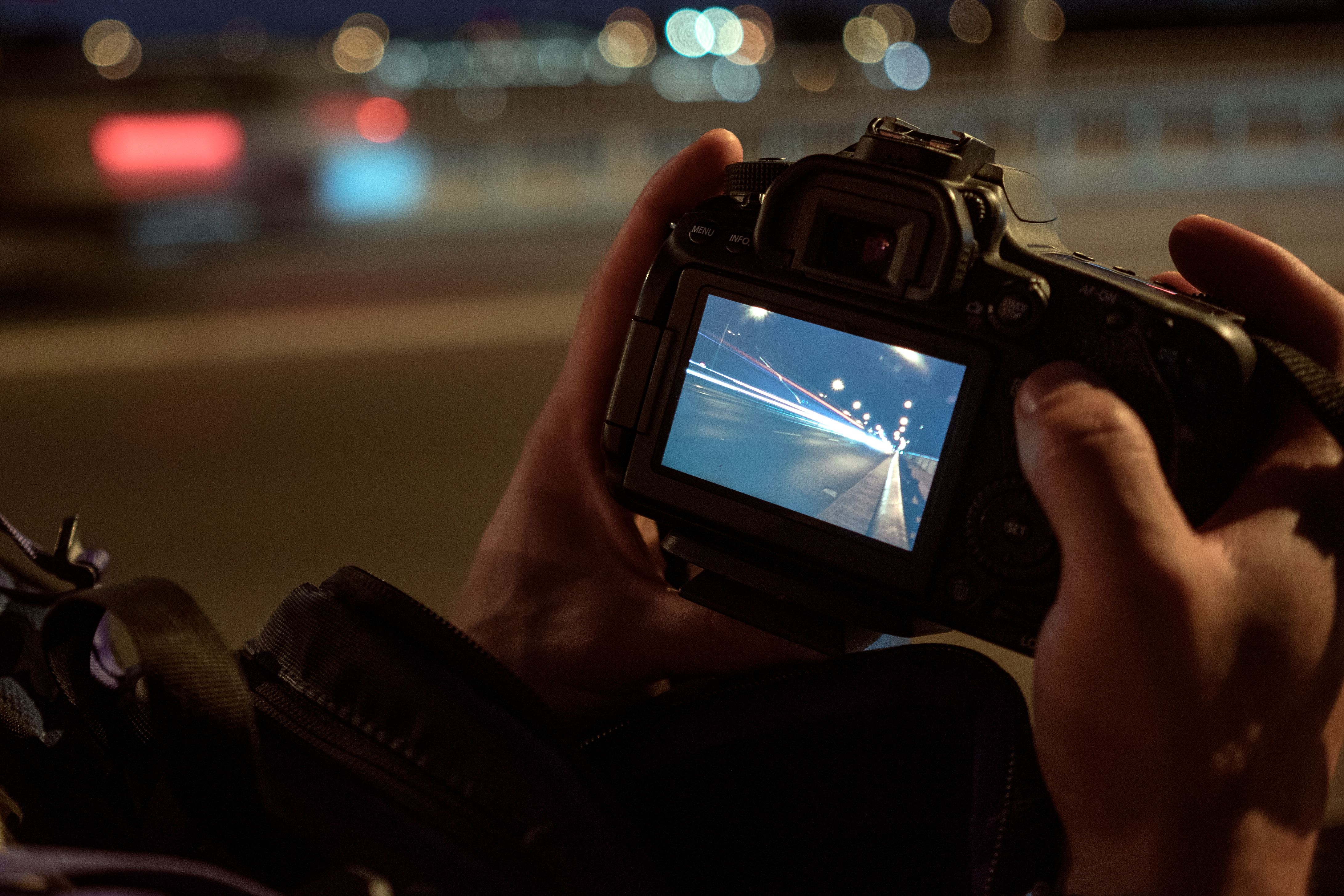
Here’s my quick test routine. Shoot a mid-toned scene at ISO 3200, 6400, 12800, and whatever the body’s ceiling is. Look at shadow color, not just grain. Run one file through denoise. If the cleaned-up shot holds detail you’d print, you’re done. That whole process takes fifteen minutes and settles the high iso camera performance question forever.
And verify shutter count while you’re at it. I ignored that once on a first used body and paid for it later. Learn from my dumb luck. GearFocus sellers verify their identities, which takes a lot of the guesswork out, but the 48 hours are yours to use, so use them.
When Older High ISO Camera Performance Actually Isn’t Enough
Let’s be fair. There are cases where you genuinely need the newest sensor, and pretending otherwise would be dishonest. If you shoot astrophotography, extreme deep-dark video, or you’re printing enormous gallery work from ISO 25600 files, the newest bodies earn their price.
But that’s a narrow slice of shooters. For weddings, events, sports, travel, street, portraits, and video that lives on screens, the high iso camera performance of a well-chosen used body is plenty. More than plenty. If you’re honestly in the upgrade window for a real reason, these reasons to update your gear are worth checking against your own needs first.
The mistake is buying newest “just in case.” Just in case is expensive. Buy for what you actually shoot.
The Bottom Line on High ISO Camera Performance and Used Bodies
The dark isn’t the enemy it used to be. High iso camera performance on older bodies is quietly excellent, software keeps making it better, and a fast used lens will do more for your low-light work than any new sensor on the shelf. Buyer confidence doesn’t come from spec sheets. It comes from files, and from being able to test those files yourself. Used bodies and fast primes come up on GearFocus regularly, and the 48-hour verification window means you can confirm the high iso camera performance before you commit. Have a body you’ve outgrown? Buyers are actively searching, and sellers keep 91.5% of the sale. Shoot the test. Trust your eyes.
FAQ
Is high ISO usable on older camera bodies?
Yes. High iso camera performance on full-frame bodies from the last five or six years is very usable, with clean files at ISO 6400 and often good results well beyond that. Modern AI denoise tools push it further. For most shooting, from events to indoor sports, an older sensor covers you.
Does a camera sensor lose high ISO performance as it ages?
No, not in normal use. A sensor’s high iso camera performance stays essentially the same over its life, since photosites don’t wear out the way a mechanical shutter does. This is a big reason used bodies remain such strong value, as long as you verify the overall condition and shutter count before buying.
Should I buy a new camera or a used camera with a fast lens for low light?
For low light, a used body paired with a fast lens usually beats a new body. A wider aperture buys you two to three stops of light, which improves image quality more than a generational bump in high iso camera performance. Spend on the glass, treat the body as replaceable, and test your files during the return window.
Photo: Karol D
Own one like this?
Make room for new gear in minutes.
