- Buyer protection on every order
How to Sell Your Used Sony A7-Series Camera
GearFocus
Jul 9, 2026
KEY TAKEAWAYS
- Sony holds the crown for value: Across GearFocus, Sony A7 bodies pull the highest average sale value among the big three brands.
- Buyers check the boring stuff: Actuation count, screen wear, sensor dust, and firmware version make or break a hybrid body sale.
- Real price anchors matter: A7 III sits around $1,076, A7 IV near $1,718, A7R V around $2,741, and the A1 close to $3,699.
- Condition swings the number hard: On pro bodies, a clean sensor and low shutter count can mean hundreds of dollars either way.
- The fee math favors you: On GearFocus you keep 91.5% — 8.5% total. eBay eats roughly 13.6%.
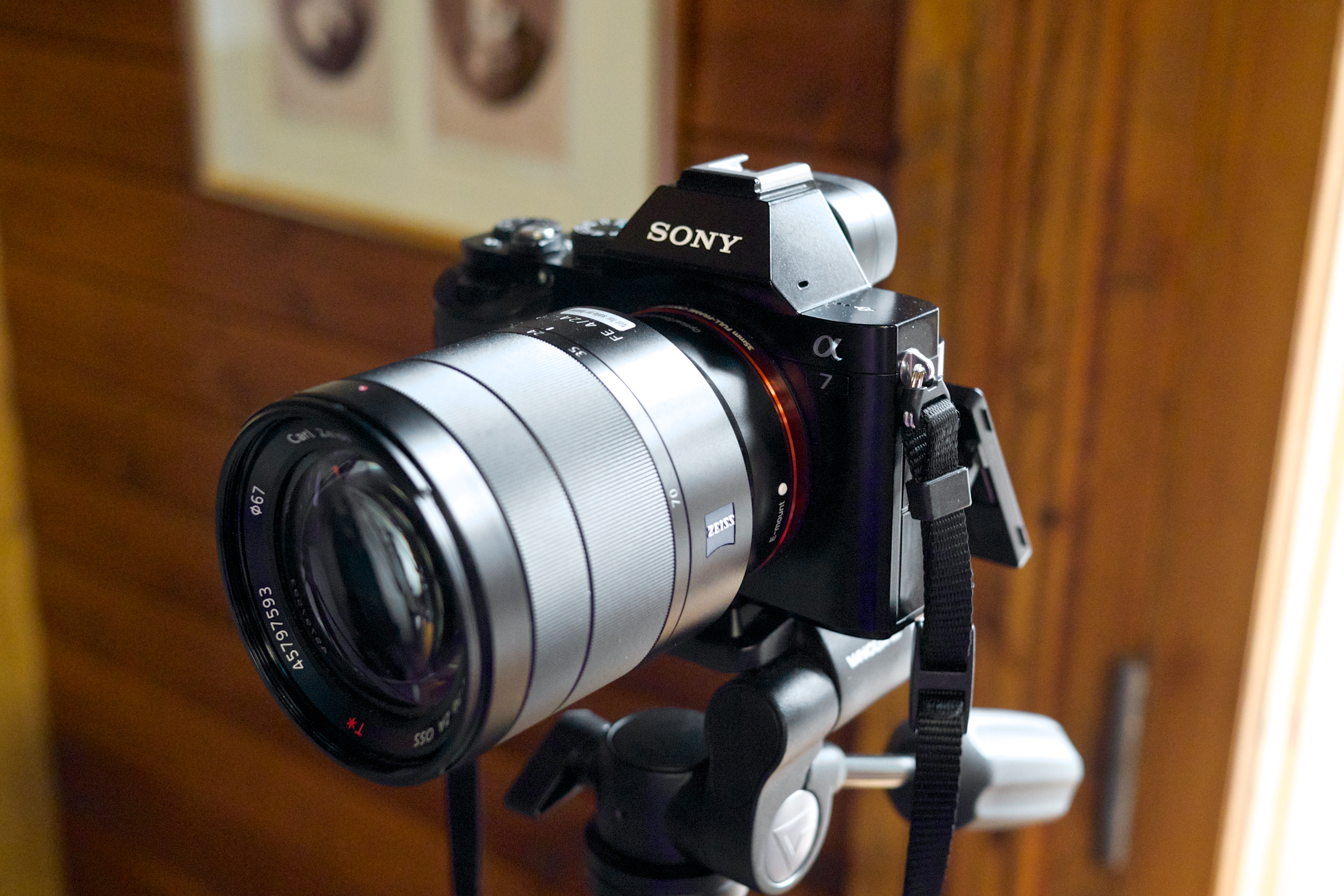
The A7 III came out of the bag still wearing its L-bracket, the grip a little shiny from three years of sweaty palms. No box. A single battery. And a shutter count I hadn’t checked until the buyer asked. That’s the moment most people who want to sell used Sony A7 gear freeze up — because they realize they’ve been guessing at the one number that actually moves the price. I’ve been there. So let’s fix that.
Here’s the deal. Sony’s A7 line is the best-selling hybrid family on the used market for a reason: full-frame, video that punches above its price, and a lens ecosystem people are locked into. That demand is exactly why Sony bodies carry the highest average sale value on GearFocus. If you own one, you’re sitting on something buyers are actively hunting for. This guide walks you through what they check, what your body is really worth, and how to list it so it sells fast.
WHAT BUYERS ACTUALLY CHECK BEFORE THEY BUY
Buyers shopping hybrid bodies aren’t casual. They shoot stills and video, they read spec sheets for fun, and they will ask you pointed questions. Answer them before they ask.
Actuation count. This is the odometer. A body with 8,000 clicks reads differently than one with 90,000, even if both look mint. Sony makes this checkable — pull the number and put it in the listing. Hiding it just makes people assume the worst.
Screen and EVF wear. Tilt screens on the A7 line take abuse. Scuffs, dead pixels, a wobbly hinge — buyers zoom into your photos looking for exactly this.
Sensor dust. Sony sensors sit exposed during lens swaps, and dust is the number one thing that scares buyers off. Shoot a blank frame at f/16 against a white wall. If it’s clean, show it. If it’s not, a proper sensor clean before listing pays for itself.
Firmware. A body running the latest firmware signals a careful owner. It’s a small thing. It builds trust anyway.
I once listed a body and left out the actuation count because I “didn’t want to deal with it.” Three lowball offers later, I added it — 11,000 clicks — and it sold at asking within two days. Lesson learned. When you sell used Sony A7 gear, transparency isn’t just nice. It’s a pricing strategy.
REAL PRICE ANCHORS ACROSS THE A7 LINE
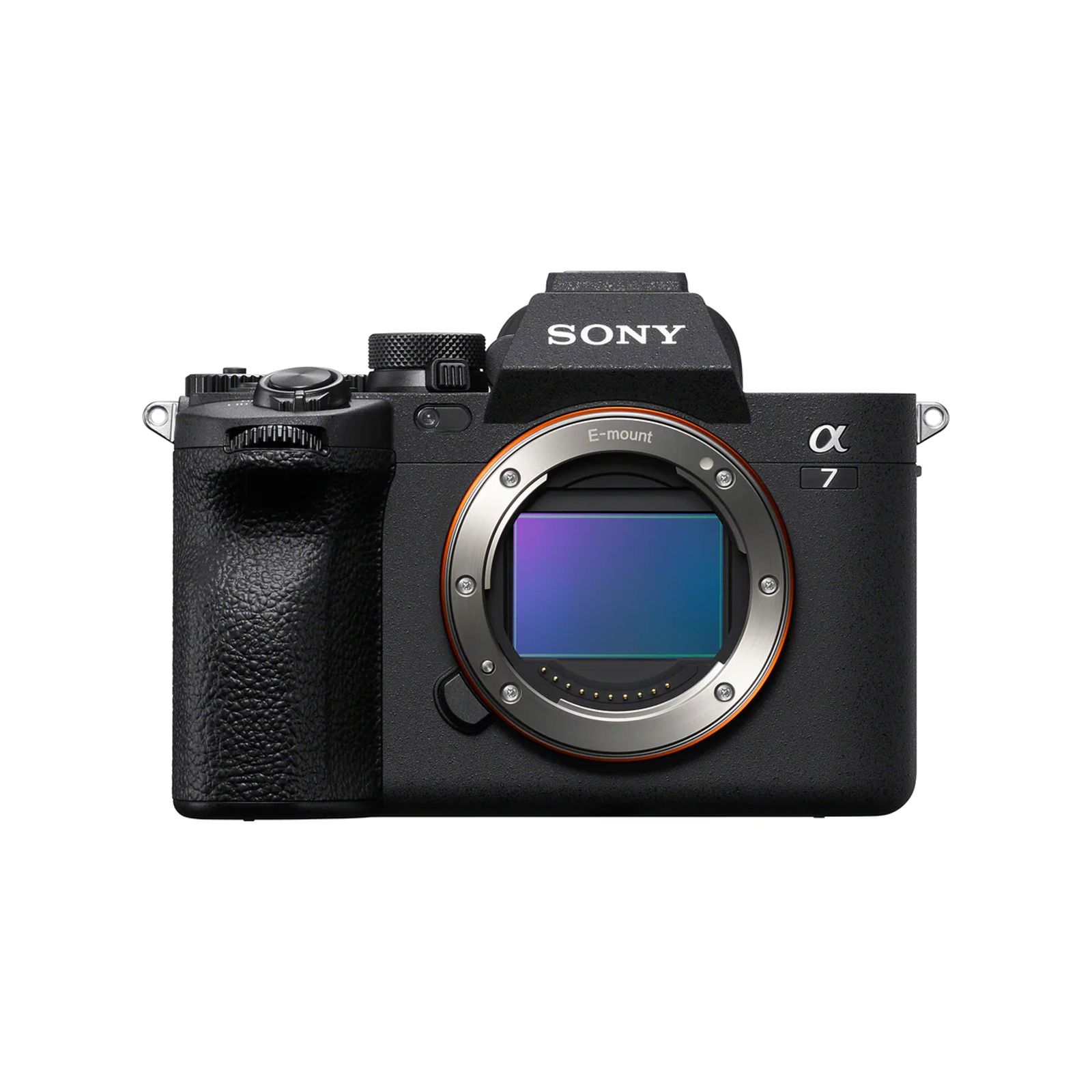
Pricing your body off a hunch is how you either scare buyers away or leave money on the table. Use the data. Here’s what GearFocus sales actually show across the line.
- Sony A7 III: ~$1,076 (verified GearFocus sales data). Still the workhorse entry into full-frame. Massive demand.
- Sony A7 IV: ~$1,718 (verified GearFocus sales data). The hybrid sweet spot — the one most creators actually want.
- Sony A7R V: ~$2,741 (verified GearFocus sales data). High-res, high value, condition-sensitive.
- Sony A1: ~$3,699 (verified GearFocus sales data). The flagship. The one that anchors Sony’s top spot on the platform.
Notice the spread. If you own an Sony A7 III, you’re playing in a high-volume, price-competitive lane — condition and honesty win. If you’ve got a Sony A7R V, small details move real money.
Those numbers come from actual completed sales, not wishful listing prices. That’s the difference between the GearFocus Pricing Guide and eyeballing a marketplace. When you decide to sell used Sony A7 equipment, start from what buyers have genuinely paid, then adjust for your body’s condition.
HOW CONDITION MOVES THE NUMBER
On entry bodies, condition matters. On pro bodies, condition is the whole game. A pristine A7R V with 4,000 actuations and a spotless sensor can command hundreds more than a beat-up one with a scuffed screen and a heavy click count.
Think of it as a ladder. Mint, low-count, boxed with extras sits at the top of the range. Clean and honest with normal wear sits in the middle. Cosmetically rough or high-mileage sits at the bottom — and that’s fine, as long as you price it there.
Honestly? The biggest mistake I see sellers make is pricing a well-loved body like a mint one, then getting frustrated when it sits. It’s not the market rejecting you. It’s the photos telling the truth your price won’t.
A working shooter I know listed a battered A7 III for top-of-range and swore the market was broken. It wasn’t. He dropped it $180, added a shot of the actual sensor scan, and it sold that weekend. Price to condition. Every time. That’s how you sell used Sony A7 bodies without the listing gathering dust.
LISTING TIPS THAT MAKE A SONY BODY SELL FAST
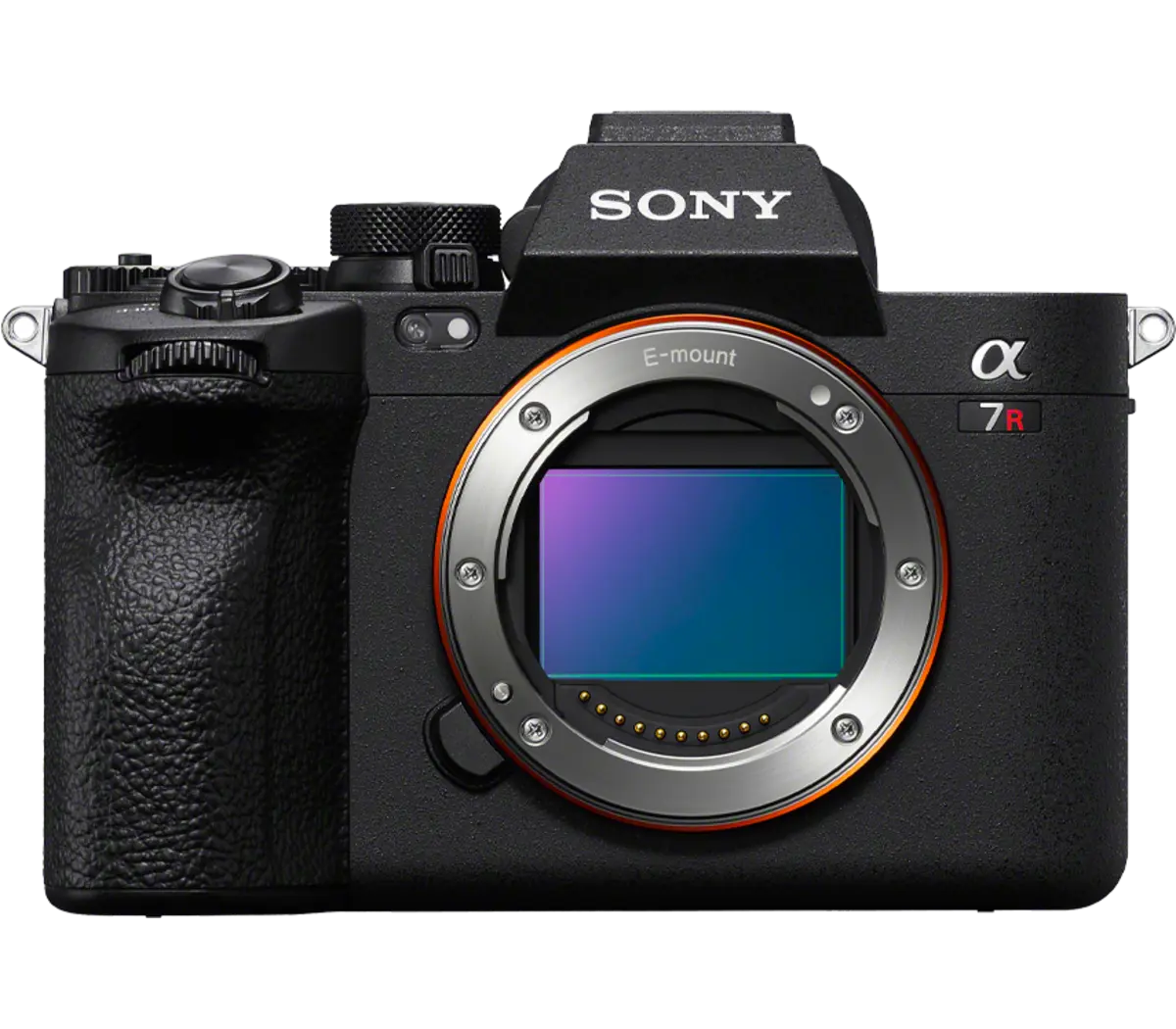
Great photos do the heavy lifting. Natural light, plain background, and cover every angle — top, bottom, ports, hot shoe, the sensor itself. Show the wear. Buyers trust a listing that isn’t hiding.
Write the description like you’re texting a friend who’s on the fence. Actuation count up top. Firmware version. What’s included — batteries, charger, cables, box, cage mounts, whatever. Then a plain sentence about condition: “small scuff on the base plate, sensor is clean, everything works.”
Verified seller identity helps here more than people realize. On GearFocus, sellers verify who they are — not just how old the account is. For a buyer dropping $2,700 on a body they can’t hold first, that trust closes the deal.
And back it with the buyer protection everyone gets: a 48-hour verification window after delivery. If the body isn’t as described, the buyer returns it at no charge. That safety net makes strangers comfortable buying your gear — which means faster sales when you sell used Sony A7 equipment.
THE FEE MATH: WHY YOU KEEP MORE WHEN YOU SELL USED SONY A7 GEAR HERE
Let’s not kid ourselves — fees are where marketplaces quietly rob you. So run the numbers.
Say your A7 IV sells at the $1,718 anchor. On GearFocus, the total fee is 8.5%. You keep 91.5% — about $1,572. On eBay, at roughly 13.6%, you’d net closer to $1,485. That’s near $90 gone on a single body. Sell an A1 at $3,699 and the gap widens fast.
The trade-in route is worse. KEH and MPB run a 30–50% spread between what they pay you and what they resell for. That’s convenient. It’s also expensive convenience.
GearFocus is the only marketplace built specifically for photographers and filmmakers, backed by tens of thousands of historical sales records. You’re not shouting into a sea of phone cases and car parts. You’re listing where buyers show up already knowing what an Sony A7 IV is worth. Check the full GearFocus seller fee breakdown and the Sony Alpha lineup if you want to double-check what you’ve got.
CONCLUSION
Your Sony body isn’t dead weight in a drawer. It’s the highest-value gear on the platform, and buyers are actively searching for it right now. Pull your actuation count, clean your sensor, shoot honest photos, and price to the real data — not to hope. Do that, and it sells. If you’re ready to sell used Sony A7 gear, list it where you keep 91.5% and where the buyers already speak your language. List your Sony A7 on GearFocus and let it go to someone who’ll actually use it. Got questions about what yours is worth? Drop them below — I read every one.
FAQ
How do I find my Sony A7 shutter actuation count? Sony doesn’t show it in the menu, but you can read the EXIF data from a recent RAW or JPEG using free online actuation-count tools, or software like Sony’s own utilities. Once you have the number, put it directly in your listing. It’s the single most-asked question from buyers, and answering it upfront removes their biggest hesitation. Bodies under 20,000 clicks generally sit at the top of their price range.
What’s the best time to sell used Sony A7 bodies? Demand stays fairly steady, but it spikes when Sony announces a new generation and current owners upgrade. If a successor to your model just dropped, list before prices soften. Otherwise, condition and honest pricing matter far more than timing. A clean, well-photographed body at the right price sells any month of the year.
Will I actually net more than selling on eBay or trading in? In most cases, yes. GearFocus takes 8.5% total, so you keep 91.5% — versus roughly 13.6% on eBay and a 30–50% spread on trade-in services like KEH or MPB. On a $2,741 A7R V, that difference can run well over a hundred dollars. For high-value Sony bodies, the fee math clearly favors selling direct to a buyer here.
Photo: dambranslv
Own one like this?
Make room for new gear in minutes.
