- Buyer protection on every order
How to Sell Your Used Sony Cinema Camera on GearFocus: Pricing Guide and Tips
GearFocus
Apr 15, 2026
KEY TAKEAWAYS
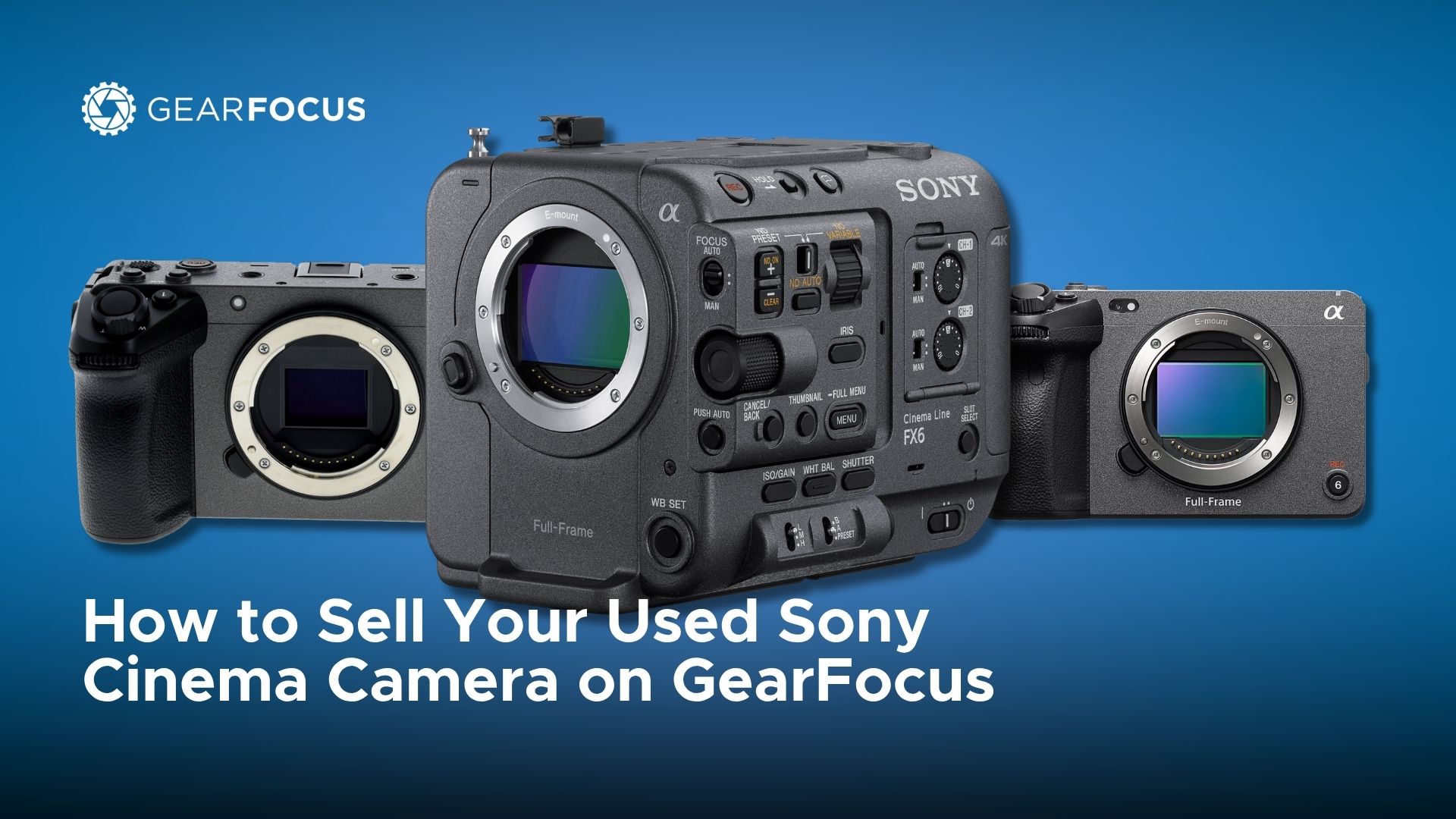
- Sony cinema cameras are hot: FX3 leads with 79 buyer searches monthly, FX6 follows with 70 — but listings are scarce. Your gear could sell within days.
- Premium prices for clean units: FX6 averages $5,054, FX3 at $3,399, FX30 at $1,506. Excellent condition commands 10-15% more.
- Buyers care about specifics: Recording hours, firmware version, sensor condition, and included accessories make or break the sale.
- GearFocus advantage: Keep 91.5% of your sale price (vs. ~86% on eBay). Purpose-built for filmmakers who understand cinema gear value.
- Fast movers: Sony cinema cameras typically sell quickly — list now while demand peaks and supply remains tight.
The FX6 sat in my Pelican case for three months. Full cinema rig. V-mount plate. Atomos monitor. The works. I kept telling myself I’d use it on the next big project. Truth is, I hadn’t powered it on since wrapping a corporate shoot in August. When I finally decided to sell used Sony cinema camera gear, I discovered something surprising: buyers were practically lining up.
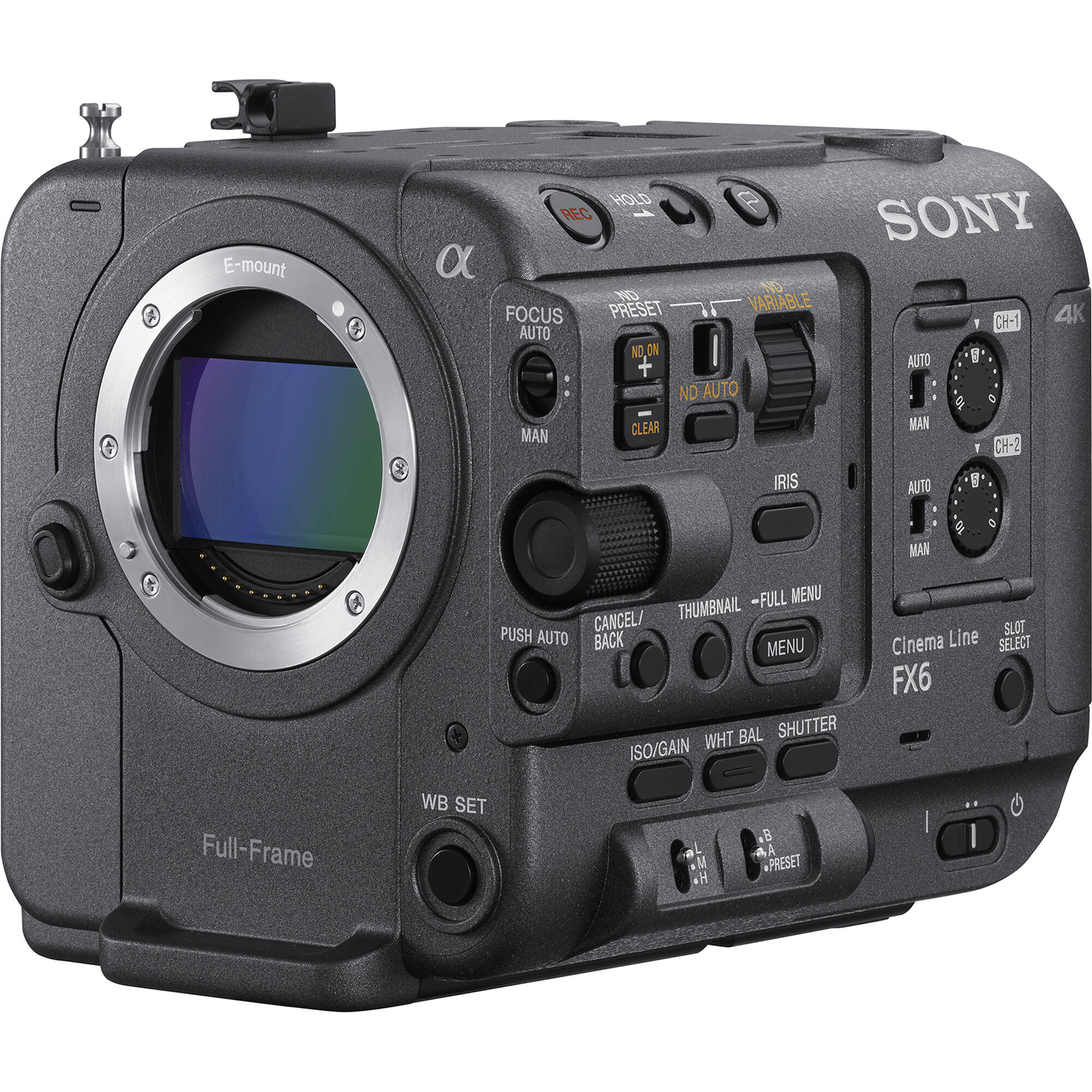
Here’s what the data shows: 262 people searched for Sony cinema cameras on GearFocus last month. The FX3 alone drew 79 searches. The FX6? Another 70. But here’s the kicker — there aren’t enough listings to meet demand. If you’re sitting on cinema glass gathering dust, you’re sitting on cash.
The Sony Cinema Camera Gold Rush Nobody’s Talking About
Scroll through any filmmaking forum and you’ll see it. “Where can I find a used FX3?” “Anyone selling their FX6?” The demand is real. The supply? Not so much.
I pulled the trigger last month. Listed my FX6 kit on a Thursday. Had three serious inquiries by Saturday. Sold it Tuesday for $5,200 — just above the platform average of $5,054. The buyer? A documentary filmmaker upgrading from an a7S III. Said he’d been hunting for weeks.
The numbers don’t lie. Based on 27 verified FX6 sales, these cameras move fast. The FX3 shows similar velocity — 26 sales averaging $3,399. Even the FX30, the baby of the bunch, commands $1,506 on average.
Here’s what makes this interesting: Sony’s Cinema Line holds value differently than their Alpha series. These aren’t consumer cameras that depreciate monthly. They’re production tools. Buyers understand that.
What Cinema Camera Buyers Actually Check (Spoiler: Everything)
Let me save you some messages. When buyers evaluate whether to buy your camera, they’re forensic about it. After fielding dozens of questions when I decided to sell used Sony cinema camera equipment, patterns emerged.
First question, every time: “How many recording hours?” They want the honest number. Not estimates. The actual data from your camera’s system info. One buyer told me anything under 500 hours is basically new in cinema terms. Mine had 347.
Second: sensor condition. Any dead pixels? Hot pixels? They’ll ask for a white wall test at ISO 12,800. Just shoot 10 seconds of a white wall, max ISO. Upload the file. Transparency builds trust.
Mount wear matters more than you’d think. Heavy cinema lenses stress that mount. Buyers zoom in on those photos. They’re looking for brass showing through, uneven wear patterns. My FX6 mount looked factory fresh — mentioned that prominently.
Firmware version? Critical. Current firmware shows you maintained the camera. Still running launch firmware? Update it first. Takes 20 minutes, adds buyer confidence.
The accessories conversation is where deals happen. Original box? Add 5%. V-mount plate included? Another $200 in perceived value. That top handle everyone loses? If you have it, photograph it.
Pricing Your Sony Cinema Camera to Sell (Fast)
Alright, let’s talk money. When you sell used Sony cinema camera gear, pricing determines everything. Too high? Cricket symphony. Too low? You’re leaving cash on the table.
Start with the baseline. FX6 units average $5,054 across 27 recent sales. But that’s just the middle. Dig deeper. Excellent condition units — like, truly excellent — pull 10-15% premiums. We’re talking $5,500+ for pristine FX6 bodies.
The FX3 market is equally robust. Average transaction: $3,399. But I’ve seen clean units with low hours fetch $3,700. Why? Because buyers know what new costs. They’re not shopping price — they’re shopping value.
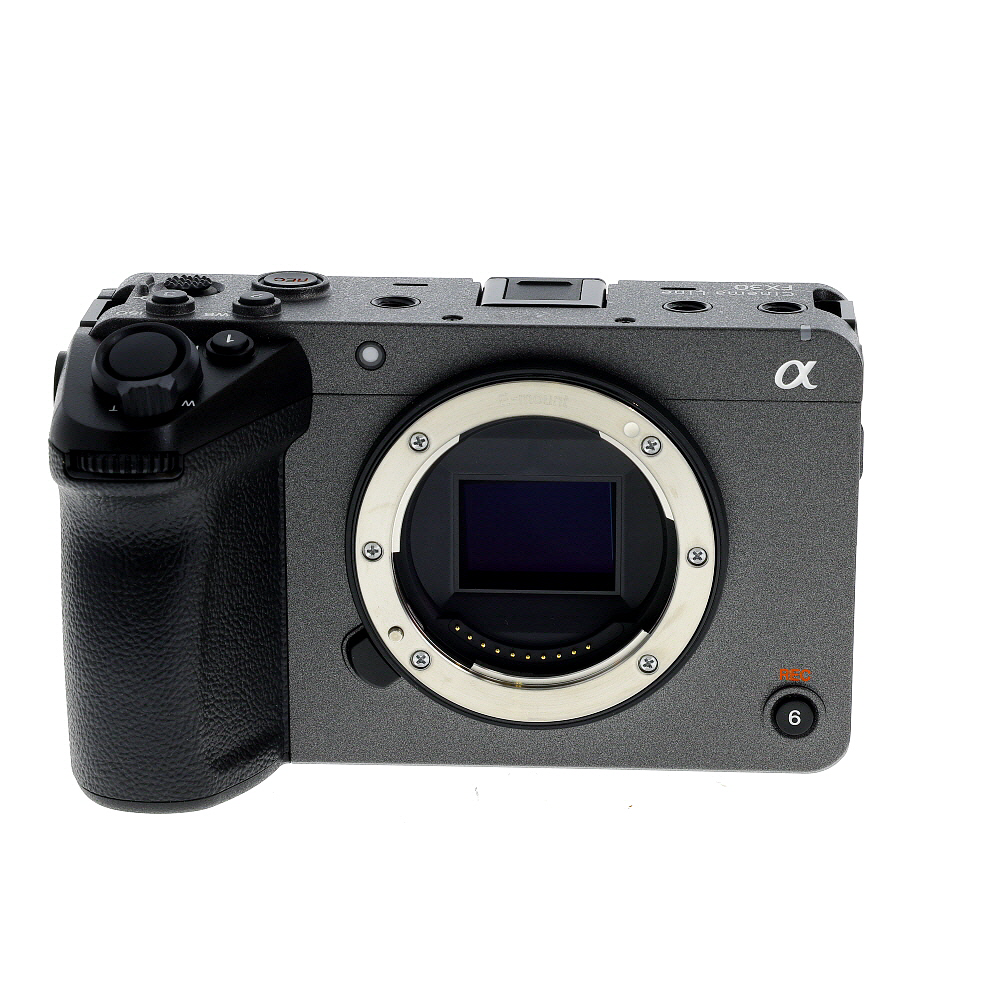
Even the FX30 surprises. Average sale price hits $1,506. For a camera that retailed at $1,799, that’s remarkable value retention. Credit the Cinema Line reputation.
Here’s my pricing formula: Check current listings. Note the lowest price. Note the best-conditioned unit. Price yours 5% below the best comparable unit. Aggressive? Maybe. But when you sell used Sony cinema camera inventory, velocity matters. Cash today beats maybe-cash in three months.
Creating a Listing That Actually Converts
Bad listings kill good gear sales. I learned this the expensive way. My first attempt to sell used Sony cinema camera kit? Posted some phone photos, basic description. Zero serious inquiries in two weeks.
Round two was different. Started with the hero shot — camera on sticks, clean background, beautiful light. Not artistic. Professional. Show the buyer this camera means business.
Sample footage sells cinema cameras. Period. Upload a 60-second reel. Mix of scenarios — interior, exterior, maybe some 120fps if your camera does it. Host it on Vimeo, embed the link. Buyers want to see the image quality they’re buying.
Your description needs structure. Start with the facts: model, purchase date, recording hours, firmware version. Then list every included accessory. Every. Single. One. That lens cap you forgot about? List it.
Be transparent about condition. That tiny scratch on the LCD? Mention it. Photo it. Buyers respect honesty. They’ll still buy — but they’ll trust you more.
End with why you’re selling. “Switching to RED” or “Scaling down operation” — whatever’s true. Buyers wonder why good gear hits the market. Answer before they ask.
Why GearFocus Makes Sense When You Sell Used Sony Cinema Camera Gear
Let’s talk fees. Because when you’re moving a $5,000 camera, percentages matter.
GearFocus takes 8.5% total. You keep 91.5%. On that FX6 sale? You’d net $4,599 on a $5,054 sale. Compare that to eBay’s ~13.6% — you’d keep $4,367. That’s $232 more in your pocket. On higher-end packages, the gap widens.
But fees are just numbers. The real advantage? You’re selling to filmmakers who get it. They understand why your FX6 with 347 hours is basically new. They know what V-mount compatibility means. They’re not haggling over $50 like it’s a yard sale.
The verification system helps too. Buyers see verified seller badges, they relax. They know you’re real. Not some fly-by-night operation. That trust translates to faster sales, better prices.
Plus, the 48-hour return window works both ways. Buyers get confidence. Sellers get protection. Describe accurately, ship fast, everybody wins.
Making Your Listing Stand Out in a Seller’s Market
Here’s something wild: being one of the few sellers is an advantage, but only if you play it right.
When supply is tight, buyers compromise less. They’ve been searching. They know what’s out there (not much). When they find a well-presented kit? They move fast. No lengthy negotiations. No “I’ll think about it.” They buy.
Include a personal note in your listing. Sounds soft? It works. “This FX6 helped me shoot three documentaries. Treated it like family. Ready for its next story.” Buyers aren’t just purchasing hardware — they’re continuing a legacy.
Bundle strategically. Have extra batteries? Media cards? Include them. Buyers calculating total ownership cost appreciate one-stop shopping. That convenience commands premiums.
Respond fast. Like, scary fast. First buyer to get answers often becomes the actual buyer. Set phone alerts. Answer within an hour. Speed signals seriousness.
One last thing: consider timing. List Thursday evening. Buyers browse on weekends. By Sunday night, you might have multiple offers. Learned that from selling my FX3 — Thursday listing, Tuesday sale.
If you’re sitting on Sony cinema gear wondering about timing — this is it. The market data couldn’t be clearer. 262 buyers actively searching. Limited inventory available. Premium prices for quality units. And a platform that lets you keep 91.5% of the sale.
The question isn’t whether to sell used Sony cinema camera gear. It’s how quickly you can create that listing. Because somewhere, right now, a filmmaker is refreshing their search results, credit card ready, hoping today’s the day their next camera appears.
Make their day. Make yours too. List your Sony cinema camera on GearFocus — cinema gear is in high demand.
FAQ
How long does it typically take to sell used Sony cinema camera bodies on GearFocus?
Based on platform data, Sony cinema cameras are among the fastest-moving items. With 262 monthly searches and limited inventory, well-priced units often receive serious inquiries within 48-72 hours. FX3 and FX6 models are particularly quick sellers, with many transactions completing within a week of listing. Proper pricing and detailed listings accelerate the timeline.
Should I update my camera’s firmware before listing it for sale?
Absolutely. Current firmware demonstrates proper maintenance and care. Buyers specifically check firmware versions — outdated software suggests neglect, while current versions show active use and attention to detail. The update takes about 20 minutes and can positively impact both buyer confidence and final sale price. Include the firmware version prominently in your listing.
What accessories should I include when I sell used Sony cinema camera equipment?
Include everything you can reasonably bundle. Original boxes add 5% perceived value. Essential accessories like batteries, chargers, and body caps are expected. Cinema-specific additions like V-mount plates, top handles, or cage systems significantly increase package value. Even small items like lens caps or original straps matter — buyers appreciate complete kits and will pay accordingly for convenience.
Own one like this?
Make room for new gear in minutes.
