- Buyer protection on every order
Fujifilm Instax Mini Evo 2 vs Instax Mini Evo: Which Should You Buy Used?
Bill Pryor
Nov 3, 2026
KEY TAKEAWAYS
- The short answer on Instax Mini Evo 2 vs Evo: the Mini Evo 2 adds face-detection autofocus, a larger sensor, and a bigger touchscreen, per Fujifilm’s announcement. The original Mini Evo stays the value pick, and supply on the used market should loosen as owners trade up.
- The upgrade is real, not cosmetic. Autofocus and sensor size are the two things that actually change how a hybrid instant camera behaves indoors and at night.
- The original is about to get cheaper. DPReview expects first-generation units to flood the secondhand market as upgraders cash out.
- Both cameras print the same film. Instax Mini credit-card-sized prints, same chemistry, same running cost per shot.
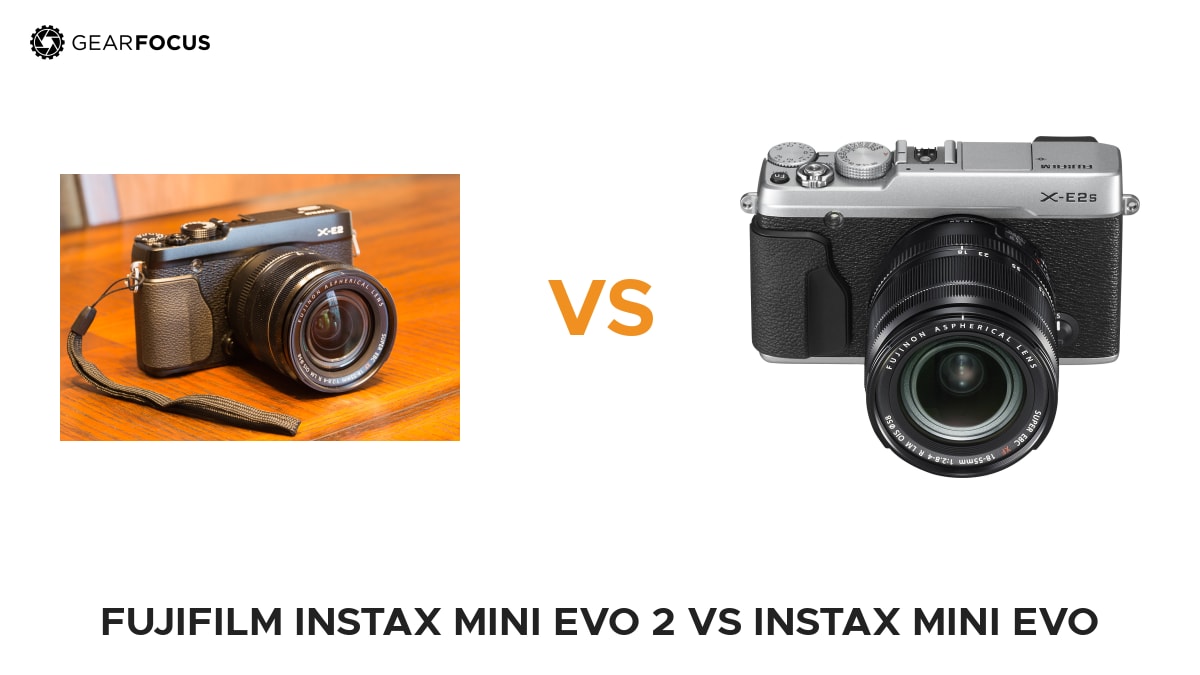
- If you want image quality over novelty, a used Fujifilm X-E2 or X-E2S gives you a 16MP APS-C sensor for the kind of money a new hybrid instant camera costs.
Fujifilm just gave the hybrid instant category its first real refresh in years, and the Instax Mini Evo 2 vs Evo question is suddenly the one everyone’s asking in November 2026. Not because the new one is bad. Because the old one is about to get very, very affordable.
Here’s the thing about hybrid instant cameras. They occupy a weird little corner of photography where the output is physical, the sensor is tiny, and nobody is pretending to shoot a magazine cover. The fun is the print. The print is the point. So the Instax Mini Evo 2 vs Evo decision isn’t really about pixel-peeping, it’s about which feature gaps you’ll actually notice at a holiday party with the lights down.
I learned this the hard way. My first hybrid instant camera lived in a jacket pocket for a full season and I shot maybe forty prints with it, half of them soft because I didn’t understand how the focus worked. Rookie move. The camera wasn’t the problem. I was.
Instax Mini Evo 2 vs Evo: The Spec Table
Fujifilm’s announcement, covered by DPReview, calls out three headline changes. That’s the frame for the whole Instax Mini Evo 2 vs Evo comparison, so here it is laid out plainly.
| Feature | Instax Mini Evo (original) | Instax Mini Evo 2 |
|---|---|---|
| Autofocus | No face detection | Face-detection autofocus |
| Sensor | Smaller sensor | Larger sensor |
| Touchscreen | Smaller rear display | Larger touchscreen |
| Film format | Instax Mini | Instax Mini |
| Used market status | Supply expected to rise as owners upgrade | New release, little to no used supply |
Source: Fujifilm’s announcement as reported by DPReview. Note what the table does not say. No price predictions, no invented specs. Three confirmed upgrades, one shared film format, and one market consequence.
That last row is the sleeper. Every Instax Mini Evo 2 vs Evo conversation eventually lands there, because the single biggest thing a new camera does for a used-market shopper is make the old one available.
Why Face Detection Matters More Than It Sounds
Face-detection autofocus sounds like a checkbox. On a hybrid instant camera it isn’t.
These cameras get used at arm’s length, in bars, at weddings, in kitchens at 11pm. The subject is almost always a person, and the lighting is almost always bad. A focus system that locks onto a face instead of hunting for contrast across the frame is the difference between a keeper and a wasted sheet of film.
And film costs money every single time. That’s the Instax Mini Evo 2 vs Evo argument that actually holds weight: on a digital camera a miss costs nothing, but here every soft shot is a print you paid for and threw away.
The original Mini Evo gets around this with technique. Step back slightly, give the camera a contrasty edge to grab, shoot with the room lights on rather than candlelight. It works. It just requires you to think about it, which is exactly what a party camera shouldn’t demand.
So in the Instax Mini Evo 2 vs Evo split, the new model buys you forgiveness. Whether forgiveness is worth the new-camera premium depends entirely on how many prints you’ll burn learning the old one’s habits.
The Sensor Upgrade and What It Actually Changes
A larger sensor in a camera that outputs credit-card-sized prints is not about resolution. Nobody needs more pixels for an Instax Mini print. It’s about light.
More sensor area means cleaner files in dim rooms, which is where hybrid instant cameras live. The Instax Mini Evo 2 vs Evo gap here shows up as less noise and more usable shadow detail in the digital file before it ever hits the print head.
Here’s the deal though. The printing process itself is a compressor. Instax chemistry has a limited dynamic range and a strong colour signature, and it flattens a lot of what the sensor captured. So a sensor improvement that would be obvious on a monitor becomes subtle on a print.
Subtle is not nothing. Shoot a backlit face against a window and the Instax Mini Evo 2 vs Evo difference will be visible in how the shadow side of the face holds together. Shoot a group under decent light and you’d struggle to pick which camera made which print.
That’s the honest read. The sensor upgrade is real and it helps where it’s hardest. It just doesn’t transform the format.
Is the Bigger Touchscreen Worth It in the Instax Mini Evo 2 vs Evo Decision?
Of the three upgrades, the touchscreen is the one buyers underrate and then immediately appreciate.
The Mini Evo’s whole personality is the lens-and-film-dial interface, where you physically rotate to pick an effect and crank a lever to print. Charming. Also slow when you’re trying to review ten shots and pick two worth printing.
A bigger screen makes that triage faster. You see the shot properly before committing film to it. On a camera where every print has a cost, a better review screen is quietly a money-saving feature, which reframes the Instax Mini Evo 2 vs Evo maths a little.
The original’s screen is perfectly usable. It’s just small enough that judging critical focus on it is guesswork, and guesswork is how you end up printing the soft one.
The Used-Market Angle Nobody Talks About
DPReview flagged the part that matters most to anyone shopping secondhand: original Mini Evo units are likely to flood the used market as owners upgrade.
That’s a supply event. Upgrade cycles are the single most reliable driver of used-price softening in camera gear, and they follow a pattern. Announcement creates intent, shipping creates listings, and listings create competition among sellers. The Instax Mini Evo 2 vs Evo launch has just started that clock.
Seasonally, the timing is interesting. We’re in November, which means gift season is compressing supply across the board right as upgraders are listing. Those two forces pull against each other. Historically, the quieter weeks after the holidays are when used supply catches up with demand.
If you’re patient, patience is a strategy here. If you want a hybrid instant camera under a tree in six weeks, patience is not a strategy, and you buy what’s listed.
Either way, the Instax Mini Evo 2 vs Evo situation favours the buyer of the older camera more than it favours the buyer of the new one. New releases rarely get cheaper quickly. Superseded models almost always do.
What a Hybrid Instant Camera Can’t Do For You
Time for the uncomfortable part of this comparison.
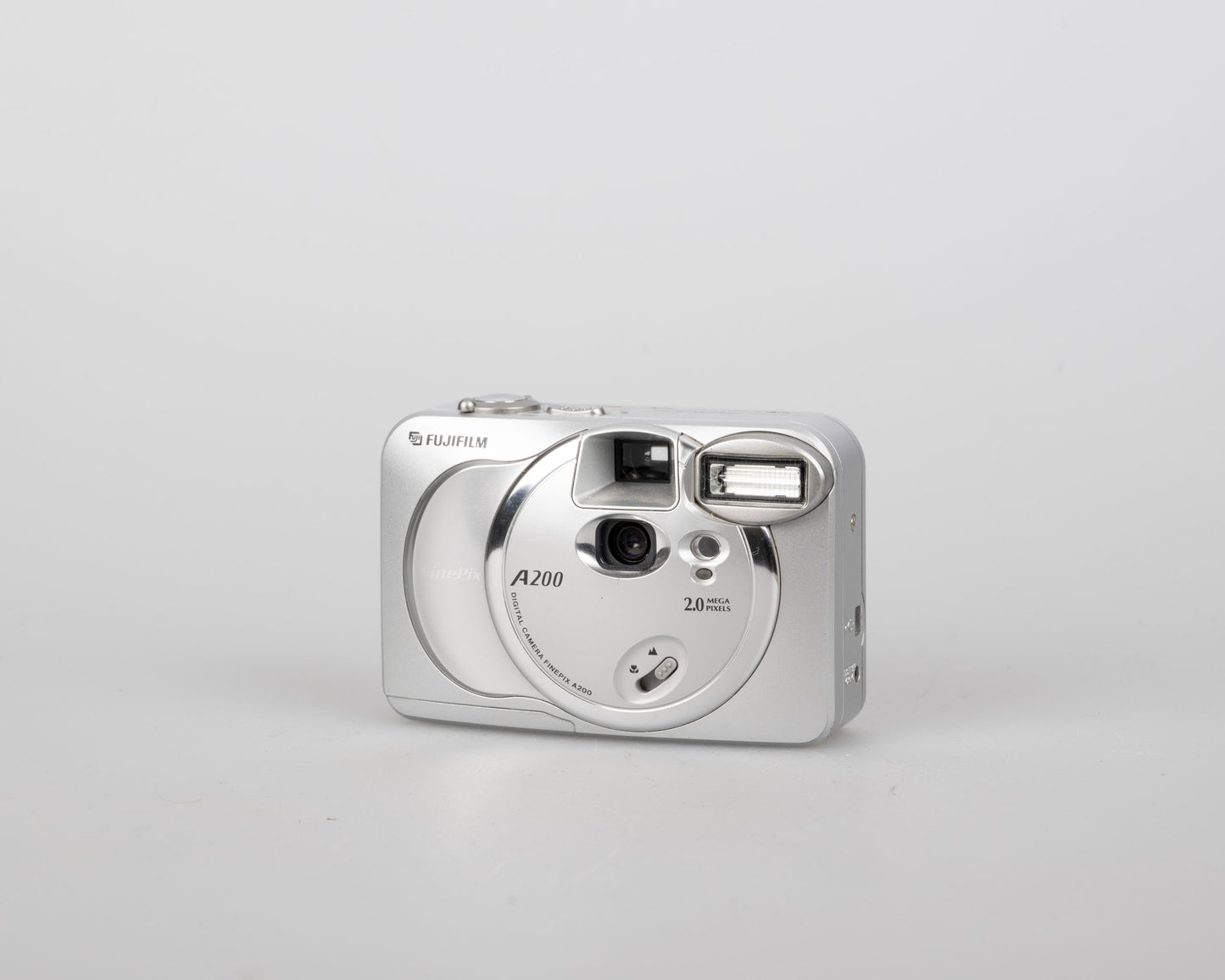
Neither camera in the Instax Mini Evo 2 vs Evo matchup is an image-quality tool. They’re experience tools. The print is the product, the digital file is a byproduct, and anyone buying one expecting to also replace a real camera is going to be disappointed by week two.
I made that mistake early, assuming a pocketable instant camera could cover casual work and save me carrying something bigger. It couldn’t. The files were fine for Instagram and nowhere near fine for anything a client would see. Lesson learned, film wasted.
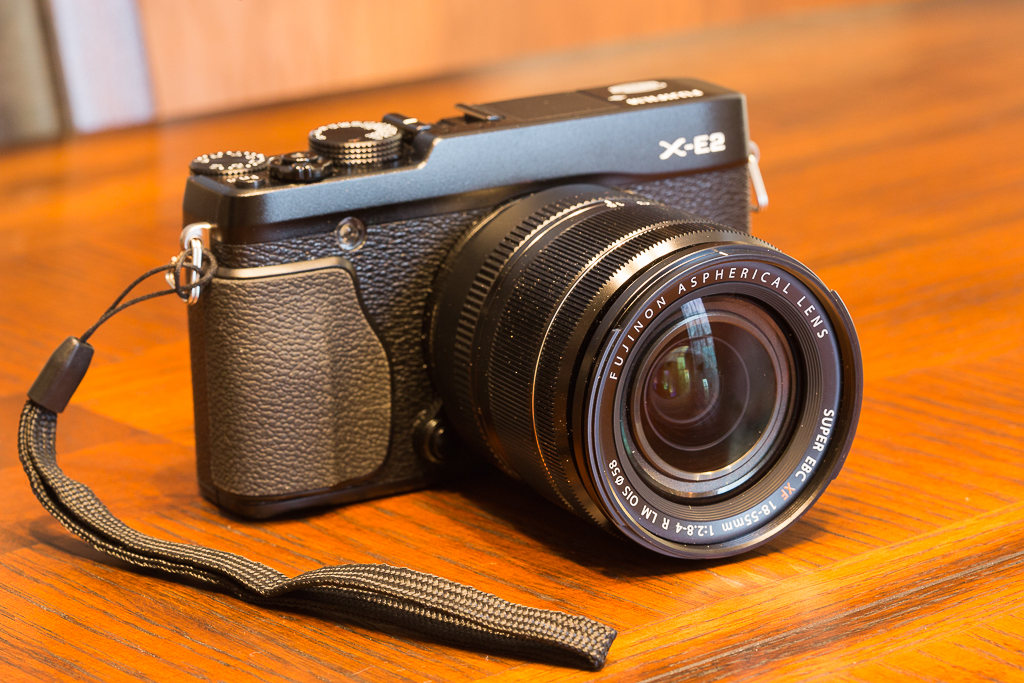
If what you actually want is small, stylish, and genuinely capable, the used market has a better answer at similar money. The Fujifilm X-E2 is a 16.3MP APS-C mirrorless body with an EXR Processor II, a native ISO range of 200 to 6400, and a 49-point hybrid autofocus system combining phase and contrast detection, according to GearFocus GearMaster data. It shoots at 7fps and weighs 350g.
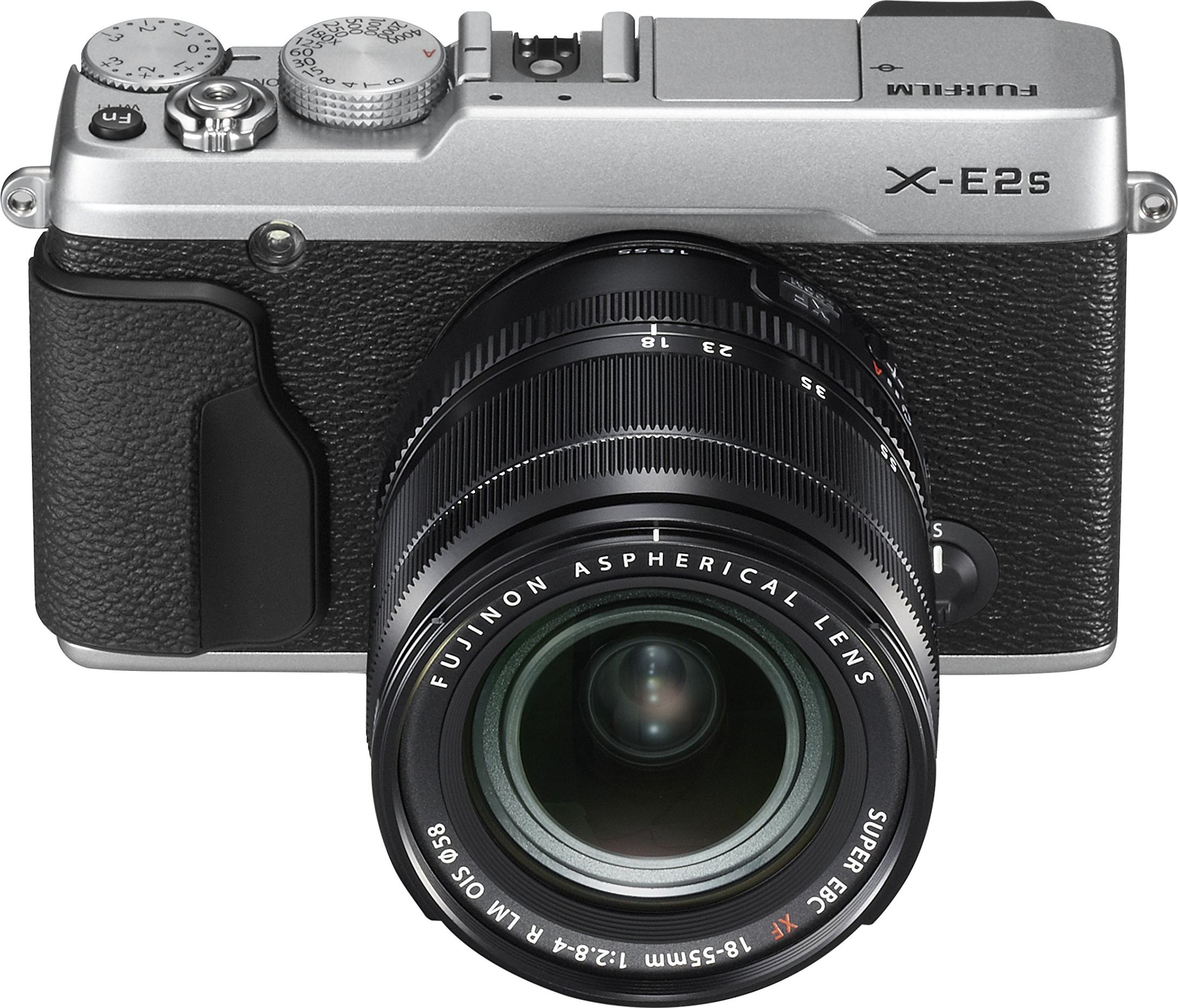
Its sibling, the Fujifilm X-E2S, carries a 16MP APS-C sensor with the X-Processor II, the same 49-point hybrid AF layout, the same 7fps burst at 4896×3264, and four in-camera film simulations: Standard, Velvia, Astia and Classic Chrome. Also per GearMaster data.
Neither prints anything. Both make dramatically better pictures. That’s a different purchase, not a competing one, but it’s worth naming because plenty of people shopping the Instax Mini Evo 2 vs Evo question are really shopping for “a fun camera” and haven’t separated the two desires yet.
Where the Fujifilm Rangefinder Bodies Fit
Worth a quick honest note on the X-E2 and X-E2S, because a recommendation without limitations is marketing, not advice.
Neither body has in-body or digital image stabilization, both lack weather sealing, and the X-E2 has no Bluetooth, which limits wireless transfer compared with newer cameras. The X-E2S tops out at ISO 6400 natively, which is modest by current standards. All of that is GearMaster data, stated plainly.
Strengths: the X-E2’s OLED electronic viewfinder runs 2,360,000 dots at 60Hz, the X-E2S runs the same resolution at 54Hz, and both are rangefinder-styled metal bodies listed for travel and documentary use. The X-E2 measures 129.3 x 74.9 x 37.8 mm.
Limitations: no stabilization, no sealing, older connectivity. Consider either if you want Fujifilm colour science and an actual viewfinder. Skip them if you need stabilized video or all-weather reliability.
Used X-E-series bodies come up on GearFocus regularly, and the GearMaster pages linked above are the place to check specs before you commit. Have an original Mini Evo you’re upgrading out of? Buyers are actively searching, and sellers keep 91.5% of the sale price here.
Which One Should You Buy?
Let’s resolve the Instax Mini Evo 2 vs Evo question by buyer type rather than by spec sheet, because the spec sheet already told you what it was going to tell you.
Buy the Instax Mini Evo 2 if: you shoot mostly people, mostly indoors, mostly at night, and you’d rather pay once than waste film learning workarounds. Face detection and the larger sensor are aimed squarely at exactly that use case.
Buy the original Mini Evo used if: you want the hybrid instant experience at the lowest entry point, you’re comfortable managing focus yourself, and you can wait for the post-launch listing wave to build. The Instax Mini Evo 2 vs Evo upgrade cycle is about to work in your favour.
Buy neither if: what you actually want is good photographs. A used X-E2 or X-E2S will serve you better and longer, and you can always buy film separately.
One more thing on buying used. Instax bodies have a print mechanism and a battery, both of which are wear items, so condition language in a listing matters more here than it does on a mirrorless body. Read it carefully.
BOTTOM LINE
- Three confirmed upgrades: face-detection autofocus, a larger sensor, a bigger touchscreen.
- Same film, same cost per shot: Instax Mini format on both bodies.
- Autofocus is the meaningful one: it saves wasted prints in low light, where these cameras live.
- The sensor helps at the margins: noticeable in backlight and shadow, subtle in good light.
- Used supply of the original should rise as owners upgrade, per DPReview.
- For image quality instead of prints: a 16MP APS-C Fujifilm X-E2 or X-E2S, per GearMaster data.
- Check wear items on any used Instax: print mechanism and battery.
The Instax Mini Evo 2 vs Evo verdict in one line: the new one is better, the old one is about to be better value, and the right answer depends entirely on whether you’re buying forgiveness or buying a bargain. Both are legitimate reasons to buy a camera. Used hybrid instant bodies and Fujifilm X-series rangefinders come up on GearFocus constantly, so it’s worth a look whichever side of the Instax Mini Evo 2 vs Evo line you land on.
FAQ
What’s the main difference in the Instax Mini Evo 2 vs Evo comparison?
The Instax Mini Evo 2 adds face-detection autofocus, a larger sensor, and a bigger touchscreen over the original, according to Fujifilm’s announcement reported by DPReview. Both cameras use the same Instax Mini film format.
Will the original Mini Evo get cheaper used?
DPReview notes original Mini Evo units are likely to flood the used market as owners upgrade. More listings typically mean more competition among sellers, though holiday demand can temporarily offset that effect.
Do both cameras use the same film?
Yes. Both the Instax Mini Evo 2 and the original Mini Evo print to Instax Mini film, so running costs per print are identical regardless of which body you choose.
Is a used Fujifilm X-E2 a better buy than either Evo?
For image quality, yes. GearMaster data lists a 16.3MP APS-C sensor, 49-point hybrid autofocus, and 7fps burst shooting. It does not print, so it solves a different problem entirely.
What should I check when buying a used Mini Evo?
Focus on the print mechanism and battery health, since both are wear items on hybrid instant cameras. Read condition descriptions closely and confirm the camera has been test-printed recently.
Own one like this?
Make room for new gear in minutes.
