- Buyer protection on every order
Leitz Hektor Cine Primes and Vintage Glass on the Used Market
Bill Pryor
Jul 27, 2026
KEY TAKEAWAYS
- The short answer: To chase the vintage cine look without buying a full ARRI package, hunt used vintage character primes and, if the budget stretches, Leitz Hektor cine primes on the secondhand market. A clean set of vintage glass runs anywhere from a few hundred to a few thousand per lens depending on rarity and mount.
- Why now: P+S Technik’s new HEXAMO mount lets Leitz Hektor cine primes mount to ARRI ALEXA bodies, and that single announcement has renewed demand for old character glass.
- What you’re paying for: Gentle roll-off, soft highlights, low contrast, and a texture no modern lens fakes convincingly.
- Verify before you buy: Confirm mount type, check for haze, fungus, oily aperture blades, and separation before anything else.
- Where to look: Used listings for vintage cine and stills primes come up regularly on GearFocus, and sellers keep 91.5% of the sale.
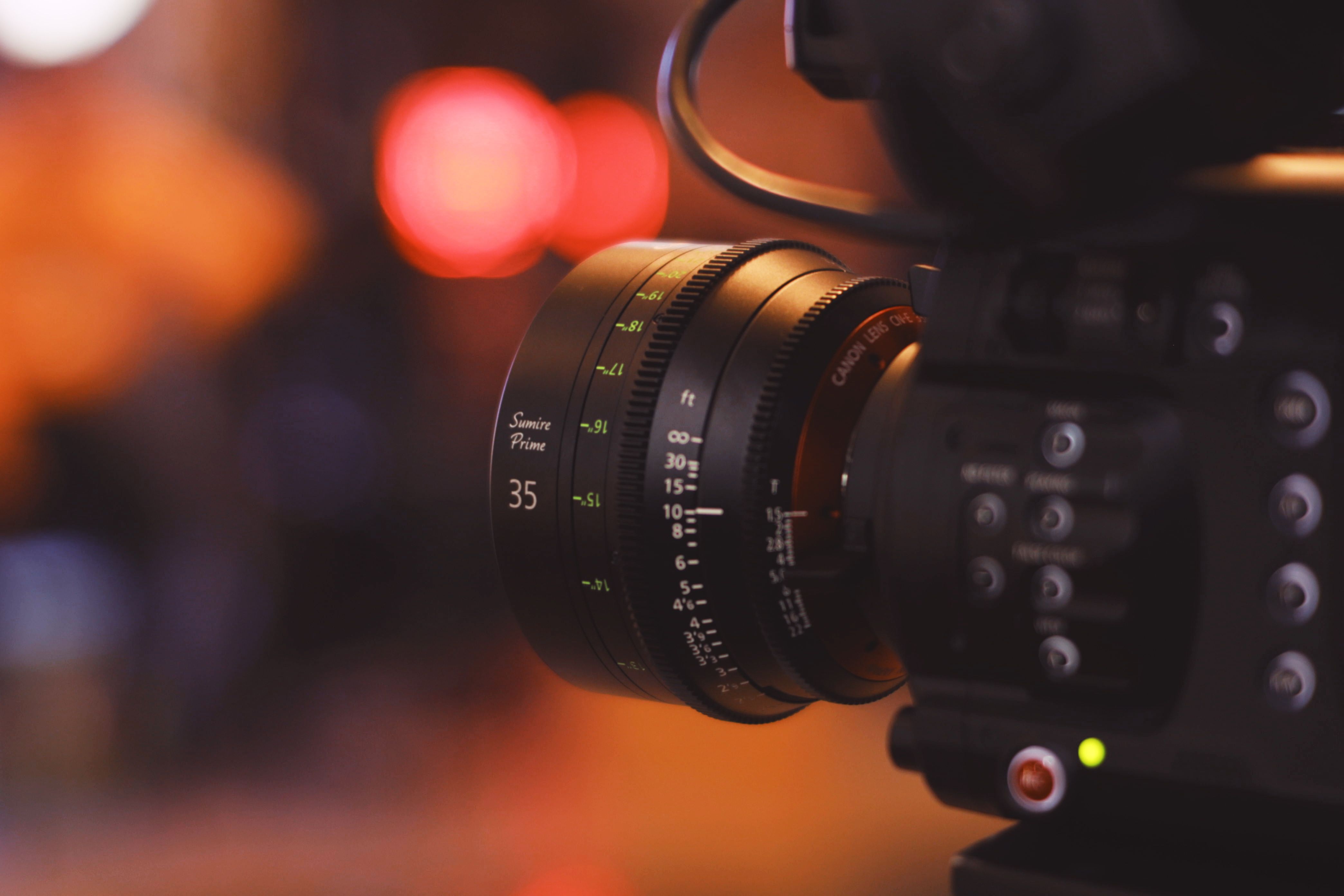
Picture the last shot of a film you loved. Late afternoon light slants through a dusty window, a face turns, and the highlights bloom just slightly, like the lens is exhaling. Skin looks soft. The edges of the frame fall away into a gentle haze. Nothing about it feels sharp in the clinical, modern sense, and that’s exactly why it feels alive. That texture is old glass doing what old glass does.
Here’s what kicked this back into the conversation. P+S Technik just released the HEXAMO mount, which brings Leitz Hektor cine primes onto ARRI ALEXA bodies. For years, that vintage character was locked to whatever the lens originally mounted to. Now some of the oldest, most characterful glass in existence can ride a modern digital cinema camera. And you don’t need to spend ALEXA money to get close to that look yourself.
How to Get the Vintage Look Without Buying Leitz Hektor Cine Primes Outright
Let’s be honest about the ceiling first. Genuine Leitz Hektor cine primes are collector-tier glass. Rare, coveted, and priced accordingly. Most shooters reading this aren’t going to drop a mortgage payment on a single lens, and you don’t have to. The look those lenses deliver, the low-contrast render and creamy highlight roll-off, lives in a whole family of vintage character primes you can actually afford used.
The gear list below is the practical path. The Hektor is the reference point, the thing that inspired the whole hunt. The realistic buys sit under it.
| Gear | Role in the look | Reference it stands in for |
|---|---|---|
| Vintage rangefinder-era primes (adapted) | Soft highlight bloom, low contrast, gentle flare | Leitz Hektor cine primes |
| Older manual-focus SLR primes (50mm, 85mm) | Character bokeh, warm color cast, hand-focus feel | Classic cine set look |
| Used cinema body under $3,000 | Modern sensor to carry the vintage glass | ARRI ALEXA |
| Quality lens adapter for your mount | Bridges old glass to a current camera | P+S Technik HEXAMO |
I’ll admit something. The first time I tried adapting old glass to a modern body, I bought the cheapest adapter I could find and the flange distance was off by a hair. Every shot landed soft in a way that had nothing to do with the lens character and everything to do with my cutting corners. Rookie move. The adapter matters almost as much as the lens.
What Actually Creates the Leitz Hektor Cine Primes Look
The magic isn’t one thing. It’s a stack of imperfections that old designs never bothered to correct, and Leitz Hektor cine primes are famous for embracing them rather than fighting them.
Low contrast and highlight roll-off. Older coatings, or no coatings at all, let light spill gently instead of clamping down hard at the top end. Highlights glow rather than clip. On a modern sensor with a clinical lens, a window blows to pure white. Through vintage glass, it softens toward the edges.
Flare that has personality. Point a Leitz Hektor cine primes lens near a light source and you get veiling flare, that low-contrast wash across the frame. Filmmakers pay real money to fake this in post. Old lenses do it for free.
Focus fall-off with texture. The out-of-focus areas don’t dissolve into smooth math. They swirl, they bloom, they render with a fingerprint. That’s the part no software convincingly recreates.
The catch is that all of this depends on the glass being in decent shape. A hazy, fungus-ridden copy doesn’t give you tasteful vintage character. It gives you a foggy mess.
How Do You Verify Condition and Mount Compatibility on Used Vintage Glass?
This is where most first-time vintage buyers get burned, so slow down here. Before you fall in love with the render of Leitz Hektor cine primes or any old prime, you need to confirm the copy in front of you is actually usable.
Check the glass. Ask for photos with a flashlight shining through from the back. You’re hunting for haze (a milky film across the elements), fungus (spidery web-like growth), and separation (rainbow-edged patches where cemented elements have come apart). Light haze can sometimes add to the look. Heavy haze kills contrast entirely and can’t be undone without a service.
Check the aperture blades. Oily blades are common on old lenses and they slow the aperture down or stick it open. A little oil isn’t fatal, but factor a cleaning into your budget.
Check the mount, twice. This is the whole ballgame. Vintage cine and stills lenses came in a bewildering range of mounts. Confirm exactly what mount the lens wears, then confirm an adapter exists for your camera. The reason the HEXAMO news matters is that mounting old glass to modern bodies was historically the hard part. Don’t assume. Verify the specific mount before money changes hands.
One more honest confession: I once bought a gorgeous old prime, thrilled with the price, and only realized after it arrived that no clean adapter existed for my body. It sat in a drawer for a year. Check the mount FIRST.
If you’re buying on GearFocus, the standard 48-hour verification window after delivery covers you here. If the lens isn’t as described, you return it at no charge and the seller covers return shipping. That protection matters more with vintage glass than with anything else, because condition is everything.
What It Costs and Where to Hunt
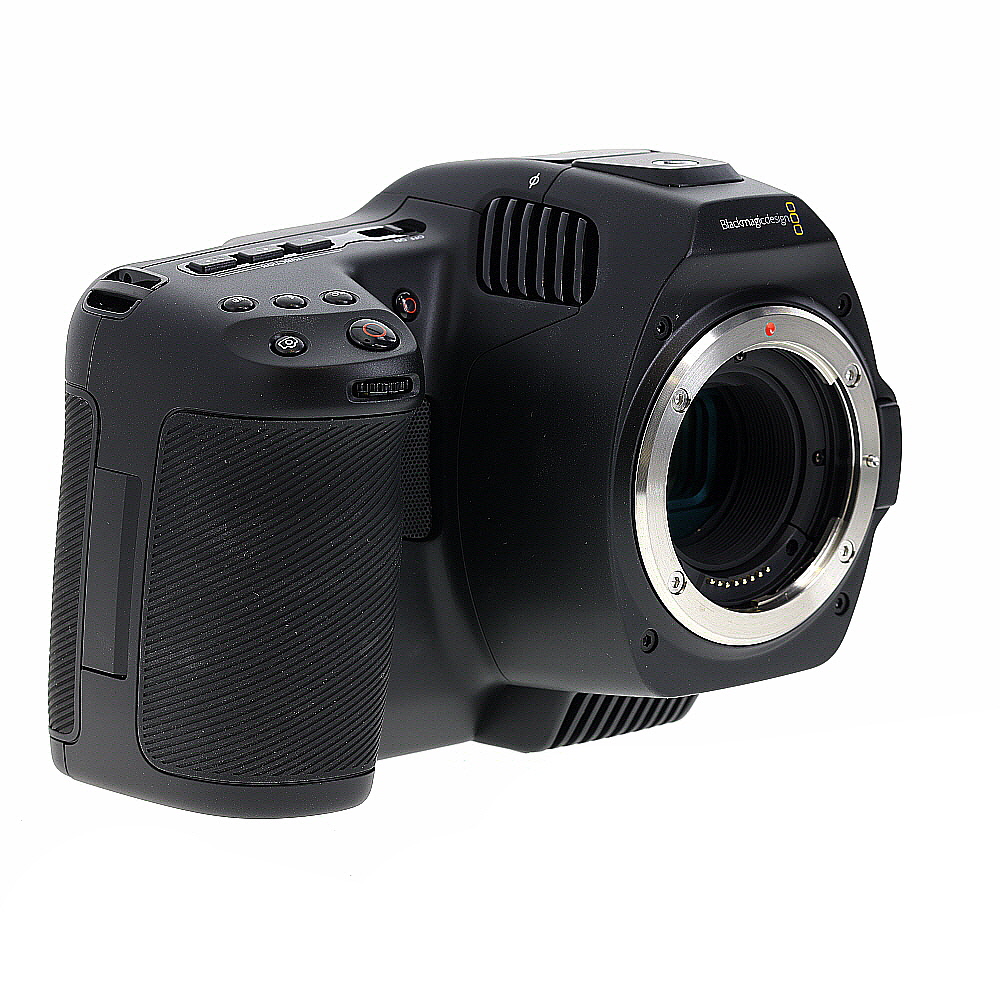
Genuine Leitz Hektor cine primes sit at the top of the market and rarely turn up cheap. But the affordable path is wide open. Older manual-focus SLR primes with real character can be had for a fraction of what a modern cine lens costs, and a used cinema body to pair them with comes up regularly under $3,000. If you want the full context on bodies, our roundup of the best used cinema cameras under $3000 pairs neatly with a vintage-glass build.
The smart money has caught on. Plenty of working shooters are quietly buying old glass instead of new, and the reasons are covered well in our piece on why pros are grabbing used lenses. If you’re the type who already loves analog tools, the best used film cameras guide runs in the same spirit.
Used vintage primes come up on GearFocus constantly, and because sellers keep 91.5% of the sale price with a transparent 8.5% fee, the marketplace tends to attract the kind of careful owners who describe condition honestly. Worth a browse if the vintage bug has bitten.
BOTTOM LINE
- Reference lens: Leitz Hektor cine primes, now ARRI-mountable via the P+S Technik HEXAMO.
- Affordable stand-ins: Adapted vintage rangefinder primes and older manual-focus SLR primes.
- Body: A used cinema camera under $3,000 carries the look on a modern sensor.
- Before you buy: Verify glass condition (haze, fungus, separation), aperture blades, and mount compatibility.
- Rough spend: Vintage character primes from a few hundred to a couple thousand each; genuine Hektor glass costs far more.
The vintage look isn’t a trend that arrived with the HEXAMO mount. It’s a look filmmakers have chased for decades, and now it’s easier than ever to build a modern rig around old glass. Start with a clean, well-verified vintage prime, pair it with a sensible used body, and confirm every mount before you commit. Leitz Hektor cine primes remain the dream reference, but the affordable path to that soft, glowing, characterful image is sitting in used listings right now. Browse the vintage glass and cinema gear on GearFocus and start your own hunt.
FAQ
What camera gives you the Leitz Hektor cine primes look for less?
A used cinema body under $3,000 paired with an adapted vintage prime gets you close. The character comes mostly from the old glass, so the affordable stand-in lens matters more than the body itself.
Why did the P+S Technik HEXAMO mount cause renewed demand for vintage glass?
The HEXAMO lets Leitz Hektor cine primes mount to ARRI ALEXA bodies, per Cinema5D. That reminded shooters that old character glass can now ride modern digital cameras, and interest in vintage primes climbed as a result.
How do I verify a used vintage lens before buying?
Request a flashlight-through-the-glass photo to spot haze, fungus, and separation. Check aperture blades for oil. Most important, confirm the exact mount and that a clean adapter exists for your camera body.
Are genuine Leitz Hektor cine primes affordable used?
Rarely. Genuine Hektor glass is collector-tier and priced high. The practical move is buying other vintage character primes that deliver a similar low-contrast, soft-highlight render for a fraction of the cost.
What am I protected by if a used lens arrives not as described?
On GearFocus, the standard 48-hour verification window after delivery lets you return an item that isn’t as described at no charge, with the seller covering return shipping. That protection is valuable with condition-sensitive vintage glass.
Photo: Bruno Massao
Own one like this?
Make room for new gear in minutes.
