- Buyer protection on every order
Every Photographer Has a Main Character Camera (Here’s Why It Matters)
Ysa Canlas
Feb 2, 2026

Key Takeaways
- Every photographer relies on one camera they trust most, regardless of how many they own or how new the others are. Familiarity creates confidence, and confidence leads to better work.
- A camera’s value often comes from experience, not specifications. Knowing how a tool behaves in real situations matters more than marginal technical upgrades.
- Upgrading isn’t always progress. New gear can introduce friction, while trusted gear allows photographers to focus on timing, composition, and connection.
- Used cameras aren’t “lesser” by default. Many have already proven themselves in demanding conditions and still offer everything a creator needs.
- The best camera is the one that disappears when you’re working. When the tool fades into the background, the photographer can stay present and intentional.
Ask a photographer how many cameras they own and you’ll usually get a number. Sometimes it’s a proud number. Sometimes it’s a slightly embarrassing one. Either way, it comes with context.
Ask them which camera they actually trust, though, and the answer changes. It gets faster. More certain. Less qualified.
It’s rarely the newest camera they own. It’s not always the most expensive one. And it’s almost never the camera they bought because someone online said it was “the best option right now.”
It’s the one they reach for without thinking.
That’s their main character camera.
The camera that carries responsibility. The camera that gets chosen when conditions tighten and expectations rise. The camera that feels less like an object and more like a constant.
Most photographers have one, even if they’ve never called it that.
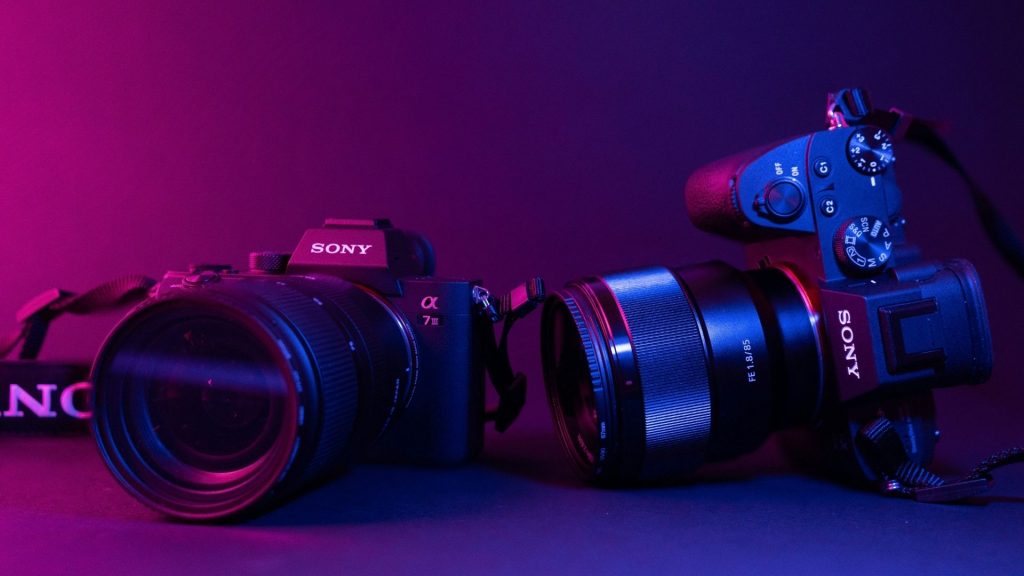
It’s the Camera That Shows Up When It Matters
Photographers don’t usually frame their relationship with gear in emotional terms. But spend enough time watching how people actually work, and the pattern becomes clear.
When a shoot matters—when time is limited, light is changing quickly, or the moment won’t repeat—most photographers instinctively grab the same camera. It’s not a conscious decision. There’s no debate. Their hand just goes there.
This camera isn’t chosen because it’s flawless. It’s chosen because it’s predictable.
They know how it meters in difficult light. They know how the files behave when pushed too far. They know how the autofocus reacts when subjects move unpredictably. They know what corners can be cut and which ones can’t.
That familiarity reduces friction. It keeps the photographer moving instead of hesitating. And when things start moving fast, hesitation is often the difference between getting the shot and missing it entirely.
Confidence doesn’t come from having more options. It comes from knowing exactly how one option behaves.
Familiar Beats Fancy More Often Than You’d Expect
New cameras are exciting for a reason. They promise improvements across the board: faster autofocus, cleaner low-light performance, higher resolution, better video specs. Often, those improvements are real.
But what marketing rarely mentions is the cost of switching.
Every new camera introduces small uncertainties. Menus change. Button layouts shift. Muscle memory has to be rebuilt. Color responds slightly differently. Autofocus logic behaves in unfamiliar ways.
None of this is a dealbreaker. But all of it takes time.
A main character camera avoids that cost. The photographer already knows where everything is. Their fingers move without conscious thought. Their attention stays on framing, timing, and connection instead of settings.
This isn’t about resisting progress. It’s about choosing efficiency over novelty.
For many photographers, the difference between a good shoot and a great one isn’t access to the latest technology. It’s the absence of distraction.
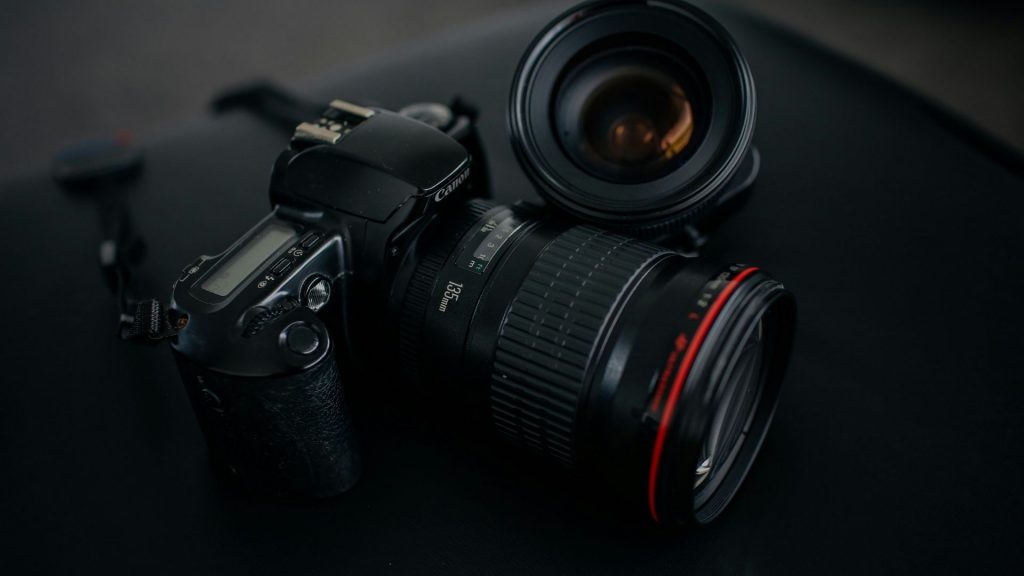
Cameras Collect Memories (Whether We Admit It or Not)
Here’s the part photographers don’t always say out loud.
Cameras carry memories.
Not in a sentimental way, but in a practical one. Certain cameras are tied to specific moments: the first paid job, the shoot that felt intimidating but worked out, the day photography stopped feeling like a hobby and started feeling real.
Those experiences leave an imprint. Not on the camera itself, but on how the photographer feels using it.
That’s why photographers sometimes sound oddly defensive when talking about older gear. They aren’t arguing specs. They’re protecting something earned.
That camera didn’t just capture images. It proved something. It showed up when the photographer needed it to. It became reliable under pressure.
Replacing that kind of trust isn’t easy. And no spec sheet, no matter how impressive, replaces experience.
Why Some Photographers Don’t Rush to Upgrade
Online, it can feel like cameras age overnight. One year a model is everywhere. The next year it’s labeled “old,” even if nothing about its performance has changed.
In real-world photography, cameras don’t stop working just because a new one exists.
Light still behaves the same way. Composition still matters. Timing still matters. Clients still care about results, not release dates.
For many photographers, sticking with familiar gear isn’t about ignoring innovation. It’s about recognizing diminishing returns.
At a certain point, upgrades offer smaller and smaller improvements, while the cost of adapting increases. A camera that already delivers consistently becomes more valuable than one that’s technically superior but unfamiliar.
That decision isn’t conservative. It’s informed.
What This Means for Used Gear
This mindset changes how experienced photographers view used gear.
Most cameras on the used market aren’t broken. They aren’t obsolete. They aren’t being sold because they failed.
They’re being sold because someone’s needs changed.
A photographer might move into a different genre. A workflow evolves. Video becomes more important than stills. Portability starts to matter more than resolution.
None of that invalidates what the camera already did well.
In many cases, it means the camera has already been tested in real conditions. It has been relied on. Its strengths and limitations are known. That history provides context that brand-new gear doesn’t offer.
Used gear isn’t inherently a compromise. Often, it’s simply gear that has finished one chapter and is ready for another.
Cameras Don’t Age as Fast as Marketing Wants You to Think
Cameras aren’t phones. They don’t lose their usefulness on a predictable schedule.
Sensors don’t suddenly forget how to capture light. Color science doesn’t expire. Dynamic range doesn’t evaporate because a new model launches.
What changes fastest is the conversation around the gear.
Marketing moves on. Reviews stop. Attention shifts. But the camera itself remains largely the same tool it was the day before the announcement cycle started again.
That’s why older cameras continue to appear in real working environments. Not as backups or novelties, but as primary tools.
Photography’s fundamentals don’t reset every year. And neither do the tools that support them.
The Main Character Is the One That Disappears
In the end, a main character camera isn’t defined by how impressive it looks or how often it gets mentioned online.
It’s defined by how little attention it demands.
It doesn’t interrupt decision-making. It doesn’t pull focus away from the subject. It doesn’t require constant adjustment or second-guessing.
It simply does what it’s supposed to do.
That’s why photographers keep reaching for the same camera long after the hype fades. Not because they’re stuck in the past, but because they trust what they know.
Sometimes the smartest move isn’t chasing what’s new.
It’s staying with what already works.
Own one like this?
Make room for new gear in minutes.
