- Buyer protection on every order
The Mamiya 6 Look: Shooting Abandoned Churches on Used Film Gear
Beth Rogers
Aug 17, 2026
KEY TAKEAWAYS
- The look, and the kit that gets it: A Mamiya 6 used body with its 75mm f/3.5 standard lens, loaded with Kodak Gold 200 in 120 format, is the core of the fading-chapel documentary look. Budget roughly $1,800 to $3,000 for a clean body-and-lens pairing, plus film and developing.
- Why this camera and not a Hasselblad: The Mamiya 6 is a collapsible-mount rangefinder. It flattens against your chest, weighs about 1.1kg with the 75mm attached, and shoots square 6x6cm negatives with no mirror slap to worry about at 1/15th of a second.
- Kodak Gold is the secret ingredient: Warm, forgiving, slightly muddy in the shadows. It’s a consumer film doing the work of a fine-art stock, and that mismatch is exactly what makes damp stone and peeling plaster look the way it does.
- The reference kit you’re standing in for: A Hasselblad 503CW with an 80mm Planar, or a Plaubel Makina 67. Both cost more, both weigh more, both are slower to work with in a dim nave.
- Total realistic entry point: Around $2,200 to $3,400 all in, including a handheld meter, a couple of rolls of Gold, and a decent strap. That’s the whole atmospheric documentary rig.
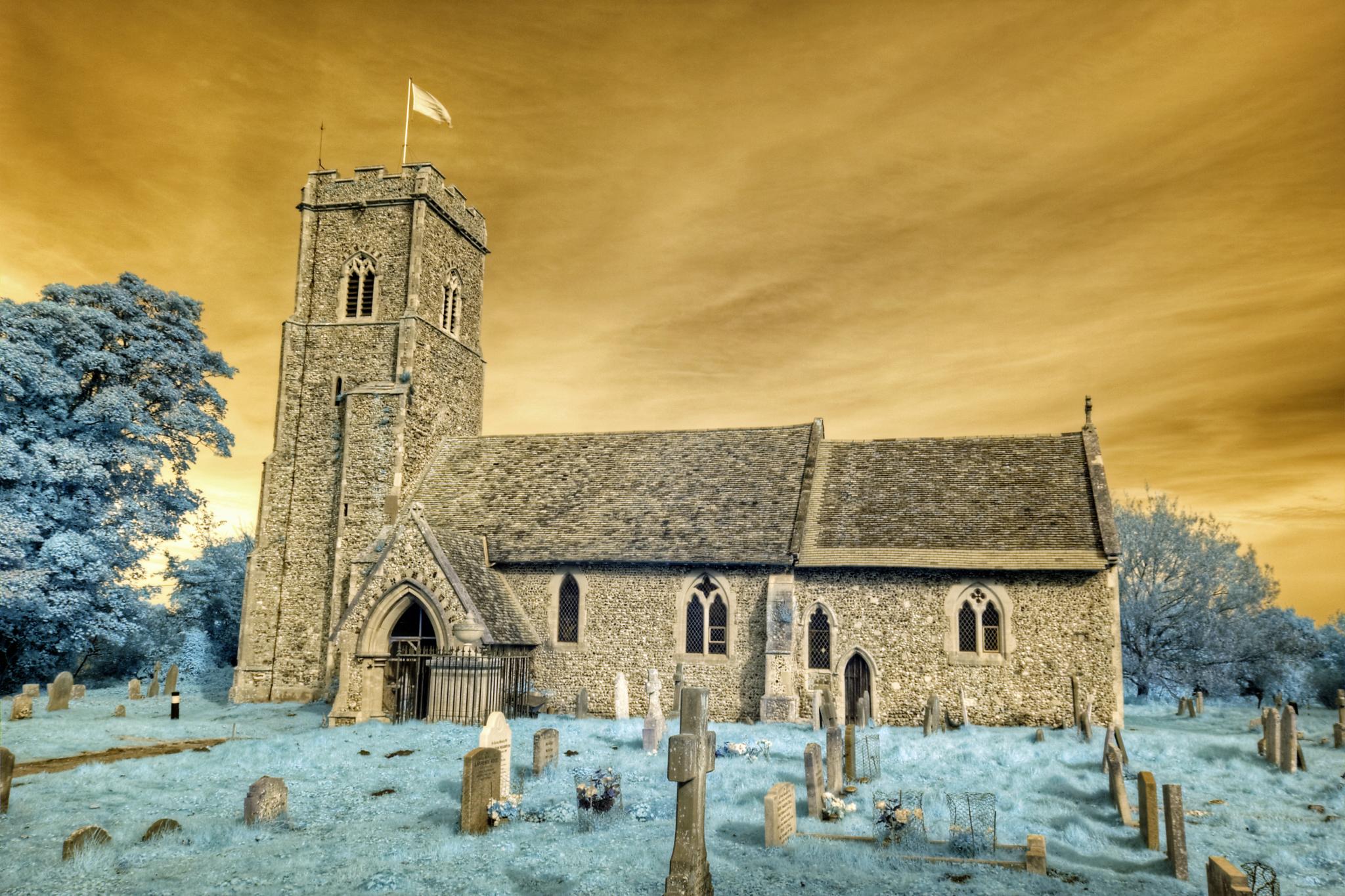
Rain on lead flashing. That specific sound, like someone tapping a fingernail on a tin lid, coming from thirty feet above your head in a chapel nobody has prayed in since the sixties. The pews are still bolted down. There’s a hymn board on the wall with the numbers from the last service still slotted in, and the paint on the wall behind it has gone the colour of weak tea.
You can smell it before you can see it properly: cold plaster, old wood, damp hymnals. Your eyes take a full minute to adjust. And when they do, you realise the light coming through the one unbroken window is doing something no lighting setup could fake.
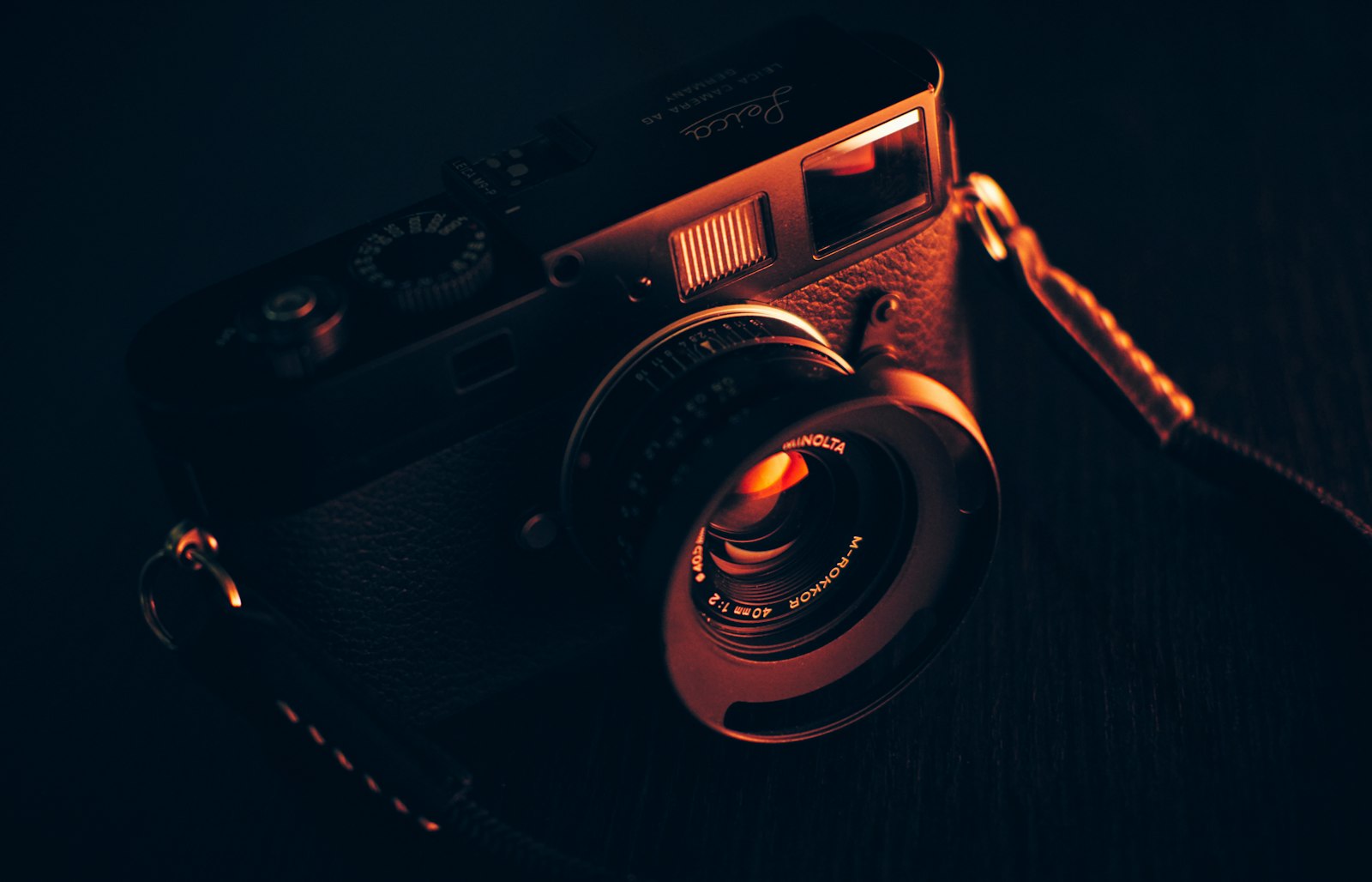
This is the territory Kyle McDougall has been working in, photographing rural Britain’s fading churches and chapels on a Mamiya 6 with Kodak Gold. It’s a beautiful body of work, and the gear behind it is genuinely accessible. A Mamiya 6 used is not a fantasy purchase. It’s a real, buyable camera on the secondhand market, and it’s the single best value in medium-format rangefinders for exactly this kind of work.
Here’s how to build that kit without the Hasselblad price tag.
The Gear List: What a Mamiya 6 Used Kit Actually Costs
| Piece | Its Job in the Look | What It Stands In For |
|---|---|---|
| Mamiya 6 body (collapsible mount) | Square 6×6 negatives, quiet leaf-shutter operation, packs flat for long walks between sites | Hasselblad 503CW or Plaubel Makina 67 |
| Mamiya G 75mm f/3.5 L | The standard lens. Roughly 41mm equivalent. Renders interiors honestly without wide-angle distortion on the arches | Zeiss 80mm f/2.8 Planar |
| Mamiya G 50mm f/4 L (optional second lens) | Full-nave interiors, low ceilings, tight vestries | Zeiss 50mm f/4 Distagon |
| Kodak Gold 200 in 120 | Warm cast, wide latitude, soft shadow separation. The colour signature of the whole series | Portra 400 or Ektar 100 |
| Handheld incident meter | Reads the actual light falling on stone rather than being fooled by a bright window | Any modern in-camera matrix meter |
That’s the entire rig. No modifiers, no lights, no filters. A Mamiya 6 used body, one lens, cheap consumer film, and something to meter with.
Prices on the secondhand market move around, so treat the figures above as the shape of the budget rather than a quote. What matters is the ratio: the body and lens are the investment, and everything else is comparatively trivial.
Why the Mamiya 6 Used Beats the Obvious Choices Here
Ask most people to name an atmospheric medium-format camera and they’ll say Hasselblad. Fair enough. The 500-series is a magnificent object. It is also a boxy, mirror-slapping, waist-level-finder machine that wants a tripod in low light, and a tripod is the thing that turns a two-hour walk between four chapels into a four-hour one.
The Mamiya 6 solves that differently. It’s a rangefinder, so there’s no mirror to bounce. The shutter sits in the lens, which means it’s quiet and it means there’s no reflex vibration to smear a handheld frame at 1/30th. And the lens mount collapses into the body, so the whole thing goes flat.
I underestimated how much that last part matters. I spent a season lugging a much bigger camera around old industrial sites and told myself the weight was character-building. It wasn’t. It was the reason I stopped shooting by 2pm every day. A Mamiya 6 used against your sternum for six hours is a fundamentally different experience.
The other honest advantage: the frame. Square is forgiving in architecture. You don’t have to decide between vertical and horizontal in a space where both are wrong. A 6×6 negative also gives you enormous cropping room, so the composition decision can happen later, at the scanner, when you can actually see what you got.
The Lens: Why the 75mm Does Most of the Work
The Mamiya G 75mm f/3.5 L is the lens that ships with most Mamiya 6 bodies on the used market, and it’s the right one for this look. Roughly a 41mm equivalent in 35mm terms, which sits in that useful middle ground: wide enough to take in a chancel arch, tight enough that the perspective stays believable.
Wide-angle lenses lie about old buildings. Point a 21mm equivalent at a small chapel and it becomes a cathedral, all soaring lines and drama. Which is fine if drama is the point, but the fading-chapel look depends on modesty. These are small rooms. They should look small.
The 50mm f/4 is the one to add second, not first, and only if you’re regularly shooting interiors so cramped you’re pressed against the back wall. At f/4 in a dark nave you’re working hard for exposure, and the 75mm’s extra half-stop matters more than you’d think.
Worth noting for anyone buying a Mamiya 6 used: check that the collapsing mount extends and locks cleanly, and that the rangefinder patch is bright and contrasty rather than faded to a ghost. Those are the two mechanisms that age badly on these bodies.
Kodak Gold 200: The Cheap Film Doing Expensive Work
Here’s the part that surprises people. Kodak Gold is drugstore film. It was designed for holiday snapshots and birthday parties, and for decades that’s exactly how it was used. In 120 format, pointed at wet stone and old varnish, it does something else entirely.
Gold runs warm. Yellows and soft reds sit forward in the palette, greens go slightly olive, and the shadows don’t separate cleanly into neutral grey. On a face in daylight that reads as slightly dated. On seventy-year-old damp plaster it reads as memory.
The practical case for it is just as strong: latitude. Consumer colour negative film shrugs off two stops of overexposure and about one of under. In a chapel with a nine-stop range between the window and the back pew, that forgiveness is worth more than any amount of clinical accuracy. You meter for the shadows, you let the window blow, and the film holds it together.
Compare that to loading Ektar 100 for the same shot. Sharper, more saturated, more contrast, and completely unforgiving of a metering error. It’s a better film by most measures and a worse film for this specific job.
How to Shoot the Look: Metering, Shutter Speeds, and Patience
The technique is simpler than the results suggest. Three habits carry most of it.
Meter incident, not reflected. A reflected reading inside a chapel is dominated by whichever window is in frame, and it will underexpose the room by two or three stops. Point an incident meter at the wall you care about, take the reading there, and trust it.
Live at slow shutter speeds. With Gold 200 in a dark interior you’re routinely at 1/15th or 1/8th at f/3.5. The leaf shutter and lack of mirror make that survivable handheld if you brace against a pew end or a doorframe. Expect to lose frames. That’s the trade.
Shoot the detail, not just the room. The frames that carry a chapel series are rarely the wide establishing shots. They’re the hymn board. The nail holes where a plaque used to be. The single shoe left under a bench. A Mamiya 6 used at close focus on a hymnal spine is the frame people remember.
One more thing, and I say this having got it wrong repeatedly: go on overcast days. Bright sun through stained glass produces contrast no colour negative film can hold, and the shafts-of-light shot has been made ten thousand times. Flat grey light outside means soft, even, workable light inside.
Where the Mamiya 6 Used Sits Against Other Film Options
If you’re already in the film-camera market, it’s worth understanding what a Mamiya 6 used gives you that the alternatives don’t.
Against a 35mm rangefinder, it’s the negative size. A 6×6 frame is roughly 3.5 times the area of a 35mm frame, and that shows up as tonal smoothness in large flat areas like a whitewashed wall. If you’re weighing rangefinders generally, the Leica M6 returning to production reshaped that end of the market, but the M6 is a different tool for a different job: faster, smaller, and shooting a quarter of the negative.
Against the Mamiya 7 or 7II, it’s cost and format. The 7 shoots 6×7 and is arguably the sharper system, and it commands prices to match. The 6 gives you most of the optical quality in a body that collapses.
Against a Rolleiflex TLR, it’s flexibility. The Rollei is lighter and cheaper, and its fixed 75mm is superb, but you can’t change lenses and the waist-level finder is a learned skill. A Mamiya 6 used with interchangeable G-series glass covers more ground.
And at the far end of the affordability scale sit the oddities, the formats people collect as much as shoot. The vintage 110 film SLR market is a genuinely fun rabbit hole, but nobody’s building a documentary series on a 13x17mm negative.
Used medium-format film bodies come up on GearFocus regularly, and if you’ve got a Mamiya 6 used body sitting in a cupboard, buyers are actively looking for exactly that. Worth a look either way.
BOTTOM LINE
- Mamiya 6 body, collapsible mount: The core purchase. Quiet, flat-packing, 6×6 negatives, no mirror vibration.
- Mamiya G 75mm f/3.5 L: The one lens that does 80% of this work. Roughly 41mm equivalent, honest perspective on small interiors.
- Mamiya G 50mm f/4 L: Optional. Add only if cramped interiors are your normal.
- Kodak Gold 200 in 120: Warm, forgiving, two stops of overexposure latitude. The colour signature of the entire look.
- Handheld incident meter and a wide strap: The two cheap accessories that actually change your hit rate.
- Realistic total: Roughly $2,200 to $3,400 for the working kit, against a Hasselblad-plus-Planar reference setup that costs meaningfully more and moves slower.
Late summer is quietly the best window for this kind of work. The light’s flattening out, the days are still long enough to cover ground on foot, and you’re ahead of the autumn damp that makes some of these buildings genuinely unpleasant to stand in for an hour.
What makes the fading-chapel look work isn’t rare equipment. It’s a modest camera, cheap film, patience, and a willingness to drive down lanes that don’t go anywhere. A Mamiya 6 used is the right tool because it disappears: light enough to carry all day, quiet enough not to feel intrusive in a room that still feels like it belongs to somebody. Browse what’s currently listed at GearFocus if the format’s been on your list, and if you’re selling into it, sellers keep 91.5% of the sale price here. Either way, a Mamiya 6 used and a few rolls of Gold will take you further than a shelf of gear you’re afraid to get wet.
FAQ
What camera gives you the fading-chapel documentary look for less?
A Mamiya 6 used with the 75mm f/3.5 lens, loaded with Kodak Gold 200. It delivers 6×6 medium-format negatives and quiet handheld operation for meaningfully less than a comparable Hasselblad 500-series and Planar setup.
Is a Mamiya 6 used still practical to shoot in 2026?
Yes. 120 film remains in production from Kodak, Ilford and Fujifilm, and the Mamiya 6’s leaf shutter is mechanically simpler than an SLR’s mirror box. The main risks are a faded rangefinder patch and a sticky collapsing mount.
Which lens should I buy first for a Mamiya 6?
The 75mm f/3.5 L. It’s the standard lens, roughly 41mm equivalent, and it renders small interiors without the exaggerated perspective a wider lens introduces. Add the 50mm f/4 only for genuinely cramped spaces.
Why Kodak Gold instead of Portra for this work?
Gold runs warmer and separates shadows less cleanly, which reads as age and memory on damp plaster and old varnish. It also tolerates roughly two stops of overexposure, useful in high-contrast interiors.
Do I need a tripod for chapel interiors?
Not always. The Mamiya 6’s leaf shutter and absent mirror make 1/15th handheld viable when braced against a pew or doorframe. A tripod buys sharpness but costs mobility across multiple sites in a day.
Photo: Infrared HDR St Margaret’s church Shottisham Suffolk by David, CC BY 2.0
Own one like this?
Make room for new gear in minutes.
