Netflix Lighting Explained: Why Everything Looks the Same Now
GearFocus
Feb 20, 2026
KEY TAKEAWAYS
- “Netflix lighting” is not an official industry term. It’s audience shorthand for a modern streaming aesthetic: soft keys, minimal shadow, clean exposure, controlled highlights. It exists for real reasons — not because cinematographers got lazy.
- The biggest driver of this look isn’t artistic preference — it’s device distribution. When your film has to read clearly on a 65-inch OLED and a cracked phone screen, you light for the lowest common denominator.
- Tight production schedules and the rise of LED technology quietly shaped the aesthetic of an entire era. The tools got easier — and the images responded.
- The uniformity critics complain about is real. But it’s a consequence of safety becoming the default, not a creative mission statement.
- Understanding why the look exists is what separates filmmakers who copy it unconsciously from those who use it — or deliberately break it — on purpose.
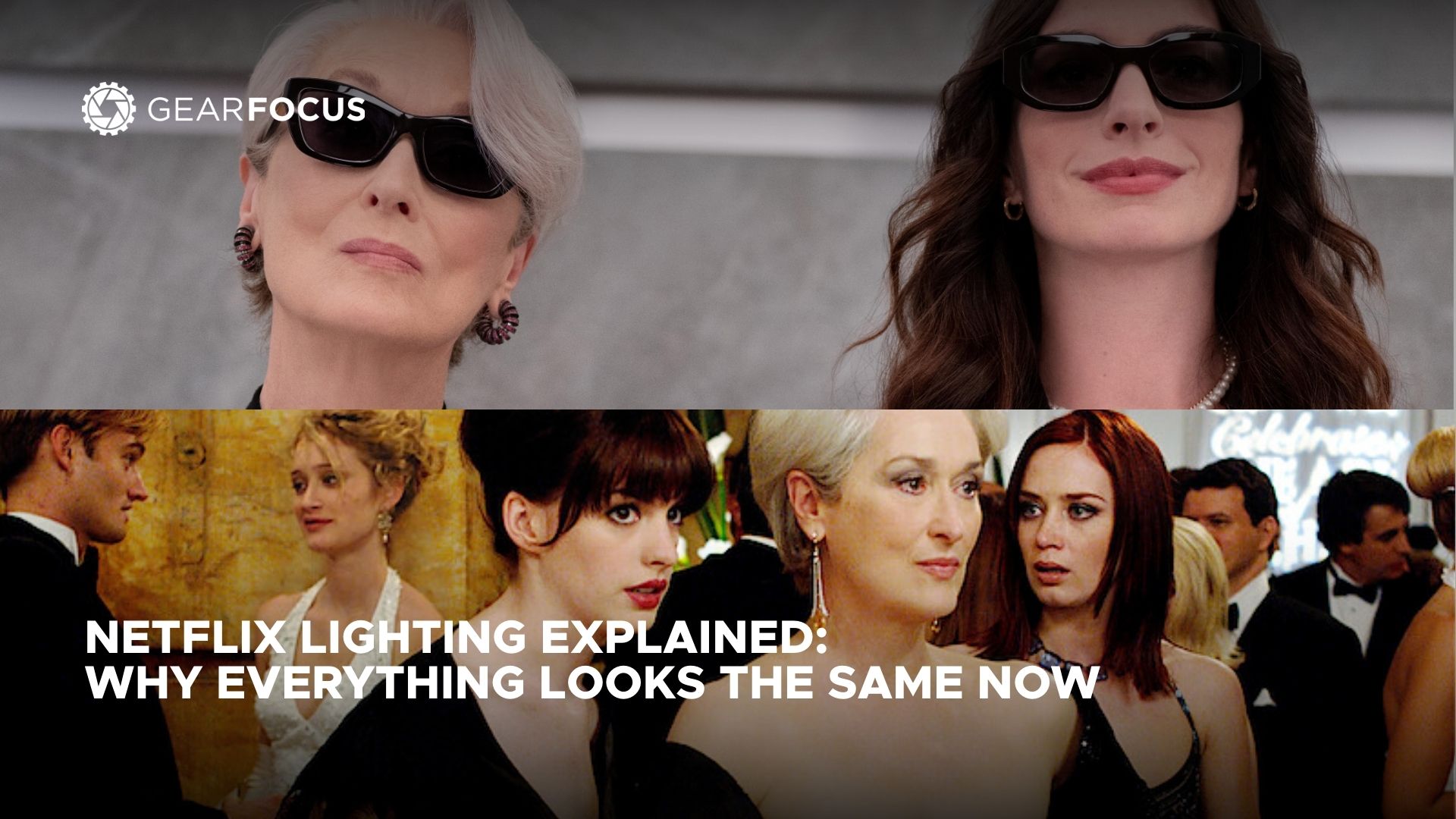
There’s a shot in almost every prestige drama released in the last five years that you’ve probably seen without being able to describe it. A character is sitting at a kitchen table, or standing in a hallway, or looking out a window at night. The light is soft. Their face is perfectly exposed. Nothing is too dark. Nothing is blown out. The shadows, if there are any, are polite and well-behaved, tucked neatly under a jaw or behind an ear. Everything is… visible.
And somehow, despite how good it all technically looks, something feels a little flat.
You’ve felt this. So has everyone. Film Twitter has been trying to name it for years. The best they’ve landed on is “Netflix lighting” — which, honestly, isn’t wrong, even if it’s imprecise. There’s a distinct visual sameness creeping through modern streaming content, and it’s worth understanding where it actually comes from. Not to complain about it. To use it.
Here’s the deal: this look didn’t appear because cinematographers got bored or studios got cheap. It appeared because the world filmmakers are lighting for changed completely — and the industry responded. Sometimes consciously. Sometimes not.
The Problem Nobody Talks About Out Loud
In 2003, a film lived in a theater. The screen was huge, the room was dark, and the only variable was whether the projectionist knew what they were doing.
In 2025, a film lives everywhere.
It lives on a 65-inch OLED in a dark living room. It lives on a 13-inch laptop on a college campus. It lives on a phone screen at half brightness in a sunlit kitchen. It lives on an airplane seatback monitor next to a screaming toddler. The exact same image — the same pixel data — has to communicate clearly across all of those environments simultaneously.
That’s an almost impossible brief. And lighting departments have been quietly solving for it ever since streaming became the dominant distribution model.
Dramatic underexposure — the kind that made Se7en feel like it was rotting from the inside — is breathtaking in a dark theater. On a phone screen in daylight, those same shadows turn muddy. Faces dissolve into backgrounds. The mood becomes mush. So productions optimize. Faces stay readable. Skin tones stay consistent. Highlights stay controlled.
This is the part of the conversation that No Film School captured well in their breakdown of why modern movies and TV look so dark: the problem isn’t just aesthetics — it’s that lighting decisions made for one screen often fail completely on another.
| That’s not laziness. That’s engineering. |
Schedules, LEDs, and the Quiet Death of Shadows
There’s a second force at work here that doesn’t get nearly enough credit: time.
Modern streaming productions move fast. Television especially. Multiple episodes, multiple directors, overlapping units, global release windows. In that environment, heavily sculpted, high-contrast lighting isn’t just an aesthetic choice — it’s a scheduling risk. Building a complex shadow-heavy setup takes time. Every time the camera moves, the setup needs to be rebuilt and checked. When you’re shooting ten to twelve pages a day, that time doesn’t exist.
Even, soft lighting is fast. It’s forgiving. Actors can move without killing the exposure. Cameras can reposition without rebuilding the scene. Continuity stays cleaner. In post-production, flatter footage gives colorists flexibility to adjust without breaking the image.
The tools made this easier, too. By the mid-2010s, LED panels had taken over sets. Not the ugly, greenish LEDs of the early aughts — genuinely impressive, color-accurate, bi-color, programmable panels that produce beautiful soft light almost anywhere. They’re lightweight, efficient, and easy to adjust on the fly.
They’re also clean. Almost too clean. Older tungsten units and HMIs had character — imperfections, edge falloff, a quality that forced decisions. LEDs remove that friction. And as cinematographer Gonzalo Amat explains in Fstoppers’ breakdown of shooting low-light scenes, when tools remove friction, you have to be especially intentional — because the defaults will always push you toward safety.
| Nobody made a conscious choice to flatten cinema. The tools got easier and the schedules got tighter, and the images responded accordingly. |
Why Older Films Feel Different — And It’s Not Just Nostalgia
Alright, here’s something people don’t want to hear: part of why 1990s and early 2000s films feel moodier is the medium itself.
Film stock compresses highlights and rolls off shadows differently than digital sensors. It adds grain that registers as texture — even in dark areas where digital would just show noise or nothing at all. The imperfection was baked in, and it read as atmosphere.
Digital sensors are cleaner. Sharper. More technically accurate. They’re also less forgiving of extreme contrast. When a shadow goes dark on a digital sensor, it goes dark. There’s less graceful rolloff. So cinematographers working digitally often expose a little brighter, keep more information in the frame, preserve flexibility for post.
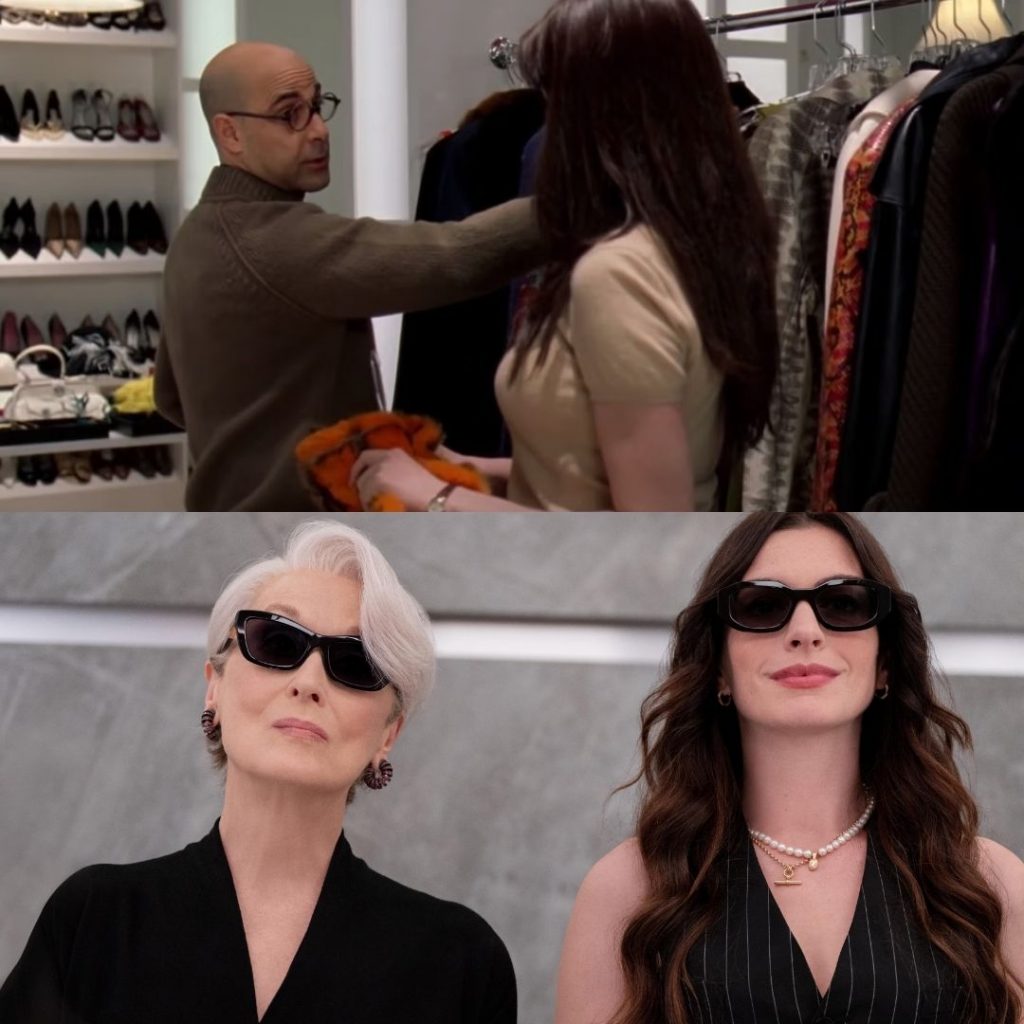
HDR adds another layer of complexity. As No Film School explains in their examination of HDR cinematography, the technology allows for richer contrast and deeper shadows — but misuse of it, or over-reliance on post-production fixes, can produce images that feel unnaturally bright in dark areas and strip out the intention behind shadow choices.
The result can feel less visceral. But here’s the honest take: you’re not watching worse lighting. You’re watching lighting that’s been optimized for a completely different pipeline, and evaluated on a completely different set of criteria. The medium changed. The images changed with it.
When Safety Becomes the Default
Here’s where the critics aren’t wrong.
Understanding why soft, even lighting makes sense for streaming is one thing. Accepting it as the inevitable default for all visual storytelling is another. And that’s where the argument gets interesting.
When safety becomes the baseline — when every production, regardless of tone or story or genre, lands in roughly the same exposure latitude with roughly the same contrast ratio — the visual field narrows. Things start to look the same.
Cinema has always been defined by distinct visual identities. The cold, desaturated blues of The Matrix. The hyper-saturated chaos of Euphoria. The dusty, sun-bleached warmth of Mad Max: Fury Road. These films look like themselves. You know them on sight.
When an entire era of content shares similar exposure philosophies, it blurs together. Audiences feel it, even when they can’t articulate it. Fstoppers’ piece on creating dark and moody cinematography makes the point directly: objective number one in any lighting setup is to control the light — which means making a choice, not defaulting to whatever is safest.
| That blur is a consequence of constraint normalized into aesthetic. And it’s a signal. |
What This Means for Your Work
If you’re a photographer who shoots video, an indie filmmaker, a content creator, or someone just starting to think about lighting for the first time — this history matters because it clarifies the actual question.
The question isn’t “is Netflix lighting good or bad.” The question is: what problem is your lighting solving, and for whom?
If your project lives on streaming or social platforms, clarity and legibility are features. Your audience is watching on unpredictable screens in unpredictable conditions. Soft, even, readable lighting serves them.
If your short film is premiering at a festival in a proper screening room, you have more latitude. Push contrast. Embrace shadow. The room will let you.
If you’re shooting branded content for social, you’re probably back to device optimization — because it’s going out on Instagram, YouTube, LinkedIn, and a dozen other surfaces. Understanding the industrial context frees you from aesthetic anxiety. You stop chasing a “look” and start solving a problem. Those are very different activities, and they produce very different results.
The Case for Breaking It
Here’s the exciting part.
Because the streaming aesthetic has become so familiar, deviation is now striking in a way it wasn’t five years ago. A deliberately heavy shadow. A bold lighting ratio. A color temperature decision that reads as intentional. Audiences are primed to notice contrast again — which means filmmakers who move away from the safe center, on purpose, with craft, are going to stand out.
The tools are accessible. Walking through how a professional cinematographer lights a simple scene is a useful reminder that crafting expressive light isn’t about budget — it’s about understanding how light behaves and making deliberate choices with whatever you have.
The same bi-color LED panels used on major streaming productions are widely available on the secondary market — picked up from working cinematographers and production companies who cycle through gear constantly. Compact Fresnels, older tungsten fixtures, affordable softboxes and modifiers. All of it circulates. GearFocus carries a constantly rotating selection of lighting gear — listed by verified sellers who actually use this equipment. The barrier to expressive lighting is lower than it’s ever been.
| The only limiting factor, honestly? Making a decision instead of defaulting to what’s safe. |
The Bottom Line
Netflix lighting isn’t ruining cinema. It’s reflecting the ecosystem cinema now lives in. Streaming demands clarity. Global audiences demand accessibility. Production schedules demand efficiency.
But none of that eliminates artistry. It simply shifts the battlefield.
The most compelling cinematography of the next decade won’t come from rejecting this aesthetic on principle. It will come from filmmakers who understand it deeply enough to know exactly when — and how — to break it.
Lighting is a language. Learn the dialect of the moment. Then decide how you want to speak.
📷 Looking to build or upgrade your lighting kit? GearFocus carries bi-color LED panels, Fresnels, modifiers, and more — listed by verified sellers who use this gear in the field. New inventory added daily. Browse lighting on GearFocus →
FAQ
What exactly is “Netflix lighting” and is it a real technique?
It’s not an official industry term — no cinematographer shows up to set and asks for “the Netflix look.” The phrase emerged online as shorthand for a modern streaming aesthetic: soft key lights, minimal deep shadows, even skin tone exposure, controlled highlights, and low-contrast color grades. It describes a result that emerged from a combination of factors — device distribution requirements, tight production schedules, and the rise of LED technology — rather than a deliberate stylistic movement. Understanding that distinction is useful because it means the look isn’t inevitable. It’s a response to specific constraints. Change the constraints, and you can change the look.
Can independent filmmakers achieve a different look without expensive gear?
Yes — and this is the most underappreciated fact in cinematography discourse. The “Netflix look” isn’t expensive to achieve, but neither is a more expressive alternative. A compact Fresnel, a single tungsten practical, a well-placed reflector — these create contrast and texture without a rental house budget. Pre-owned lighting gear circulates constantly in this industry, which means quality tools are accessible at a fraction of their original retail price. GearFocus is a good place to start — verified sellers list the same LED panels and modifiers found on professional sets. The difference between flat, uniform lighting and something with genuine character is rarely about what you spent. It’s about whether you made a deliberate choice or defaulted to whatever was easiest to set up.
Where can I learn more about cinematic lighting techniques?
A few resources worth bookmarking: A guide to dark and moody cinematography covers practical techniques for building contrast and atmosphere. No Film School’s HDR cinematography breakdown explains the technical pipeline that shapes modern lighting decisions.
Own one like this?
Make room for new gear in minutes.
