- Buyer protection on every order
Nikon Bought RED. Now They’re Selling a Cinema Camera for Half the Price of a Sony FX3.
GearFocus
Mar 13, 2026

Key Takeaways
- Nikon acquired RED Digital Cinema in 2024 — not a licensing deal, not a partnership. They own the IP, the color science, and the REDCODE RAW pipeline.
- The Nikon ZR brings RED color science to a price point roughly half that of the Sony FX3 — a disruption that is already reshaping how indie filmmakers calculate their next camera purchase.
- RED color science has historically cost $6,000 minimum to access. The ZR breaks that floor, and the used cinema camera market is adjusting in real time.
- FX3 resale values are softening as buyers recalibrate against the new reference point — which means used FX3 units are becoming a significantly stronger value proposition right now.
- The Z-mount cinema glass ecosystem is still developing. The body price is extraordinary. The lens story is still being written, and that gap matters for long-term kit planning.
For years, RED color science operated behind a price wall. The highlight roll off, the tonal depth in the shadows, the way skin held texture under mixed light — filmmakers recognized it on sight. Getting access to it required either a serious rental budget or a minimum $6,000 body commitment at the entry-level Komodo.
That was the rule. An entire generation of independent filmmakers built their gear strategies around it.
Nikon just broke it.
What the Nikon-RED Acquisition Actually Means
In 2024, Nikon acquired RED Digital Cinema. Not a licensing agreement. Not a co-development partnership. A full acquisition of the underlying intellectual property — including RED’s color processing pipeline and the proprietary REDCODE RAW compression format that defined the RED look for over a decade.
The photography community’s initial reaction was measured. RED was a cinema brand. Nikon made stills cameras. The strategic logic wasn’t immediately obvious.
Then Nikon announced the ZR.
RED color science is worth understanding clearly, because it’s the core of why this announcement matters. RED built their cameras around a color rendering philosophy that prioritized latitude and tonal gradation above almost everything else. The way highlights roll off rather than clip. The way shadow detail holds without crushing. The way skin tones respond to light. This wasn’t just a sensor specification — it was an end-to-end processing philosophy. And for years, that philosophy was only available to filmmakers who could afford RED’s price structure.
The Nikon ZR changes that equation. It’s a dedicated cinema body — not a hybrid stills camera with video specifications added — running RED color science with internal raw recording and a retail price point sitting at roughly half the cost of the Sony FX3.
That’s not an incremental product improvement. That’s a category reset.
The ZR’s Numbers vs. the Competition
Show Image The Nikon ZR positions RED color science at a price point that was previously unavailable in any camera outside the RED ecosystem.
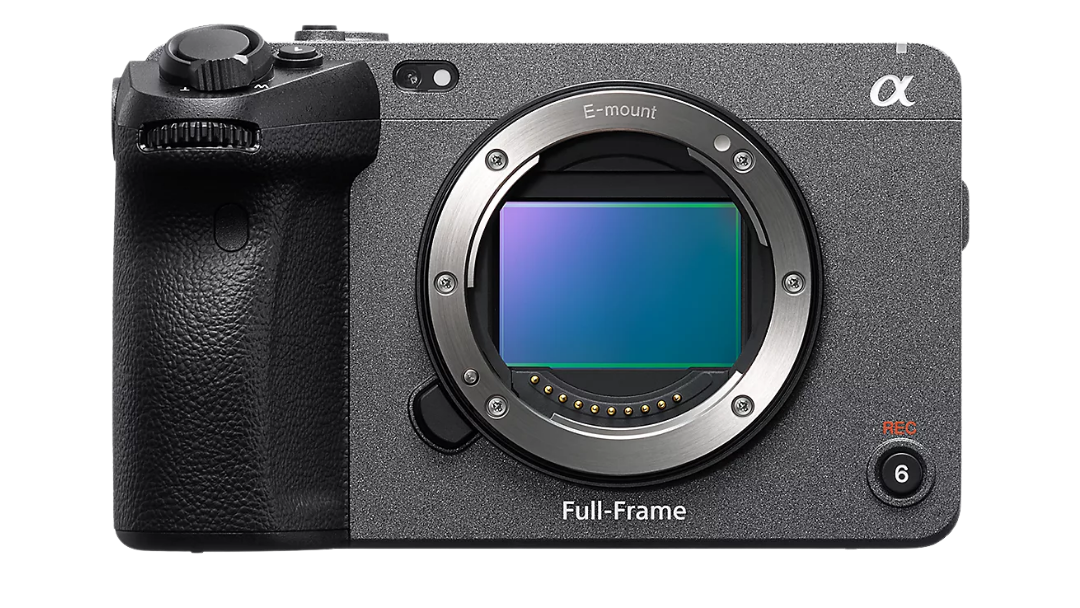
The Sony FX3 retails at $3,499 new. Full-frame sensor. Excellent color science. Proven across thousands of independent productions. The FX3 earned its reputation — it remains a legitimate cinema tool.
The Nikon ZR is landing at roughly half that price. With RED color science. With internal raw recording. With Nikon treating this as a foundational platform with dedicated lens production investment — not a one-off product experiment.
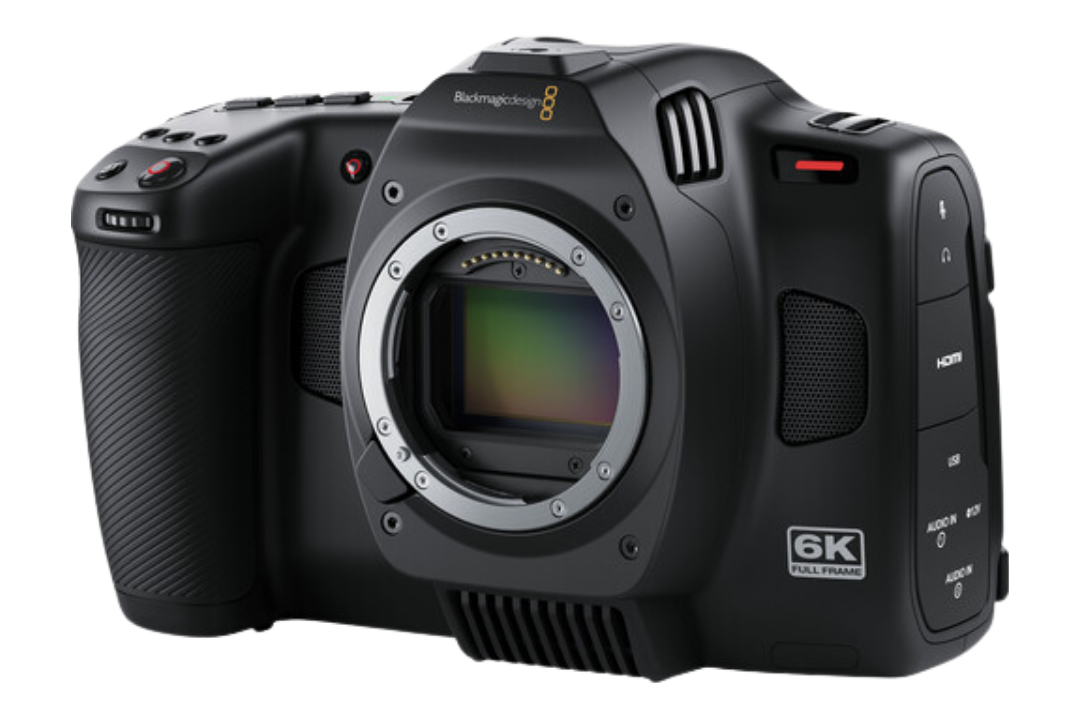
The Blackmagic Pocket Cinema Camera 6K has held the budget cinema position for years at approximately $2,495. Its dynamic range is legitimate, Braw delivers a capable codec, and the indie filmmaking community around it is substantial. But it runs hot, it demands external power management, and its color science — while strong — is not RED.
The direct comparison that spec sheets don’t resolve: the Nikon ZR isn’t just cheaper than the FX3. It brings a color rendering pipeline the FX3 cannot match, to a price point below the BMPCC 6K, with internal raw recording that rivals cameras at twice the price.
For indie filmmakers running the numbers on their next cinema purchase, the old calculations no longer hold.
What Happens to FX3 Resale Values Now
This is the part that matters most to anyone watching the used cinema camera market.
The pattern plays out the same way across every gear category when a disruptive product arrives: a new competitor enters at half the price with equivalent or superior specifications. Buyers who were weighing the incumbent option now have a genuine alternative. Demand for the established model softens. Sellers who need to move units price more competitively. The used market adjusts.
That adjustment is already underway.
The FX3 hasn’t gotten worse because the ZR exists. Its color science remains excellent. Its ecosystem is mature. Its reliability across years of real-world production is documented. Filmmakers who have built established workflows around Sony’s color pipeline aren’t abandoning it.
But the buyers who were on the fence — comparing a used FX3 against the BMPCC, against renting, against waiting — that pool is contracting. And when buyer demand softens, prices follow.
A used FX3 at $2,000–2,400 is a fundamentally different value proposition than the same camera at $2,800. The camera hasn’t changed. The market has.
At the same time, RED Komodo listings are worth watching for a different reason. The ZR’s launch is generating broader awareness of what RED color science actually produces — and why filmmakers have paid a premium for it. The Komodo, as the entry point to RED cinema glass in a compact body, may see renewed demand as that category awareness expands. Buyers who understand what they’re looking at may find a window in used RED pricing before demand catches up.
Browse current cinema and video listings on GearFocus to track where prices are settling in real time.
The Lens Question Nobody’s Answering Yet
The ZR story has a complication — and it’s worth addressing directly.
The Z-mount is a capable cinema mount. Wide throat, short flange distance, strong light transmission. Nikon’s Z-mount lens lineup is legitimate for hybrid and stills work, and the company has invested meaningfully in expanding it. Nikon has announced new lens production capacity and positioned RED’s technology as foundational to a long-term cinema platform — language that signals a serious platform commitment rather than a product line they might abandon.
But for dedicated cinema glass — lenses with consistent t-stops, de-clicked aperture rings, linear focus throw, and cinema metadata — the Z-mount ecosystem is still thin.
ZR adopters in the near term will be adapting existing glass: PL mount via adapters, existing Z-mount primes, or Nikon Nikkor primes pressed into cinema service. That’s workable — many serious productions adapt glass successfully. But it means the ZR’s total cost of ownership needs to account for lens strategy before purchase.
Anyone comparing the ZR against the FX3 or BMPCC 6K should add lens ecosystem readiness to the evaluation. The body price is genuinely extraordinary. The glass story is still being written, and that gap will matter differently depending on how quickly a production needs to move.
Building a RED-Tier Kit on a Real Budget — Right Now
Show Image The used cinema camera market is mid-shift. Buyers who understand the recalibration are finding strong value in proven platforms.
The ZR hasn’t shipped at scale. Cinema glass is still developing. Productions need to move now.
Here’s how to read the used cinema camera market in light of everything above.
Wait and buy the dip. For filmmakers whose current kit is functional, the next 12 months represent a window where used FX3 and BMPCC 6K prices are softening simultaneously. Patient buyers who understand what’s driving the adjustment will find strong value. This isn’t passivity — it’s timing.
Used FX3 at adjusted prices. The FX3 hasn’t changed — its market price has. A used FX3 in the $2,000–2,400 range from a filmmaker who’s actually used it in production is one of the strongest dollar-for-dollar cinema packages available right now. Mature ecosystem. Proven reliability. Full-frame Sony color science at a price the new market has created.
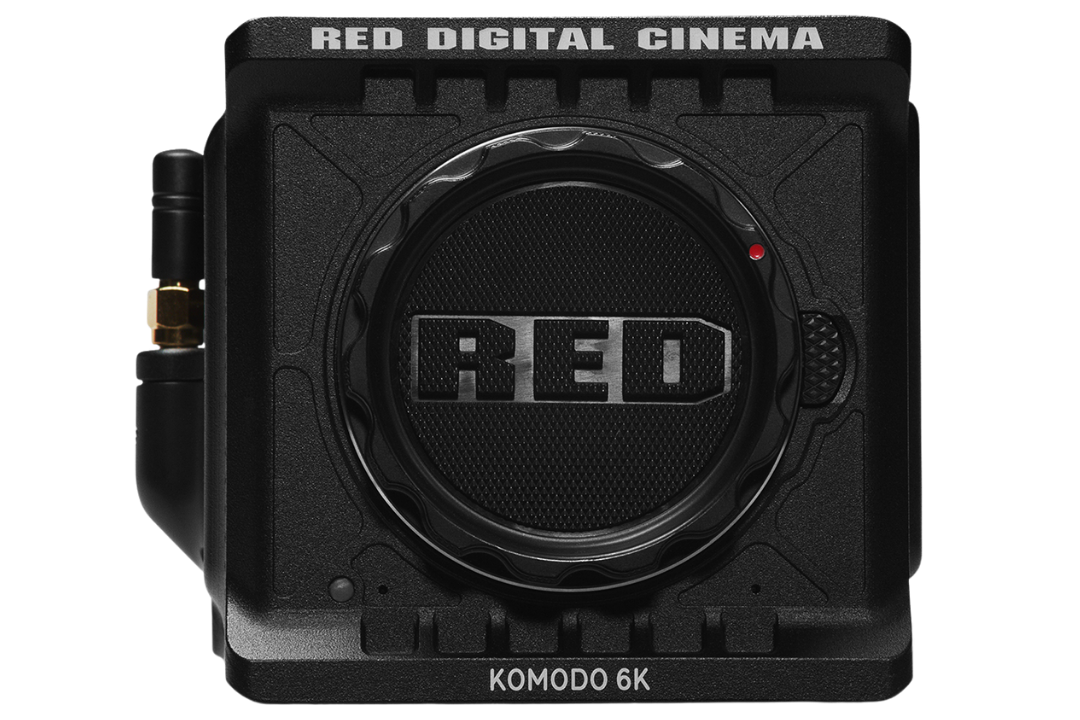
Used RED Komodo while the window exists. For filmmakers who specifically want RED color science in a compact cinema body, the used RED Komodo market is worth monitoring closely. The ZR is generating attention that will eventually raise demand for the wider RED ecosystem. The window to get ahead of that price shift may be shorter than it appears.
BMPCC 6K as the proven workhorse. For productions with a firm budget ceiling and a tight timeline, a used Blackmagic Pocket Cinema Camera 6K in good condition remains one of the most capable cinema cameras per dollar available. It’s not RED color science — but it’s genuinely excellent, with a large community, extensive documentation, and a track record across thousands of productions.
The Rule Is Gone. The Market Is Moving.
For a decade, the price wall around RED color science operated like a fixed law. Certain images — the ones that made independent reels look like features — required either serious rental access or a $6,000+ body as the floor.
The Nikon ZR has broken that floor. And when a rule that fundamental changes, the entire category recalibrates.
FX3 values are softening — that’s a buyer opportunity, not a warning. Used RED Komodo pricing is stable today but may not stay that way as broader awareness builds. The Z-mount lens gap is a constraint, not a dealbreaker, and it has a defined timeline.
The used cinema camera market right now is the most interesting it’s been in years. The filmmakers who benefit are the ones who understand what’s moving — and why.
Where GearFocus Comes In
When the cinema camera hierarchy resets — when used FX3 units start moving at adjusted prices, when RED Komodo listings attract new attention, when filmmakers recalculate what a sub-$2,000 RAW cinema body means for their kit — that recalculation happens in the used market.
GearFocus connects filmmakers with verified sellers: photographers and cinematographers who have actually used the equipment, understand what they’re selling, and represent it accurately. Every listing reflects gear that’s been in real production — not anonymous inventory, not liquidation stock.
Browse used cinema and video camera listings on GearFocus →
Frequently Asked Questions
Does the Nikon ZR actually use the same color science as RED cameras?
Yes. When Nikon acquired RED in 2024, the acquisition included RED’s underlying intellectual property — the color processing pipeline and REDCODE RAW compression format. The ZR runs that pipeline natively. It isn’t inspired by RED color science; it is RED color science in a Nikon body. Real-world comparisons against established RED cinema cameras like the Komodo are still emerging as the ZR ships at scale, but the technology foundation is the same.
Should FX3 owners consider selling now that the ZR exists?
Timing matters. The FX3 remains an excellent cinema camera — its ecosystem, reliability, and color science haven’t changed. What has changed is the price at which it will trade on the used market as buyers recalibrate against the ZR as a reference point. Filmmakers planning to upgrade may find the next 6–12 months a reasonable window to sell before market softening accelerates. Those whose workflow depends on Sony’s pipeline and aren’t planning to change have no urgent reason to move.
What’s the strongest used cinema camera purchase right now given the ZR announcement?
It depends on production needs, budget, and timeline. A used FX3 at adjusted prices offers full-frame Sony color science at a price the new market has created. A used BMPCC 6K remains one of the strongest dollar-for-dollar cinema packages available. A used RED Komodo is worth monitoring closely as RED category awareness builds. The clearest advantage goes to buyers who understand why prices are shifting — and act before the market fully settles.
Own one like this?
Make room for new gear in minutes.
