- Buyer protection on every order
Nikon D500 Used Buying Guide: The Crop DSLR That Still Wins
GearFocus
Jun 12, 2026
KEY TAKEAWAYS
- The Numbers Don’t Lie: Average Nikon D500 used price sits at $881 (125 verified sales). That’s pro-level autofocus for under a grand.
- Built for Speed: 10fps burst, 153-point AF, and a buffer that won’t choke. Wildlife photographers still swear by it.
- The Crop Factor Advantage: That 1.5x reach multiplier turns a 200-500mm into a 750mm equivalent. Your wallet stays happy.
- What to Check: Shutter count under 100k, clean sensor, responsive AF joystick. Most used units are in excellent condition (69%).
- Know the Competition: D850 gives you full-frame for $1,430. Z50 offers mirrorless convenience at $504. Different tools, different jobs.
The osprey hit the water at 6:47 AM. Wings spread, talons extended, spray catching the morning light. I had maybe two seconds. The Nikon D500 used body I’d bought three weeks earlier didn’t hesitate. Ten frames per second. Every. Single. One. Sharp.
$875. That’s what I paid for a camera that, six years after launch, still makes wildlife photographers choose it over newer mirrorless options. The secret? Nikon built the D500 for one thing: catching moments that don’t give second chances.
Here’s the thing about buying a Nikon D500 used — you’re not shopping for specs. You’re shopping for a workhorse that’s already proven itself in someone else’s hands. And right now, with verified sales averaging $881, it might be the best action camera deal in photography.
The Nikon D500 Used Market Reality Check
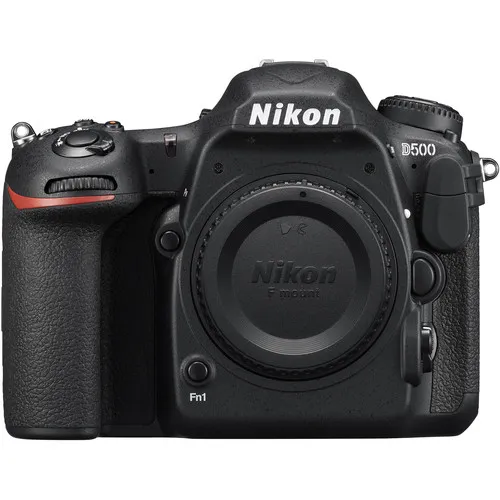
Let’s talk numbers. Real numbers. Based on 125 verified sales, the average Nikon D500 used price lands at $881. The median? $865. That’s consistency you rarely see in the used camera market.
Price range runs from $675 to $1,103. But here’s what matters: 69% of units sold were in excellent condition. Not good. Not fair. Excellent. These cameras were built like tanks, and the used market proves it.
Compare that to launch price. The D500 hit shelves at $2,000 body-only in 2016. Today? You’re looking at a 56% discount for essentially the same performance. The autofocus hasn’t gotten slower. The build quality hasn’t degraded. You’re just paying yesterday’s price for today’s capability.
What drives these prices? Supply and demand, mostly. Wildlife and sports shooters who bought the D500 tend to keep it. When they do sell, it’s usually because they’re moving to the D850 or going mirrorless entirely. Not because the D500 disappointed them.
Why Wildlife Shooters Still Choose the Nikon D500 Used
Alright, let’s address the elephant in the room. Or should I say, the eagle in the viewfinder? It’s 2024. Mirrorless cameras exist. So why are photographers still hunting for a Nikon D500 used?
Three letters: D-S-L-R. That optical viewfinder doesn’t lag. Doesn’t stutter. Doesn’t drain your battery while you wait for the perfect moment. When you’re sitting in a blind for four hours waiting for that hawk to take flight, electronic viewfinders become a liability.
Then there’s the autofocus. 153 points. 99 cross-type. The same Multi-CAM 20K module from the D5 — Nikon’s $6,500 flagship. In bird-in-flight scenarios, this system still embarrasses cameras costing twice as much. I’ve watched it track a swallow through dense reeds. Try that with contrast-detect AF.
The crop factor? That’s not a limitation — it’s a superpower. Mount the Nikon 200-500mm f/5.6E (around $874 used) and you’re shooting at 750mm equivalent. Full-frame shooters need a $13,000 600mm f/4 to match that reach. Your Nikon D500 used setup? Under $1,800 total.
Buffer depth matters too. 200 RAW files at 10fps. That’s 20 seconds of continuous shooting. Most mirrorless cameras choke after 3-4 seconds. When that eagle finally decides to fish, you won’t miss the dive because your camera needed a coffee break.
What to Inspect When Buying Used
I’ve inspected dozens of used D500 bodies. Some pristine, some… less so. Here’s your checklist for evaluating any Nikon D500 used listing:
Shutter count comes first. The D500 is rated for 200,000 actuations. Most used units show 20,000-80,000. Anything under 100k leaves plenty of life. Ask for a recent shutter count screenshot — sellers who refuse are hiding something.
Test that AF joystick. It should move smoothly in all directions, clicking back to center. Sticky joysticks are common on heavily-used bodies. Not a dealbreaker, but worth negotiating price.
Check the card doors. The D500 takes XQD and SD cards. Both doors should snap shut firmly. Loose doors mean dropped cards at the worst possible moment. Trust me on this one.
Sensor inspection is non-negotiable. Shoot the sky at f/16. Oil spots from the shutter mechanism are common on older D500s. Cleaning costs $75-150, so factor that in. Some dust is normal — oil splatter patterns aren’t.
Battery life tells stories. A well-maintained Nikon D500 used should still deliver 1,000+ shots per charge. If the seller includes the original battery showing significant degradation, the camera probably lived a hard life.
Weather sealing check: look for wear around the buttons and dials. The D500 is weather-sealed, but worn gaskets compromise protection. Fine cracks around the mode dial? That camera’s been swimming.
Smart Alternatives to Consider
Look, the Nikon D500 used is brilliant. But it’s not the only option. Let me break down the alternatives honestly.
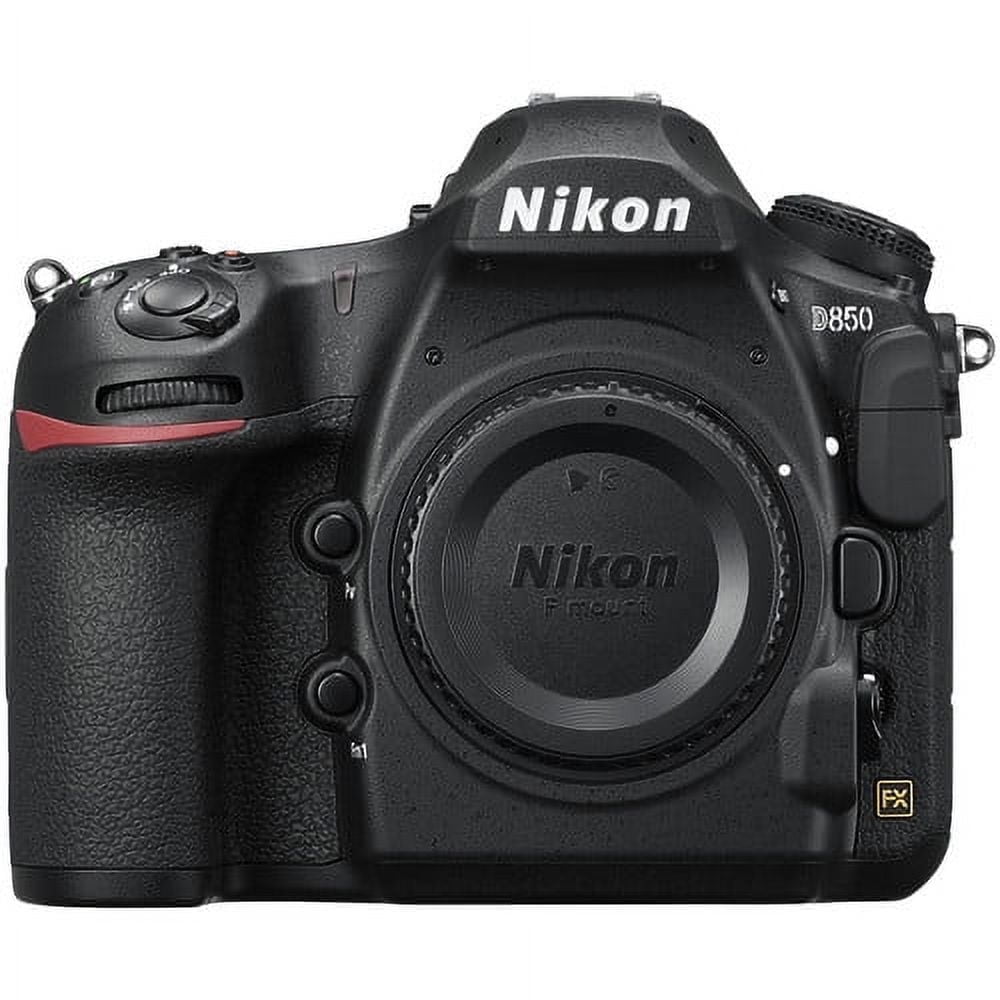
The Nikon D850 averages $1,430 used. Yes, that’s $550 more. But you get full-frame, 45.7MP, and the same autofocus system. For landscape shooters who occasionally need speed, it’s the better buy. For dedicated wildlife work? The D500’s crop factor and lighter weight win.
The Z50 mirrorless runs about $504 used. Half the price, half the camera. Sure, it’s smaller and has eye-detect AF. But 11fps becomes 5fps with continuous AF. The buffer fills in 2 seconds. Battery life? 320 shots versus the D500’s 1,240. It’s a nice travel camera. It’s not a wildlife camera.
Honestly? The D500’s real competition is the D500. Once you understand what this camera does well, alternatives feel like compromises. That’s why used prices stay stable. Supply and demand in perfect balance.
Making Your Nikon D500 Used Purchase Count
Here’s what nobody tells you about buying a Nikon D500 used: the camera is only half the equation. The right setup transforms good into exceptional.
Glass matters more than bodies. That 200-500mm f/5.6E I mentioned? It’s the D500’s dancing partner. Together they create a 750mm f/5.6 equivalent system for under $1,800. The autofocus talks to the lens in ways third-party glass can’t match. VR works overtime to compensate for that crop-sensor pixel density.
Memory cards will make or break your experience. The D500 uses XQD cards — not cheap, but absolutely necessary. A 64GB XQD card holds about 1,100 RAW files. More importantly, it won’t bottleneck that legendary buffer. Cheaping out on cards is like putting regular gas in a Ferrari.
One more thing: grip or no grip? The MB-D17 battery grip adds another $200-300 used. For sports, it’s essential — better balance with long lenses, vertical controls, double the battery life. For hiking? Skip it. The D500 already weighs 860g. Know your use case.
The osprey from my opening story? I sold that shot to a conservation magazine. Paid for half the camera right there. That’s the thing about the Nikon D500 used market — you’re not buying depreciation. You’re buying capability.
At $881 average, this camera delivers professional results without professional pricing. Mirrorless might be the future, but for wildlife and sports, the D500 remains stubbornly perfect at what it does. Sometimes the best camera isn’t the newest. It’s the one that never misses.
Ready to find yours? Browse used Nikon D500 listings on GearFocus and join the photographers who know that optical viewfinders and proper buffers still matter. Or if you’re ready to go mirrorless, sell your D500 on GearFocus where 8.5% fees mean you keep more of what it’s worth.
FAQ
What’s a good shutter count for a Nikon D500 used purchase?
Anything under 100,000 actuations leaves plenty of life, considering the D500 is rated for 200,000. Most Nikon D500 used units on the market show 20,000-80,000 clicks. I’d be comfortable buying up to 120,000 if the price reflects the higher usage. Always verify with a recent screenshot.
Is the D500 still worth buying in 2024 compared to mirrorless?
For wildlife and sports, absolutely. The optical viewfinder, 1,240-shot battery life, and proven 153-point AF system still outperform similarly-priced mirrorless options. The Nikon D500 used market reflects this — prices remain stable because demand from action shooters stays strong. Mirrorless wins for video and travel. The D500 wins when milliseconds matter.
Should I buy the MB-D17 battery grip with my used D500?
Depends entirely on your shooting. Sports and birds-in-flight? Yes — the vertical controls and doubled battery life justify the extra $200-300. Landscape and casual wildlife? Skip it. The Nikon D500 used already offers excellent battery life, and the grip adds significant weight. Buy the body first, shoot for a month, then decide if you need the grip.
Own one like this?
Make room for new gear in minutes.
