- Buyer protection on every order
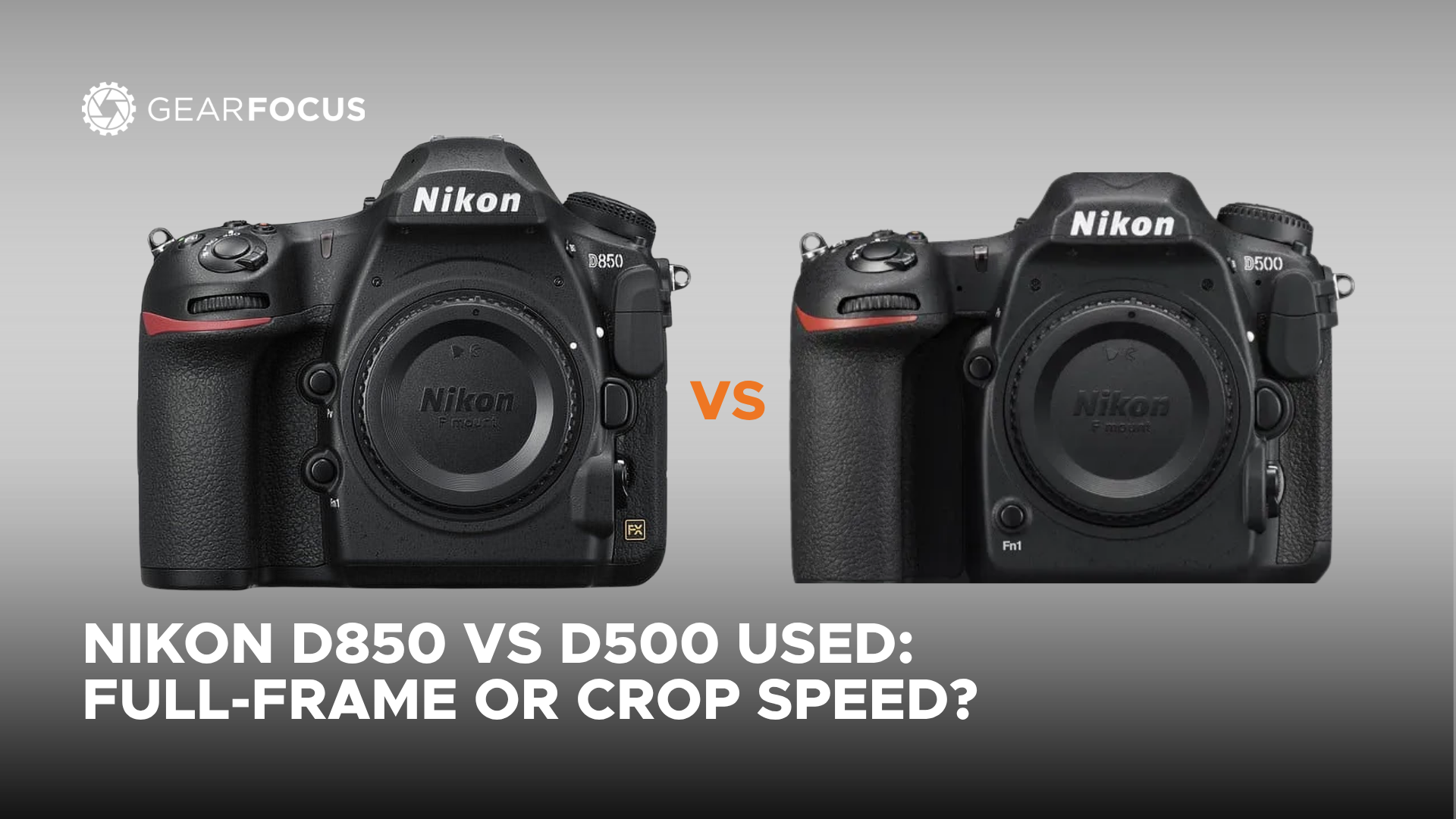
Nikon D850 vs D500 Used: Full-Frame or Crop Speed?
GearFocus
Jun 1, 2026
KEY TAKEAWAYS
- Price Reality Check: Used D850s average $1,430 while D500s go for $865 — that $565 gap buys a lot of glass or pays for your next trip.
- Resolution vs Reach: The D850’s 45.7MP full-frame sensor delivers studio-worthy detail. The D500’s 20.9MP APS-C gives you 1.5x reach and 10fps for wildlife.
- Shared DNA That Matters: Both pack the same legendary 153-point AF system — the difference is what you point it at.
- The Speed Factor: D500 shoots 10fps with a 200-shot buffer. D850 manages 7fps (9fps with grip) — still plenty for most action.
- Who Wins?: Landscape photographers and studio shooters need the D850. Wildlife and sports? The D500’s reach and speed make more sense.
The text came at 11:47 PM. “D850 or D500?” My buddy was sitting on B&H with both tabs open, credit card in hand, paralyzed. I get it. When you’re comparing nikon d850 vs d500 used, you’re not just picking a camera — you’re picking a path. Full-frame resolution or crop-sensor reach? Studio precision or field agility? $1,430 or $865?
I told him to close the tabs and go to bed. This isn’t a decision you make at midnight.
Here’s what 289 verified sales on GearFocus taught me about these two Nikon flagships. Real prices. Real tradeoffs. Real talk about who needs what.
The Price Gap Is Real (And It’s Not Small)
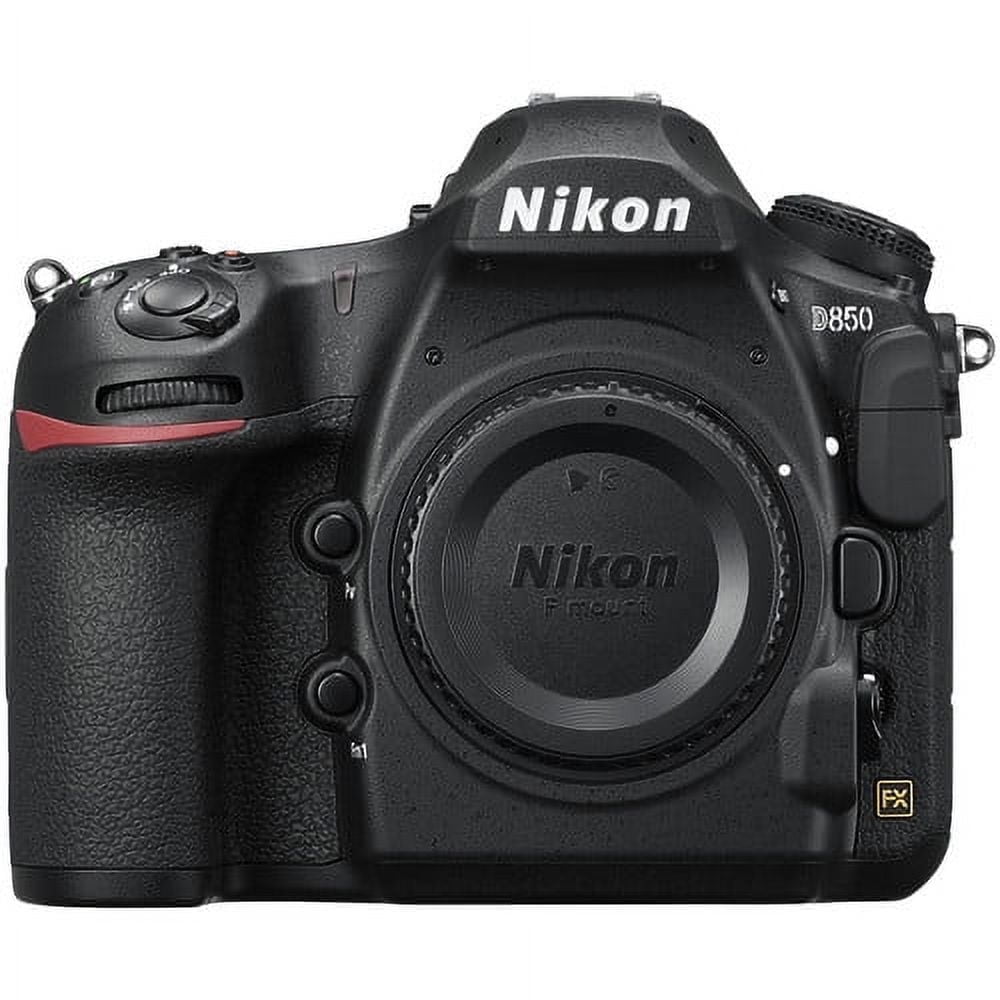
Let’s start with what matters to your wallet. Based on 164 verified D850 sales, the median price sits at $1,430. The realistic range? $1,350 to $1,500. Meanwhile, 125 D500 sales show a median of $865, with most falling between $675 and $1,103.
That’s a $565 difference at median prices. Not pocket change.
What does that gap buy you? On paper, it’s 24.8 more megapixels and a full-frame sensor. In practice? It’s the difference between printing gallery-sized landscapes and cropping for Instagram. Between seeing every eyelash in a portrait and just seeing the eyes.
But here’s what that gap costs you: 3fps burst speed. A lighter body. And that built-in 1.5x reach that wildlife shooters dream about. The nikon d850 vs d500 used debate isn’t about which is “better” — it’s about which compromises match your work.
Resolution Wars: When 45.7MP Meets 20.9MP
The D850’s 45.7MP full-frame sensor is a detail monster. I shot architectural interiors with one last spring — you can count individual bricks on buildings three blocks away. The files are massive. We’re talking 50MB RAWs that’ll make your laptop beg for mercy.
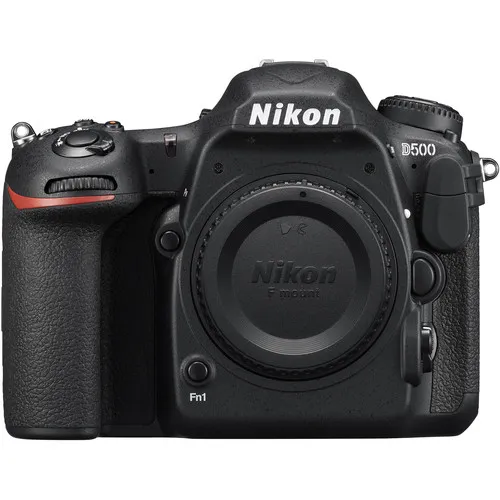
The D500? Different game. 20.9MP on APS-C. The files are manageable. Your buffer doesn’t choke. And here’s the kicker — at web sizes, you can’t tell the difference. Really. Show me a Facebook post where you can spot 45MP vs 21MP. I’ll wait.
Where resolution matters: Large prints. Heavy crops. Client work where you might need to pull a vertical from a horizontal. Studio and landscape work where every pixel counts. If that’s not you, those extra megapixels are just eating hard drive space.
The crop factor conversation gets interesting too. That D500 sensor gives you 1.5x reach on every lens. Your 300mm becomes a 450mm. Your 70-200 reaches 300mm. For wildlife and sports, that’s not a limitation — it’s a superpower. Comparing nikon d850 vs d500 used for bird photography? The D500 wins before we even talk about burst rates.
Speed and Buffer: The D500’s Party Trick
10 frames per second. 200 RAW files before the buffer fills. The D500 is built for moments that won’t wait. Birds in flight. The winning goal. Your kid’s first steps (okay, maybe overkill there).
The D850 shoots 7fps native, 9fps with the battery grip. Respectable. More than enough for most situations. But that buffer fills faster with those massive files. About 51 RAWs with a fast card. Still solid, but you feel the difference in extended bursts.
I learned this the hard way shooting surfers. D850, gorgeous files, amazing detail on the water drops. But I missed peak action moments while the buffer cleared. Switched to a D500 the next day — nailed every sequence. Sometimes speed beats resolution.
The autofocus tells another story though. Both cameras share Nikon’s 153-point AF system. Same coverage. Same tracking algorithms. Same ability to lock onto a subject and not let go. Whether you’re comparing nikon d850 vs d500 used for portraits or action, the AF won’t be your deciding factor.
Real-World Use Cases (Where Each Camera Shines)
Team D850: You shoot landscapes at dawn. Studio portraits under controlled light. Architecture. Fine art. Anything where you have time to compose, where detail matters more than speed, where you’re printing big or cropping hard. The full-frame look — that shallow depth of field, that smooth tonality — it’s addictive. Once you taste it, APS-C feels limiting.
Team D500: You’re chasing birds at 300 yards. Shooting sports from the sidelines. Street photography where a smaller body matters. Anything where speed, reach, and agility trump resolution. That extra 1.5x reach isn’t just nice — it’s the difference between getting the shot and watching it fly away.
Here’s a confession: I own both. Had both. Sold the D850. The files were gorgeous, but I’m not Ansel Adams. I don’t print wall-sized. I shoot kids’ soccer and local wildlife. The D500 does that better, costs less, weighs less. Your mileage will vary.
The weather sealing deserves a mention too. Both bodies are tanks. I’ve shot in rain, snow, dust storms (long story). Neither blinked. But the D500’s smaller size makes it easier to protect in truly nasty conditions. Easier to tuck under a jacket. Easier to wipe down. Small advantage, but it matters in the field.
Making the Nikon D850 vs D500 Used Decision
Alright. Cards on the table time. You’re looking at nikon d850 vs d500 used because you want flagship performance without flagship prices. Smart. Here’s how to choose:
Get the D850 if: You shoot subjects that hold still. You print large. You crop aggressively. You need full-frame for client expectations. You have fast glass that can feed that hungry sensor. You don’t mind the weight. You’ve got $1,400-1,500 to spend.
Get the D500 if: You shoot action. You need reach. You value speed over resolution. You’re building a wildlife/sports kit. You want money left over for glass. You prefer a lighter setup. Your budget tops out around $900.
Still torn? Here’s my test: Look at your last 1,000 photos. How many would’ve been better with more resolution? How many would’ve been better with more reach or speed? Be honest. The answer’s in your archive.
Both cameras share Nikon’s professional build quality. Both will outlast your interest in photography. Both take incredible images in capable hands. The nikon d850 vs d500 used debate misses the point — they’re different tools for different jobs.
My buddy? He bought the D500. Texted me a month later with photos from a hawk nest he’d been monitoring. “Couldn’t have gotten these with the D850,” he said. He was right. But ask a landscape photographer, and they’ll say the opposite about their sweeping vistas.
The best camera is the one that matches your vision. Whether you’re shopping nikon d850 vs d500 used on GearFocus or elsewhere, remember — specs are just numbers until they help you create. Pick the tool that gets you excited to shoot. The rest is just pixels and burst rates.
Ready to make your choice? Browse used Nikon D500 and D850 listings on GearFocus. Or if you’re switching to mirrorless, we’ll help you sell your DSLR to someone who’ll give it the life it deserves.
FAQ
Is the D850 worth the extra money over the D500 for landscape photography?
For serious landscape work, yes. The D850’s 45.7MP full-frame sensor captures detail the D500 simply can’t match. You’ll see the difference in large prints, shadow recovery, and dynamic range. However, if you’re mainly sharing online or making smaller prints, the D500’s 20.9MP is plenty. Consider your output needs when comparing nikon d850 vs d500 used prices.
Which camera is better for bird photography — D850 or D500?
The D500 wins for birds, hands down. That 1.5x crop factor turns your 500mm lens into a 750mm equivalent, getting you closer without spending thousands on longer glass. Add the 10fps burst rate and lighter body for handheld shooting, and it’s purpose-built for wildlife. The D850’s resolution advantage disappears when you’re cropping heavily anyway.
Can the D500 produce professional-quality images despite the smaller sensor?
Absolutely. The D500’s image quality is professional grade — it’s not 2010 anymore where APS-C meant compromise. DPReview’s testing shows excellent dynamic range and high ISO performance. Many working pros choose the D500 specifically for its reach and speed advantages. The sensor size debate matters less than getting the right tool for your specific work.
Own one like this?
Make room for new gear in minutes.
