- Buyer protection on every order
Nikon Z5 Used Buying Guide: The Cheapest Way Into Full-Frame
GearFocus
Jun 8, 2026
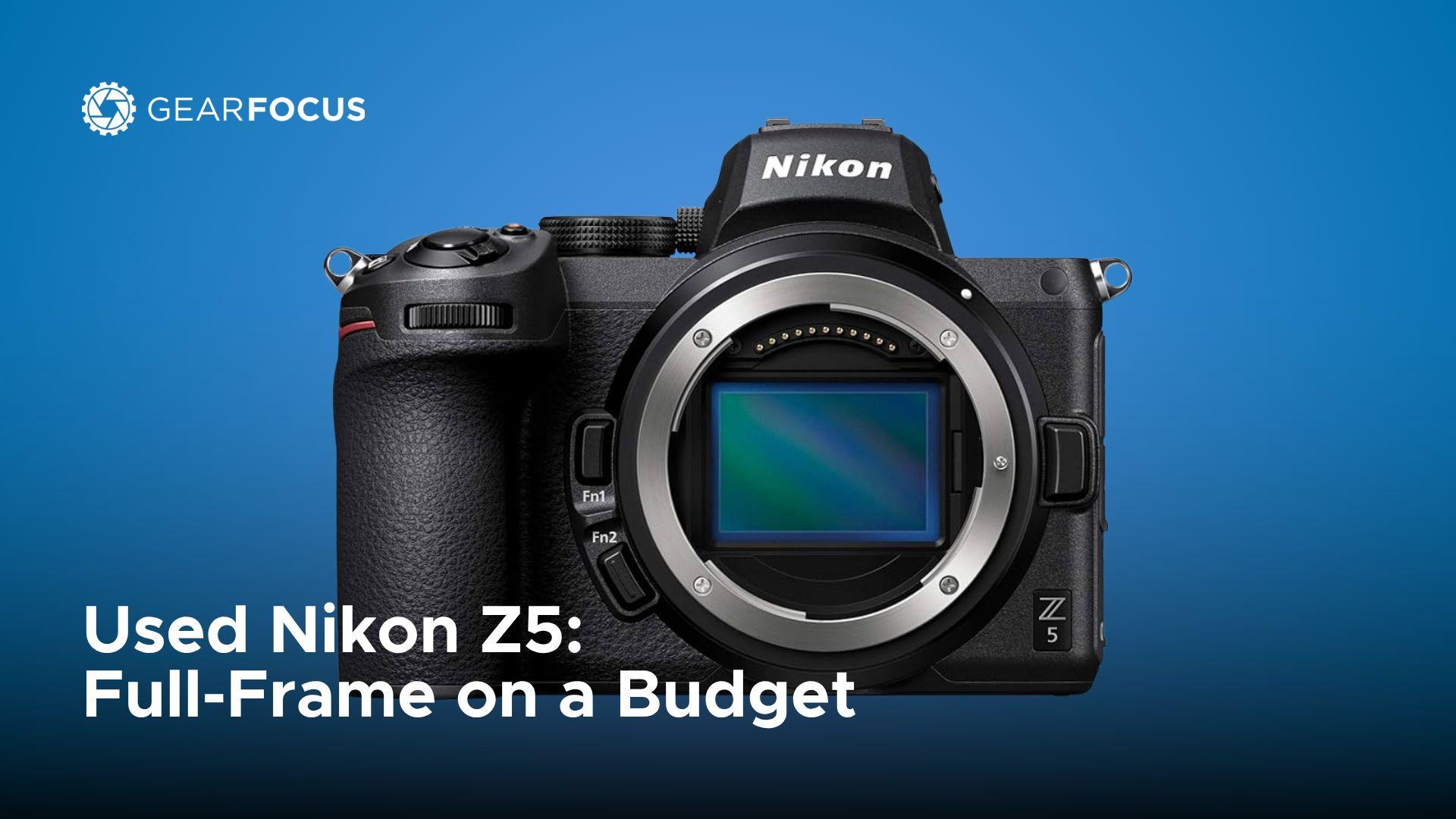
KEY TAKEAWAYS
- Real market price: Used Nikon Z5 bodies average $733 (based on 140 verified sales), making it the cheapest path to Nikon full-frame mirrorless — nearly half the $1,397 retail price.
- The single card slot truth: Yes, it only has one UHS-II slot. For wedding shooters, that’s a dealbreaker. For everyone else? You’ll survive.
- Same bones as the Z6: Identical EVF, grip, weather sealing, and IBIS system. The Z5 feels premium because it is — Nikon didn’t cheap out on build quality.
- Video limitations are real: 4K crops 1.7x and looks contrast-heavy. If video matters, spend the extra $46 for a used Z6 instead.
- Perfect for crop upgraders: Coming from a D5600 or Z50? The Z5’s full-frame sensor and IBIS will feel like switching from economy to first class.
The box had that particular weight that only full-frame cameras have. Dense. Substantial. I’d just paid $689 for a Nikon Z5 used — complete with charger, strap, and exactly 2,847 shutter actuations according to the EXIF data. The seller, a wedding photographer “streamlining to one system,” had babied it. Not a mark on the body. The grip still had texture.
Here’s what nobody tells you about buying the Z5: it’s simultaneously Nikon’s most overlooked and most strategic camera. Overlooked because pros dismiss the single card slot. Strategic because at current used prices, it’s the cheapest ticket to everything that matters in modern photography — full frame, IBIS, and Nikon’s exceptional Z-mount glass.
Let’s not pretend otherwise. The Z5 has compromises. But at $733 average for a Nikon Z5 used body? Those compromises start looking awfully reasonable.
The Nikon Z5 Used Market Reality Check
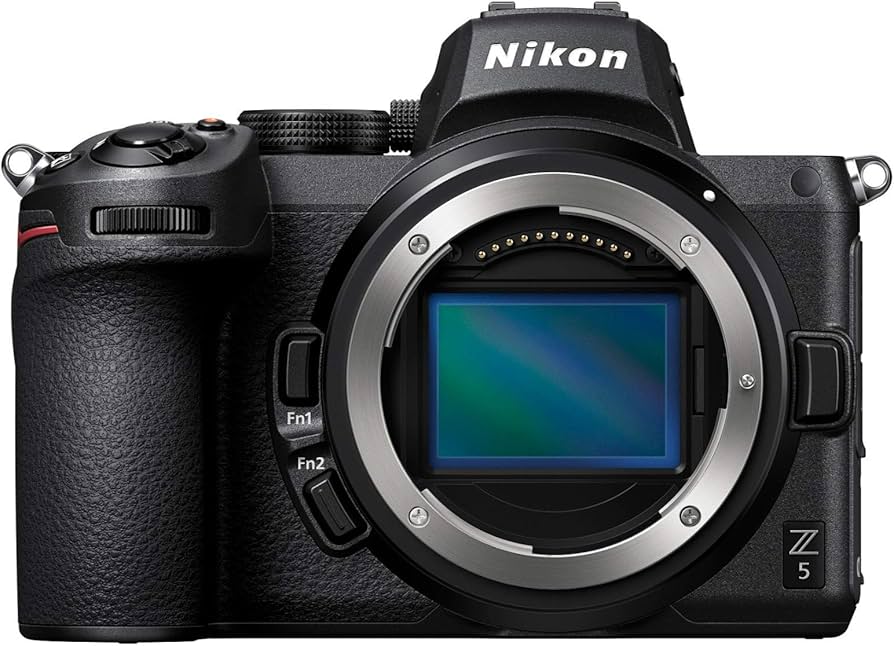
I spend too much time staring at pricing data. Occupational hazard. But the Z5 numbers tell a story worth hearing: based on 140 verified sales, the average Nikon Z5 used sells for $733. The median? $719. Range? $550 to $934.
Think about that spread. The lowest price ($550) likely had issues — high shutter count, cosmetic damage, missing accessories. The highest ($934) probably included extras — maybe a battery grip or extra batteries. But that sweet spot around $719-733? That’s your target for an excellent condition body.
Here’s the breakdown by condition from those 140 sales: – Excellent: 59% (about $750-800) – Good: 31% (about $650-720) – Fair: 8% (about $580-650) – Poor: 2% (under $580)
Translation? Most Z5 sellers took care of their gear. Makes sense — this isn’t a camera people beat up on assignment. It’s the camera careful hobbyists and semi-pros buy for personal work. The kind of shooter who uses a camera strap and keeps the body cap on.
Compare that $733 average to the $1,397 retail price. You’re looking at 48% depreciation in roughly three years. For context, a used Z6 averages $779 — only $46 more. That narrow gap matters. We’ll come back to it.
What You Give Up (And Why It Might Not Matter)
Alright, the elephant in the sensor: single memory card slot. One UHS-II slot. That’s it. No backup. No overflow. One card fails and you lose everything since your last backup.
I asked a wedding photographer about this once. Her response? “Are you insane?” Fair point. If you’re shooting once-in-a-lifetime moments professionally, the Nikon Z5 used isn’t for you. Full stop.
But here’s my confession: In five years of shooting with single-slot cameras, I’ve had exactly zero card failures. Modern SD cards are remarkably reliable. Still paranoid? Buy quality cards (SanDisk Extreme Pro, Lexar Professional) and swap them frequently. Problem mitigated, if not solved.
The other big compromise: burst speed. The Z5 manages 4.5 fps. My old D750? 6.5 fps. The Z6? 12 fps. For wildlife or sports, 4.5 fps feels like shooting through molasses. For portraits, landscapes, street? You’ll never notice.
Then there’s video. Oh boy. The Z5’s 4K has a 1.7x crop factor. Shoot 4K with a 24mm lens? Congratulations, it’s now effectively a 41mm lens. Plus the footage looks contrast-heavy — not “cinematic contrast,” more “someone cranked the contrast slider” contrast. The 1080p is clean but… it’s 1080p in 2024.
Honestly? If video matters to your workflow, spend the extra $46 for a Nikon Z5 used — wait, no. Get the Z6. The Z5 is a stills camera that happens to shoot video, not a hybrid.
What Makes the Z5 Special (Despite Everything)
Here’s what Nikon did right: they gave the Z5 the same bones as its pricier siblings. Same electronic viewfinder as the Z6 — 3.69 million dots, 0.8x magnification. Same grip design. Same weather sealing. Same menu system.
Most importantly: same in-body image stabilization. Five stops of shake reduction. Handheld shots at 1/15s with a 50mm lens? Routine. Night cityscapes without a tripod? Doable. That IBIS alone transforms how you shoot.
The autofocus surprised me too. No, it’s not Sony A7 IV territory. But the 273-point hybrid AF system with eye detection? More than capable for real-world shooting. I’ve tracked moving subjects, nailed eye focus in dim restaurants, even caught my nephew’s chaotic birthday party. The Z5 kept up.
Build quality feels properly Nikon. Magnesium alloy body. Substantial but not heavy (675g with battery). The kind of camera that feels good in your hands for hours. Coming from plastic-fantastic entry-level bodies, a Nikon Z5 used feels like upgrading to business class.
And can we talk about battery life? CIPA rates it at 470 shots. Real world? I routinely hit 600-700 shots per charge. Full day of casual shooting without battery anxiety. The Z6 manages about the same, but costs more.
Who Should Actually Buy a Nikon Z5 Used?
Last month, I had coffee with someone upgrading from a D5600. She showed me her Instagram — gorgeous portraits, moody environmental shots, the occasional landscape. All shot on APS-C with kit lenses. I showed her my Nikon Z5 used listings on GearFocus.
“But what about the single card slot?” she asked.
“How many cards have failed on you?” I countered.
“Well… none.”
She bought one. Last week she messaged me: “The depth of field. The low light. The stabilization. Why didn’t I do this sooner?”
That’s your ideal Z5 buyer. Someone climbing the ladder from crop sensor or older full frame. Someone who shoots for joy, for art, for small clients who don’t demand dual slots. Someone who wants full frame image quality and modern mirrorless features without financing a camera.
You know who else? Film photographers going hybrid. The Z5’s deliberate pace — that 4.5 fps “limitation” — actually suits shooters used to manual advance. One photographer told me it reminded him to slow down, compose better. “Fast burst rates just give me more bad photos to cull.”
Portrait photographers on a budget. Landscape shooters who mostly work on tripods anyway. Travel photographers who value IBIS over burst speed. Urban explorers who need weather sealing without Z9 prices. The Nikon Z5 used serves them all.
Smart Alternatives to Consider
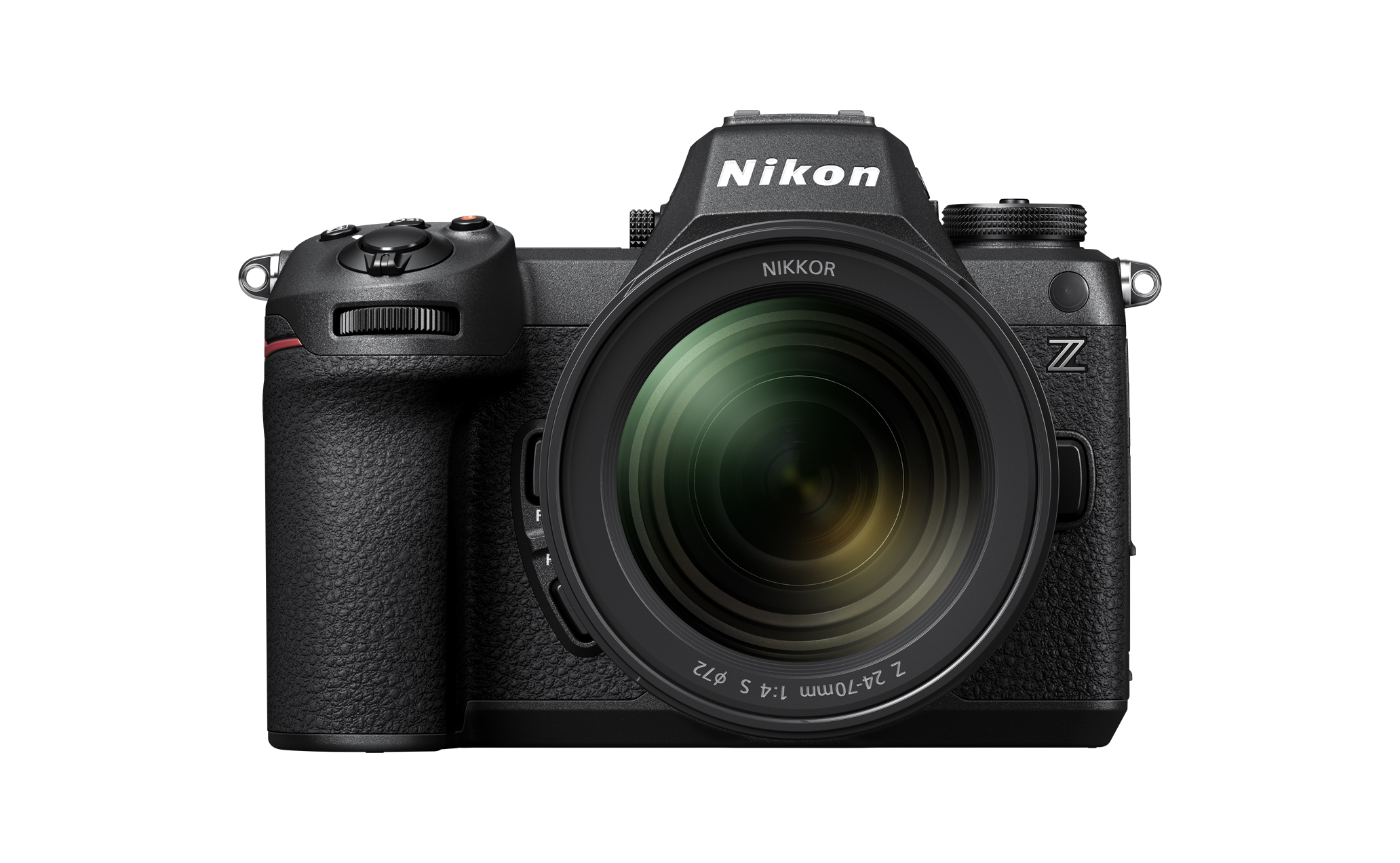
Remember that $46 gap between the Z5 and Z6? At current prices, the Z6 makes a compelling argument. Dual card slots. 12 fps burst. Better video specs. Same sensor, same IBIS, same everything else that matters.
Why doesn’t everyone just buy the Z6 then? Availability. There are simply more Nikon Z5 used bodies in circulation. The Z6 sells faster when priced right. You might wait weeks for the right Z6 deal, while Z5 options pop up daily.
Going the other direction, the Z50 averages $504 used. Crop sensor, but incredibly capable. No IBIS hurts. But if you’re genuinely budget-constrained, it’s a solid entry into the Z-mount ecosystem. Buy the Z50 now, upgrade to full frame later when finances allow.
Dark horse option? A used D750 (around $750). Full frame, dual slots, proven reliability. But it’s DSLR tech — no IBIS, older AF system, bulkier. The Z5 feels like the future. The D750 feels like a beautiful past.
Making the Nikon Z5 Used Purchase Decision
Here’s my framework for deciding: Buy the Z5 if: – You’re upgrading from crop sensor or older full frame – Stills matter more than video – You can live with single card slot – Budget is tight but you want modern features – You value IBIS and build quality
Skip the Z5 if: – You shoot professionally (weddings, events) – Video is 40%+ of your work – You need fast burst for sports/wildlife – You can afford the Z6 and find one available – Dual card slots are non-negotiable
When shopping for a Nikon Z5 used, check shutter count (under 10k is barely broken in), verify all included accessories, and test the IBIS by shooting handheld at slow speeds. Most Z5 owners babied their cameras, but verify everything works.
That Z5 I bought for $689? Still my daily carry. Not my only camera — I’m weak and own too many. But when I grab one camera for a day of shooting, it’s usually the Z5. Light enough to forget it’s there. Capable enough to nail any shot I attempt. Affordable enough that I don’t baby it.
Is it perfect? Nope. Would I recommend a Nikon Z5 used to everyone? Also nope. But for the right shooter at the right price point, it’s the full-frame gateway drug Nikon intended it to be. Just with better value on the used market than they probably planned.
Ready to make the jump to full frame? Browse used Nikon Z5 listings on GearFocus and find your deal. Already own a Z5 and upgrading to a Z6 or Z8? Sell your old body on GearFocus — our 8.5% total fees mean you keep more than on other platforms.
FAQ
Is the Nikon Z5’s single card slot really that bad?
For professional work where data loss means lawsuits or lost reputation, yes — it’s disqualifying. For personal work, travel, and non-critical shoots, modern SD cards are reliable enough that single slot is manageable. Buy quality cards, format regularly, and back up frequently. But if dual slots give you peace of mind, the Nikon Z5 used isn’t for you — grab a Z6 instead.
How does the Z5’s image quality compare to the Z6?
Virtually identical for stills. Both use 24MP full-frame sensors with similar (possibly same) imaging pipelines. In blind tests, you’d struggle to tell Z5 and Z6 photos apart. The differences show in features and speed, not image quality. Any Nikon Z5 used will match Z6 image quality at lower cost.
What’s the best price for a used Nikon Z5 in excellent condition?
Based on 140 verified sales, excellent condition Z5 bodies average $750-800. Below $700 is a good deal, below $650 is great if condition is still solid. Above $850, you’re overpaying unless it includes valuable extras. Check current market prices before buying any Nikon Z5 used to ensure you’re getting fair value.
Own one like this?
Make room for new gear in minutes.
