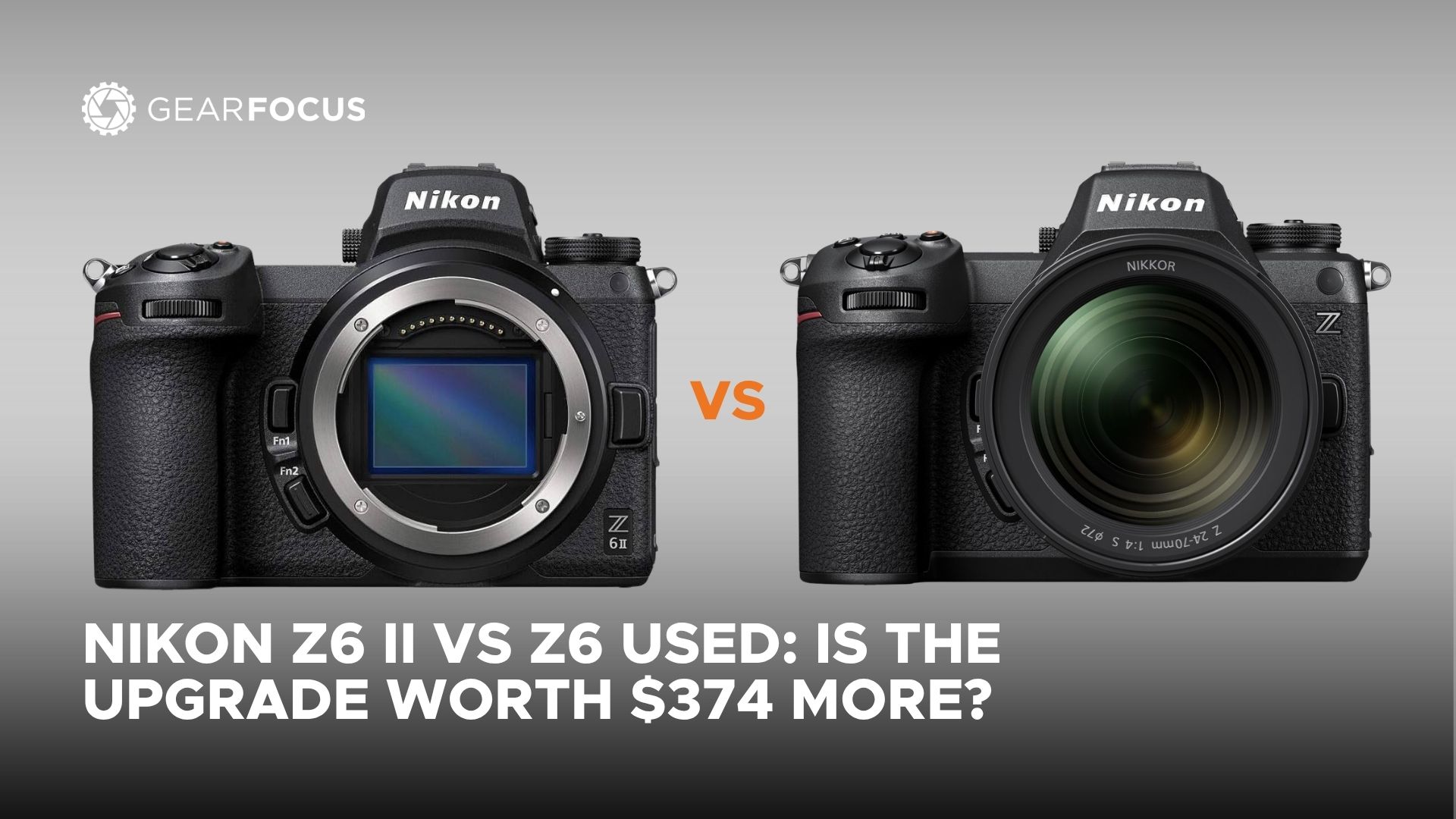
Nikon Z6 II vs Z6 Used: Is the Upgrade Worth $374 More?
GearFocus
May 25, 2026
KEY TAKEAWAYS
- Real-world price gap: The Nikon Z6 II vs Z6 used market shows a $374 median difference — Z6 at $779, Z6 II at $1,153 based on 463 verified GearFocus sales.
- Core upgrades that matter: Dual EXPEED 6 processors, dual card slots (CFexpress + SD), 14fps burst, and noticeably improved autofocus make the Z6 II more reliable for paid work.
- The Z6 sweet spot: For stills shooters and hobbyists, the original Z6 at $779 delivers 90% of the performance for 67% of the price — that’s hard math to ignore.
- Hybrid shooter reality: If video is more than 30% of your work, the Z6 II’s improved AF tracking and dual slots justify the extra $374. Period.
- Market timing: Both cameras are flooding the used market as photographers upgrade to the Z8/Z9 — creating the best buyer’s market we’ve seen in two years.
The message hit my inbox at 11:47 PM. “Should I save $400 and get the Z6, or just bite the bullet on the Z6 II?” Another photographer paralyzed by the Nikon Z6 II vs Z6 used decision. I get this question twice a week now. Sometimes more.
Here’s what I told them: I bought a used Z6 for $750 last February. Shot 47 paid gigs with it. Then sold it for $725 and upgraded to a Z6 II. The why matters more than the what.
Let’s dig into the actual numbers, the real differences, and which camera makes sense for your specific shooting — because the answer isn’t the same for everyone analyzing Nikon Z6 II vs Z6 used options.
The Cold, Hard Used Market Reality
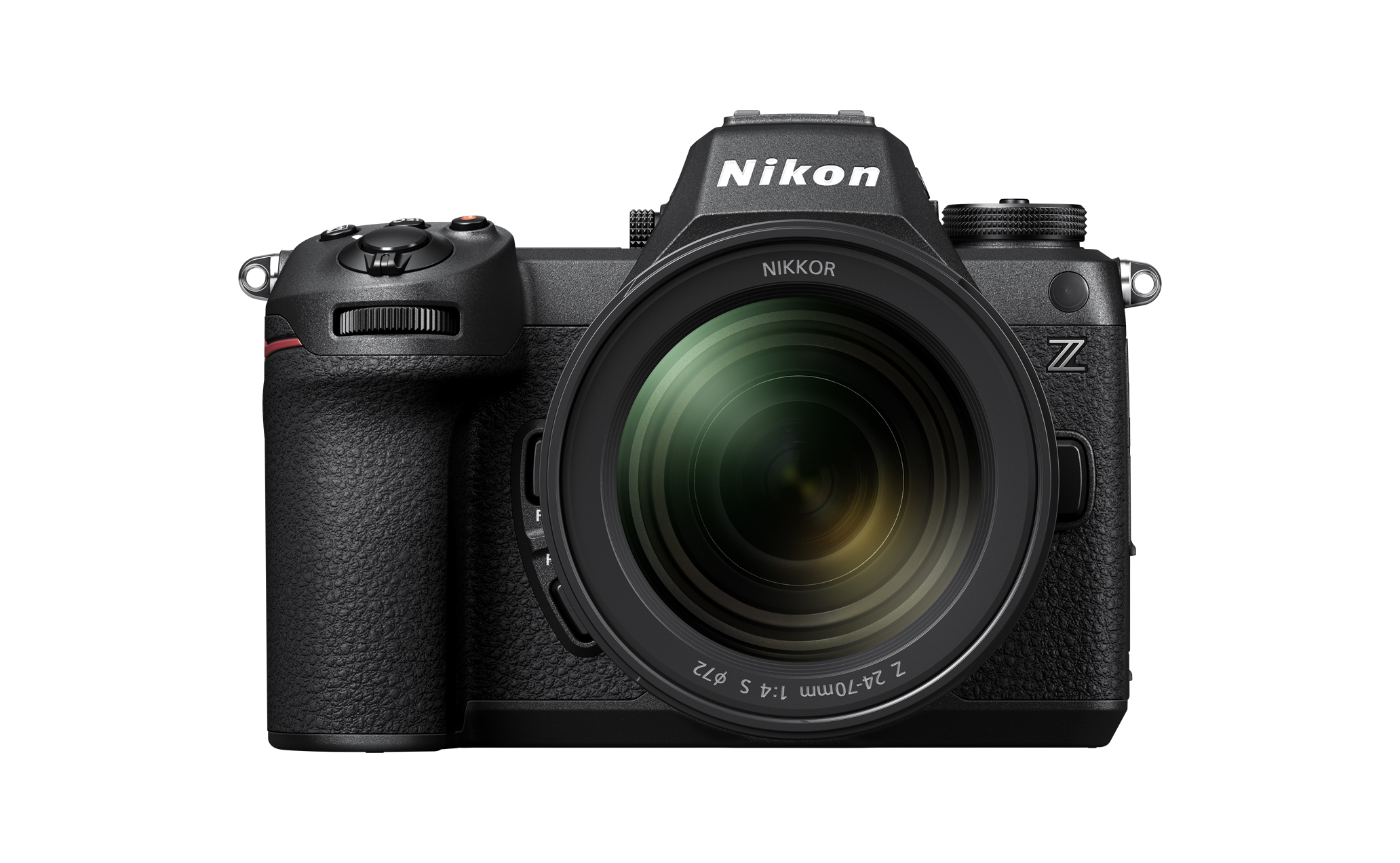
Data doesn’t lie. Based on 297 verified Z6 II sales and 166 Z6 sales on GearFocus, here’s where the Nikon Z6 II vs Z6 used market actually sits:
Nikon Z6: Median price $779 (range: $595-950)
Nikon Z6 II: Median price $1,153 (range: $800-1,358)
Real-world gap: $374
That’s not a typo. You’re looking at a 48% price premium for the Mark II. The question becomes: what exactly does that $374 buy you?
More than you’d think. Less than Nikon wants you to believe.
The original Z6 launched at $1,996. The Z6 II hit shelves at $1,996.95. Inflation-adjusted, the Z6 II actually cost less at launch. Wild.
But here’s where it gets interesting: both cameras are top-5 sellers on GearFocus right now. Not one dominating the other. Both. That tells you something important — there’s no clear winner in the Nikon Z6 II vs Z6 used debate.
What Actually Changed (And What Didn’t)
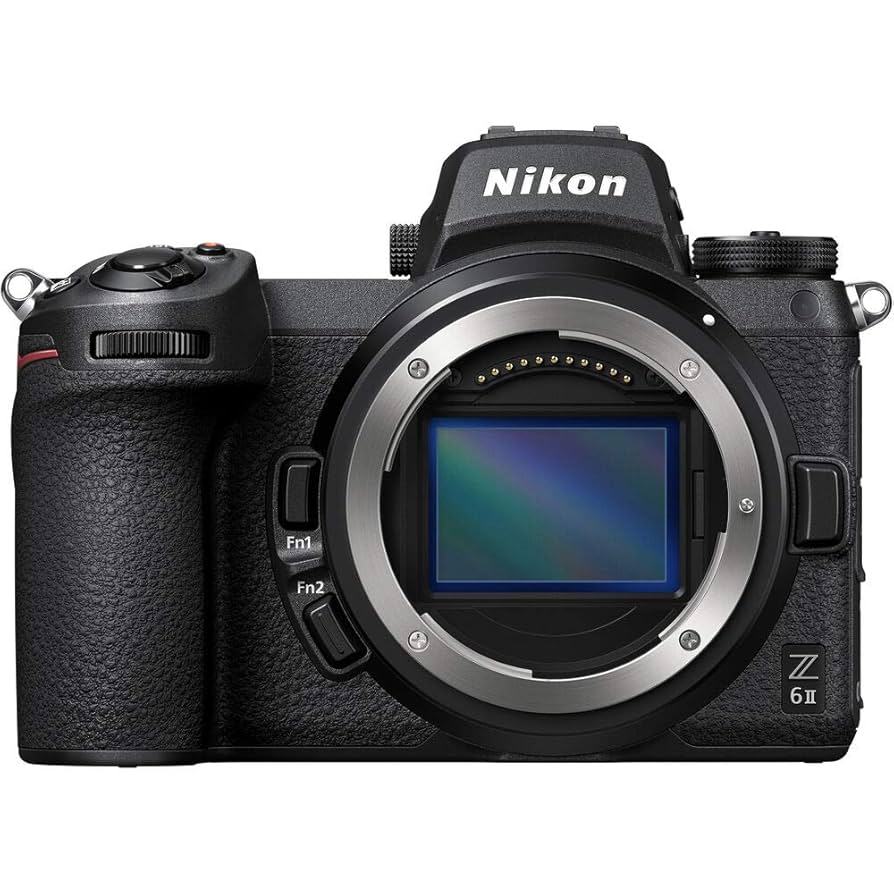
I spent three months shooting both cameras side-by-side. Corporate headshots, small weddings, some product work. Here’s what actually matters in daily use:
The Big Four upgrades:
1. Dual EXPEED 6 processors — This is the engine behind everything else. Faster processing, better buffer clearing, improved AF calculations. You feel it, even if you can’t always quantify it.
2. Dual card slots (CFexpress + SD) — The Z6’s single slot was a deal-breaker for many pros. The Z6 II fixed that. One CFexpress Type B, one UHS-II SD. Finally.
3. 14fps burst (vs 12fps) — Doesn’t sound like much. But combined with the deeper buffer, it’s the difference between catching the moment and watching it buffer.
4. Autofocus improvements — Eye-detection is faster. Subject tracking actually tracks now. Low-light AF improved by what feels like a full stop. The DPReview Z6 II review measured a 0.5-second improvement in acquisition speed.
What stayed the same: Same 24.5MP sensor. Same IBIS. Same EVF. Same weather sealing. Same battery life (mostly). If you’re comparing Nikon Z6 II vs Z6 used for image quality alone, save your money.
Real-World Performance: Where the Gap Shows
Let me paint you a picture. Wedding reception. DJ just announced the first dance. Terrible purple uplighting. The kind of moment where gear either delivers or doesn’t.
With the Z6: Eye-AF hunts for a half-second. Catches focus. Loses it when they turn. 12fps buffer fills after 3 seconds of shooting. You get the safe shots, but miss the magic.
With the Z6 II: Eye-AF locks immediately. Stays locked through the spin. 14fps keeps up with their movement. Buffer handles a full 5-second burst. You get the safe shots AND the portfolio pieces.
That’s a $374 difference in real terms.
But here’s the thing — if you’re shooting landscapes, portraits with controlled subjects, or street photography? That advantage shrinks. Fast.
The Nikon Z6 II vs Z6 used decision isn’t about which camera is “better.” It’s about which gaps matter for your specific work.
The Hybrid Shooter’s Dilemma
Video changes everything. If you’re 50/50 stills and video, the Nikon Z6 II vs Z6 used equation tilts hard toward the Mark II. Here’s why:
4K/60p recording — Both cameras do it, but the Z6 II’s dual processors handle heat better. I’ve pushed both through 45-minute interview sessions. The Z6 threw overheat warnings twice. The Z6 II? Not once.
AF during video — Night and day. The Z6’s video AF was… optimistic. The Z6 II actually maintains focus during movement. Still not Canon-level, but usable for real work.
Dual slots for video — Recording to both cards simultaneously. Or overflow recording. Or proxy + master. Options the original Z6 simply can’t offer.
One videographer told me last month: “I’d pay the $374 difference just for reliable video AF.” If that resonates, your decision is made.
Who Should Buy Which (The Honest Take)
Buy the Z6 if:
- You’re primarily a stills shooter
- You shoot in controlled conditions (studio, landscape, architecture)
- You’re upgrading from APS-C or older DSLR
- Budget matters more than bleeding-edge performance
- You can live with single card slot risk
Buy the Z6 II if:
- You shoot events, weddings, or sports
- Video is 30%+ of your work
- You need dual card redundancy
- Fast-moving subjects are your bread and butter
- The $374 difference won’t impact other gear purchases
Honestly? Most photographers asking about Nikon Z6 II vs Z6 used options would be perfectly happy with the original Z6. But “perfectly happy” and “optimally equipped” are different conversations.
The Market Timing Play
Here’s something nobody talks about: both cameras are flooding the used market right now. The Z8 and Z9 triggered a massive upgrade cycle. Translation: buyer’s market.
Six months ago, a clean Z6 ran $950+. Today? $779 median. That’s an 18% drop. The Z6 II followed suit, dropping from $1,400+ to $1,153.
If you’re comparing Nikon Z6 II vs Z6 used prices today versus even last quarter, you’re looking at the best values we’ve seen. Period.
But here’s the insider move: Z6 prices are stabilizing. Z6 II prices are still falling. Why? More Z6 II owners are upgrading to the Z8. Simple supply and demand.
My prediction? The Nikon Z6 II vs Z6 used price gap will narrow to $250-300 by spring. If you’re patient, the Z6 II becomes an even smarter buy.
Final Verdict: It’s Not What You Think
After months of shooting both, helping dozens of photographers decide, and watching the market data… here’s my take on the Nikon Z6 II vs Z6 used debate:
The Z6 at $779 is the best full-frame value in photography right now. Bar none. For most photographers, it’s more camera than they’ll ever push to its limits.
The Z6 II at $1,153 is the smarter professional investment. Not because it’s dramatically better, but because it removes the small frustrations that compound into missed shots and lost clients.
$374 buys you confidence. Whether that’s worth it depends entirely on whether you’re spending Tuesday afternoons editing photos or explaining to clients why you missed the shot.
The real answer to the Nikon Z6 II vs Z6 used question? Buy the camera that removes the most friction from your specific workflow. For hobbyists, that’s usually the Z6. For working pros, it’s usually the Z6 II.
For everyone else stuck in the middle? Flip a coin. Seriously. Both cameras are exceptional. The biggest mistake is waiting another three months for the “perfect” deal while your current gear holds you back.
The best camera is the one you’ll actually use. Everything else is just pixels and specifications.
Ready to make your move? Browse used Nikon Z6 and Z6 II listings on GearFocus to find the best deals from verified sellers. Or if you’re upgrading between them, list your old body on GearFocus — buyers are actively searching for both models right now.
FAQ
Is the autofocus really that much better on the Z6 II?
Yes and no. In good light with stationary subjects, you’ll barely notice a difference. But in challenging conditions — low light, fast movement, busy backgrounds — the Z6 II’s dual processors make autofocus noticeably more reliable. The original Z6 review from DPReview noted the AF limitations that the Mark II specifically addressed.
Can I use the same lenses and accessories with both cameras?
Absolutely. Both use the same Z-mount, same battery (EN-EL15c), and same accessories. Your investment in glass and gear carries over 100%. The only difference is the Z6 II can use CFexpress cards in addition to SD, while the Z6 is SD-only.
Which holds value better on the used market?
Looking at the data, the Z6 has already taken its big depreciation hit — dropping from $1,996 to ~$779. That’s 61% depreciation. The Z6 II has only dropped 42% so far. This suggests the Z6 has less room to fall, making it the safer bet for value retention going forward. But cameras are tools, not investments.
Own one like this?
Make room for new gear in minutes.
