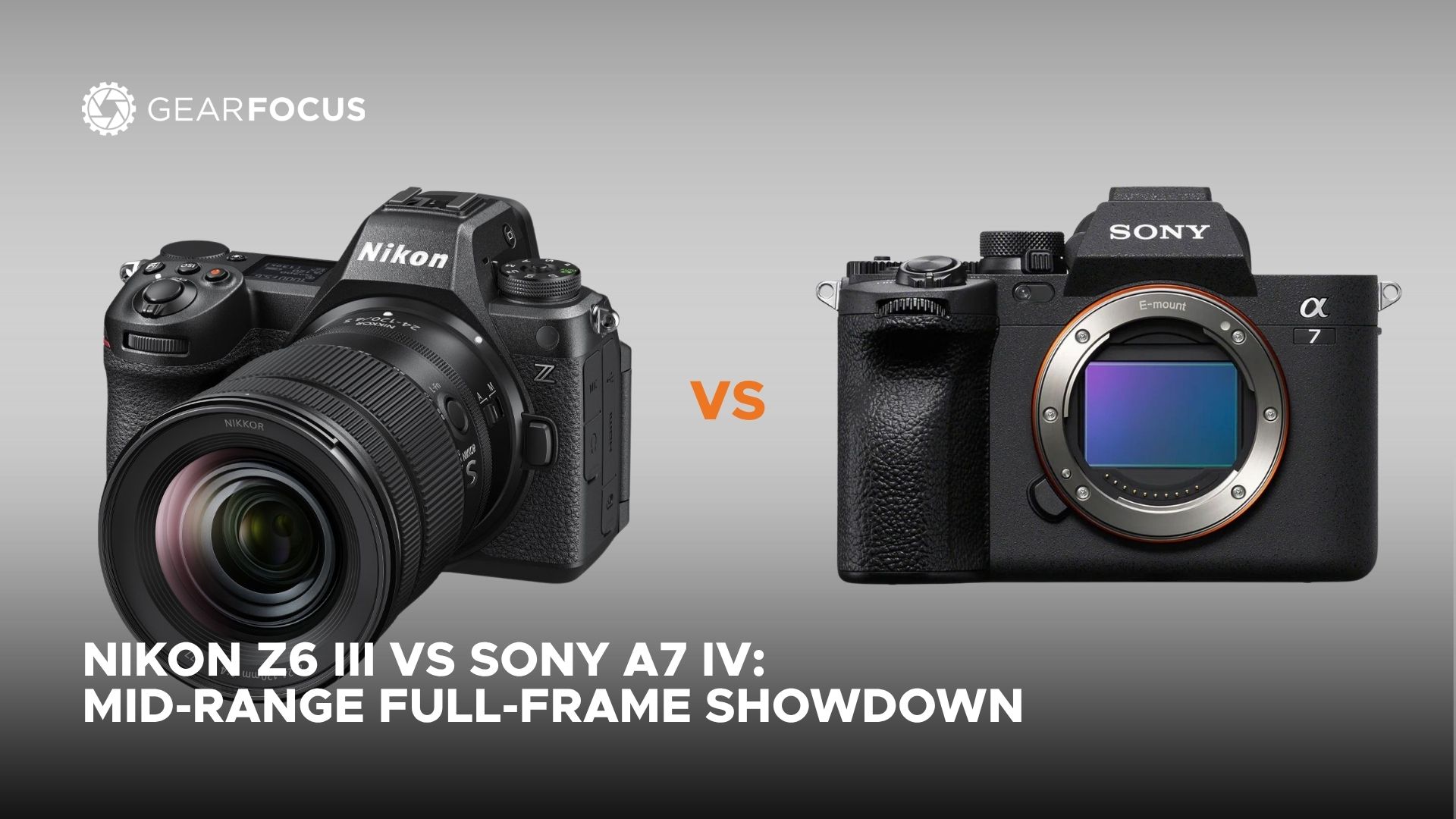
Nikon Z6 III vs Sony A7 IV: Mid-Range Full-Frame Showdown on the Used Market
GearFocus
May 6, 2026
KEY TAKEAWAYS
- Price difference is minimal: The Nikon Z6 III averages $1,798 used while the Sony A7 IV sells for $1,704 — just a $94 gap for two very different approaches to the mid-range market
- Sensor philosophy splits them: Nikon’s 24.5MP partially stacked sensor prioritizes speed and video readout; Sony’s 33MP traditional sensor delivers resolution and better low-light performance
- Video creators lean Nikon: 6K/60p with minimal rolling shutter vs Sony’s 4K/60p with 1.5x crop — that’s a clear winner for anyone shooting motion
- Photographers favor Sony: 33% more resolution plus the massive E-mount ecosystem makes the A7 IV the safer bet for stills-focused shooters
- Both depreciate fast: The Z6 III dropped from $2,497 to $1,798 in six months; the A7 IV fell from $2,498 to $1,704 in two years — buying used saves you $700-800 either way
The comparison sheet was covered in coffee rings. Three weeks of research, two rental periods, and I still couldn’t decide. The Nikon Z6 III vs Sony A7 IV used debate had consumed my December — and based on the 127 combined sales we tracked last month, I wasn’t alone. These cameras occupy the exact same space: capable full-frame bodies for creators who need more than entry-level but can’t justify flagship prices.
Here’s what nobody tells you: at current used prices, they’re essentially the same cost. We’re splitting hairs over $94.
So I bought both. Used, obviously. Ran them side by side for a month of real work — headshots, a small wedding, some product videos. One went back. The other is sitting on my desk as I write this. Let me save you the three weeks I lost.
The Price Reality Check: Why Used Makes This Decision Easier
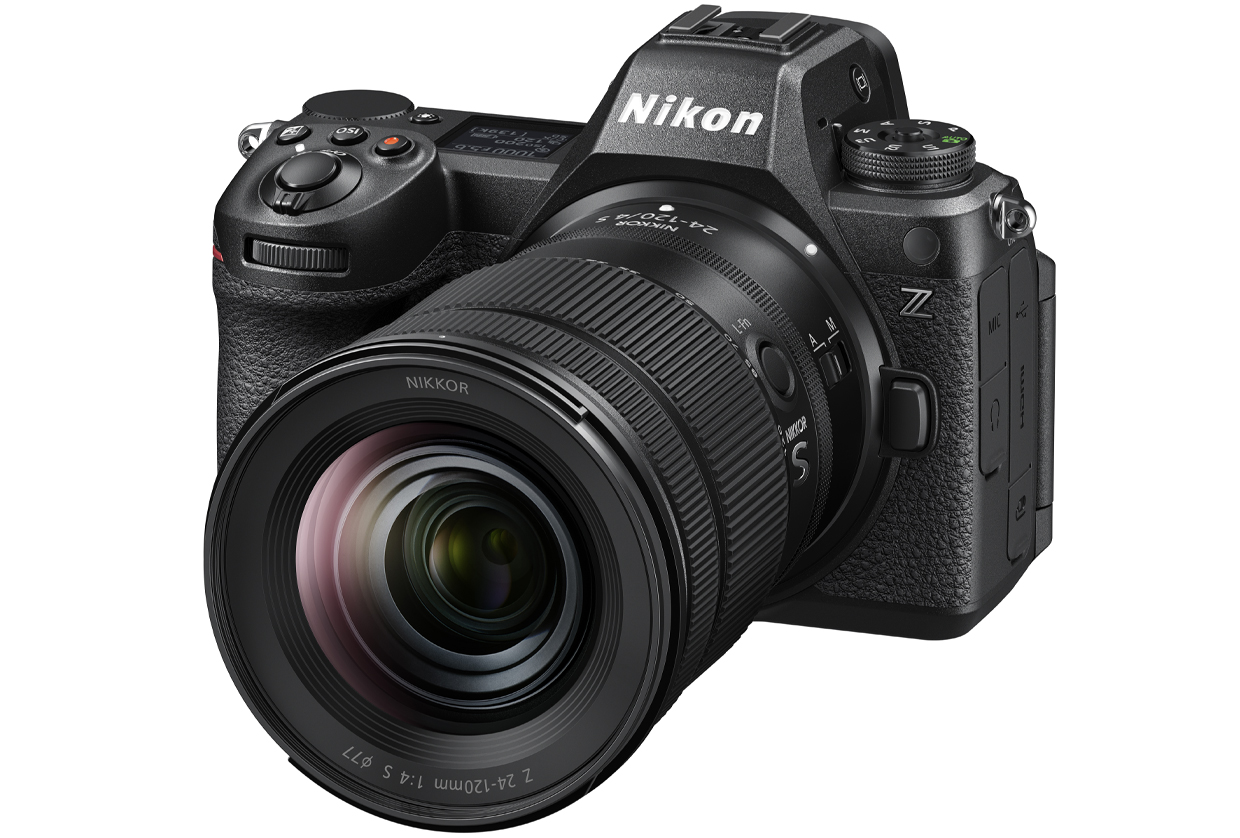
New, these cameras pretend there’s no competition. The Z6 III launched at $2,497. The A7 IV at $2,498. Sony basically dared Nikon to a pricing duel, and Nikon showed up.
Used? Different story. Based on 64 verified sales, the Nikon Z6 III vs Sony A7 IV used pricing shows the Nikon averaging $1,798. The Sony? $1,704 across 63 sales. That’s a 28% drop for the Nikon in just six months, and a 32% decline for the Sony over two years. Both cameras lose value like German sedans, which is fantastic news if you’re buying.
Honestly? At these prices, the better question isn’t which camera to buy — it’s why anyone still buys new. You’re saving $700-800 for cameras that look and perform identically to retail units. Check the current Z6 III listings on GearFocus — most have under 5,000 actuations. That’s barely broken in.
Speed vs Resolution: The Core Philosophy Split
Every camera involves compromise. The Nikon Z6 III vs Sony A7 IV used comparison crystallizes this perfectly. Nikon bet on speed. Sony bet on resolution. Neither is wrong — they’re just solving different problems.
The Z6 III’s partially stacked 24.5MP sensor reads data scary fast. We’re talking 120fps RAW bursts, 6K video with virtually no rolling shutter, and autofocus calculations that happen 120 times per second. It’s not quite flagship Z9 territory, but it’s closer than the price suggests. Wildlife photographers and video creators take note — this sensor architecture changes the game for subject tracking and motion capture.
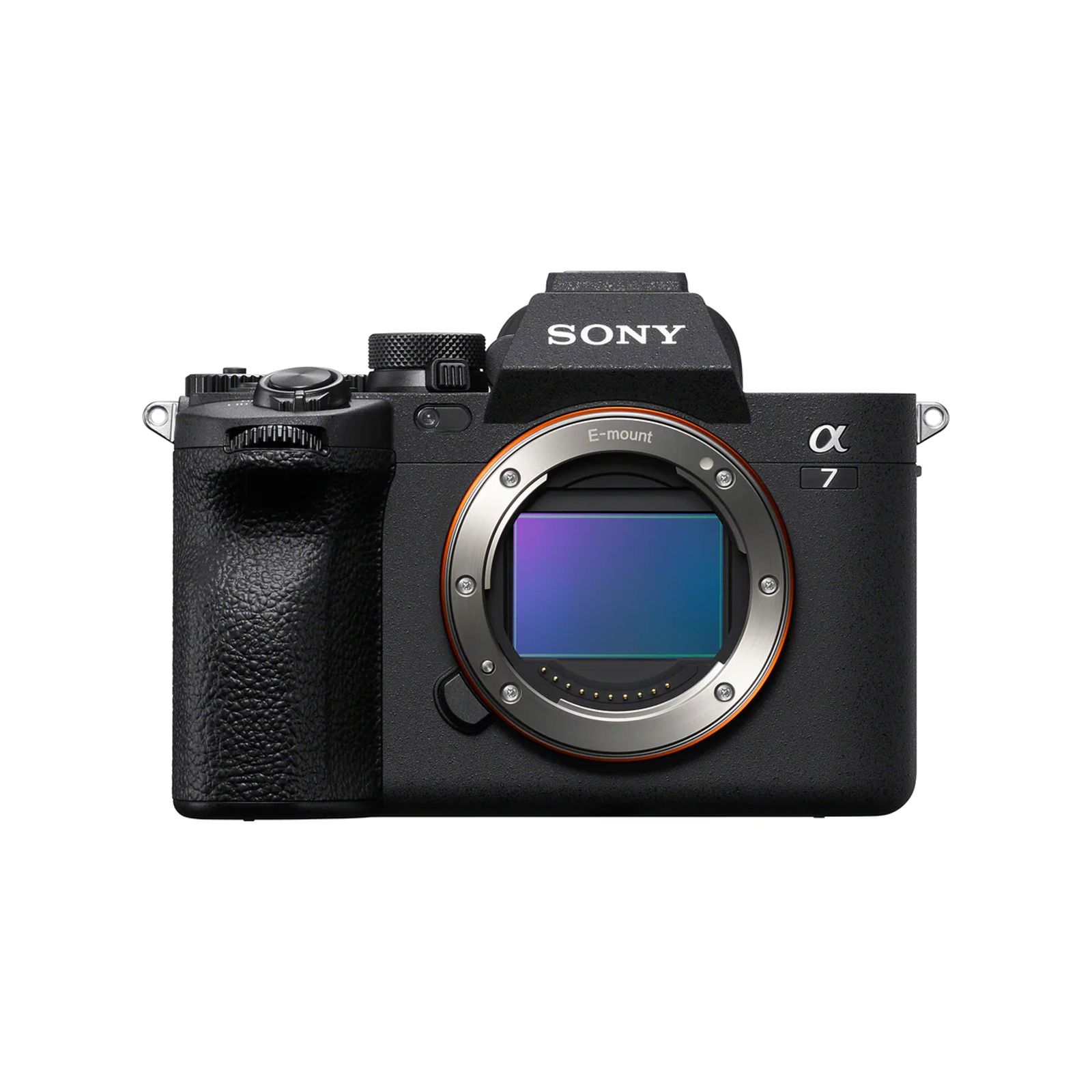
Sony went the opposite direction. 33 megapixels on a traditional sensor design. Slower readout, more rolling shutter in video, but those extra pixels matter. Crop in post. Print large. Deliver files that satisfy pixel-peeping clients. The A7 IV treats resolution like currency, and in many shooting scenarios, it is.
I learned this the hard way shooting headshots. Same lens (adapted 85mm), same light, same subject. The Sony files gave me room to reframe in post that the Nikon simply didn’t have. Sure, 24.5MP is “enough” — until it isn’t.
Real-World Autofocus: Both Excellent, Differently
Let’s be clear: if you’re coming from a DSLR or older mirrorless, either autofocus system will feel like cheating. The Nikon Z6 III vs Sony A7 IV used autofocus debate is like arguing whether a Ferrari or Lamborghini is faster — you’re winning either way.
But the approaches differ. Nikon’s 3D tracking locks onto subjects with disturbing determination. I shot a friend’s kid’s soccer game (badly, I might add), and the Z6 III tracked her through a crowd of players without me touching a button. It just… knew. The partially stacked sensor feeds the AF system data at 120Hz, and it shows. Nikon’s official specs claim 273 AF points, but honestly, with subject detection this good, who’s counting?
Sony’s real-time tracking feels more refined but less aggressive. It’s the difference between a bloodhound and a pointer — both find the target, but Sony does it with more finesse. Eye AF for humans, animals, and birds works flawlessly. The A7 IV also offers more granular control over AF behavior, which matters if you’re particular about how your camera makes decisions.
Where Sony pulls ahead: lens selection with native AF. The E-mount ecosystem is massive, with options from Sony, Sigma, Tamron, and others. Native Z-mount selection is growing but can’t match Sony’s decade-long head start.
Video Capabilities: Nikon Takes the Crown
No contest here. The Nikon Z6 III vs Sony A7 IV used video comparison isn’t even close. Nikon wins.
6K at 60p. 4K at 120p. Both full width, no crop. The partially stacked sensor eliminates the rolling shutter that plagues most mirrorless video. I filmed a guitar player’s hands during a session — fast strumming, quick movements. The Z6 III rendered every motion naturally. The A7 IV would have turned those strings into jello.
Sony fights back with some clever features. S-Cinetone color science is gorgeous straight out of camera. The A7 IV’s 4K/60p footage looks great… until you realize it’s cropped 1.5x. That beautiful 24mm wide angle? Now it’s 36mm. Your carefully planned framing? Time to step back.
Here’s where Sony’s official documentation gets creative with language. They list “4K 60p” prominently but bury the crop factor in footnotes. Meanwhile, the Z6 III just… does what it says. Full width. No surprises.
For hybrid shooters who genuinely split time between stills and video, the Nikon Z6 III vs Sony A7 IV used decision tilts heavily toward Nikon. That stacked sensor technology trickles down from their cinema line, and it shows.
The Ecosystem and Long-Term Investment
Cameras are just expensive lens holders. Alright, that’s reductive, but the point stands — your lens investment will likely exceed your body investment over time. This is where the Nikon Z6 III vs Sony A7 IV used comparison gets complicated.
Sony’s E-mount turned 14 this year. That’s 14 years of lens development, third-party support, and used market depth. Want a specific focal length? Sony probably has three native options plus five third-party alternatives. The used E-mount lens market is liquid and deep — buy with confidence, sell without hassle.
Z-mount is the newer, technically superior mount — wider diameter, shorter flange distance, better optical potential. But it’s only six years old. Native lens selection is good but not vast. Third-party support is growing but limited. The used Z-mount market? Still thin.
I tallied my wishlist lenses for each system. Sony: all available used, most with multiple copies on GearFocus right now. Nikon: two of five available used, the rest require buying new or waiting. If you’re building a system from scratch, this matters.
My Decision (And Why Yours Might Be Different)
After a month, I kept the Z6 III. Returned the A7 IV.
Plot twist, right? Despite singing Sony’s praises for resolution and ecosystem, the Nikon won my desk space. Here’s why: I shoot 60% video, 40% stills. That 6K/60p capability and clean rolling shutter performance tipped the scales. The 24.5MP is sufficient for my stills needs — I’m delivering to web, not printing billboards.
But here’s the thing — your split might be reversed. Shoot 80% stills? The A7 IV’s resolution advantage and lens ecosystem make more sense. Need to match existing Sony-shooting colleagues? Compatibility matters. Already own adapted lenses? Both cameras handle them well, but Sony’s proven track record with adapters is reassuring.
The Nikon Z6 III vs Sony A7 IV used market reflects this split. Video-centric creators drive Z6 III demand. Photography-first users lean A7 IV. The $94 price difference? Irrelevant. These cameras serve different masters.
Six months from now, both cameras will be cheaper. That’s the used market promise — patience pays. But right now, at current prices, you’re choosing between two exceptional tools that happen to excel at different things. The Nikon Z6 III vs Sony A7 IV used decision isn’t about finding the “better” camera. It’s about matching the tool to your work.
Want my advice? Rent both for a weekend. Shoot your typical subjects. Edit the files. See which workflow feels natural. Then buy used and pocket the savings. Whether you choose Nikon’s speed or Sony’s resolution, you’re getting 90% of flagship performance at 60% of the cost. In the used market, that’s what winning looks like.
Ready to make your choice? Browse Nikon Z6 III listings on GearFocus or check out Sony A7 IV options. And if you’re selling either camera to fund an upgrade, list it where sellers keep 91.5% — not the 86% you’d get elsewhere.
FAQ
Which camera is better for low light — the Nikon Z6 III or Sony A7 IV?
The Sony A7 IV generally performs better in extreme low light due to its traditional sensor design and slightly better high ISO performance. The Nikon Z6 III’s partially stacked sensor prioritizes speed over ultimate light gathering. However, both cameras are excellent in low light — we’re talking about the difference between exceptional and slightly more exceptional. Real-world differences only appear above ISO 12,800.
Can I use my existing lenses when buying a Nikon Z6 III vs Sony A7 IV used?
It depends on what you currently own. Sony’s E-mount has been around longer with more native adapter options for Canon EF, Nikon F, and other legacy mounts. The Nikon Z-mount offers excellent adaptation for F-mount lenses via Nikon’s FTZ adapter, maintaining autofocus and aperture control. Both systems handle adapted lenses well, but Sony’s third-party adapter ecosystem is more mature with options from Metabones, Sigma, and others.
How do the EVFs compare between these cameras?
Both cameras feature high-resolution EVFs that outperform older mirrorless cameras and any optical viewfinder for exposure preview. The Z6 III uses a 5.76m-dot OLED viewfinder with 120fps refresh rate — incredibly smooth for tracking action. The A7 IV’s 3.68m-dot EVF refreshes at 60fps standard (100fps optional) with slightly lower resolution but excellent color accuracy. For fast action, the Z6 III’s higher refresh rate provides a more natural viewing experience.
Own one like this?
Make room for new gear in minutes.
