- Buyer protection on every order
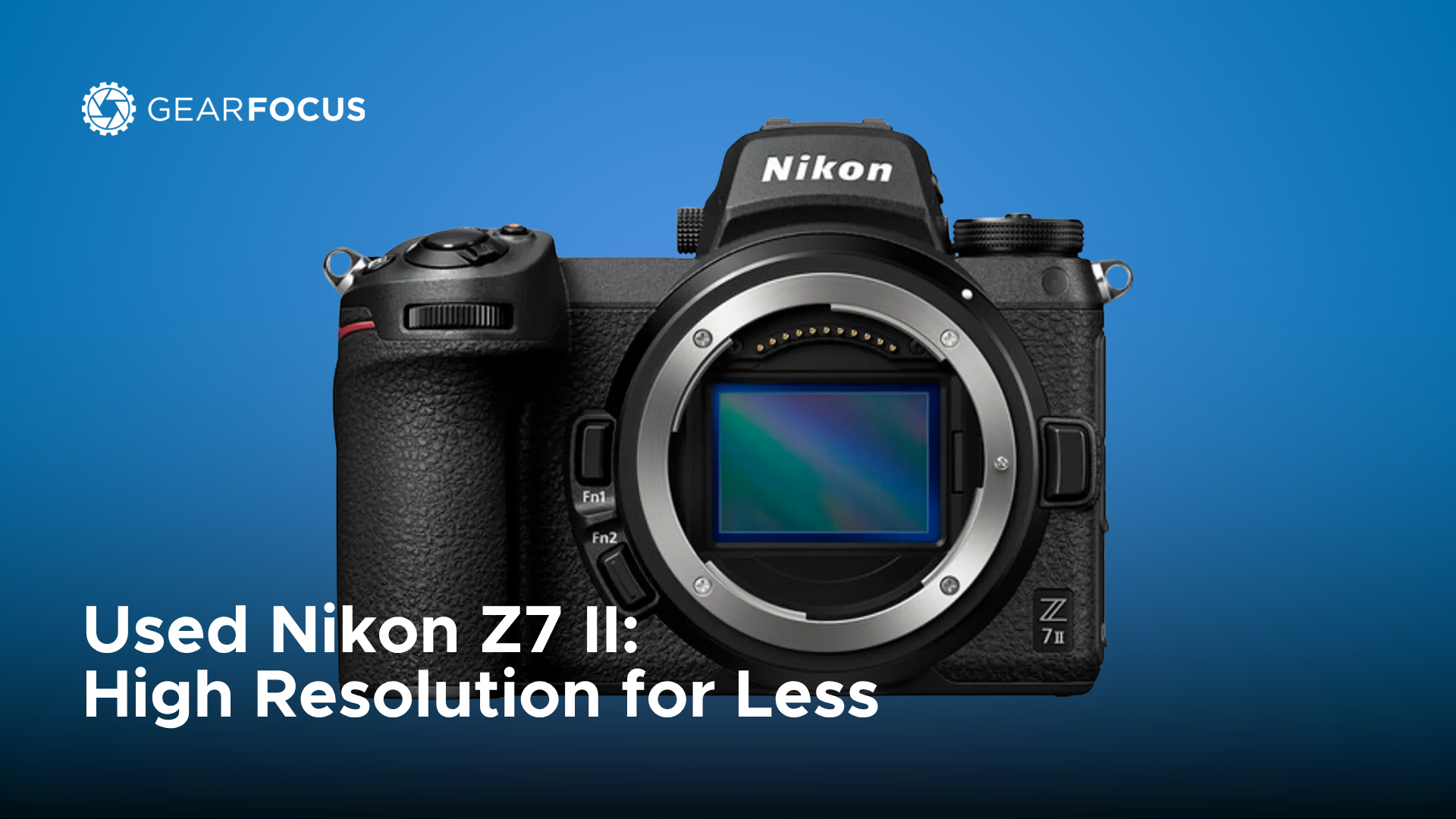
Nikon Z7 II Used Buying Guide: High-Resolution Without the New Price
GearFocus
Jun 8, 2026
KEY TAKEAWAYS
- Real market pricing: The Nikon Z7 II used averages $1,567, with excellent condition units dominating at 67% of sales — nearly half the cost of a new one at $2,997.
- Resolution powerhouse: 45.7MP full-frame sensor delivers studio and landscape quality that rivals medium format, with dual card slots for peace of mind.
- Z8 comparison reality: The Z8 costs double used (~$3,000) and only makes sense if you need 20fps bursts or 8K video — for deliberate shooters, the Z7 II is the smarter buy.
- What to inspect: Check IBIS operation, both card slots (CFexpress Type B + SD), weather sealing around ports, and run a dead pixel test on the EVF.
- Sweet spot timing: With the Z8 and Z9 grabbing headlines, Z7 II prices have stabilized in that $1,300-1,875 range — creating genuine value for resolution-focused work.
The listing said “mint condition.” The photos showed pristine. But when I opened that box and saw the Z7 II sitting there — no wear on the grip, screen protector still on, barely 4,000 actuations — I knew I’d struck gold. $1,475 for what was essentially a new camera. The seller? A dentist who’d bought it for “retirement photography” and shot maybe twelve sunsets.
That’s the Nikon Z7 II used market right now. Professionals upgrading to Z8s and Z9s. Hobbyists who went big during lockdown and barely touched their gear. And sitting between them? Some of the best resolution-per-dollar deals in the mirrorless world.
Here’s the thing about the Z7 II that nobody talks about: it was never meant to be an action camera. Nikon built it for studio shooters, landscape photographers, and commercial work where 45.7 megapixels of clean, detailed files matter more than 20fps burst rates. And honestly? For that job, it’s still spectacular.
The Nikon Z7 II Used Market: Real Numbers, Real Deals
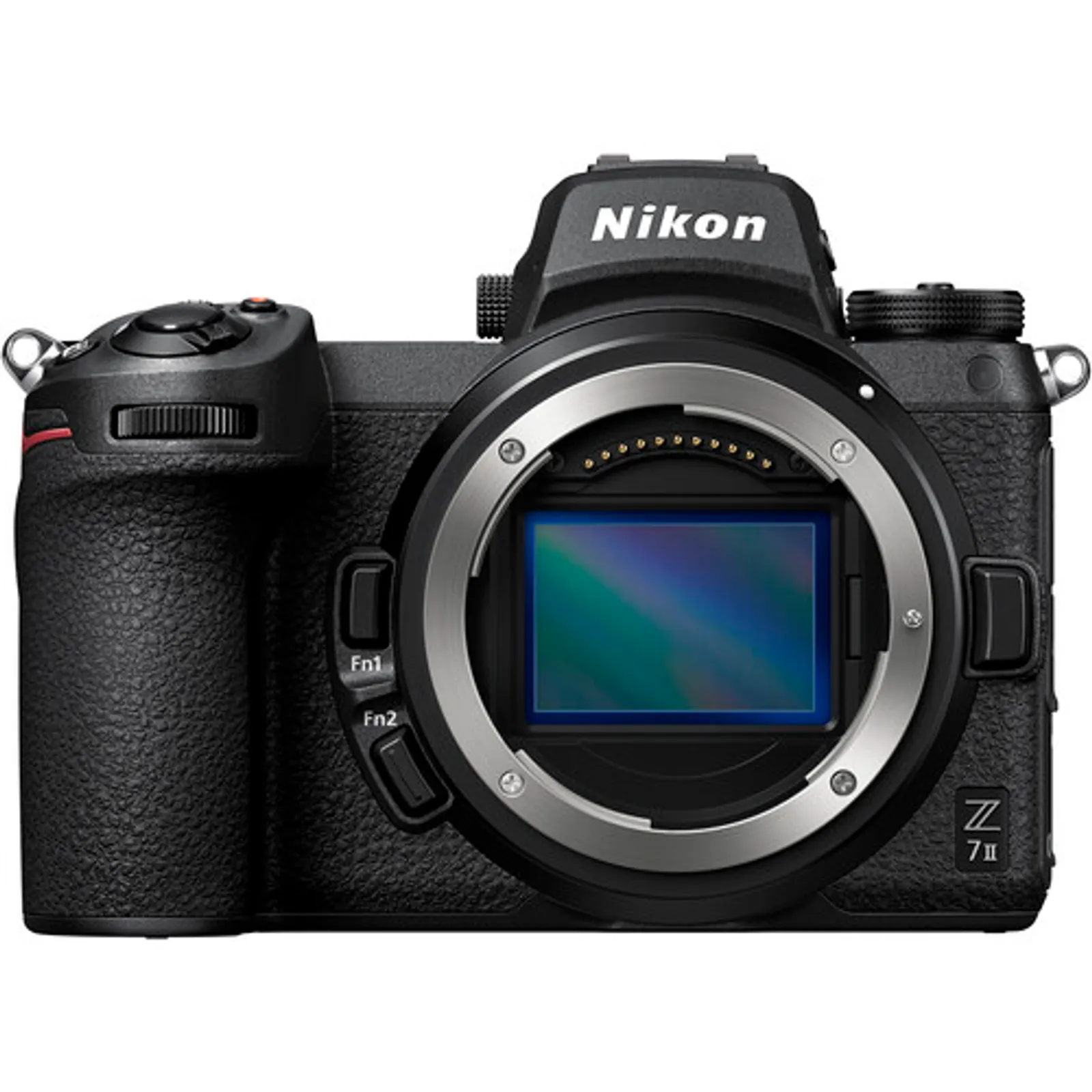
Let’s cut through the speculation with actual data. Based on 136 verified sales, the Nikon Z7 II used market looks like this: average selling price of $1,567, median at $1,548, with a range from $1,300 to $1,875. Compare that to the $2,997 retail price, and you’re looking at genuine savings.
But here’s what’s really interesting — 67% of those sales were “excellent” condition units. Not good. Not fair. Excellent. We’re talking cameras that look like they spent more time in the bag than in hand.
Why? Simple. The Z7 II attracted two distinct buyer types: working pros who needed the resolution and weather sealing, and enthusiasts who wanted “the best” but didn’t have the shooting schedule to justify it. The pros have moved to Z8s and Z9s for the speed. The enthusiasts? Well, a surprising number are selling barely-used gear.
I talked to a landscape photographer last month who summed it up perfectly: “I don’t need 20fps. I need 45 megapixels that hold up when I print 40 inches wide. The Z7 II does that for half what a Z8 costs.”
What Makes the Nikon Z7 II Used Worth Buying in 2024?
Alright, let’s be real about what this camera is — and isn’t. The Z7 II is a resolution monster wrapped in weatherproof magnesium alloy. That 45.7MP BSI CMOS sensor isn’t just a number. It’s the difference between cropping tight and still having a 20MP file, or printing large enough to fill a gallery wall.
The dual card slots killed my biggest complaint about the original Z7. CFexpress Type B in slot 1, SD UHS-II in slot 2. Finally, redundancy for paid work. The Nikon Z7 II used units I’ve inspected all had both slots working perfectly — but definitely test both during inspection.
IBIS performance? 5-axis, up to 5 stops of compensation. In practice, I’m getting sharp handheld shots at 1/15th with the 24-70 f/4. That’s game-changing for available light work where you can’t always set up a tripod.
Battery life surprised me. CIPA rates it at 420 shots, but I’m seeing 800+ in real use with power-saving tweaks. The EN-EL15c batteries are backwards compatible too, so your old D850 spares work fine.
Eye-AF is where you feel the generational difference from DSLRs. It just… works. Portraits, events, even some wildlife if the subject isn’t moving too fast. No more focus-and-recompose gymnastics.
Nikon Z7 II Used vs Z8: The $1,500 Question
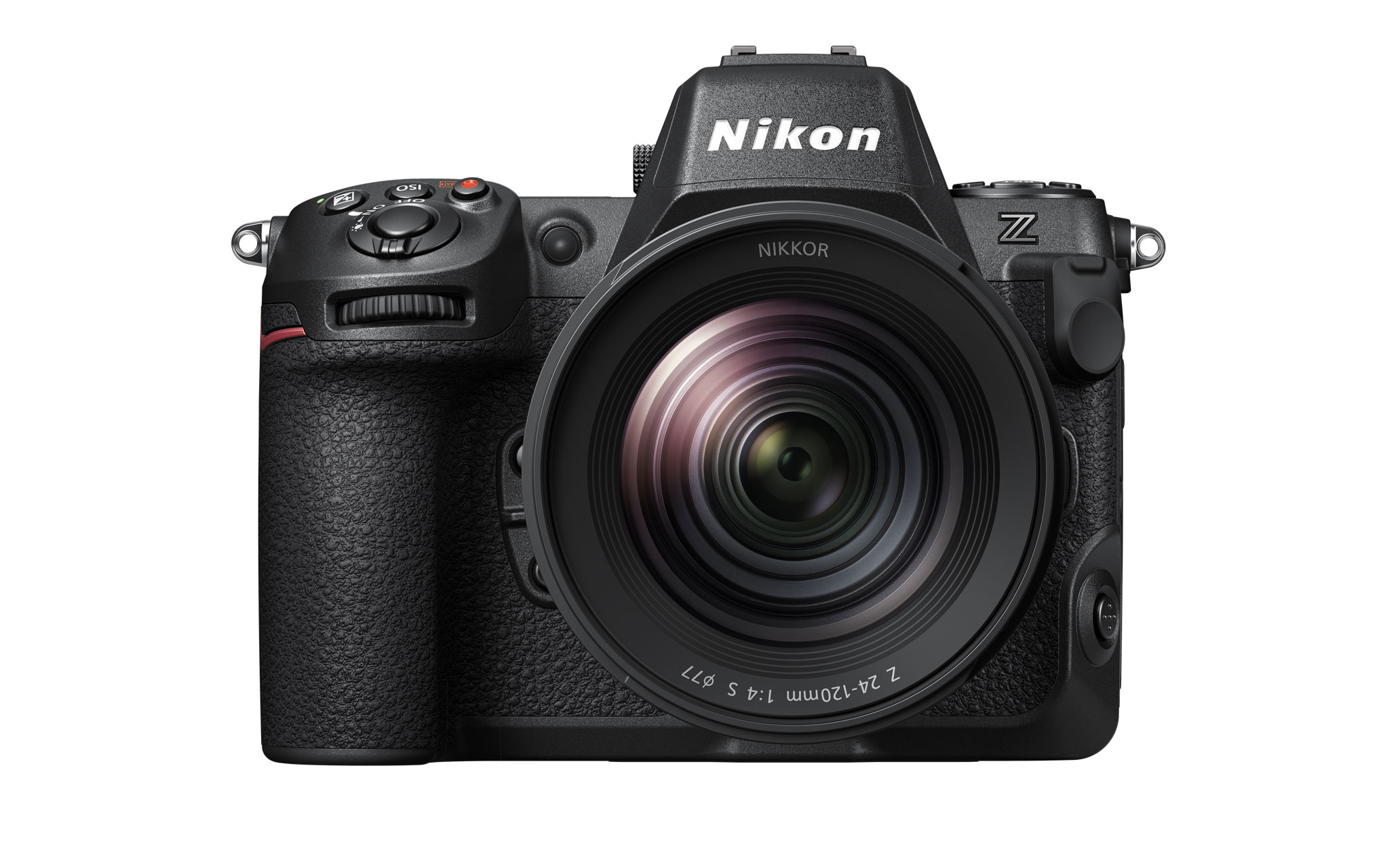
Everyone wants to know: should I stretch for a used Z8 at ~$3,000 or grab a Nikon Z7 II used for half that? Here’s my take after shooting both extensively.
The Z8 is absolutely the better camera. Stacked sensor, 20fps RAW bursts, 8K video, no viewfinder blackout. If you’re shooting sports, wildlife, or fast-moving anything, the Z8 wins. Period.
But — and this is crucial — if you’re primarily shooting landscapes, studio work, architecture, or deliberate portraiture? The image quality difference is minimal. Same resolution. Similar dynamic range. Nearly identical color science. The Z7 II just does it slower.
I had a commercial photographer put it this way: “My subjects don’t move. Products, interiors, headshots. Why would I pay double for features I’ll never use?”
The Z8’s advantages show up in specific scenarios: tracking fast subjects, needing 8K video, shooting 500+ images in a session where speed matters. For everything else? That extra $1,500 buys a lot of glass.
What to Check When Buying a Nikon Z7 II Used
I’ve inspected dozens of Nikon Z7 II used bodies. Here’s my inspection checklist that’s caught issues sellers “forgot” to mention:
IBIS Test: Mount any lens, turn on IBIS, and gently move the camera while looking through the viewfinder. You should see the stabilization working smoothly. Any grinding sounds or stuttering? Walk away.
Card Slot Verification: Test both slots with your own cards. Write files to each slot individually, then try backup mode. The CFexpress slot is expensive to repair if damaged.
Weather Sealing: Check all port covers — USB-C, HDMI, mic, headphone. These rubber covers wear out first and compromise weather resistance. Replacements are cheap, but it tells you about overall care.
EVF Dead Pixels: Switch to manual focus, point at a blank wall, and cycle through EVF brightness levels. Dead pixels show up as persistent dots. One or two at the edges? Negotiable. In the center? Pass.
Shutter Count: Use Nikon’s official software or EXIF data to verify. The Z7 II is rated for 200,000 actuations. Most Nikon Z7 II used units I see have under 20,000. Anything over 100,000, price should reflect heavy use.
Real Alternatives to Consider
The original Z7 (browse used listings) averages $1,122 used. Same sensor, same image quality, but single card slot and slower AF. If you’re on a tight budget and can live with one card, it’s 90% of the camera for 70% of the price.
The Sony A7R V plays in the same resolution space but costs ~$2,741 used. Better AF, incredible IBIS, but you’re paying a premium and switching systems.
Honestly? The Nikon Z7 II used hits a sweet spot. More refined than the Z7, more affordable than the Z8, with image quality that stands up to anything in its class.
Look, I’ve owned a lot of cameras. Too many, probably. But the Z7 II taught me something: sometimes the “boring” choice is the smart choice. It’s not flashy. It won’t shoot 8K or track a formula one car. But for the work that pays my bills — portraits that print large, commercial projects that need detail, landscapes that deserve 45 megapixels — it just quietly delivers.
And at current Nikon Z7 II used prices? With excellent condition units averaging $1,567? That’s not just a good deal. That’s a working tool that pays for itself.
Browse used Nikon Z7 II listings on GearFocus — where sellers keep 91.5% instead of eBay’s ~86%. Or if you’re one of those Z8 upgraders? List your Z7 II on GearFocus. There’s definitely a landscape photographer out there who needs exactly what you’re selling.
FAQ
What’s the average shutter count on a Nikon Z7 II used camera?
Most Nikon Z7 II used units show surprisingly low shutter counts — typically between 5,000 and 25,000 actuations. Given the camera’s 200,000-actuation rating, even 50,000 shots represents just 25% of its rated lifespan. The low counts reflect how many were bought by enthusiasts who shot less than anticipated.
Is the autofocus on a used Z7 II good enough for professional work?
For portraits, events, and static commercial work, absolutely. The 493-point hybrid AF with eye detection is reliable and accurate. Where it shows its age is tracking fast, erratic movement — that’s where the Z8/Z9 pull ahead. But for deliberate photography where you have time to compose, the Z7 II’s AF is more than professional grade.
Should I buy a Nikon Z7 II used now or wait for prices to drop further?
The Nikon Z7 II used market has stabilized around $1,567 average, and that price has held steady for months. With the Z8 and Z9 satisfying the speed-hungry crowd, there’s less pressure on Z7 II prices to drop dramatically. If you need the resolution and features now, current pricing represents solid value — waiting might save you $100-200, but you’ll miss months of shooting with an excellent camera.
Own one like this?
Make room for new gear in minutes.
