- Buyer protection on every order
Overstock Camera Sales vs Used Gear: Where GearFocus Prices Really Stand
Bill Pryor
Oct 28, 2026
KEY TAKEAWAYS
- The short answer on overstock camera sale vs used: an overstock or clearance price is a one-time floor on a specific body, while used marketplace pricing is a rolling average across hundreds of real transactions. Overstock wins on a narrow list of models. Used wins on selection, lens options, and almost everything older than two years.
- Check the model, not the banner. An overstock camera sale vs used comparison only matters for the exact SKU being cleared out. Every other camera in the catalog is still priced normally.
- Clearance inventory is finite. Used inventory replenishes continuously as photographers upgrade. That changes how long you can afford to think about it.
- Accessories distort the math. A used body that arrives with two batteries, a cage, and a 128GB card is not the same purchase as a bare clearance box, even at the same number.
- Resale value is the tiebreaker. A camera bought at used market pricing has already taken its depreciation hit. A clearance body still has some falling left to do.
Every autumn, right about now, the same thing happens. The clearance banners go up, the promo codes start circulating in forum threads, and suddenly every photographer running an overstock camera sale vs used pricing comparison in their head decides they need to make a decision this week. Late October 2026 is peak season for that particular anxiety. Black Friday is roughly four weeks out, the holiday gift window is opening, and retailers are clearing shelf space.
Here’s the deal. The question is real and worth asking. But most people ask it wrong. They compare one headline number to another headline number, pick the smaller one, and call it analysis.
That’s not an overstock camera sale vs used comparison. That’s reading a price tag.
The actual comparison has four or five moving parts, and the answer flips depending on which camera you’re looking at, what you shoot, and how long you plan to keep it. Let’s break it down properly.
What Actually Changes in an Overstock Camera Sale vs Used Decision?
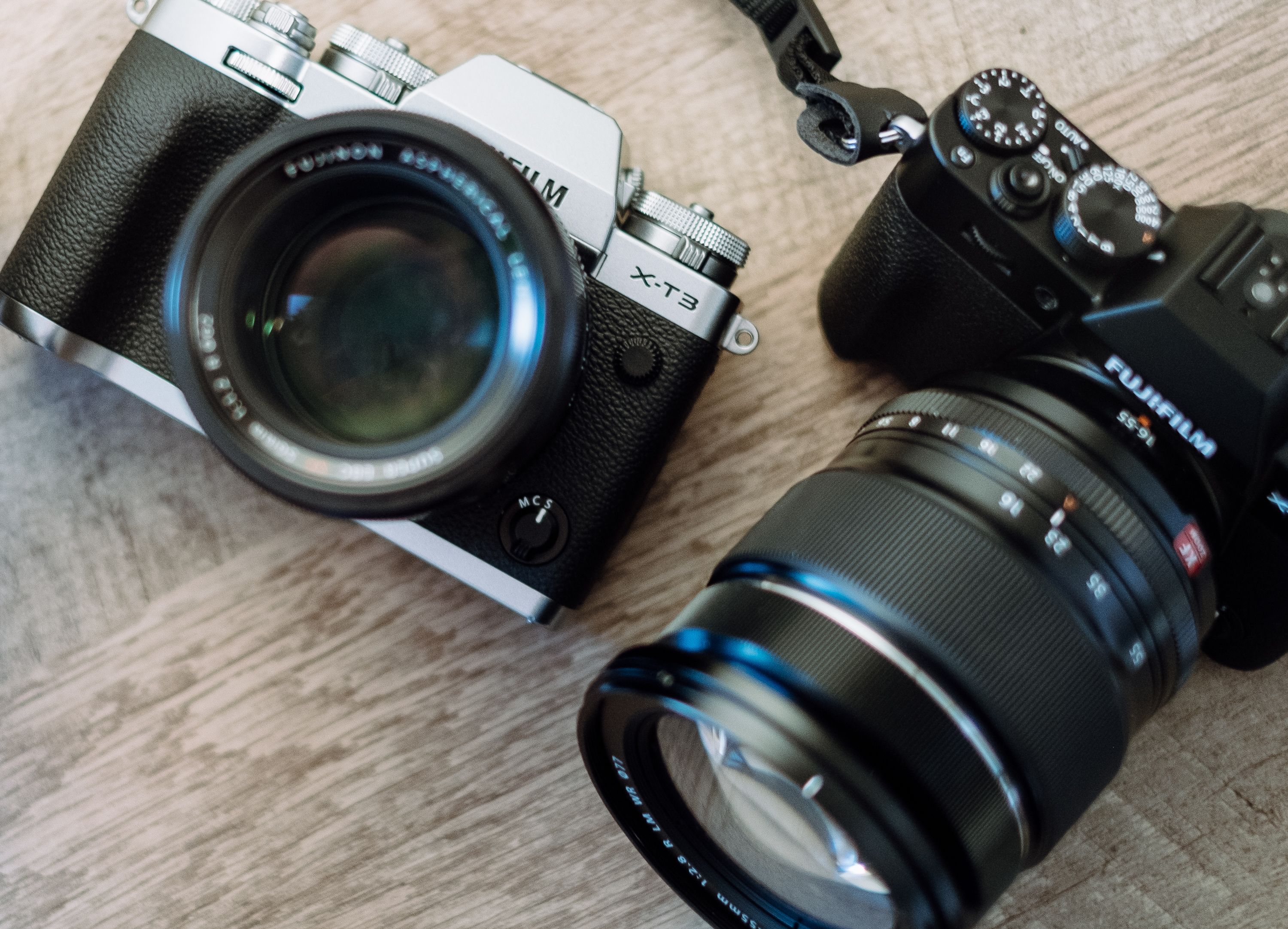
An overstock sale is an inventory problem being solved with a discount. A retailer has too many units of one specific model, usually because a successor launched or a buying forecast missed. The price drops until the shelf clears. That’s it. No conspiracy, no catch.
Used market pricing works on a completely different mechanism. It’s the aggregate of what real buyers and real sellers agreed on, across many separate transactions, continuously. It moves slowly and it moves for reasons: a new model announcement, a viral review, a seasonal demand spike.
So when you run an overstock camera sale vs used analysis, you’re not comparing two prices. You’re comparing a temporary liquidation event against a functioning market.
| Factor | Overstock / Clearance | Used Marketplace |
|---|---|---|
| Price driver | Retailer needs shelf space | Aggregate buyer and seller agreement |
| Model availability | One or two specific SKUs | Essentially the full catalog, back years |
| Inventory depth | Finite, ends when stock ends | Replenishes as photographers upgrade |
| Condition | Typically new or certified | Graded, from Excellent down to As-Is |
| Included extras | Usually body only, retail box | Varies widely, often bundled |
| Remaining depreciation | Still falling toward used value | Already absorbed the steep drop |
| Negotiation | Fixed price, promo code only | Offers and seller conversations possible |
Look at that last row for a second. It’s the one nobody thinks about and it’s the one that quietly decides a lot of these.
The Model Trap: Why Overstock Camera Sale vs Used Only Applies to One Camera
This is the mistake I see most often, and I made it myself. A clearance event goes live, the discount is genuinely steep, and the brain generalizes. “Clearance prices are better right now.” So you shop the whole category expecting bargains.
They aren’t. A clearance sale is almost always one or two models deep. Everything else in that catalog sits at its ordinary price, sometimes with a modest sitewide percentage layered on top, which is not the same thing at all.
Meanwhile the used market covers the entire back catalog simultaneously. Bodies from two generations ago. Discontinued lenses. The weird APS-C body that only sold well in one region. An overstock camera sale vs used comparison gets lopsided fast when the model you actually want was never in the clearance bin.
I spent three weeks once waiting for a clearance event to include a specific telephoto zoom because a sitewide banner made me assume everything was marked down. It wasn’t. The lens never appeared. I eventually bought it used for less than the non-sale retail price, which is where I should have started.
Condition, Grading, and What You’re Actually Buying
Overstock gear is typically new-in-box or certified refurbished. That’s a genuine advantage and nobody should pretend otherwise. Sealed box, full manufacturer coverage, no previous owner’s habits baked in.
Used marketplace gear comes graded. Excellent, Very Good, Good, Fair, Poor. The grade is a real signal, and on a marketplace like GearFocus it comes attached to a verified seller identity rather than an anonymous handle. The spread between grades is where the value lives.
Here’s the part people underweight in an overstock camera sale vs used decision: cosmetic grade and functional condition are not the same thing. A body graded Good because of brassing on the edges and a scuffed grip may have a shutter count under 15,000. A pristine-looking Excellent body might have been a rental unit.
Ask for the shutter count. Always. I ignored it on the first used body I bought because the photos looked clean and the seller seemed nice. Rookie move. It gave up mid-shoot the following year and I had nobody to blame but the guy who didn’t ask one question.
On GearFocus every purchase carries the standard 48-hour verification window after delivery. If the item isn’t as described, you return it at no charge and the seller covers return shipping. That window is specifically for the thing I just described: you open the box, you check the count, you confirm the sensor is clean, and you decide.
Is an Overstock Camera Sale vs Used Purchase Better for Resale?
This is the question that separates people who buy cameras from people who own cameras over time.
Depreciation on a camera body is front-loaded and steep. The sharpest drop happens in the first eighteen months, and it accelerates again when a successor is announced. A clearance body is usually being cleared precisely because that second event already happened.
So when you buy at clearance, you’re buying a camera that has already taken a hit in public perception but hasn’t finished taking the corresponding hit in resale value. It still has some falling left to do.
A camera bought at current used market pricing has already absorbed that. The used price is the post-depreciation price. If you buy at market and sell two years later, you’re typically looking at a far gentler slope.
Put it this way: in an overstock camera sale vs used comparison, the clearance number is your purchase price and the used number is closer to your eventual exit price. That’s a meaningful distinction if you upgrade on a cycle. Our guide to buying and selling used camera gear walks through how that cycle actually plays out over multiple bodies.
And when you do sell, the fee structure matters. Sellers keep 91.5% of the sale price on GearFocus, an 8.5% total fee. That’s meaningfully more than generalist marketplaces return, and over a couple of upgrade cycles the difference compounds.
The Bundle Problem Nobody Accounts For
Clearance boxes are usually bare. Body, one battery, one strap, the charger if you’re lucky, and a manual nobody reads.
Used listings are frequently not bare. Photographers selling a body tend to include the things that only work with that body: the extra batteries they bought, the L-bracket, the cage, the spare card, occasionally a grip. Sometimes the whole kit goes out the door together because the seller is switching systems entirely.
Run the math honestly. Three spare batteries, a cage, and a 128GB V90 card is a real amount of money. If a used listing includes those and a clearance body doesn’t, the overstock camera sale vs used gap narrows substantially, and sometimes reverses.
I’ve watched people celebrate saving a couple hundred on a clearance body and then spend more than that over the following month buying the accessories back one at a time. That’s not a deal. That’s a payment plan with extra steps.
The flip side is real too: sometimes a bundled used listing is padded with things you’ll never use. A cage for a body you’ll only shoot stills with adds nothing. Evaluate the bundle against your actual workflow, not against its retail sum.
Timing: How Late October Changes the Overstock Camera Sale vs Used Calculation
Seasonality is real on both sides, and right now, in late October 2026, both sides are moving.
Clearance events cluster before Black Friday because retailers want old inventory gone before the new promotional pricing lands. That means the next four weeks are genuinely a high-density period for overstock camera sale vs used comparisons. There will be more clearance SKUs on the table than in, say, March.
The used market moves differently into the holidays. Supply tends to tighten as gift buyers enter and fewer sellers want to ship during the busy season. Demand rises. Prices firm up rather than soften.
Then January arrives and the pattern inverts: people sell the gear they replaced with gifts, supply swells, and used pricing eases.
So the honest seasonal read on an overstock camera sale vs used decision right now is this. If a clearance SKU is genuinely the camera you want, the next few weeks are a reasonable window. If you’re flexible on model and can wait out the holiday crunch, the used side generally treats you better in the new year. Our breakdown of how to find the best deals on used cameras covers the timing signals worth watching.
Worth browsing what’s currently listed on GearFocus before committing to a clearance checkout, if only so you know what the market side of your comparison actually looks like.
Selection: The Quiet Decider
Nobody puts this on a comparison chart because it isn’t a number, but selection decides more of these than price does.
Clearance gives you a list. Usually short. Sometimes one body in one color with one kit lens option.
The used market gives you a catalog that goes back a decade and sideways across every brand. Every discontinued lens. Every body that got a lukewarm launch review and then turned out to be excellent once firmware matured. Every system a working photographer abandoned halfway through.
If you’re system-agnostic and the clearance model happens to fit, great, take it. But most photographers aren’t agnostic. You’re on a mount. You have glass. You need something that works with what you already own.
That constraint is where the overstock camera sale vs used comparison usually resolves itself without much drama. The clearance bin either has your mount or it doesn’t. The used market always does.
There’s also the question of what you’re replacing. Upgrading from a five-year-old body usually means almost anything current feels like a leap. Upgrading from last year’s model means the differences are narrow and the price gap matters proportionally more. That’s a used-market question almost by definition, because last year’s model is exactly what’s listed.
Working Through a Real Overstock Camera Sale vs Used Decision
Here’s the sequence I’d actually use, in order.
First, name the camera. Not the category. The specific model. If you can’t name it, you’re not comparing prices yet, you’re shopping a feeling.
Second, check whether that exact model is in the clearance event. If it isn’t, the overstock camera sale vs used question is already answered and you can stop reading banners.
Third, price the used market for that model across condition grades. Note the spread between Excellent and Good. That spread tells you how much cosmetic condition is costing you.
Fourth, itemize what each option includes. Batteries, cards, cages, grips, warranty remainder. Convert the bundle to a real number.
Fifth, estimate your holding period. Keeping it five years? Depreciation barely matters, take the lower number. Upgrading in eighteen months? Used market pricing protects your exit far better.
Run those five steps and the overstock camera sale vs used answer usually becomes obvious. Not always in the same direction. That’s the point. Anyone who tells you one side always wins is selling you something.
Where Each Side Genuinely Wins
Overstock wins when: the cleared model is exactly what you want, you value a sealed box and full warranty, you’re staying on that body for years, and the discount is steep enough that remaining depreciation doesn’t scare you.
Used wins when: your model isn’t in the clearance bin, you want a bundle, you’re on a specific mount with specific glass, you upgrade on a cycle, or you want more camera than clearance pricing gets you.
Used also wins on a point that doesn’t fit neatly in a chart. You can talk to a seller. You can ask about the shutter count, about whether it ever went on a dusty job, about why they’re selling. A clearance checkout page doesn’t answer questions. A verified seller does. That’s the core of why used photography gear holds up as a strategy rather than a compromise.
And if you’re reading this with gear sitting in a closet, the overstock camera sale vs used dynamic cuts the other way too. Clearance events pull attention into the market. Buyers who come in looking and don’t find their model in the bin go looking on the used side. That’s a decent moment to list what you’re not using.
BOTTOM LINE
- Verdict: There’s no universal winner in an overstock camera sale vs used comparison. It resolves per-model, and the clearance bin only covers one or two SKUs.
- Take clearance if: your exact model is in it, you want a sealed box, and you’re keeping the body for years.
- Take used if: your model isn’t cleared, you’re mount-constrained, you want a bundle, or you upgrade on a cycle.
- Always ask for the shutter count before buying used. Cosmetic grade and functional condition are separate things.
- Count the accessories on both sides before comparing numbers. Bare boxes cost more than they look.
- Seasonal note for late 2026: clearance density peaks in the next four weeks; used supply loosens again in January.
Both paths end with a working camera in your hands. The question is just which one leaves more in your account when you eventually move on from it. Run the overstock camera sale vs used comparison on your specific model, with your specific mount and your specific upgrade habits, and the answer stops being a debate and starts being arithmetic. Then go shoot something with it.
FAQ
Is an overstock camera sale vs used purchase always cheaper on clearance?
No. Clearance pricing only applies to the one or two models being cleared. For every other camera, used marketplace pricing is typically lower, often substantially, especially on bodies more than two years old.
Does a clearance camera hold its value better than a used one?
Generally no. A clearance body is usually being cleared because a successor launched, meaning it still has depreciation ahead of it. A camera bought at used market pricing has already absorbed the steepest drop.
What should I check before buying used instead of clearance?
Shutter count first, then condition grade, then what’s included. A body with 12,000 actuations and three batteries beats a cosmetically perfect bare body at the same price nearly every time.
How does the return window work on used gear?
GearFocus gives buyers 48 hours after delivery to verify the item matches its description. If it doesn’t, you return it at no charge and the seller covers return shipping.
When is the best time to run an overstock camera sale vs used comparison?
Clearance density peaks in the four weeks before Black Friday, so late October and November are strong for clearance. Used supply typically loosens in January as holiday upgraders list their old gear.
Photo: Fujifilm North America
Own one like this?
Make room for new gear in minutes.
