- Buyer protection on every order
Sell Your Metabones Speed Booster Now That the ULTRA II+ Is Here
Bill Pryor
Aug 28, 2026
KEY TAKEAWAYS
- The short answer: If you want to sell Metabones Speed Booster units from the pre-ULTRA II+ generation, list them now rather than later. Metabones just replaced its entire Canon EF to Fujifilm X lineup, and older adapters hold value best in the first weeks after a successor announcement, before supply catches up.
- Price for the gap, not the ghost: Your older unit competes on price, not features. Buyers who skip TruePDAF are shopping value.
- Photograph the glass: Adapter listings live or die on clear shots of the optical element, the mount contacts, and the tripod foot.
- Bundle deliberately: Original box, mount cap, and the tripod support bracket meaningfully improve sell-through on adapters.
- Fee math: Sellers keep 91.5% of the sale price on GearFocus, an 8.5% total fee, which matters more on a sub-$500 item than most people expect.
There’s a specific kind of drawer every hybrid shooter owns. Mine is the second one down, and until last week it held two Metabones units, a mount cap that belongs to neither of them, and a lens cloth that has never once been used on a lens. Both adapters worked. Both had been sitting there since I stopped shooting Canon glass on a Fujifilm body full time.
Then Metabones announced the Speed Booster ULTRA II+ and Smart Adapter II+ for Canon EF to Fujifilm X, and that drawer became a decision.
Here’s the honest framing. If you plan to sell Metabones Speed Booster hardware from the previous generation, the announcement is not a disaster and it is not a windfall. It’s a clock. This guide is about reading that clock correctly, pricing against it, and writing a listing that converts the specific buyer who is still shopping for an older unit on purpose.
What Actually Changed, and Why It Matters When You Sell Metabones Speed Booster Units
According to Newsshooter’s coverage of the August 2026 announcement, Metabones introduced the Speed Booster ULTRA II+ and the Smart Adapter II+ for Canon EF to Fujifilm X, adding TruePDAF autofocus support and replacing the entire previous EF-to-X adapter lineup.
Read that last clause again, because it’s the part that changes your listing strategy. Not “adds a new premium tier.” Replaces the lineup.
A refresh that sits alongside the old model keeps used prices fairly stable, because the old model is still the budget option in an active catalog. A refresh that retires the old model does something different. It converts your unit from “the affordable current version” into “the discontinued previous version,” and those two phrases carry very different weight in a buyer’s head, even when the hardware in the box is identical to what it was in July.
So when you sell Metabones Speed Booster gear right now, you are selling into a market where the reference point just moved. Your competition isn’t only other used listings. It’s a brand-new unit with a headline autofocus feature yours doesn’t have.
When Should You List? Timing Advice for Sellers
The general pattern on the used market: prices for an outgoing model soften in the weeks and months after a successor is announced, and they soften again once the successor actually ships in volume and the first wave of upgraders dumps their old units all at once.
That second wave is the one to beat. Right now, in late August 2026, the announcement is fresh and shipping units are still limited. The upgraders who are going to sell haven’t finished upgrading yet.
There’s a seasonal layer on top of it. Late August is back-to-school, and film-school students and first-year program buyers are actively assembling budget kits right now. An older EF-to-X adapter is exactly the kind of purchase that crowd makes, because it lets them use cheap, plentiful Canon glass on a Fujifilm body without paying current-generation money.
Wedding season also runs through October, and second shooters who need an adapter for one specific job are not going to pay full retail for TruePDAF they’ll use twice.
So: if your plan is to sell Metabones Speed Booster hardware at all this year, the window between now and roughly mid-October is the friendliest stretch you’re going to get. After that, you’re competing with holiday-season deal hunting and with the upgrade wave landing at the same time.
Pricing: How to Sell Metabones Speed Booster Adapters Without Racing to the Bottom
I have made the wrong call here, so let me get the confession out of the way. The first adapter I ever sold, I priced by looking at the highest active listing I could find and matching it. It sat for eleven weeks. I wasn’t pricing against the market, I was pricing against one optimistic stranger.
Active listings tell you what sellers hope for. Completed sales tell you what buyers did.

When you set a number to sell Metabones Speed Booster gear in this specific moment, work from three inputs:
- The new-unit reference price. Whatever the ULTRA II+ or Smart Adapter II+ lands at, that’s the ceiling your buyer is comparing against. Your entire pitch is the gap between your price and that number.
- Recent completed sales for your exact variant. Speed Booster and Smart Adapter are not interchangeable, and neither are the ULTRA and non-ULTRA optical versions. Match the variant precisely.
- Condition honesty. Cosmetic wear on an adapter barely affects function but absolutely affects price. Price accordingly instead of arguing about it later.
The GearFocus Pricing Guide is built for exactly this: it surfaces what comparable units have actually sold for, not what people are asking. Check it before you type a number, not after your listing goes stale.
One more piece of arithmetic that people skip. Sellers keep 91.5% of the sale price on GearFocus. On a three-hundred-dollar adapter, an 8.5% total fee is roughly twenty-five dollars, and on a generalist marketplace with higher fees plus payment processing, that same sale can cost you noticeably more. When margins are this tight, the fee structure is not a footnote. It’s a meaningful slice of what you walk away with.
Writing the Listing: What Adapter Buyers Actually Look For
Adapters are a weird category. There’s no shutter count, no sensor to inspect, no obvious wear indicator. Buyers are nervous precisely because there’s nothing standard to check, which means your listing has to do more work than a camera body listing would.
Lead the title with the exact configuration. “Metabones Speed Booster ULTRA 0.71x Canon EF to Fujifilm X” tells a searching buyer everything in one line. “Metabones adapter for Fuji” tells them nothing and won’t match what they typed.
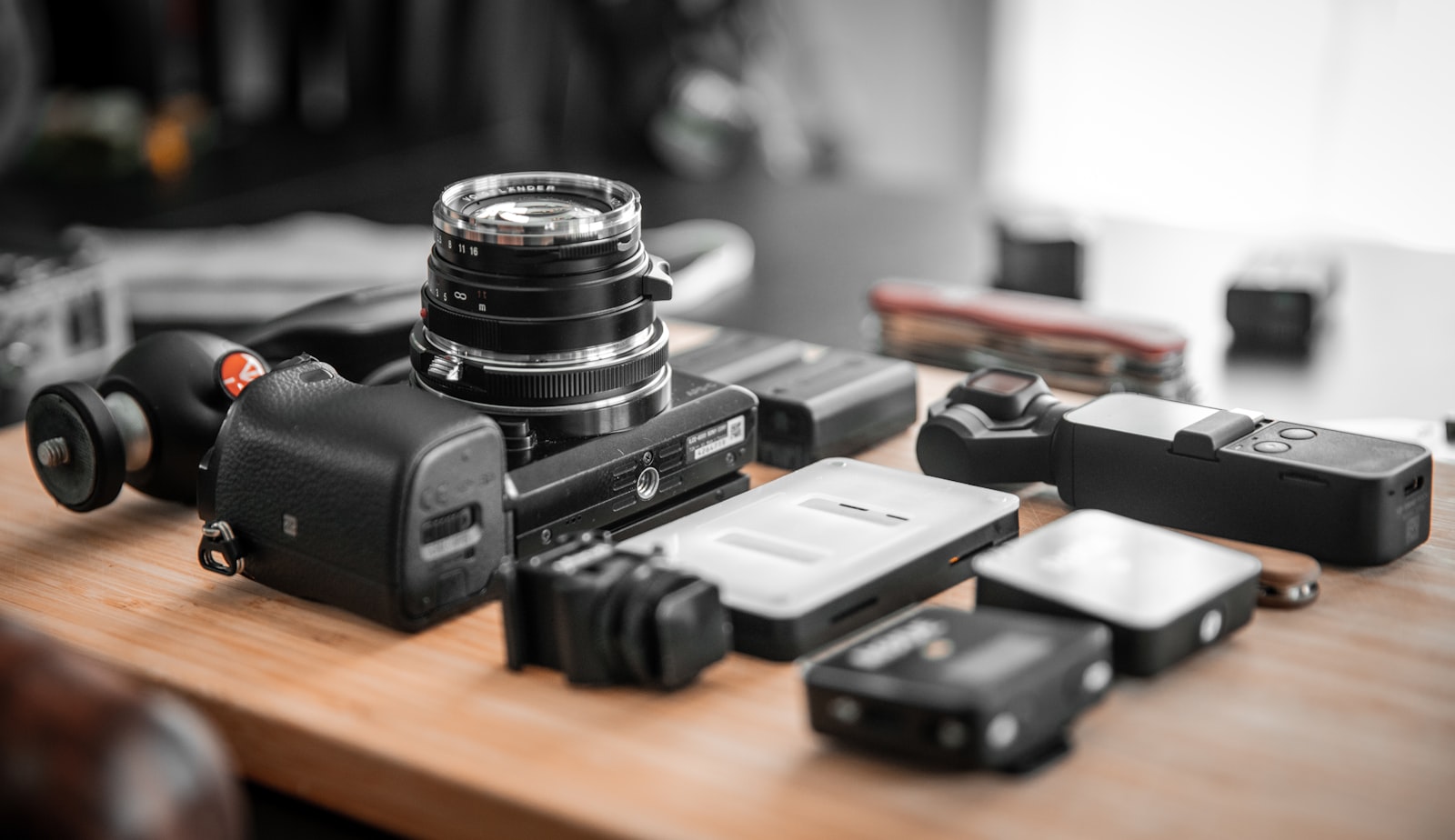
Then answer the four questions every adapter buyer has before they ask:
- Optical condition. Any scratches, coating marks, separation, or dust in the element. Photograph it against a light source and say what you see.
- Electronic function. Confirm aperture control and autofocus behavior with a named lens you actually mounted. Be specific about which body you tested it on and what firmware era you were running.
- Mount condition. Play in the mount, worn contacts, and whether the locking pin engages cleanly. This is where used adapters genuinely fail.
- What’s in the box. Front and rear caps, the removable tripod support foot, original packaging, documentation.
That tripod foot matters more than most sellers realize. It gets removed, tossed in a bag, and lost, and buyers who need one discover replacements are a hassle. If you still have yours, put it in a photo and put it in the title area of your description.
And be direct about the elephant. Say plainly that this is the previous generation and does not have TruePDAF. Buyers find out anyway, and the ones who bail because you were upfront were never going to be happy customers. The ones who stay are the ones who wanted the value play. When you sell Metabones Speed Booster hardware honestly, you filter for buyers who don’t leave disputes.
Shipping and Buyer Protection
Adapters ship easily and get damaged constantly, which is a frustrating combination. The optical element sits in a metal barrel that transmits impact beautifully.
Cap both ends. Wrap the unit, then suspend it in the middle of a box with at least two inches of crushable material on every side. Do not ship an adapter in a padded envelope, no matter how confident the padding looks. I did that once, years ago. The unit arrived fine and I got lucky, and I have not done it since.
Most GearFocus orders ship within one to three business days, and staying inside that window keeps buyers calm during the part of the transaction where they have your money and no gear.
On the protection side, the standard GearFocus policy gives buyers a 48-hour verification period after delivery. If the item isn’t as described, they can return it at no charge and the seller covers return shipping. Mention this in your listing. Nervous adapter buyers relax when they know there’s a floor under them, and relaxed buyers click Buy.
Should You Sell Metabones Speed Booster Gear at All, or Keep It?
Not every drawer adapter should become a listing. Two cases where holding makes more sense than selling.
First, if you still own Canon EF glass and shoot Fujifilm even occasionally, the resale value on a previous-generation adapter is probably less than the cost of buying back into the system later. Selling a working tool to recover a modest amount and then re-buying at a higher price is a bad trade that feels productive.
Second, if your unit has a known fault, be realistic. Repair economics on adapters are unforgiving, and a non-functioning unit sold as Poor or As-Is is final sale with no returns on GearFocus, which is fine as long as you describe it with total precision.
Everyone else: list it. A working adapter sitting in a drawer earns nothing and depreciates on schedule.
BOTTOM LINE
- List before mid-October. The upgrade wave hasn’t hit yet, and back-to-school plus late wedding season are both live demand.
- Price against completed sales, not the most hopeful active listing you can find.
- Name the exact variant in the title: Speed Booster vs Smart Adapter, ULTRA vs non-ULTRA, and the crop factor.
- Photograph the optical element, the mount, and the accessories, because there’s no shutter count to reassure anyone.
- State the TruePDAF gap openly. Honest listings attract buyers who don’t file disputes.
- Box it properly. Rigid box, two inches of padding, never a padded envelope.
- Keep 91.5% of the sale price, and remember the 48-hour verification window works in your favor as a trust signal.
The generational turnover Metabones just triggered is not a reason to panic-dump gear, and it’s not a reason to pretend nothing happened. It’s a timing signal. If you sell Metabones Speed Booster units in the next several weeks, with an honest description and a price that respects the feature gap, you’ll find the buyer who wanted precisely that trade. Buyers are actively searching for Canon EF to Fujifilm X glass solutions right now, and previous-generation adapters are exactly the kind of listing that moves when it’s priced and photographed with care. Ready to sell Metabones Speed Booster hardware of your own? Start your listing at gearfocus.com/sell and let that drawer earn something.
FAQ
Should I sell my Metabones adapter now that the ULTRA II+ is announced?
Generally yes, if you no longer use it. Previous-generation gear holds value best in the weeks right after a successor announcement, before shipping units arrive and upgraders flood the used market with their old adapters.
How much less is a previous-generation Speed Booster worth?
It depends on the variant and condition, so check completed sales rather than asking prices. The practical rule: your price has to make the missing TruePDAF autofocus feel like a fair trade to a budget-focused buyer.
What accessories matter most in an adapter listing?
The removable tripod support foot, front and rear caps, and original packaging. The tripod foot is the one buyers most often need and most often can’t find, so photograph it clearly if you still have yours.
How do I ship a lens adapter safely?
Cap both ends, wrap the body, and suspend it centered in a rigid box with at least two inches of crushable padding on every side. Never use a padded envelope for optical adapters.
What return protection do GearFocus buyers get on an adapter?
The standard policy gives buyers a 48-hour verification window after delivery. If the item isn’t as described, they return it at no charge and the seller covers return shipping. Poor and As-Is items are final sale.
Own one like this?
Make room for new gear in minutes.
