- Buyer protection on every order
Selling Your DJI Mavic 3 Pro: A Timing Guide as the Mavic 4 Pro Arrives
Bill Pryor
Sep 17, 2026
KEY TAKEAWAYS
- Sell now, not later: Selling DJI Mavic 3 Pro bodies works best in the narrow window right after a successor announcement and before the used market floods. The Mavic 4 Pro launch has started that clock. List clean, list complete, and price against real listings rather than what you paid in 2023.
- Completeness beats condition: Buyers pay a premium for the original case, all three batteries, the charging hub, and every prop guard. A mint drone with one battery sells slower than a well-used kit with everything in the box.
- Flight logs are your shutter count: Drone buyers want flight hours, crash history, and firmware status. Volunteer all three in the listing.
- Fees matter at drone prices: On GearFocus you keep 91.5% of the sale price. On a four-figure drone sale, that spread is real money.
- Mavic 3 Classic sellers have a different job: Your buyer is budget-conscious and cross-shopping Minis. Lead with value, not specs.
I packed a drone for shipping last spring and realized halfway through that I had no idea where the original foam insert went. Spent forty minutes digging through a closet. Found it behind a light stand, crushed flat. That’s the moment most sellers discover that selling a drone is a very different chore than selling a camera body.
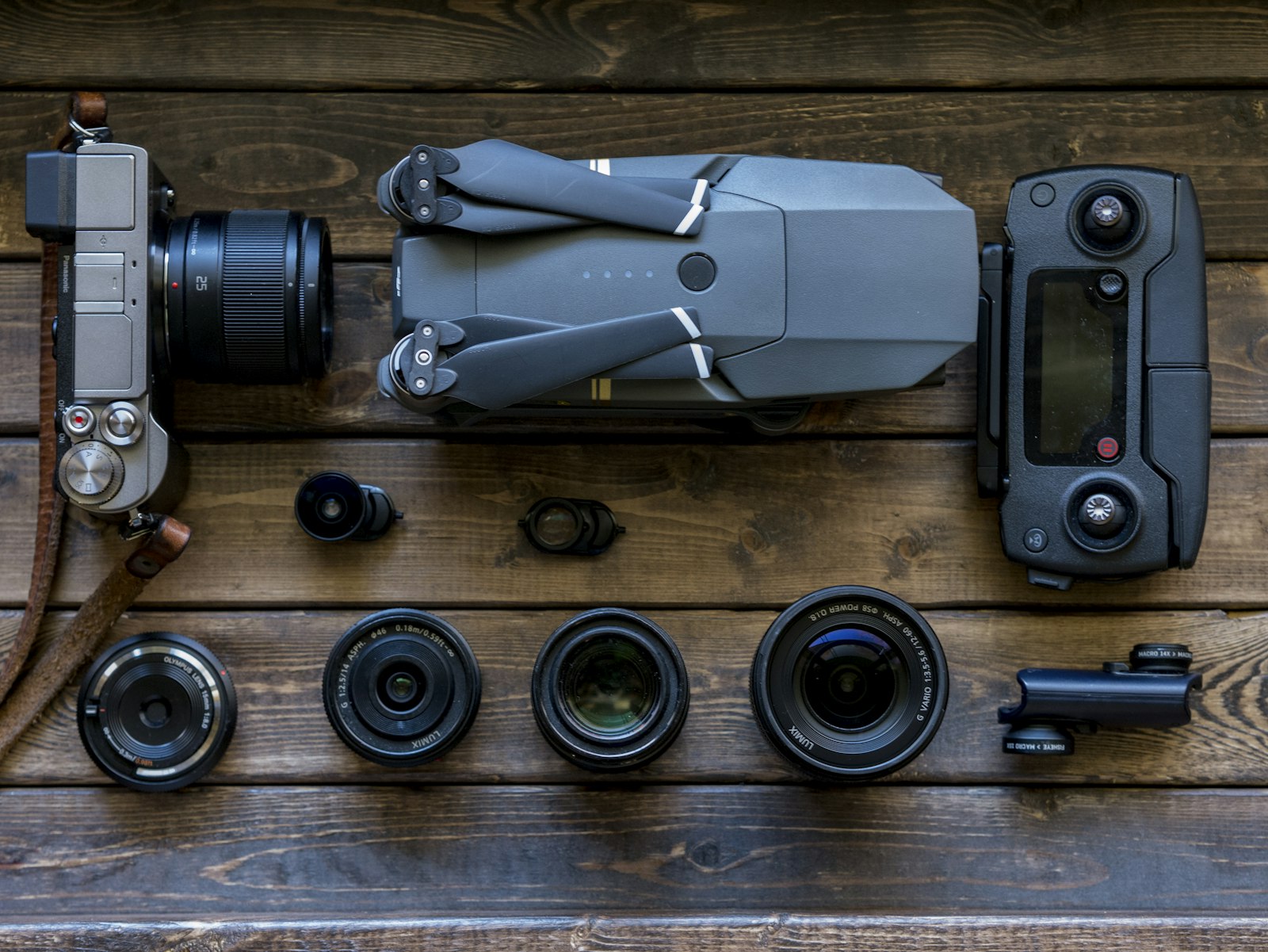
Cameras are one object. Drones are a system: the aircraft, the controller, the batteries, the hub, the props, the cables, the case. And now DJI has officially launched the Mavic 4 Pro with a 100MP Hasselblad camera, which means every Mavic 3 owner with upgrade money is about to have the same idea at the same time.
Here’s the deal. That’s not a disaster. It’s a deadline.
Why Selling DJI Mavic 3 Pro Drones Right Now Beats Waiting
Used gear prices follow a predictable rhythm after a successor launches. Announcement hits, early adopters list their old aircraft to fund the upgrade, and for a few weeks demand from bargain hunters roughly matches that first wave of supply. Then the second wave lands, the one from people who waited to see reviews. Supply overshoots. Prices sag.
Selling DJI Mavic 3 Pro units in that first wave is where the money is. You’re competing against a handful of listings instead of a few hundred, and you’re selling to buyers who have been waiting for exactly this moment because a flagship drone finally dropped into their budget.
I got this wrong once with a camera body. Told myself I’d list it “after the busy season.” The busy season ended, the market had doubled its inventory, and I ate about fifteen percent for the privilege of procrastinating. Selling DJI Mavic 3 Pro kits is the same trap with a bigger dollar figure attached.
September helps you, too. Fall foliage season is live across a lot of the northern hemisphere right now, and aerial shooters chasing color want a capable drone in hand this month, not in December. Real estate and wedding aerial work is still running. That’s demand you can actually sell into.
What Your Mavic 3 Pro Is Actually Worth
Start by separating what you paid from what it’s worth. Those numbers stopped being related the day DJI announced a successor.
The honest way to price is to look at what comparable configurations are currently listed for on the used market, then position yourself deliberately within that range. A Fly More Combo with three healthy batteries is a different product than a bare aircraft with a controller. Price them differently.
Three things move your number more than anything else when selling DJI Mavic 3 Pro hardware:
- Battery health: Batteries are consumables with a hard cycle limit. A kit with three batteries under 60 cycles each commands real premium over one with three tired cells.
- Crash history: Any repair, any replaced arm, any gimbal service. Disclose it. It costs you some money and saves you the entire sale.
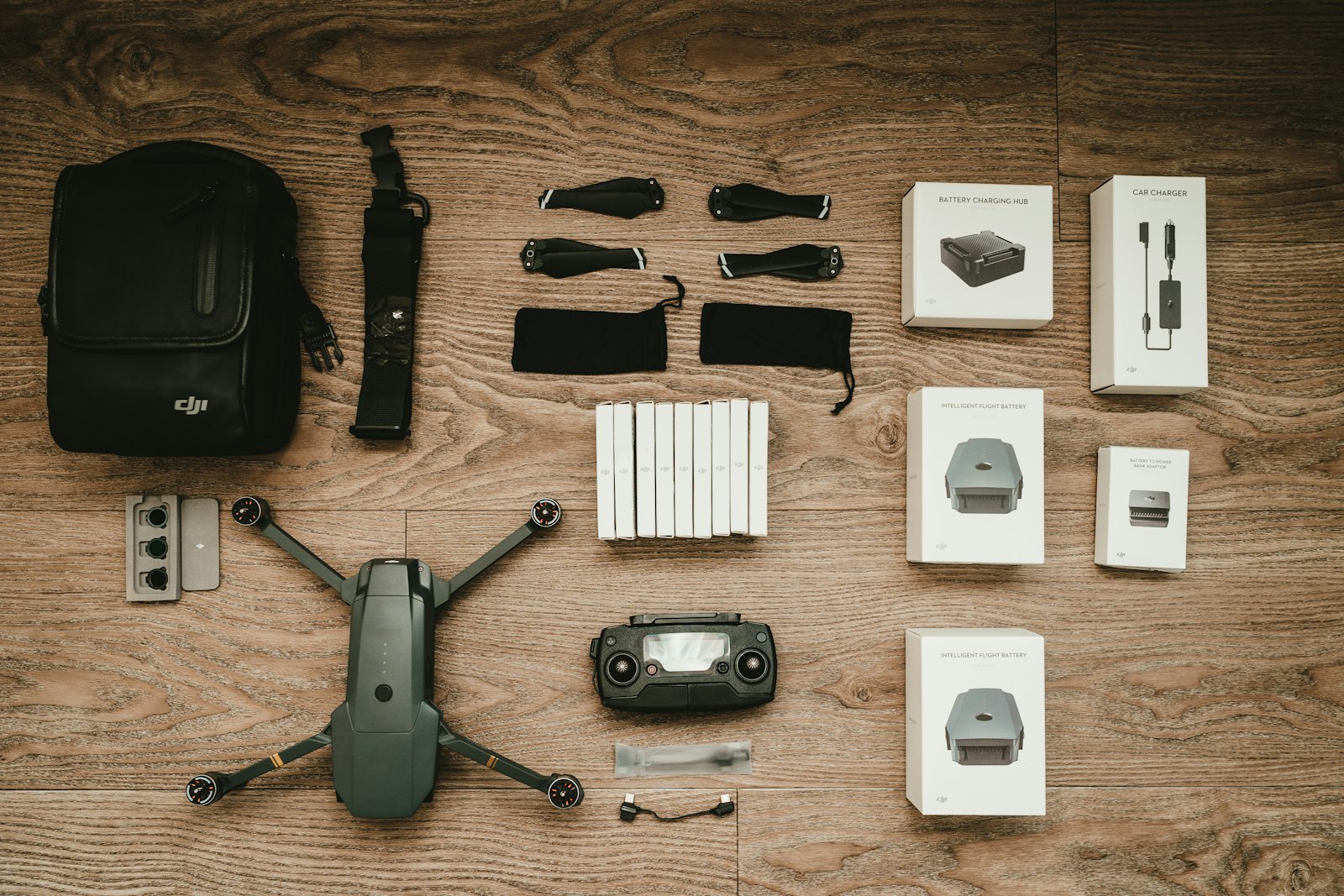
- Kit completeness: The case, hub, ND filters, spare props, cables, and the RC Pro controller if you have it.
One thing worth stating plainly: do not price against rumors or expectations about where the market is headed. Price against what you can see today. Nobody knows what Mavic 3 bodies trade for in January, and pretending otherwise is how sellers talk themselves into holding too long.
The Flight Log Is Your Shutter Count
Camera buyers ask for shutter count. Drone buyers should ask for flight time, and the smart ones do.
Pull your total flight hours and flight count from the DJI app before you write a single word of your listing. Then put those numbers in the listing body, not buried in a reply to the first question. Selling DJI Mavic 3 Pro aircraft with the hours stated up front does two things: it filters out buyers who were never going to be comfortable with your aircraft, and it signals to everyone else that you’re not hiding anything.
I ignored the shutter count on my first used camera purchase. Rookie move. It died eight months later, mid-shoot, and taught me permanently that the seller who volunteers the number is the seller worth buying from. Same logic, different machine.
Include this block in your listing:
- Total flight time and number of flights. Straight from the app.
- Battery cycle counts, per battery. Listed individually. “Three batteries” tells a buyer nothing.
- Firmware version. Updated and current, or intentionally held back, either is fine as long as you say which.
- Crash and repair history. Including anything DJI Care Refresh covered.
- Gimbal condition. Any wobble, any drift, any ribbon-cable service.
If you’re selling DJI Mavic 3 Pro gear that has never had an incident, say that too. “No crashes, no repairs, no water exposure” is a sentence that closes sales.
Writing the Listing: Photos, Words, and the Boring Stuff
Most drone listings fail on photography, which is genuinely funny when you think about who’s posting them.
Shoot the drone the way you’d shoot a product for a client. Diffused window light, clean neutral background, no carpet, no bedspread. Then shoot the whole kit laid out flat so the buyer can count the pieces themselves. That single overhead kit photo does more selling than three paragraphs of description.
Get close on the things buyers worry about: gimbal and camera glass, the arm joints, the underside sensors, the battery contacts, and the top of the aircraft where props leave scuff marks. If there’s a scratch, photograph the scratch. A photographed flaw builds more trust than an unphotographed perfect surface.
Packing and Shipping a Drone Without Losing Sleep
Batteries are the whole ballgame. Discharge every battery to roughly 30% before shipping, which is both the safe storage level and what carriers expect for lithium cells. Tape over exposed contacts. Keep batteries in the original case or in individual fire-resistant pouches.
Then pack the drone the way it came: props off or folded per the original configuration, gimbal clamp installed, aircraft in its molded case, and that case inside a rigid outer box with at least two inches of crush space on every side. If your foam insert is destroyed like mine was, build a replacement out of closed-cell foam rather than shipping the aircraft loose in a case that no longer grips it.
Photograph the packed box before you seal it. Takes ten seconds and settles any “it arrived damaged” conversation instantly.
Mavic 3 Classic Sellers: You’re Selling to a Different Buyer
If you’ve got a Classic instead of the Pro, adjust your pitch. Your buyer isn’t the person cross-shopping a Mavic 4 Pro. Your buyer is someone stepping up from a Mini, or a realtor who needs a 4/3 sensor and does not care about the tele lenses.
Lead with the sensor and the flight time, not the feature comparison. Frame the price as the cheapest legitimate route to a large-sensor aerial camera, because that’s what it is. The same completeness and flight-log rules apply, but the emotional argument is entirely about value.
One tactic that works: if you own both, list them separately rather than as a bundle. Two buyers beat one negotiating buyer nearly every time.
Where to List, and What the Fees Cost You
Fees stop being an abstraction at drone prices. On a four-figure sale, a few percentage points is a battery, a set of ND filters, or most of a hard case.
GearFocus takes 8.5% total, so you keep 91.5% of the sale price. The platform is built exclusively for photographers and filmmakers, seller identities are verified, and buyers arriving there are already shopping gear rather than browsing a general classifieds feed. That matters when selling DJI Mavic 3 Pro kits, because the buyer needs to understand what a Hasselblad-branded 4/3 sensor and a dual tele setup actually get them.
Buyer protection helps you close, too. The standard policy gives buyers a 48-hour verification window after delivery, with a free return if the item isn’t as described. Describe accurately and that window becomes a selling point instead of a risk. Some sellers additionally offer a 14-day no-questions-asked return, though drones are excluded from that tier, so don’t promise it.
Ready to move? List your drone on GearFocus and let the upgrade wave come to you.
The Timing Question Everyone Asks About Selling DJI Mavic 3 Pro Drones

Should you wait for holiday gift season? It’s a fair question, and the answer is usually no.
Gifting demand in November and December does tighten supply and firm up prices on some categories. But that’s a two-month wait during which every other Mavic 3 owner also lists. Whatever seasonal lift you catch, you’re likely handing back in competition. Selling DJI Mavic 3 Pro units into a thin market in September generally beats selling into a thick market in November.
The exception: if your drone needs service, get the service done and sell it repaired rather than rushing a broken listing out the door. Selling DJI Mavic 3 Pro hardware with a known gimbal fault knocks more off your price than the repair costs.
And if you’re upgrading across the DJI lineup generally, the same logic applies to your other gear. Our guides on selling an Osmo Pocket 3 after the Pocket 4 Pro launch and what to do when Pocket 3 prices hit an all-time low walk through the same successor-launch math on smaller gear. Worth a read before you decide what goes and what stays.
Common Mistakes When Selling DJI Mavic 3 Pro Kits
A quick list of the things that cost sellers money, drawn from watching a lot of drone listings sit unsold:
- Anchoring to purchase price. What you paid in 2023 has no bearing on 2026. Let it go.
- Hiding the hours. Buyers assume the worst about anything you don’t disclose.
- Selling with dead batteries. A battery at end of life is a negotiating weapon you handed the buyer.
- One photo, badly lit. You’re a visual professional. Act like it.
- Shipping without the gimbal clamp. The single most common cause of “arrived damaged.”
- Waiting for a better market. After a successor launch, the market only gets worse for sellers.
Selling DJI Mavic 3 Pro drones successfully comes down to being the easiest, most transparent listing in a category that’s about to get crowded. That’s a low bar and most sellers still trip over it.
BOTTOM LINE
- List within weeks, not months. The Mavic 4 Pro launch starts a supply clock and the first wave sells best.
- Pull your flight log first. Hours, flights, battery cycles, firmware, crash history, all in the listing body.
- Gather every piece. Case, hub, all batteries, props, filters, cables, controller. Photograph the kit laid out flat.
- Shoot it properly. Diffused light, clean background, close-ups on gimbal, arms, sensors, and any flaws.
- Discharge batteries to 30% and clamp the gimbal. Then double-box with two inches of crush space.
- Keep 91.5%. Selling DJI Mavic 3 Pro gear on GearFocus means an 8.5% total fee and verified-seller credibility.
- Classic owners: sell on value and sensor size, not feature parity with the Pro.
Selling DJI Mavic 3 Pro hardware in September 2026 is a timing exercise more than a pricing one. The aircraft hasn’t changed. What changed is that a 100MP successor exists and every owner now knows it. Be honest about the hours, complete in the kit, and early in the queue, and you’ll land near the top of the range instead of chasing it down for the rest of the year. Selling DJI Mavic 3 Pro drones rewards the prepared, not the patient. Get your listing up while buyers are still looking.
FAQ
How do I price a used DJI Mavic 3 Pro to sell fast?
Check current listings for your exact configuration, then price at the lower end of that range if you want a quick sale. Complete Fly More Combos with healthy batteries and low flight hours support the higher end.
Should I wait until the holidays to sell my Mavic 3?
Usually no. Gift season firms prices slightly, but by November far more Mavic 3 bodies will be listed as Mavic 4 Pro upgraders offload gear. Thinner competition now generally beats stronger demand later.
Do I need to disclose flight hours when selling DJI Mavic 3 Pro drones?
You should. Experienced drone buyers treat flight time and battery cycle counts the way camera buyers treat shutter count. Volunteering the numbers builds trust and filters out buyers who would have backed out anyway.
How do I ship a drone with lithium batteries?
Discharge each battery to roughly 30%, tape exposed contacts, and keep cells in the original case or individual fire-resistant pouches. Clamp the gimbal, then double-box with two inches of padding on every side.
What fee does GearFocus charge on a drone sale?
The total fee is 8.5%, so sellers keep 91.5% of the sale price. On a four-figure drone that spread is meaningfully better than generalist marketplaces charge for the same transaction.
Own one like this?
Make room for new gear in minutes.
