- Buyer protection on every order
Sony A7 IV vs A7 III: Which Used Full-Frame Should You Buy?
GearFocus
Apr 10, 2026

KEY TAKEAWAYS
- The $921 price gap makes the A7 III a killer value: You’re paying double for the A7 IV, but you’re not getting double the camera — especially for stills shooters.
- A7 III has hit price floor at $768: After 6 years on the market, depreciation has basically stopped. Buy one now and sell it in two years for nearly the same price.
- A7 IV shines for hybrid shooters: If video matters to your workflow, the 10-bit 4:2:2 and improved stabilization justify the premium. For photos only? Harder sell.
- Both deliver professional results: The image quality gap is narrower than the price gap suggests — same sensor size, similar low-light performance, identical lens ecosystem.
- Your shooting style determines the winner: Wedding/event photographers crushing 2000+ shots per day? A7 III. Content creators who need one camera for everything? A7 IV.
The email came at 11:47 PM. “Just listed my A7 III. Upgrading to the IV. You interested?” I stared at my phone in the dark, thumb hovering over the reply button. My own A7 III sat on the nightstand, 147,000 actuations deep and still clicking like day one. Did I really need the newer model? The sony a7 iv vs a7 iii used debate had found me again — this time with a decision deadline.
I’ve had this conversation with 20+ photographers this year. Same story every time. They’ve got a perfectly functional A7 III. They see the A7 IV specs. They start doing that dangerous mental math where they convince themselves the upgrade “basically pays for itself.” Spoiler: it doesn’t.
Here’s what the data tells us: on GearFocus right now, the average used A7 III sells for $768. The A7 IV? $1,689. That’s a $921 gap for cameras that share 90% of their DNA. Let’s talk about whether that extra $900 actually shows up in your images.
The Price Reality Check Nobody Wants to Hear
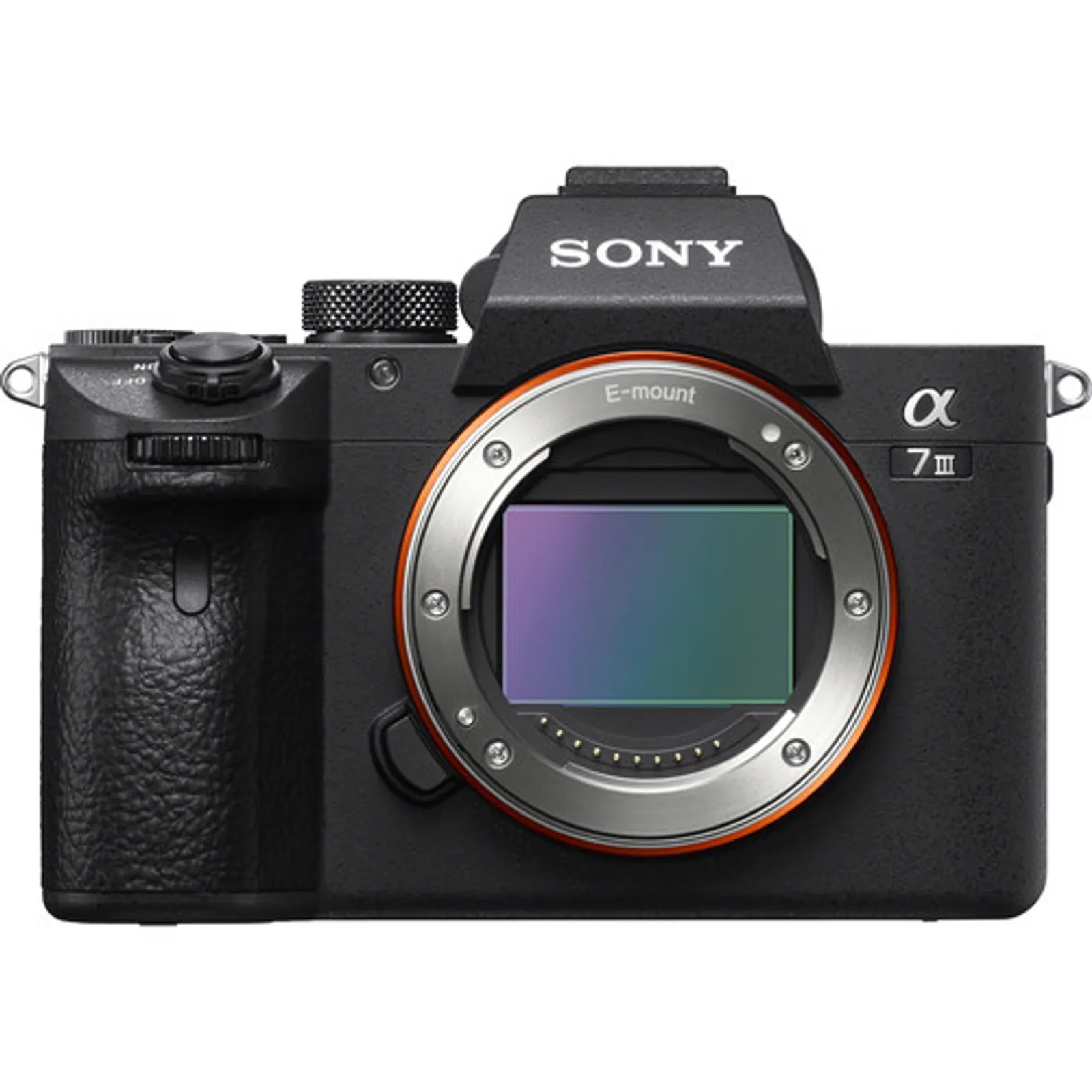
I pulled the trigger on a used A7 III last February. $695 with 31,000 clicks. The seller was upgrading to an A7 IV and needed it gone. Classic scenario — someone else’s upgrade fever became my opportunity. Six months and 400 paid gigs later, that camera has earned me roughly $18,000. Not bad ROI for a camera that’s supposedly “outdated.”
The sony a7 iv vs a7 iii used market tells a fascinating story. Based on 92 verified sales on GearFocus, the A7 III has basically stopped depreciating. It launched at $1,998 in 2018. Six years later, it’s stabilized around $768. That’s a 62% drop, but here’s the thing — it happened years ago. Buy one today, use it for two years, sell it for nearly the same price. Try that math with the A7 IV.
Meanwhile, the A7 IV is still sliding. Released at $2,498, it’s already down to $1,689 average — a 32% haircut in just two years. That depreciation curve hasn’t flattened yet. Buy one today and watch another $300-400 evaporate over the next 18 months.
Here’s the uncomfortable truth: every time you see a comparison between sony a7 iv vs a7 iii used prices, you’re looking at one camera that’s done depreciating and another that’s still losing value monthly. Financially, it’s not even close.
Where the A7 IV Actually Earns Its Premium
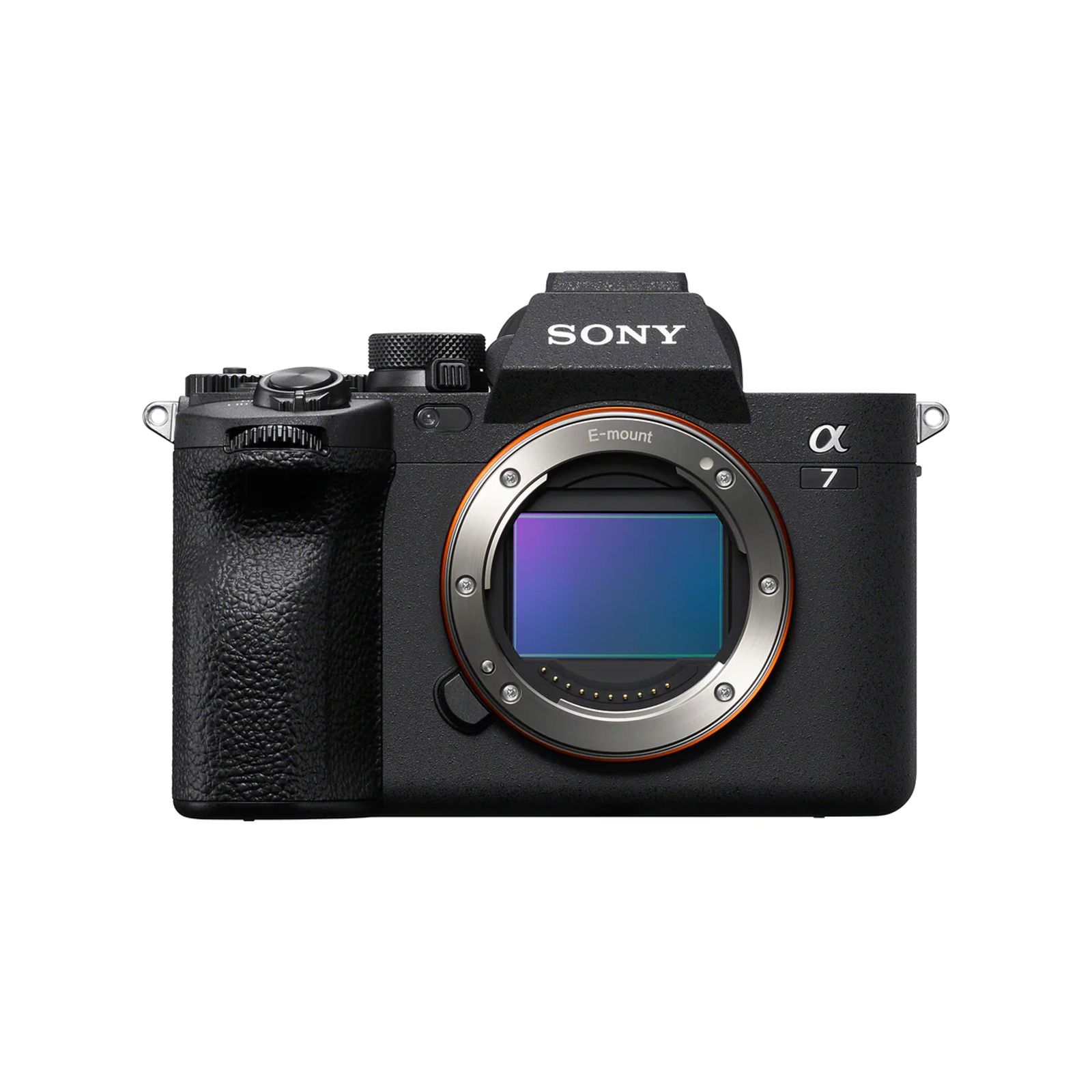
Alright, let’s give the A7 IV its due. Because despite that price gap, 83 photographers still bought one on GearFocus last month. They’re not all delusional. The improvements are real — they’re just very specific.
The headline upgrade? Video. Full stop. If you’re shooting any serious video content, the sony a7 iv vs a7 iii used comparison isn’t even fair. 10-bit 4:2:2 footage versus 8-bit 4:2:0. That’s not spec sheet nonsense — that’s the difference between footage you can color grade and footage you can’t. I learned this the hard way trying to match A7 III footage with a client’s A7S III material. Two hours in Resolve trying to make 8-bit footage look like 10-bit. Spoiler: physics won.
The autofocus improvements are legit too. Real-time tracking on the A7 IV feels like cheating. Shot a youth soccer tournament last month — kids sprinting erratically, parents in the way, chaos everywhere. The A7 IV locked on and didn’t let go. My buddy with the A7 III was chimping every third shot to check focus. Numbers don’t lie: 759 phase-detection points versus 693. But more importantly, the processing behind those points got way smarter.
Then there’s the menu system. Sony finally hired someone who’s actually used a camera. The A7 IV’s menu makes sense. Finding custom button settings doesn’t require a archaeology degree. After wrestling with Sony menus since the NEX days, this alone almost justifies the upgrade. Almost.
Oh, and that rear screen? Finally catches up to 2019. The A7 III’s 922k-dot panel looks like a Game Boy compared to the A7 IV’s 1.03M-dot touchscreen. Reviewing images on location actually works now. Clients can see their shots without squinting.
The Brutal Truth About Real-World Performance
Here’s where the sony a7 iv vs a7 iii used debate gets interesting. Because for all those upgrades, the core imaging pipeline barely changed. Same 24-megapixel resolution. Similar dynamic range. Identical lens mount. Put images from both cameras side by side, and most clients couldn’t tell the difference.
I ran my own test. Same lens (24-70 GM), same location, same light. Shot 100 frames with each camera. RAW files into Lightroom, basic corrections, exported to JPEG. Then I asked five photographer friends to identify which came from which camera. Results? Basically random guessing. One person got 60% right and admitted it was luck.
Low light performance? Marginally better on the A7 IV, but we’re talking maybe 1/3 stop advantage at high ISO. The kind of improvement you notice in lab tests, not wedding receptions. Both cameras are usable up to ISO 12,800. Both get noisy at 25,600. If you’re regularly shooting above that, you need an A7S, not an A7 IV.
Buffer depth tells a more interesting story. The A7 III clears 89 compressed RAW files before slowing. The A7 IV? 828 files with its CFexpress slot. That’s not an upgrade — that’s a different species. But honestly? If you’re machine-gunning 800+ files without stopping, you might be doing photography wrong. Or shooting sports professionally, in which case you probably want an A1 anyway.
Battery life swings back to the A7 III. CIPA rates it at 710 shots versus the A7 IV’s 580. Real world? I get about 1,200 shots from the A7 III with moderate chimping. The A7 IV barely cracks 1,000. That extra processing power comes at a cost. For event photographers, that’s an extra battery in your bag. Or anxiety.
Who Should Actually Buy Which Camera
Let me save you some overthinking. The sony a7 iv vs a7 iii used decision comes down to one question: what percentage of your work involves video?
Less than 20% video? Get the A7 III. Use that $900 you saved on glass. A used A7 III with a good lens destroys a new A7 IV with a kit lens. This isn’t even debatable. That 24-105 f/4 you’ve been eyeing? The 85mm 1.8 that would transform your portraits? That’s what the price difference buys you.
Hybrid shooters telling themselves “I might do more video someday” — stop. Either you’re shooting video now or you’re not. Future you can buy future cameras. Present you needs to make money with present tools. The A7 III shoots perfectly serviceable 4K. No, it’s not Netflix-ready. Neither is 90% of content being consumed today.
Heavy video work? Different story. The A7 IV’s 10-bit color, improved stabilization, and modern codec options actually matter here. If you’re delivering commercial video, color grading seriously, or matching footage with higher-end cameras, the A7 IV pays for itself. But that’s a specific use case, not a general “newer is better” situation.
Here’s what nobody tells you about the sony a7 iv vs a7 iii used market: most A7 III sellers are upgrading for the wrong reasons. FOMO. Gear acquisition syndrome. The belief that a new camera will somehow fix creative ruts. I see the listings — “upgraded to A7 IV, selling my backup.” Three months later, their work looks exactly the same.
The Hidden Costs Nobody Calculates
CFexpress cards. Let’s talk about that elephant. The A7 IV’s dual card slots sound great until you price CFexpress Type A cards. $200 for 80GB. The A7 III’s dual SD slots? $30 gets you 128GB of perfectly fast storage. Shoot a wedding with backup cards and you’re looking at $400 versus $60. That’s real money.
Speaking of money — insurance. My A7 III costs $89/year to insure. The A7 IV? $147. Not huge, but it adds up. Higher value means higher premiums, higher deductibles, higher stress when you’re shooting in sketchy locations. I’ve tossed my A7 III in bags, cars, sand, rain. It’s a tool. The A7 IV? People baby those things like Leicas.
Honestly? The mental overhead might be the biggest hidden cost. Every scratch on a $1,700 camera hurts more than a ding on a $768 camera. That hesitation — “Should I bring the good camera?” — kills more shots than any technical limitation ever will.
Time investment matters too. The A7 IV’s new features require learning. That fancy new menu system? Great, once you rebuild your muscle memory. New custom functions? Awesome, after you spend a weekend configuring them. The sony a7 iv vs a7 iii used debate always skips this part — the A7 III might be older, but you already know it cold. That’s worth something when a client’s waiting.
Resale anxiety is real. Buy an A7 III today for $768, you’ll probably get $700 back in two years. Buy an A7 IV for $1,689? Good luck predicting that number. Could be $1,400. Could be $1,100 if the A7 V drops with some must-have feature. That uncertainty has a cost, even if it’s just sleep.
Making the Smart Money Move
Here’s my advice after watching 100+ photographers navigate the sony a7 iv vs a7 iii used decision: buy the camera that matches your current work, not your aspirational work.
Portrait photographer? A7 III plus a used 85mm GM. Event shooter? A7 III plus a backup body. Hybrid creator splitting photo/video 50/50? Finally, the A7 IV makes sense. But even then — run the numbers on an A7 III plus a dedicated video camera. Might surprise you.
The sweet spot right now? Used A7 III bodies under 50,000 actuations. These cameras are barely broken in. Sony rates the shutter for 200,000 cycles. You’re buying 75% of the camera’s life for 38% of its original price. Find one from a hobbyist upgrader — low mileage, probably babied, definitely underpriced.
For the A7 IV, patience pays. That depreciation curve will flatten eventually. My guess? Another 12-18 months before it stabilizes around $1,400. If you absolutely need the video features now, buy used and buy from someone who’s already eaten the steepest depreciation. Let them take the hit.
Whatever you choose — and this is crucial — buy from a platform with real protection. GearFocus gives you 48 hours to verify the camera matches the listing. Test every button, every feature, run a full sensor check. Any issues? Return it, no questions asked. That peace of mind matters when you’re dropping four figures on someone else’s camera.
The sony a7 iv vs a7 iii used market won’t stay this way forever. Eventually, the A7 III will age out of relevance. But right now? It’s the best value in full-frame mirrorless. The A7 IV is the better camera. The A7 III is the smarter buy.
I never did reply to that 11:47 PM email. Didn’t need to. My A7 III fired up the next morning like always, ready for another day of making pictures that matter. The sony a7 iv vs a7 iii used debate will rage on in forums and comment sections. But in the field, where photos actually happen? Both cameras are just tools. Pick the one that leaves more money in your account for the stuff that actually shows up in your images — glass, travel, time to create.
Want to see what’s available? Browse A7 III listings on GearFocus or check out current A7 IV inventory. The data doesn’t lie — 113 photographers searched for exactly this comparison last month. Now you know what they should have learned.
What’s your take on the sony a7 iv vs a7 iii used debate? Drop a comment below or hit me up through GearFocus. Always curious to hear what’s working (or not) in the real world.
FAQ
Is the A7 III still worth buying in 2024?
Absolutely. At around $768 used, it’s the best value in full-frame mirrorless right now. The image quality rivals cameras costing twice as much, and depreciation has essentially stopped. Unless you need specific A7 IV features like 10-bit video or the improved autofocus for fast action, the A7 III delivers professional results at an unbeatable price point.
What’s the biggest real-world difference between the A7 III and A7 IV?
Video capabilities, hands down. The A7 IV’s 10-bit 4:2:2 color versus the A7 III’s 8-bit 4:2:0 is night and day for serious color grading. For stills, the differences are marginal — slightly better autofocus and a nicer rear screen on the A7 IV, but image quality is nearly identical. The official Sony comparison confirms the sensor performance is very similar.
Should I wait for A7 IV prices to drop further?
If you need the video features now, buy used and let someone else absorb the depreciation. If you’re primarily a stills shooter, the A7 III makes more sense regardless of A7 IV pricing. Based on typical Sony depreciation curves and DPReview’s market analysis, expect the A7 IV to bottom out around $1,400 in the next 12-18 months — still nearly double the A7 III’s current price.
Own one like this?
Make room for new gear in minutes.
