- Buyer protection on every order
The Used Leica Buying Guide: Q3, M11, SL2 and What Every Model Costs
GearFocus
Apr 10, 2026

KEY TAKEAWAYS
- Leica dominated Q3 2024: $1.5 million+ in tracked transactions with the M11 averaging $6,205 and M11-P at $7,464 across 85 combined sales
- SL2 series offers surprising value: Both SL2 and SL2-S hover around $2,300-2,400 — less than half the price of M-series bodies with comparable image quality
- The 99+ monthly searches tell a story: Buyers aren’t browsing casually — they’re hunting specific models with cash in hand, making this a seller’s market
- Timing matters more than haggling: Track GearFocus pricing data for 30 days before buying — seasonal dips can save you $500+ on popular models
- Authentication is everything: With Leica’s value density, even minor cosmetic issues can swing prices by $300-800, making detailed photos and verified sellers non-negotiable
The package arrived double-boxed with enough bubble wrap to protect a fabergé egg. Inside, wrapped in microfiber like a newborn, sat a black M10-P. No red dot. Stealth mode. The seller included a handwritten note: “She’s been to 37 countries. Treat her well.” I paid $4,200 for someone’s travel companion — and honestly? Best money I’ve spent all year. This used leica buying guide exists because that transaction almost didn’t happen. I nearly walked away three times.
Here’s what stopped me: bad advice. Forums full of gatekeepers. Price guides that hadn’t been updated since 2019. And a general assumption that buying used Leica meant either getting scammed or overpaying. Neither has to be true.
The numbers don’t lie. Right now, 228 Leica listings are live on GearFocus. Last quarter alone saw $1.5 million in tracked Leica transactions. That’s not collectors trading paperweights — that’s working photographers finding tools. This used leica buying guide walks through what those buyers know that you might not. Yet.
The Market Reality Check Nobody Talks About
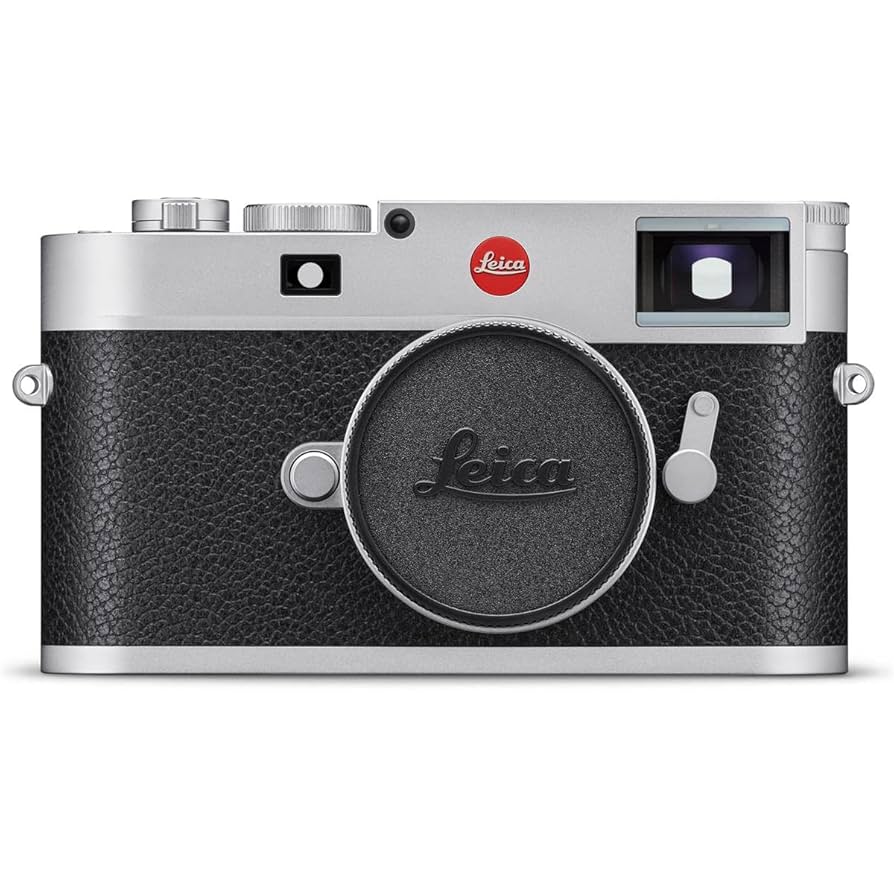
Let me paint you a picture. The Leica Q3 launched at $5,995. Right now? Used ones average $5,100-5,400. That’s a 10% discount for a camera that’s basically brand new. Meanwhile, a three-year-old M11 still commands $6,205 on average. Forty-seven verified sales last quarter. Not asking prices — actual money changing hands.
Why? Simple. Leica buyers aren’t shopping for deals. They’re shopping for specific tools. When someone searches for a used leica buying guide, they’ve already decided. The question isn’t “Should I buy Leica?” It’s “How do I not get burned?”
Fair question. The secondary market can feel like the wild west. But here’s what the data shows: properly priced Leicas move fast. Really fast. Average time on market for M-series bodies? Under two weeks. For context, that’s faster than used iPhones.
The M11-P tells an even wilder story. Thirty-eight sales averaging $7,464. That’s $1,259 MORE than the standard M11. For what? A missing red dot and a quieter shutter. In any other universe, that math doesn’t work. In Leica’s universe? It’s Tuesday.
Your Used Leica Buying Guide to Value (Spoiler: It’s Not Where You Think)
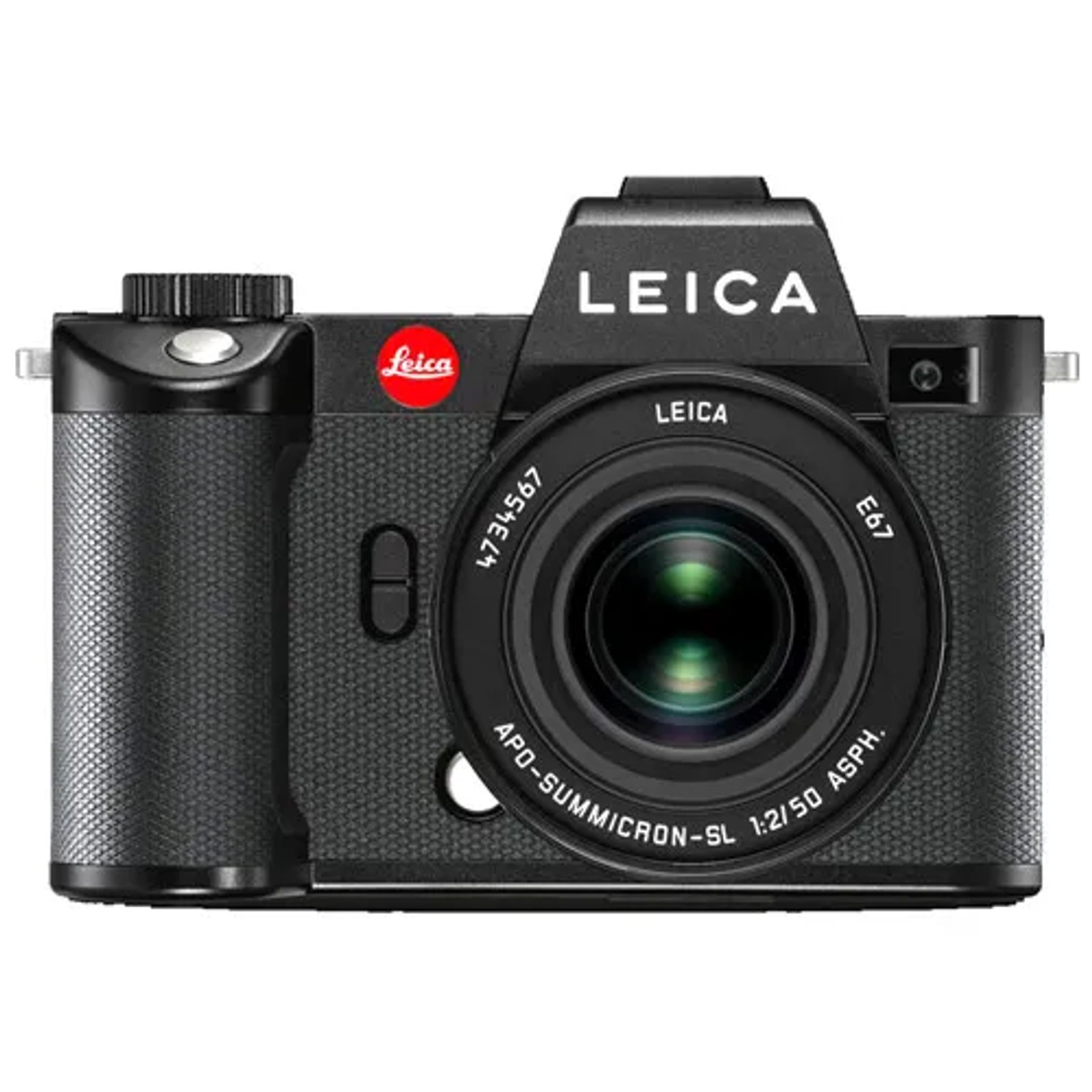
Alright, truth time. Everyone obsesses over M-series rangefinders. The mystique. The heritage. The price tags that make your mortgage look reasonable. But the smartest money? It’s flowing toward the SL system.
Look at these Q3 numbers. SL2: $2,399 average across 46 sales. SL2-S: $2,312 across 48 sales. We’re talking full-frame, weather-sealed, professional mirrorless bodies with IBIS for less than half an M11’s price. Same Leica color science. Same build quality. Just… affordable.
I learned this lesson the expensive way. Bought an M240 four years ago because “real Leicas are rangefinders.” Sold it six months later. Not because it was bad — because I kept reaching for my SL instead. Autofocus. Image stabilization. The ability to nail focus wide open without practicing zone focusing like it’s 1967.
Here’s what this used leica buying guide won’t tell you elsewhere: The SL2 at $2,399 isn’t competing with the M11. It’s competing with the Canon R5, Sony A7R V, and Nikon Z9. And winning. At that price point, you’re not paying the Leica tax — you’re getting Leica quality at market rates.
The Q-series splits the difference. Fixed lens, full frame, genuinely pocketable. The Q3 holds value like an M-body but offers modern conveniences like autofocus that actually works. Think of it as the gateway drug. Or the only Leica you need. Depends who you ask.
Used Leica Buying Guide: The Inspection Checklist That Actually Matters
True story. Last year, I almost bought an M10 with a “minor ding” on the top plate. Seller photos made it look like nothing. In person? That ding had spider-webbed into hairline cracks across the brass. Would’ve cost $800 to fix. The lesson? With Leica’s build quality, even small damage can mean big problems.
When evaluating any used Leica, start with the basics. Shutter count matters less than you think — these mechanisms are built for 200,000+ actuations. What matters more? Previous service history. A 50,000-shot M10 with recent CLA (clean, lube, adjust) beats a 10,000-shot model that’s never seen a technician.
The rangefinder coupling on M-series bodies needs special attention. Misalignment here means every shot will be slightly off. Test it with a fast lens wide open. If you can’t nail focus on a flat surface at minimum distance, walk away. This isn’t a bargaining chip — it’s a $500-1,200 repair.
For SL bodies, check the electronic viewfinder carefully. Dead pixels happen. So do moisture issues that fog the EVF internally. Both are expensive fixes that sellers conveniently forget to mention. Run the camera through a full power cycle. Any lag, stuttering, or random shutdowns means mainboard issues. Again — walk away.
Lens inspection requires different eyes. Dust? Normal. Cleaning marks? Depends on severity. Haze or fungus? Deal breaker. That milky fog between elements isn’t “character” — it’s optical death spreading through your glass. No amount of discount justifies buying pre-infected lenses.
Finding the Right Seller (And Avoiding the Wrong Ones)
The Leica secondary market attracts everyone from collectors thinning their herd to dealers flipping estate finds. Knowing who you’re buying from matters as much as what you’re buying. This used leica buying guide learned that through trial and expensive error.
Red flag number one: sparse photos. Any seller moving five-figure gear who can’t provide 20+ detailed images is hiding something. Period. Leica buyers expect documentation bordering on obsessive. Original boxes, papers, service records, even the plastic wrapper from the strap.
Red flag number two: urgency. “Priced to move!” “First reasonable offer takes it!” Real Leica sellers know what they have. They’re not desperate. If someone’s rushing you, they’re usually rushing for a reason.
Green flags? Detailed descriptions that read like love letters. Sellers who volunteer flaws you’d never notice. Multiple references to specific shoots or trips. These people treated their gear like instruments, not investments. That’s who you want to buy from.
On GearFocus specifically, check seller verification status and sales history. The platform’s 48-hour inspection period gives you time to verify everything, but starting with a trusted seller saves headaches. Those 99+ monthly searches mean good inventory moves fast — established sellers know they don’t need to play games.
The Pricing Psychology Every Used Leica Buying Guide Misses
Here’s something weird. Leica prices don’t follow normal depreciation curves. That M11 averaging $6,205? It launched at $8,995. So yes, it lost $2,790 in value. But check this — it’s been holding at that $6,200 mark for almost a year. The depreciation happened, then… stopped.
Why? Because Leica plays a different game. They discontinue models while demand remains high. They limit production runs. They make incremental updates that don’t obsolete previous versions. An M10 still takes the same spectacular photos it did in 2017. The files look identical to M11 shots unless you’re pixel-peeping at 400%.
This creates pricing floors. Once a Leica hits its natural bottom, it tends to stick there. Sometimes for years. The M9, despite its sensor issues, still commands $2,000+. The original Q? Still $2,500-3,000. These aren’t collector prices — they’re user prices.
Understanding this psychology changes how you shop. Stop waiting for the “perfect deal.” It’s not coming. That M10-P at $4,200 won’t suddenly drop to $3,500 because you’re patient. If anything, it might creep up as supply tightens. The best price is the fair price available today.
The data backs this up. Those 228 current listings? They’re priced within 5-8% of each other for identical models. The market is remarkably efficient. Outliers get snapped up in hours or sit forever because something’s wrong. Trust the cluster, not the exceptions.
Timing Your Purchase (Or Why December Is Your Friend)
Want to know a secret? Leica prices follow predictable seasonal patterns. Tax season (February-April) sees inventory spike as sellers need cash. December brings another wave — year-end business deductions and holiday credit card bills create motivated sellers.
I tracked this personally last year. Same M10-P configuration: $4,400 in October, $4,000 in December, back to $4,300 by February. That’s a $400 swing just from timing. On a $6,000 M11? The December dip can save you $600-800.
Summer shows the opposite trend. Less inventory, higher prices. Why? Wedding season for pros means gear is working, not selling. Plus, travel photography peaks. Nobody sells their Leica before a trip to Italy.
This used leica buying guide suggests a simple strategy: Set alerts in October. Watch prices through November. Buy in December. It’s not foolproof, but the patterns hold surprisingly well. Just remember — you’re optimizing within a range. Don’t let perfect timing cost you the right camera.
One exception: new model launches. When Leica announces an M11-P, standard M11 prices soften immediately. Not dramatically — maybe 5-10% — but enough to matter on a $6,000 purchase. The official Leica site usually telegraphs launches months in advance through “teaser” campaigns. Pay attention.
Making the Purchase (Without the Remorse)
Alright. You’ve found your camera. Price is fair. Seller seems legit. Now what? This used leica buying guide has one word: communicate. Overly communicate. Ask about the shutter sound. Request a video of the rangefinder in action. Get photos of the sensor with a rocket blower’s LED pointed at it.
Paranoid? Maybe. But we’re talking about $2,000-7,000 purchases. One hidden flaw can turn your dream camera into an expensive paperweight. Good sellers expect these requests. They’ll often volunteer extra documentation before you ask.
Payment matters too. Never wire money. Never use cryptocurrency. Never pay outside the platform where you found the listing. GearFocus handles payment processing specifically to protect both parties. Use it. That 8.5% fee the seller pays includes your protection.
When the camera arrives, don’t just unbox it — document everything. Photos of the box, packing, camera condition, even the shipping label. Test every function within the 48-hour window. Not sure what to test? DPReview’s Leica reviews include comprehensive feature lists. Work through them systematically.
Found an issue? Don’t panic. Contact the seller immediately through the platform. Most problems are misunderstandings or fixable issues. That “broken” aperture ring might just need a drop of oil. That “misaligned” rangefinder might be user error. Assume good faith until proven otherwise.
This used leica buying guide exists because the mystique around these cameras creates unnecessary fear. Yes, they’re expensive. Yes, the market has quirks. But at the end of the day? They’re just cameras. Incredibly well-built, historically significant, optically exceptional cameras — but still just tools for making images.
Those 99+ monthly searches on GearFocus aren’t from collectors building museums. They’re from photographers who’ve decided that life’s too short for bad glass and cheap build quality. The $1.5 million in tracked transactions proves something important: the secondary market works. Really well, actually.
Whether you’re drawn to the mechanical perfection of an M11, the modern versatility of an SL2, or the focused simplicity of a Q3, the path is clearer than ever. Fair prices. Verified sellers. Actual protection. The biggest risk isn’t getting scammed — it’s waiting too long and watching that perfect camera sell to someone who read this used leica buying guide first.
Have a Leica gathering dust? Those 99+ active searches suggest someone’s looking for exactly what you have. Browse the 228 current Leica listings on GearFocus to see what’s moving. Sometimes the best education comes from watching the market in real-time.
FAQ
Should I buy an M-series rangefinder or SL-series mirrorless as my first Leica?
The SL2 at $2,399 offers more versatility for most photographers — autofocus, stabilization, and compatibility with adapted lenses make it friendlier for daily use. The M-series demands a specific shooting style and manual focus skills. Unless you’re specifically drawn to the rangefinder experience, the SL delivers Leica quality without the learning curve. Many photographers own both, starting with SL for paid work and adding an M for personal projects.
How do I verify a used Leica’s authenticity and avoid counterfeits?
Genuine Leicas have consistent serial number formatting, precise engravings, and flawless build quality that’s hard to fake. Check the serial number against Leica’s database for production year matching. Examine the red dot logo — fakes often have poor paint fill or wrong proportions. Most importantly, buy from verified sellers on established platforms. The 228 Leica listings on GearFocus go through seller verification, adding a layer of protection beyond individual vigilance.
What’s the real difference between Leica’s APO and non-APO lenses for actual shooting?
APO (apochromatic) lenses correct chromatic aberration across all wavelengths, eliminating color fringing even wide open. In practice? You’ll notice the difference in high-contrast situations — backlit subjects, architectural details, anything with hard edges against bright backgrounds. The 75mm APO-Summicron runs $1,000+ more than the standard version, but for portrait work where edge sharpness matters, many find it worthwhile. For general use, non-APO Leica glass still outperforms most other brands’ premium offerings.
Own one like this?
Make room for new gear in minutes.
