- Buyer protection on every order
DJI Osmo 360 II Launch: What It Means for Used Osmo 360 Prices
Bill Pryor
Sep 16, 2026
KEY TAKEAWAYS
- The short answer: DJI announced the Osmo 360 II on September 3, 2026, and used Osmo 360 prices are heading down as first-gen owners list their old units. Expect softer pricing through fall 2026 as upgrade supply hits the secondhand market.
- What triggered it: A 1-inch 8K/60fps HDR sensor, AI SuperNight 2.0, replaceable lenses, and 105GB onboard storage. That is a real generational jump, not a spec bump.
- Who wins: Buyers who never needed 8K. A first-gen Osmo 360 shoots the same reframe-in-post footage it shot last month.
- Who should move fast: Sellers. Supply climbs first, then prices settle. Listing early beats listing in November.
- The ripple: It is not just DJI. Competing 360 bodies get repriced too when the category leader launches a successor.
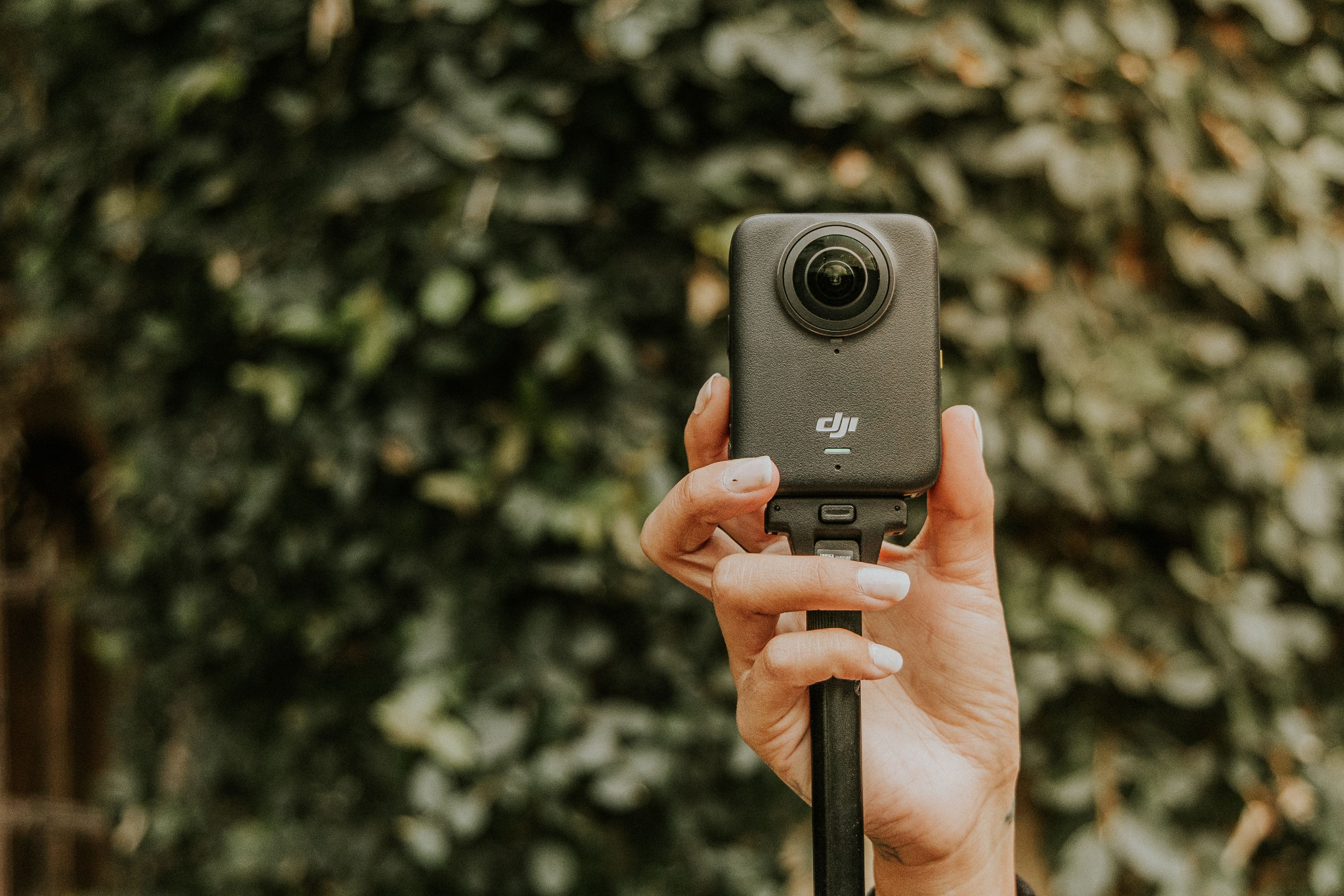
DJI dropped the Osmo 360 II on September 3, 2026, and used Osmo 360 prices started sliding within days. That is the whole story in one sentence. A 1-inch sensor, 8K/60fps HDR, AI SuperNight 2.0, swappable lenses, and 105GB of internal storage arrived, and every creator who bought the original started doing the math on what their first-gen body is still worth.
Here is the deal: this happens every single time. The successor lands, the forums light up, and a wave of perfectly good cameras hits the secondhand market at once. What is different with 360 gear is how fast it moves, because 360 shooters tend to be early adopters who upgrade on instinct.
Why Are Used Osmo 360 Prices Dropping Right Now?

Supply. That is it. Nothing about the first-generation Osmo 360 got worse on September 3. The image quality did not degrade. The stitching did not get sloppier. But used Osmo 360 prices respond to how many units are listed, not to how good the camera is in isolation.
When DJI publishes a launch video like the Osmo 360 II announcement, it does two things at once. It creates demand for the new body and it creates supply of the old one. The second effect is what drives used Osmo 360 prices, and it lands faster than most sellers expect.
I ignored this dynamic once with a gimbal I sat on for two months after its replacement shipped. Rookie move. By the time I listed it, three other people in my area had the same idea and I ate the difference.
What Changed in the Osmo 360 II?
The headline is the 1-inch sensor paired with 8K/60fps HDR capture. On a 360 camera, sensor size matters more than it does on a conventional body, because you are cropping into a spherical image every time you reframe. More pixels and more light-gathering area means your extracted 16:9 clip holds up.
AI SuperNight 2.0 targets the category’s oldest weakness. Dual fisheye lenses with small sensors have always struggled after sunset. Replaceable lenses address the other one: scratch a fixed 360 lens and the camera is effectively totaled. Now it is a part swap.
The 105GB of onboard storage is the quiet practical win. No card, no card failure, no forgetting the card.
None of that makes the first-gen body stop working. It just explains why upgrade demand is high, and high upgrade demand is exactly what is pulling used Osmo 360 prices down this month.
How Far Will Used Osmo 360 Prices Fall This Fall?
Nobody can hand you a number, and anyone who does is guessing. What is predictable is the shape of the curve, because the used market runs the same play every cycle.
Phase one is the listing surge. Early adopters preorder the successor and list the old body immediately to fund it. Supply spikes before demand catches up, and used Osmo 360 prices take their sharpest step down here. That is roughly where we are now, a week out from announcement.
Phase two is the shipping wave. When Osmo 360 II units actually land in hands, a second batch of sellers finally lists the gear they had been meaning to move. Used Osmo 360 prices soften again, usually less dramatically.
Phase three is stabilization. Supply thins, the remaining buyers are people who specifically want a bargain 360 body, and prices flatten into a new normal. Historically that new normal sits meaningfully below where used Osmo 360 prices sat before the announcement.
One wrinkle for 2026: we are heading into gift season. Holiday demand tightens supply on small, giftable creator gear every November and December, which can put a floor under used Osmo 360 prices right when sellers expect the worst.
Should You Buy or Sell Right Now?
Depends entirely on which side of the transaction you are on, and the honest answer is different for each.
Sell now if you are upgrading. Listing during phase one gets you ahead of the shipping wave. Every week you wait, more identical units join yours. Sellers keep 91.5% of the sale price on GearFocus, which matters more than usual when the underlying price is drifting down. The same logic played out with the Pocket line, and the Osmo Pocket 3 selling guide after the Pocket 4 Pro launch walks through the timing in detail.
Buy now if you want the best selection. The largest pool of listings exists right now, in phase one. You will not get the absolute lowest price, but you will get choice: clean bodies, complete kits, the accessory bundles people throw in to move a listing faster.
Buy in phase three if price is the only thing you care about. Fewer options, better numbers.
It Is Not Just DJI: The Whole 360 Category Reprices
Here is the part most people miss. When the category leader ships a generational upgrade, competing 360 cameras get dragged along. A buyer comparing a rival 360 body against a first-gen Osmo 360 is now comparing it against a cheaper first-gen Osmo 360.
That forces sellers of every other 360 camera to reprice or sit. So the effect on used Osmo 360 prices is really an effect on the entire 360 shelf, and if you have been eyeing any spherical camera, this is a genuinely good window.
The same spillover hits adjacent DJI creator gear, because a lot of these sellers are clearing out whole kits at once. Gimbal cameras get listed alongside the 360 bodies. The Osmo Pocket 3 value guide covers what that side of the shelf looks like currently.
Is the First-Gen Osmo 360 Still Worth Buying?
For most people making short-form content, yes, and that is what makes the current used Osmo 360 prices interesting rather than just cheap.
The core value of a 360 camera is not resolution. It is that you point it at nothing and reframe later. Mount it, ride, walk, shoot, then decide where the camera was looking when you get to the edit. The first-gen body does that exactly as well today as it did in August.
Where the II pulls ahead is low light and extraction crops. If you shoot at night constantly, or you deliver 4K finals cropped out of the sphere, the new sensor earns its money. If you post to vertical social in daylight, it does not.
I have watched too many creators buy resolution they never exported. That is the confession. Falling used Osmo 360 prices are only a bargain if the camera matches what you actually shoot.
How to Price a First-Gen Osmo 360 to Sell Fast

Price against the live market, not against what you paid. That is the discipline that separates listings that move from listings that rot.
Check what comparable bodies are currently listed at, then position yours based on condition and completeness. Lens condition is the single biggest variable on a 360 camera. Scuffs on either dome show up in every frame, so photograph both lenses clearly and say so plainly in the description.
Bundle the accessories. Invisible selfie sticks, spare batteries, protective lens caps, and the original case all add perceived value without costing you anything you were going to use. In a market where used Osmo 360 prices are sliding, a complete kit beats a bare body at the same number.
Ship promptly. Most orders on GearFocus ship within 1-3 business days, and buyers get a 48-hour verification window after delivery to confirm the item matches the listing. Accurate descriptions make that window a formality.
What This Means for Buyers Heading Into Late 2026
Used 360 bodies come up on GearFocus regularly, and the current cycle is putting more of them in front of buyers than usual. Worth a browse if a spherical camera has been sitting on your list.
The strategic read is simple. Falling used Osmo 360 prices are a supply event, not a quality event. The camera did not change. The number of people selling one did.
If you have a first-gen unit gathering dust, buyers are actively searching for exactly that body right now. If you have been waiting to get into 360 capture without paying flagship money, the window opened on September 3.
The Osmo 360 II is a genuinely strong camera, and the 1-inch sensor solves a real problem the category has had since day one. But the more useful story for most creators is what is happening behind it: used Osmo 360 prices are the softest they have been, the supply is real, and the first-gen body still does the thing you bought a 360 camera to do. Whether you are listing yours or picking one up, this is the part of the cycle where moving beats waiting. Browse what is listed at GearFocus, or if you are the one upgrading, list your gear before phase two arrives.
FAQ
Why are used Osmo 360 prices dropping in September 2026?
DJI announced the Osmo 360 II on September 3, 2026. First-generation owners are listing their old units to fund upgrades, which increases supply on the secondhand market and pushes used Osmo 360 prices down.
Is the first-gen Osmo 360 still good in 2026?
Yes for daylight and social content. It captures the full sphere and lets you reframe in post exactly as before. The II mainly improves low-light performance and crop quality from its larger 1-inch sensor.
Should I sell my Osmo 360 now or wait?
Sell now. Supply climbs sharply right after an announcement and again when the successor ships. Listing early puts you ahead of that second wave, when competing listings multiply and prices settle lower.
What is new in the DJI Osmo 360 II?
A 1-inch sensor with 8K/60fps HDR capture, AI SuperNight 2.0 for low light, replaceable lenses so scratches are repairable rather than fatal, and 105GB of built-in storage requiring no memory card.
Photo: Amar Preciado
Own one like this?
Make room for new gear in minutes.
