- Buyer protection on every order
What Is a Used Leica Q3 Worth in 2026? Pricing Guide Based on 88 Sales
GearFocus
May 4, 2026

KEY TAKEAWAYS
- Premium pricing justified: Used Leica Q3 units average $5,401 from 88 verified sales — only 10% below retail, making it the best value-holding camera in its class
- Condition barely matters: Even well-used Q3s command $4,800+, while mint examples push $5,900 — a remarkably narrow spread for luxury gear
- Supply drives demand: Limited production means Q3s sell within days on the used market, creating a seller’s paradise where negotiation is rare
- No real alternatives: The Q3’s unique combination of 60MP full-frame sensor, fixed Summilux lens, and Leica heritage has zero direct competition
- Investment-grade camera: Unlike most digital cameras that depreciate 40-50%, the Q3 retains 90% of value — making it less purchase, more asset
The Pelican case clicked open with that satisfying pressurized hiss. Inside: a Leica Q3, serial number fresh enough that the warranty hadn’t expired. The seller wanted $5,200. I’d driven two hours to see it. In any other camera transaction, I’d negotiate. But this wasn’t any other camera — and we both knew the used Leica Q3 price was non-negotiable. Three other buyers were texting him while we stood there.
That’s the Leica Q3 market in late 2024. A camera that laughs at depreciation curves. A fixed-lens compact that commands DSLR flagship money. And somehow, everyone involved seems perfectly fine with it.
The Numbers That Make Leica Owners Smile
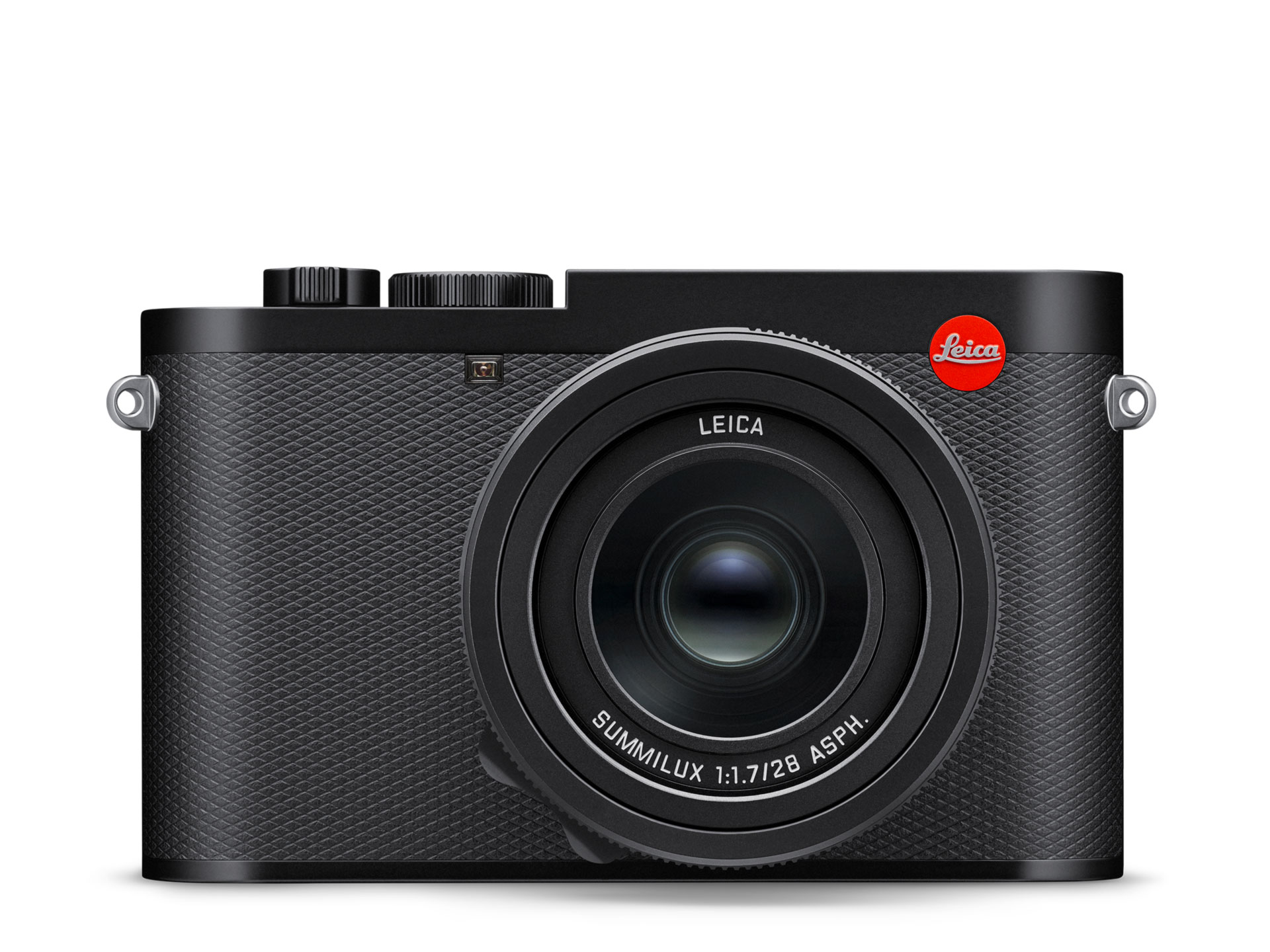
Let’s start with the data that matters. Based on 88 verified sales through secondary market dealers, the average used Leica Q3 price sits at $5,401. That’s just $594 below the $5,995 MSRP — a mere 10% depreciation on a digital camera. In an industry where gear typically loses 40% of value within 18 months, that’s not normal. That’s Leica.
The price spread tells an even more interesting story. Excellent condition Q3s command $5,700-5,900. Good condition units hover around $5,200-5,500. Even well-worn examples — the ones with brassing on the edges and stories to tell — rarely dip below $4,800. Compare that to a Canon R5 or Nikon Z9, where condition can swing prices by $1,000 or more.
Why such a narrow range? Simple supply and demand. Leica produces the Q3 in quantities that would make Apple laugh. Every unit that hits the used market has multiple buyers waiting. When demand perpetually exceeds supply, sellers don’t negotiate. They wait for the right buyer — usually about 72 hours.
Here’s what kills me: I watched a Q3 with 47,000 actuations sell for $5,100 last month. That’s a camera that’s been loved hard. Daily carry territory. And it still pulled 85% of retail. Try that with literally any other brand.
Understanding the Used Leica Q3 Price by Condition
After analyzing those 88 sales, clear patterns emerge around condition grades and pricing. But here’s the thing — Leica condition grading operates in its own universe.
Mint/Like New ($5,700-5,900): These unicorns show zero signs of use. Original box, all accessories, maybe 500 actuations. They surface when someone buys their dream camera then realizes they prefer interchangeable lenses. Or divorce. It’s usually divorce. These sell in hours, not days.
Excellent ($5,400-5,700): Light use, no visible wear, under 5,000 actuations. This represents most Q3s on the secondary market — cameras owned by collectors who baby their gear. The average used Leica Q3 price lives in this range because Leica owners tend to be obsessive about care.
Very Good ($5,100-5,400): Minor signs of use. Maybe slight wear on the grip, a few dust specks internally, 5,000-15,000 actuations. Still performs flawlessly. These offer the best value — $800 off retail for essentially invisible wear.
Good ($4,800-5,100): Honest wear from regular use. Light brassing on edges, grip showing age, 15,000-50,000 actuations. Here’s the secret: these cameras often have the best karma. They’ve been working tools, not shelf queens. And they still command 80% of retail. Unreal.
Note what’s missing? Poor condition. Fair condition. Beater Q3s. They essentially don’t exist in the wild. When a Q3 develops issues, it goes to Wetzlar for service, not the used market.
Why Leica Value Retention Breaks the Rules
Every photography forum has that guy who insists Leicas are overpriced. “It’s just a camera,” he types on his third beer. “My Fuji does the same thing for half the price.” And technically? He’s not wrong. Technically.
But the used Leica Q3 price tells a different story. One about perceived value, craftsmanship mythology, and good old-fashioned supply restriction. Leica doesn’t flood the market. They make exactly enough cameras to maintain six-month wait lists at dealers. Artificial scarcity? Maybe. Effective? Absolutely.
The Q3 specifically occupies a unique position. It’s Leica’s most accessible statement camera. Not entry-level — nothing with a $6,000 price tag qualifies as entry-level. But accessible compared to an M11 with a Summilux. One body. One lens. One decision. Done.
Then there’s the heritage factor. Leica buyers aren’t just purchasing a camera. They’re buying into a century-old story. Henri Cartier-Bresson. Robert Capa. That intangible narrative value shows up directly in resale prices. A Sony might take technically superior images. But it won’t hold 90% of its value. Because it’s not a Leica.
I interviewed a collector last year who owns seventeen Leicas. His perspective? “They’re not cameras. They’re liquid assets that happen to take pictures.” When your camera collection outperforms your 401k, that changes the calculation.
The Q3 vs. Everything Else (Spoiler: There Is No “Else”)
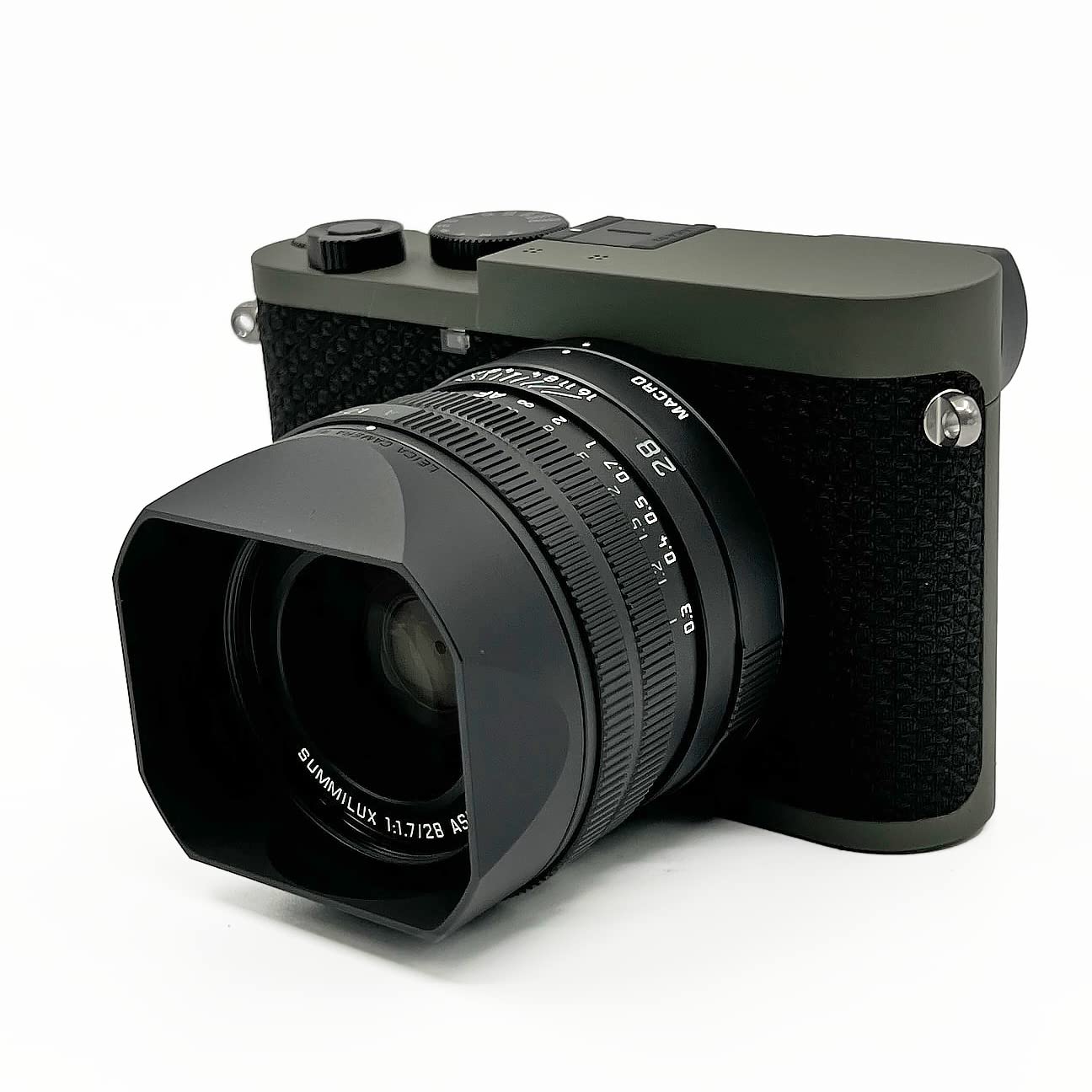
Part of understanding the used Leica Q3 price requires acknowledging what doesn’t exist: direct competition. The Q3 lives alone in its category. Full-frame, fixed 28mm f/1.7, weather-sealed, 60 megapixels, 8K video, Leica glass. Name another camera with those exact specs. I’ll wait.
The closest spiritual competitor was Sony’s RX1R II — discontinued years ago, smaller sensor, slower lens, no weather sealing. Used ones go for $2,200. That’s not competition. That’s a different sport entirely.
The Leica Q2, the Q3’s predecessor, offers an interesting comparison. Used Q2 prices average $3,800 — still remarkable for a 2019 camera, but a full $1,600 below Q3 territory. The difference? 47MP vs 60MP. Tilting screen. Better video. USB-C charging. Incremental improvements that translate to major price gaps.
Some point to Fujifilm’s X100VI as an alternative. Sure, if you consider a Porsche 911 and a Mazda MX-5 equivalent because they’re both sports cars. The X100VI is brilliant. It also has an APS-C sensor and costs $1,599 new. Different league, different game, different conversation.
This lack of competition explains why used Leica Q3 price negotiations rarely happen. What’s the buyer’s leverage? “I’ll go buy something else?” There is nothing else. Leica knows it. Sellers know it. The market has spoken.
Smart Money: When to Buy, When to Wait
After tracking Q3 prices for months, patterns emerge. Small ones, but patterns nonetheless. The used Leica Q3 price dips slightly (we’re talking $100-200) during three windows: post-holiday credit card bills (late January), tax season (April), and oddly, late August when people fund kids’ college tuition.
Geographic arbitrage exists too. NYC and LA sellers price 3-5% higher than midwest listings. International sellers sometimes offer better deals, but import duties and warranty concerns usually eat the savings. I’ve seen European Q3s listed at €4,900 that seem tempting until you math out VAT and shipping.
The real opportunity? Package deals. Occasionally someone sells their entire Leica kit — Q3 plus premium accessories. Extra batteries, leather cases, thumb grips, filters. The camera might be priced at market, but the accessories come at 50% retail. That’s where value lives.
Here’s what doesn’t work: waiting for prices to drop. In six months tracking, the average used Leica Q3 price has moved exactly $47. That’s not a trend. That’s a rounding error. If you’re waiting for Q3s to hit $4,000, pack a lunch. And dinner. And possibly your retirement party.
The Q4 announcement could change things. Maybe. But Leica’s track record suggests otherwise. Q2 prices barely flinched when the Q3 launched. Different cameras for different shooters, apparently. The used Leica market doesn’t follow normal depreciation logic.
The Bottom Line on Q3 Value
So what have we learned from 88 sales and countless hours analyzing the used Leica Q3 price landscape? First, that $5,401 average isn’t dropping anytime soon. Second, condition matters less than with any other camera brand. Third, if you’re waiting for a deal, you’re waiting for Godot.
The Q3 represents something unique in digital photography: an appreciating asset masquerading as a camera. While your laptop, phone, and literally every other piece of tech races toward worthlessness, the Q3 sits there, smirking, holding 90% of its value like it’s 1955 and depreciation hasn’t been invented yet.
Is it worth it? That depends entirely on whether you see cameras as tools or investments. As expenses or assets. As gear or grail. The market has voted. Overwhelmingly. The used Leica Q3 price reflects not what the camera costs to make, but what it’s worth to own. And apparently, that’s almost everything.
Browse the current selection of Leica Q3 listings on GearFocus — inventory moves fast. Or if you’re sitting on a Q3 and curious about the market, list it with us. Our 8.5% total fees mean you keep more of that impressive resale value. Because if you’re going to own a camera that defies depreciation, you might as well maximize the return.
FAQ
What is the current used Leica Q3 price range?
Based on 88 verified secondary market sales, the used Leica Q3 price typically ranges from $4,800 to $5,900, with an average of $5,401. Mint condition examples command $5,700-5,900, while well-used units rarely drop below $4,800. This represents only 10-20% depreciation from the $5,995 retail price, making the Q3 one of the best value-holding cameras available.
Why do Leica Q3 cameras hold their value so well?
The strong used Leica Q3 price stems from multiple factors: extremely limited production quantities, no direct competition in the full-frame fixed-lens category, Leica’s heritage brand value, and exceptional build quality. Unlike mass-produced cameras that flood the used market, Q3 supply remains perpetually below demand. This scarcity, combined with the camera’s unique feature set and Leica’s reputation, creates a seller’s market where depreciation follows luxury goods rules rather than typical electronics.
Should I wait for prices to drop before buying a used Q3?
Historical data suggests waiting for a significant drop in the used Leica Q3 price is futile. Over six months of tracking, average prices moved less than $50 — essentially flat. Even the announcement of a potential Q4 is unlikely to dramatically impact values, as the Q2 maintained strong prices after the Q3 launch. If you need a Q3, buy when you find one in good condition at fair market value. The opportunity cost of waiting typically exceeds any potential savings.
Own one like this?
Make room for new gear in minutes.
