The Camera You Threw Away Is Now the Most Interesting Camera
GearFocus
Feb 25, 2026
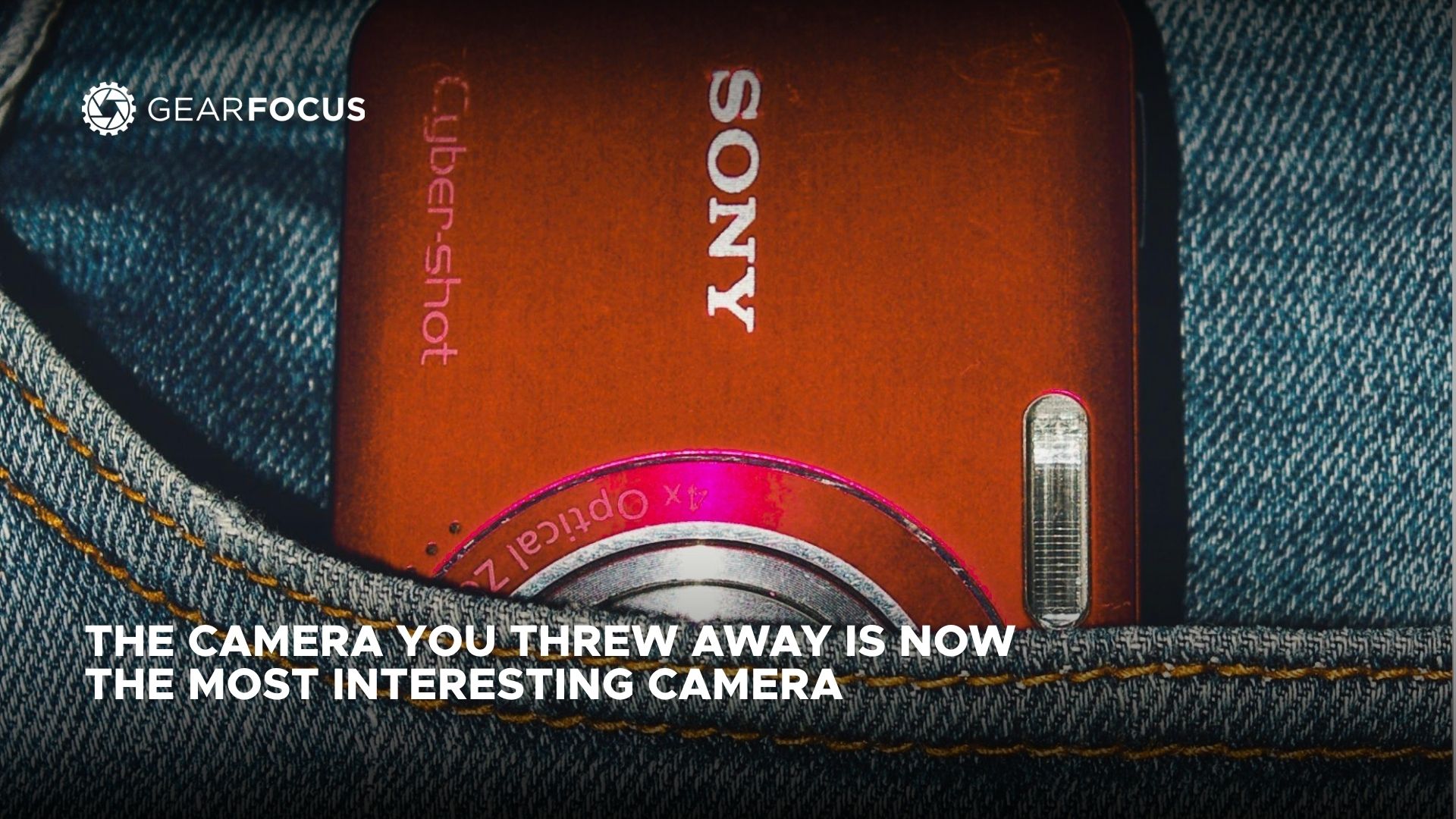
Key Takeaways
- The digicam revival is emotional, not technical. Creators want feeling and character — not higher resolution.
- Imperfect lighting and harsh flash now signal authenticity. What was once considered “bad” is now visually distinct.
- Nostalgia plays a major role. Early 2000s digital aesthetics feel personal and human in a hyper-polished world.
- The trend challenges the upgrade culture. Older gear can create culturally relevant work without chasing specs.
- Imperfection stands out. In a feed full of smooth, cinematic content, raw images capture attention.
The digicam — that chunky, plastic point-and-shoot you probably associate with awkward school photos and blurry birthday parties — is making a genuine comeback, and not because people suddenly forgot how good modern cameras are. The revival is emotional, not technical. Creators aren’t reaching for these old machines because they deliver better images. They’re reaching for them because they deliver better feelings.
A decade of chasing technical perfection — cleaner sensors, flawless autofocus, silky bokeh — quietly produced a visual monoculture. Every image started to look like every other image. The digicam, with its harsh flash, strange color rendering, and total refusal to flatter anyone, disrupts all of that. Imperfect lighting and blown-out highlights used to mean you did something wrong. Now they signal that you did something intentional.
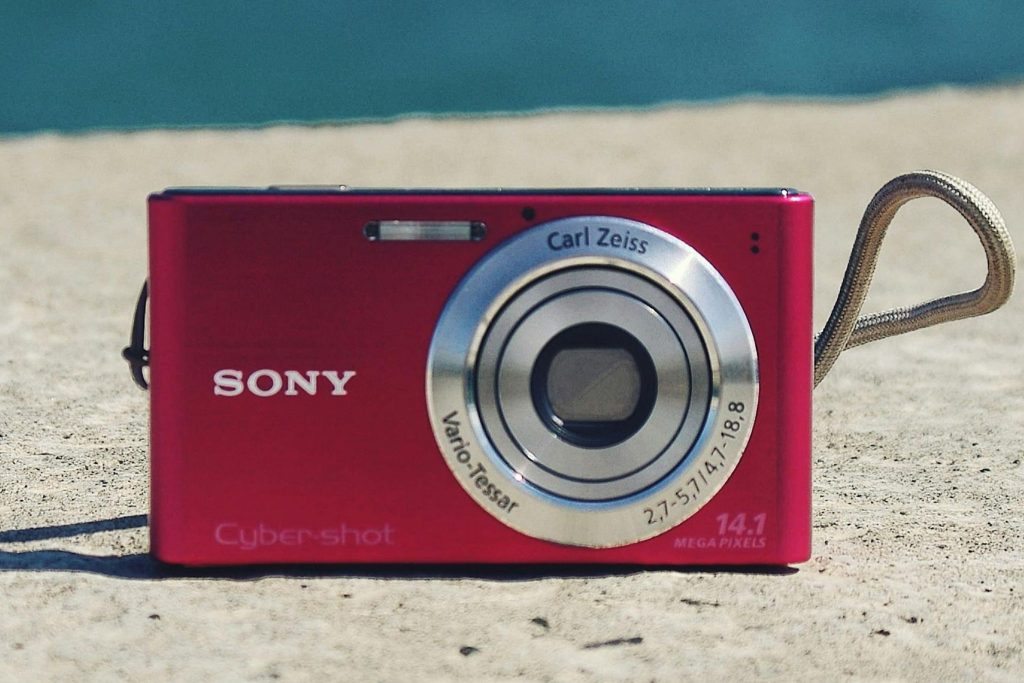
For Gen Z, the early 2000s aesthetic isn’t retro — it’s childhood. Those overexposed, slightly blurry shots from a decade before Instagram carry a warmth that no preset can fake, because they were never made for an audience. They were just made. That nostalgia is real, but it’s only part of the story. The bigger shift is this: creators have started treating constraints as creative tools. A camera that can’t rescue your shadows forces you to think about your shadows. A flash you can’t soften forces you to commit to the moment. Limitation, it turns out, is a pretty good teacher.
None of this means you should throw out your mirrorless. But it does mean your old gear might be more creatively relevant than you think — and that the next interesting image you make might come from the camera you stopped using, not the one you’re saving up for.
It’s 11 p.m. at a birthday party. Someone pulls out a small plastic camera — chunky, silver, with a built-in flash that fires like a camera from your middle school years. They hold it up. The flash pops. Everyone flinches. Then everyone leans in to look at the screen.
The photo is bad. Overexposed foreheads. Red eyes. That particular greenish tint you only get from a 2004 CCD sensor.
And somehow — it’s the best photo of the night.
This is where we are in 2025. The digicam — the compact digital point-and-shoot that smartphones quietly killed off a decade ago — is back. Not as a joke. Not as irony. As a genuine creative choice made by photographers, filmmakers, and visual storytellers who know exactly what they’re doing.
The question worth asking: why? Because the answer tells you something important about creativity right now — and about the gear you might already own.
We Optimized Our Way Into a Corner
For the last decade, camera technology chased one direction: perfection. Cleaner ISO. Wider dynamic range. Flawless skin tones. Better, better, better.
Review culture reinforced it. We watched comparison videos. We debated autofocus algorithms. We read noise charts like they were scripture. And the images we produced became — objectively — extraordinary.
They also started looking the same.
Scroll through Instagram right now and count how many images share the same palette: warm shadows, lifted blacks, subtle skin tones, cinematic bokeh. Beautiful? Yes. Distinctive? Increasingly, no. When everyone has access to the same tools optimized for the same look, the look becomes wallpaper.
The digicam doesn’t play that game. It has a small sensor that struggles in low light. Its flash is direct and unapologetic. Its colors run strange. Highlight rolloff? Forget it.
These are not bugs. They’re the whole point.
What “Bad” Looks Like When It’s Intentional
There’s a photographer I know — shoots weddings, runs a successful studio — who started keeping an old Canon PowerShot in her bag last year. Not as a backup. As a second creative layer.
“The mirrorless gets the moments,” she told me. “The digicam gets the feeling.”
That distinction matters. Technical accuracy captures what happened. Character captures what it felt like. The digicam, with all its flaws, often lands closer to the second.
Direct flash is the clearest example of this. For years, photographers were taught to avoid it — harsh, unflattering, amateur. Photography classes and YouTube tutorials treated it like a beginner’s mistake to be corrected. And technically, that’s true. Direct flash can be unforgiving. It lights faces like a deer caught in headlights. It creates shadows that fall at strange angles. It reveals every pore, every blemish, every tired eye.
But direct flash is also honest in a way that a softbox never quite is. It doesn’t pretend the light is something it isn’t. It doesn’t flatter. It doesn’t sculpt. It just exposes — baldly, directly, without apology. It freezes a moment with zero ambiguity. It says: this happened, right here, right now. No retouching. No diffusion. No lighting diagram.
In a feed full of carefully diffused LED panels and color-graded warmth, that bluntness stands out. It reads as confidence, not carelessness. The same way a writer who uses a one-word sentence in the right moment sounds sharper than the one who always rounds every corner with a qualifier.
Nostalgia Is Real — But It’s Not the Whole Story
Yes, Gen Z grew up with these cameras. Early 2000s digital aesthetics — that particular flatness, that overexposed shimmer — feel like childhood in image form. And nostalgia is powerful. It softens edges and adds emotional weight that no preset can fake.
But the digicam revival isn’t only sentimental. It’s also contrarian.
Those early 2000s photos weren’t taken for algorithms. There were no algorithms. There was no “content strategy.” Someone grabbed a camera at a birthday party and pressed the button. The flash fired. People were overexposed. Nobody was posed. The whole thing lasted about three seconds and nobody thought twice about it.
That casualness — that complete lack of intention — is exactly what today’s creators are trying to borrow back. Not the technical limitations. The emotional permission. The freedom to make something that isn’t optimized for anyone except the people in the room.
When creators use digicams today, they’re stepping deliberately outside a content system built around frictionless polish. They’re signaling: I’m not performing. I’m documenting.
That’s not nostalgia. That’s a creative statement.
What Constraints Actually Do to Your Creativity
Here’s something most gear conversations miss: limitations force decisions. And decisions are where style comes from.
When a camera can’t recover your shadows, you learn to expose for them. When your only light source is that ugly built-in flash, you figure out how to make it say something. When there’s no eye-tracking autofocus, you get closer. You commit.
The gear arms race — the endless upgrade cycle that promises creative potential lives in the next body — quietly trains you to rely on the camera’s intelligence instead of your own. Shoot a thousand frames, let the AI sort it. Fix it in post. The tools get smarter; your instincts get softer.
A digicam doesn’t let you off the hook. You have to know what you’re doing — or at least commit to not knowing and see what happens. Both produce more interesting results than perfect technical execution without intention.
Think of it this way: a beginning guitarist practicing on a beat-up acoustic with stiff strings develops stronger fingers than one practicing on a perfectly set-up electric with light gauge strings. The friction is the training. The limitation is what builds the muscle. When you remove every obstacle, you also remove the resistance that forces you to grow.
Fashion Noticed. That’s Worth Paying Attention To.
Major fashion campaigns are incorporating the digicam look. Not budget campaigns — luxury brands. The ones that once defined perfection as their brand identity are now flirting with grain, harsh flash, and washed-out tones.
This isn’t an accident, and it’s not ironic. Fashion is one of the most trend-sensitive industries on Earth. When it moves toward something, it’s because a very large number of very smart, very well-paid people looked at consumer behavior and decided it was the right move. When luxury fashion — the aesthetic category most associated with aspiration and refinement — starts embracing images that look like they were shot on a $40 camera from a thrift store, something real has shifted in the culture.
What shifted is this: audiences trust brands that feel human. Perfection creates distance. It puts the brand on a pedestal and the audience below it. Imperfection collapses that gap. It says we’re in this moment together. It says this is real life, not a set.
Photographers who understand this are ahead. The ones still chasing technical perfection as their differentiator are solving the wrong problem. The question isn’t how clean your image is. The question is how much your image feels like something.
So: Is This a Phase?
Probably, in its current form. Specific aesthetics cycle. The digicam look will eventually feel dated again — and something else will rise to replace it. Film photography went through the same arc: forgotten, rediscovered, trendy, eventually absorbed into the broader visual vocabulary without much fanfare.
The digicam will likely follow the same path. A few years from now, the aesthetic will be so widely used and so easily replicated by filters and presets that the original hardware will lose some of its appeal. That’s how these things go.
But the underlying shift — away from technical perfection as the primary creative goal and toward character, feeling, and intentional imperfection — feels more durable. That shift didn’t start with the digicam and it won’t end with it. It’s a broader reordering of what creators and audiences actually value.
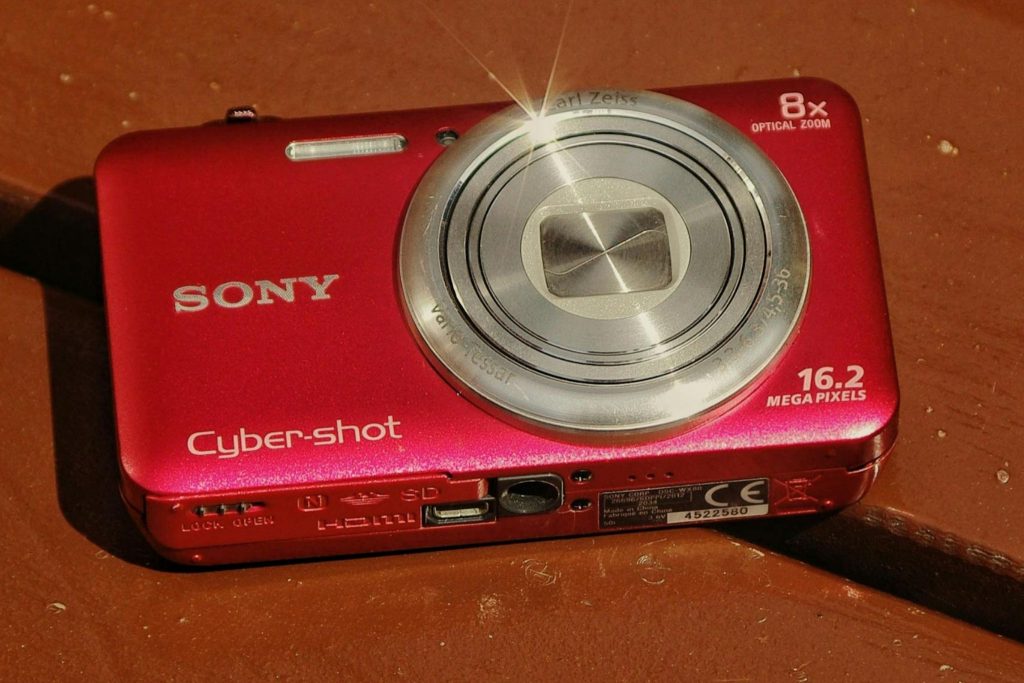
Creators have figured something out: technology will keep improving. Cameras will keep getting sharper, smarter, more capable. The distinguishing factor in that world isn’t gear. It’s taste. And taste can’t be bought. It can’t be upgraded. It can only be developed — slowly, through experimentation, failure, and paying close attention to what actually moves people.
The digicam is popular not because it’s technically superior. It’s popular because it has personality — and because the people using it made a deliberate choice to use it. That deliberateness is what translates. It always does.
What This Means If You’re Looking at Your Gear Differently Now
If you own older gear, this moment is a reminder that creative tools don’t expire on the timeline that marketing cycles suggest. Equipment you wrote off years ago might be exactly what produces your most interesting work right now. Pull it out of the drawer. Put a battery in it. See what it says.
If you’re new to photography and feel like you’re behind because you can’t afford the latest mirrorless system — stop. The digicam revival is proof that the camera in your hand, however old and limited, is enough to make something worth looking at. What it lacks in specs, you make up for in intention.
If you’re curious about experimenting with the digicam aesthetic, the original hardware is out there and more accessible than you might think. The Canons, Nikons, Sonys, and Casios from the early-to-mid 2000s are widely available from photographers who’ve upgraded and moved on. Expect to pay anywhere from $50 to $300 depending on the model and condition — a fraction of what a single lens costs on a modern system.
And if you have older gear sitting unused — digicams included — the right buyer for it is another creator who understands what it is and what it can do. On GearFocus, that’s exactly who’s looking.
Art moves in cycles. Clean gives way to character. Smooth gives way to texture. And sometimes, the camera that once seemed like a step backward turns out to be the thing that makes your work stand apart from everyone still chasing perfect.
Remember that the moment is always more interesting than the megapixels.
Own one like this?
Make room for new gear in minutes.
