- Buyer protection on every order
The Black Friday Gear Rush Is Coming — Here’s Why Smart Creators Are Listing Before Everyone Else
Ysa Canlas
Nov 21, 2025
Key takeaways
- List before the rush. Early listings get attention, better offers, and a calmer negotiation window—exactly what thoughtful creators want.
- Verified sellers win trust. When a buyer knows the seller is verified, they browse with confidence and are likelier to purchase early.
- A little friction = big safety. Verification, real photos, and the 48-hour verification window make buying used gear reliable without killing momentum.
- Quality attracts higher bids. Clean photos, specific titles, and honest descriptions turn casual browsers into committed buyers—especially before Black Friday noise.
- Community beats chaos. Selling to fellow creators means your gear lands in hands that value it—and often, that value shows up in the final price.
The Black Friday Gear Rush Is Coming — Why Smart Creators List Before the Crowd (and How Verification Makes It Work)
Black Friday has become a season more than a day. The ads begin, the wish lists grow, and every marketplace fills with impulse buys and bargain hunters. For creators—photographers, filmmakers, and hybrid shooters—this is opportunity and chaos rolled into one.
If you’re thinking “I’ll list my kit on Black Friday for peak traffic,” you’re following the crowd. That’s not a strategy. It’s noise.

The creators who actually sell well on Black Friday are the ones who listed early, polished their listings, and let the market find them in the quieter weeks before the peak. Add a verified-seller system and a calm timeline, and you get something better than a one-day sale: you get confident buyers, better offers, and fewer headaches.
Here’s the elegant truth: listing before Black Friday—coupled with verified-seller credibility—turns the seasonal sprint into a strategic climb. This article walks through why that’s true, and how to put it into practice without fuss.
The common mistake: waiting for a crowd to notice you
Most sellers think attention equals success. That’s half right. Attention matters—but so does context.
On Black Friday, everyone’s attention is split across flash sales, retailer ads, and hundreds of competing listings. That creates a shallow kind of attention: fast scrolling, quick clicks, and decisions that favor glossy promotions over careful inspection. Used gear doesn’t sell well on impulse because it’s specific. Buyers want confidence.
Two things set smart sellers apart:
- They appear early in the buyer journey.
- They give buyers tangible reasons to trust them.
When a listing lands during the quiet phase—two to three weeks before Black Friday—it enjoys longer dwell time and repeated views. Potential buyers add it to their mental shortlists. By the time budgets are unlocked, the seller’s item is already familiar. Familiarity reduces friction. Familiarity sells.
Why verification amplifies the early-listing advantage
Verification is not a sticker. It’s a trust mechanism that reshapes behavior.
On generic marketplaces, anonymity is the norm. You see a great lens and you have to gamble. That hesitance kills impulse that might otherwise have been converted into early purchases. Verified marketplaces change that dynamic.
Here’s how verification helps early listings convert:
- Trust transfer. When a platform confirms a seller’s identity and standing, buyers’ natural skepticism fades. They’re willing to move faster because they feel protected.
- Accountability. Verified sellers have a reputation to protect. They describe gear carefully, post honest photos, and respond quickly. That behavior encourages early offers and fewer disputes.
- Better buyers. Verified ecosystems attract serious creators—people who will pay fair prices for well-documented gear rather than hunting for suspiciously low deals.
- Policy backing. A 48-hour verification period after delivery gives buyers space to test and confirm. That safety net is especially compelling during a holiday season when emotions (and budgets) run high.
Put simply: verification turns your early listing from “an interesting find” into “a safe, credible purchase.” When buyers see that, they’re likelier to act before the crowd arrives.
The buyer timeline: how attention builds (and where you fit in)
Think of the Black Friday shopping curve like this:
- 2–3 weeks before — Buyers browse, make wish lists, compare specs, and save listings.
- 7–10 days before — Buyers get serious. They message sellers, ask questions, and test price boundaries.
- Black Friday week — The market floods. Choice paralysis and lowballing spike.
- After the weekend — Secondary buyers hunt leftovers and bargains.
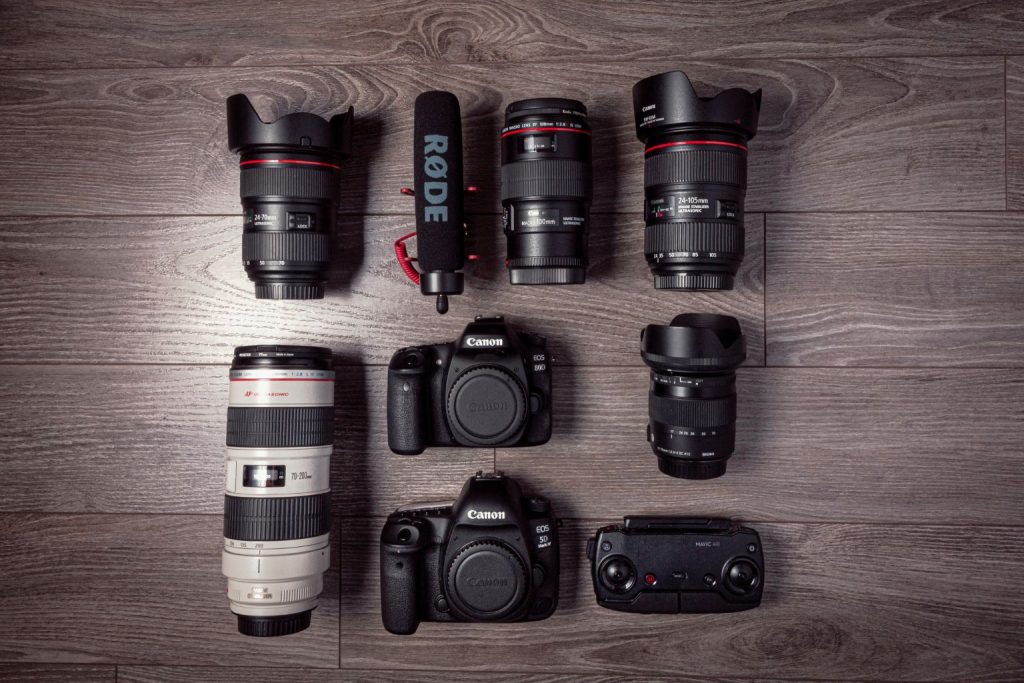
Why Smart Creators Are Listing Before Everyone Else this Black Friday.
If your listing appears early and looks professional—with verification visible—you’re present for the research phase and front of mind when buyers return to purchase. That means you get:
- more watchers,
- warmer inquiries, and
- offers that reflect the real market value of your gear.
In contrast, late listings stumble into a day where buyers are distracted. Your item can vanish under a thousand new posts. Worse: you end up negotiating with price-hungry browsers who expect deep discounts because they’re hunting in the middle of the storm.
Six practical moves to make your early listing irresistible
Listing early wins attention. Doing it well wins the sale. Here are six concrete steps that perform like quiet magic:
1. Photos that tell the truth (and the story)
Use real photos only—no stock. Show multiple angles, serial numbers, the mount, wear points, and any accessories. A clean sensor shot or short sample file for cameras adds massive credibility.
2. Title with useful specifics
Skip vague buzzwords. “Canon R6 II — 12k shutter, clean sensor, original box, 24–70 kit available” says more than “Canon R6 in great condition.” Be factual. Be searchable.
3. Be transparent on condition and history
Shutter count, firmware updates, service history, and how the item was used matter. A small scratch is worth a line of explanation. Transparency reduces returns and increases trust.
4. Price to be noticed, not to be given away
Competitive but fair pricing attracts watchers in the research phase. Don’t race to the bottom. Verified buyers will value honesty and will often pay near-market rates for trust.
5. Respond within hours, not days
When early shoppers ask a question, reply promptly. Speed signals professionalism and keeps your sale moving while interest is highest.
6. Refresh your listing as Black Friday draws near
A small update—extra photos, clarified specs, or a note about bundled accessories—pushes your listing back into visibility and shows you’re actively engaged.
HOW TO PRICE (FAST)
Before Black Friday hits full speed, you need a pricing structure that helps buyers understand the value of your gear at a glance. A clear Initial Price paired with a smart Sale Price gives buyers confidence and keeps your listing competitive without cutting too deep. This simple system works because it mirrors how shoppers already think during deal season.
Here’s the simplest, creator-friendly pricing system for Black Friday prep:
Initial Price:
Set the Initial Price at current new-retail price for your exact model.
If you can’t find it, search your model number on Google Shopping and pick the highest sale price you see.
Sale Price:
Your Black Friday promo price.
This creates a clear markdown during the event and signals value to buyers who saved your listing early.
This two-price system helps you win the research phase and the buying phase.
The goal isn’t to slash your price—it’s to anchor it. When you show buyers both the real retail value and your seasonal offer, you keep control of the negotiation and draw in serious shoppers early. Smart pricing sets the tone for the entire listing.
HOW TO LIST
A great listing doesn’t need to be complicated. Buyers want clarity, honesty, and real photos—nothing more. This quick flow gets your gear online fast while giving buyers every detail they need to trust what they’re seeing.
The fastest path from idea to live listing:
- Log in → Sell → pick your category
- Upload real photos (no stock)
- Add condition + key details
- Set Initial Price + Sale Price
- Choose shipping + payout
- Publish
Simple. Honest. Effective.
A clean listing gives buyers confidence and keeps questions to a minimum. When you make it easy for someone to understand your gear at a glance, you shorten the path from inquiry to offer—and that’s the whole game during Black Friday season.
TIPS TO SELL FASTER
If you want momentum before the rush, focus on the small details that make your listing feel cared for. Buyers move faster when a listing looks intentional, complete, and created by someone who knows what they’re doing.
These small levers move big results:
- Use a clean hero photo
- Be specific about condition
- Add a small bonus (battery, strap, card)
- Keep everything on-platform for protection—for you and your buyer
When buyers feel cared for, they move faster. Listings like these convert before the crowd even shows up.
These tweaks take minutes but change how buyers perceive your listing. In a season where scroll speed is high, the listings that stop thumbs are the ones that feel thoughtful. Give buyers that moment of clarity, and they’ll reward you with quicker offers.
The small friction that protects everyone
If the internet worships frictionless, verification asks for a small pause. It asks: show ID, verify your activity, post real photos. That extra step filters out a lot of bad actors and encourages higher-quality listings. The result? Less drama and more deals that stick.
The 48-hour verification window after delivery deserves another look. It doesn’t slow commerce; it preserves value. Buyers get time to test; sellers avoid scams and bad faith returns. In a busy season, that two-day safety valve is the difference between a satisfied customer and a drawn-out dispute.
Community value: why selling to creators changes the outcome
There’s an overlooked premium that comes with a creator-centric marketplace: empathy. Photographers and filmmakers understand gear. They value low shutter counts, clean optics, and proper maintenance. They also respect provenance—the story behind the equipment.
When you sell on a platform built for creators, your buyer is more likely to:
- treasure the gear,
- use it professionally, and
- share a positive review or return to buy—and list—again.
That’s how a verified marketplace becomes an engine for the creator economy: gear circulates fairly, sellers keep more of the value, and buyers get tools they can trust.
Final word: lead the season, don’t chase it
If you want your kit to sell for the right price this Black Friday, don’t be the person shouting into a crowded room. Be the calm shop on the street where everyone goes first.
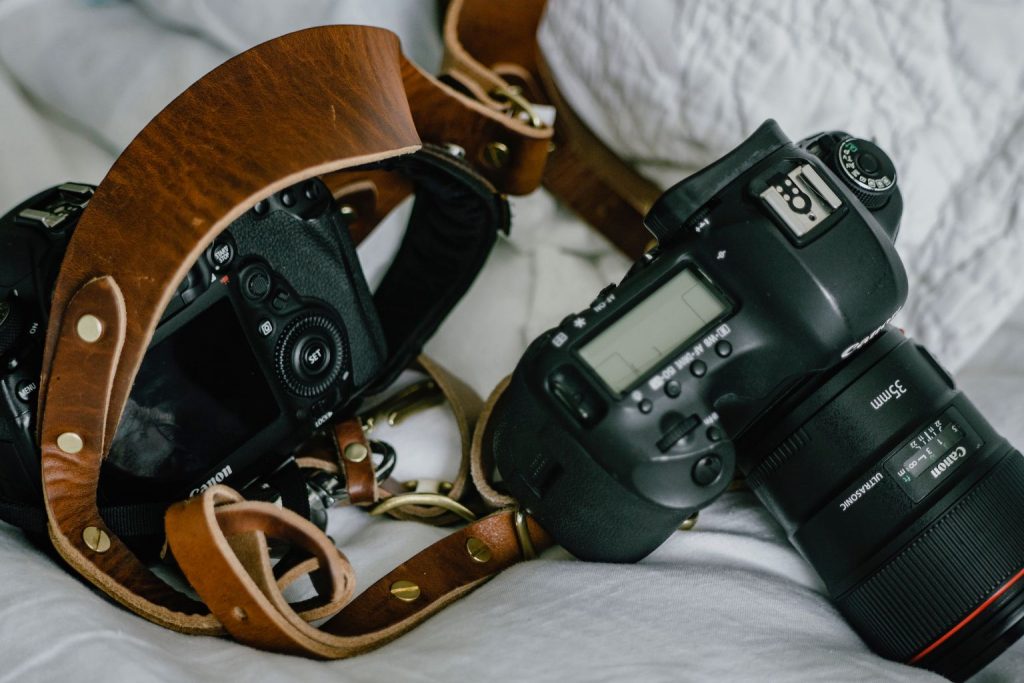
Why Smart Creators Are Listing Before Everyone Else—and getting better offers.
List early. Be honest. Show real photos. Use verification to your advantage. Answer quickly. Price sensibly. These small choices create a big outcome: faster sales, fewer returns, and better offers—without the fatigue.
Black Friday rewards preparation. On a platform where every seller is verified and every listing is authentic, preparation becomes your edge.
List before the rush. Let buyers find your gear when they’re thinking clearly. Let them buy with confidence. That’s not a gamble. It’s good selling.
Own one like this?
Make room for new gear in minutes.
