Skip to product overview

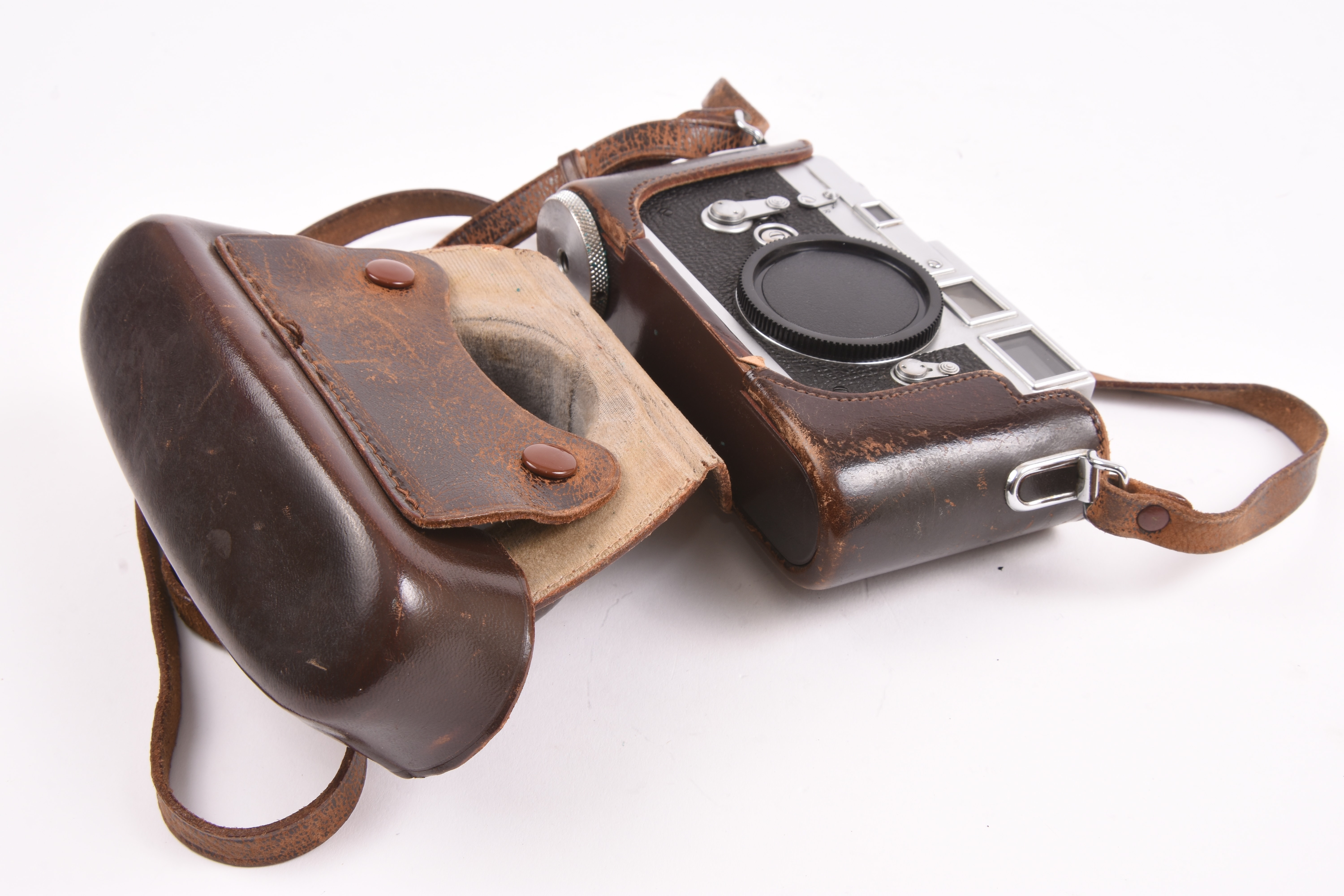
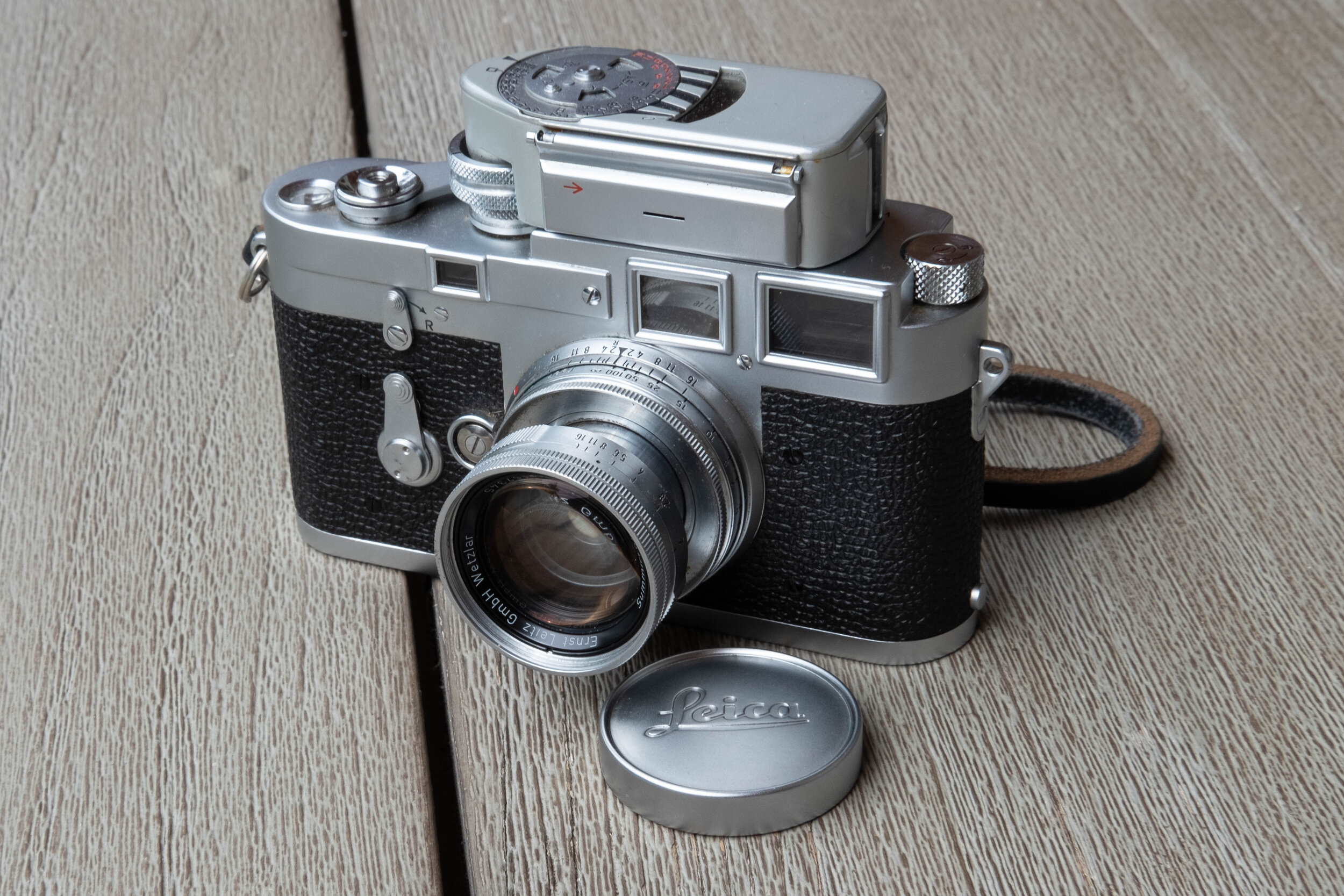
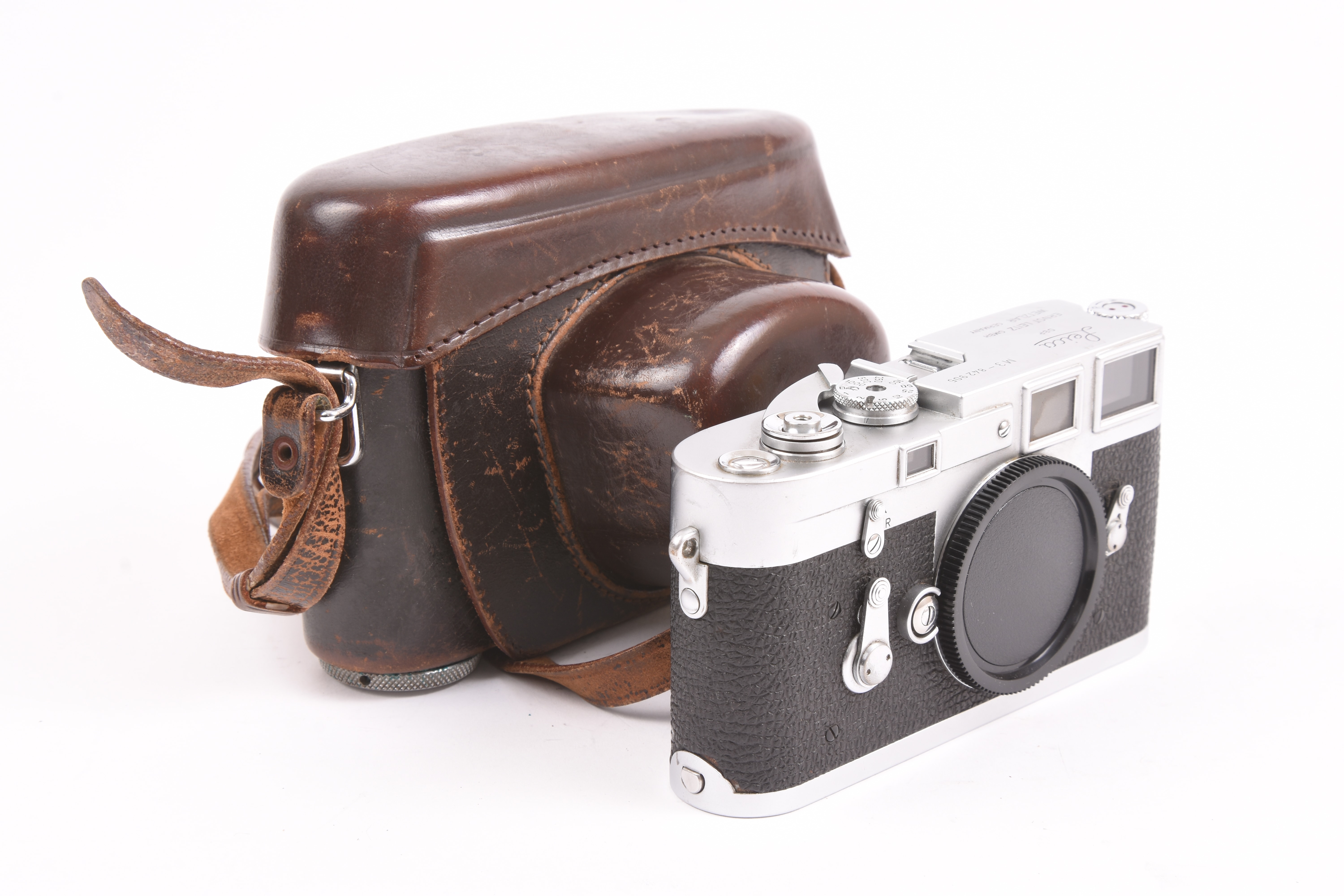
Leica M3 DS Film Camera

The Leica M3 DS is a film camera from Leica — known for its Double Stroke Film Advance and Leica M Lens Mount. Used copies start from $1,299.99 on GearFocus, with buyer protection on every purchase.
Leica M3 DS Film Camera
Leica M3 DS Film Camera

Own One Like This?

Make room for more gear in minutes!

Sell your Leica M3 DS on GearFocus

Used Leica M3 DS Listings on GearFocus
Leica M3 DS Chrome Engraved serviced EPR 2-26 #46257

Good

$1,299.99

🤝 Trusted Partner

🚚 Free Shipping

Camera OverviewLeica M3 DS

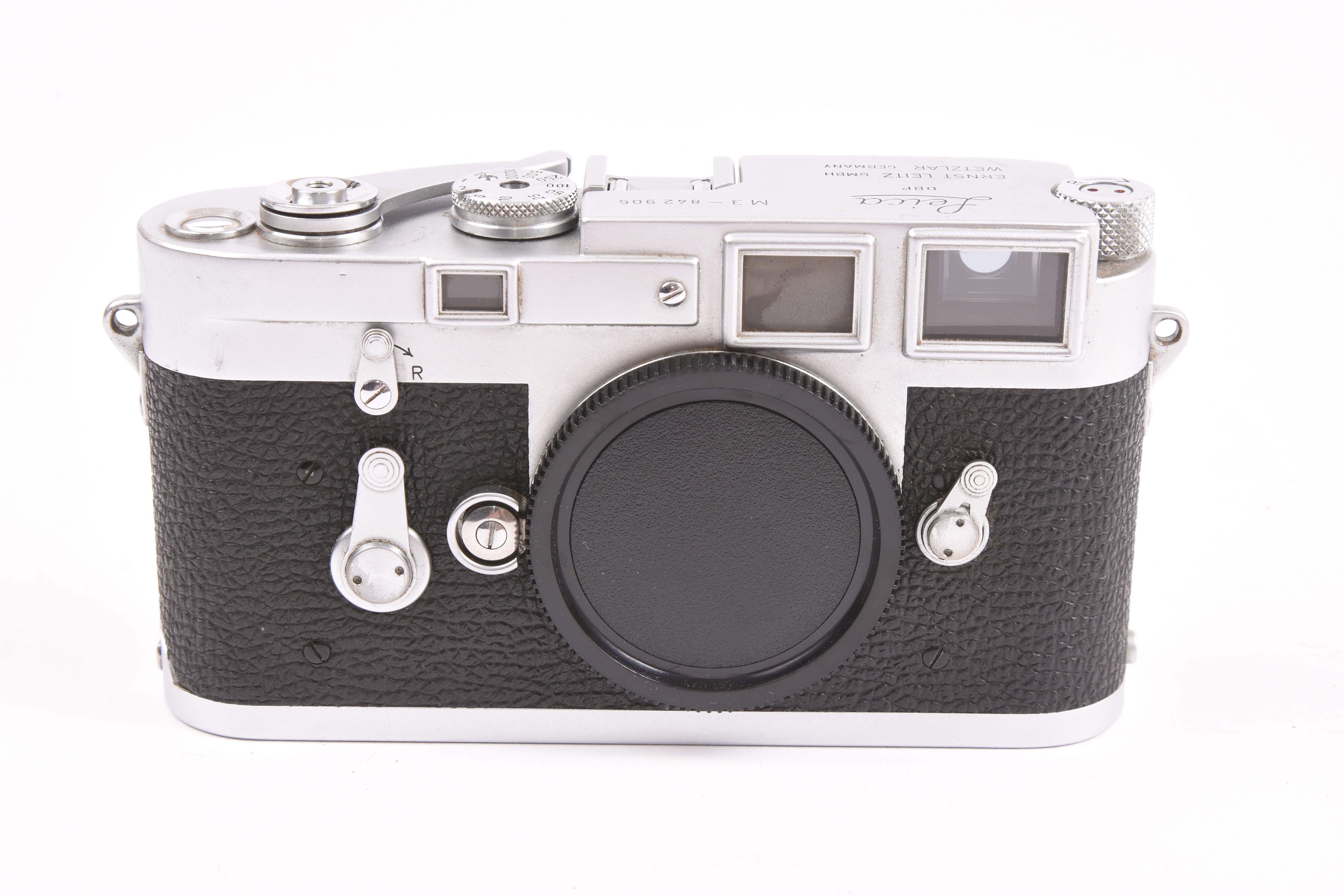
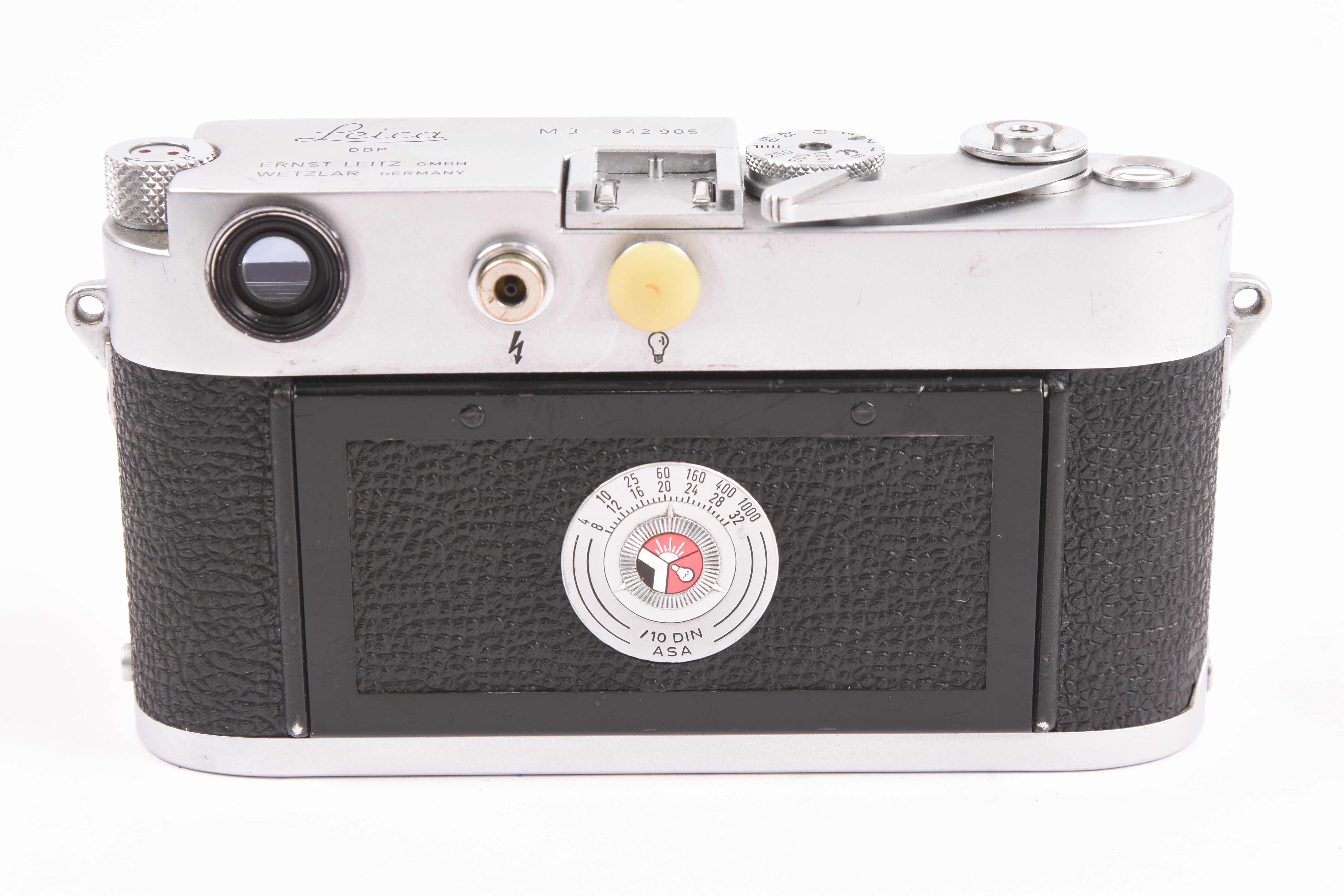
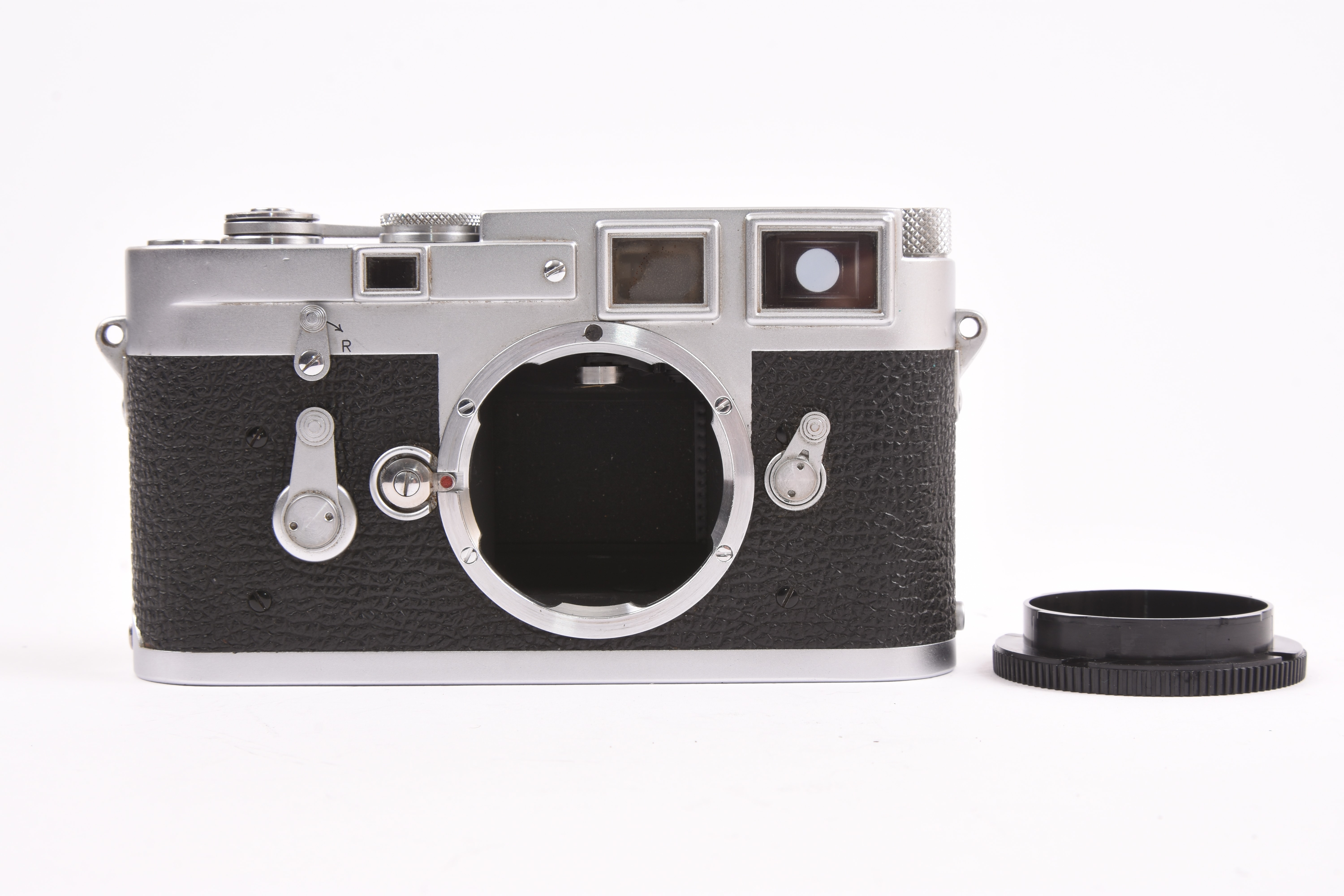
The Leica M3 DS is a rangefinder film camera manufactured between 1954 and 1966, represented here as a Double Stroke variant from the 1950s decade of production. Built around the Leica M lens mount, it accepts interchangeable M-mount lenses including rangefinder-coupled optics, allowing for precise focus confirmation through the coupled rangefinder system. The camera loads standard 35mm film, making it straightforward to source compatible stock today.

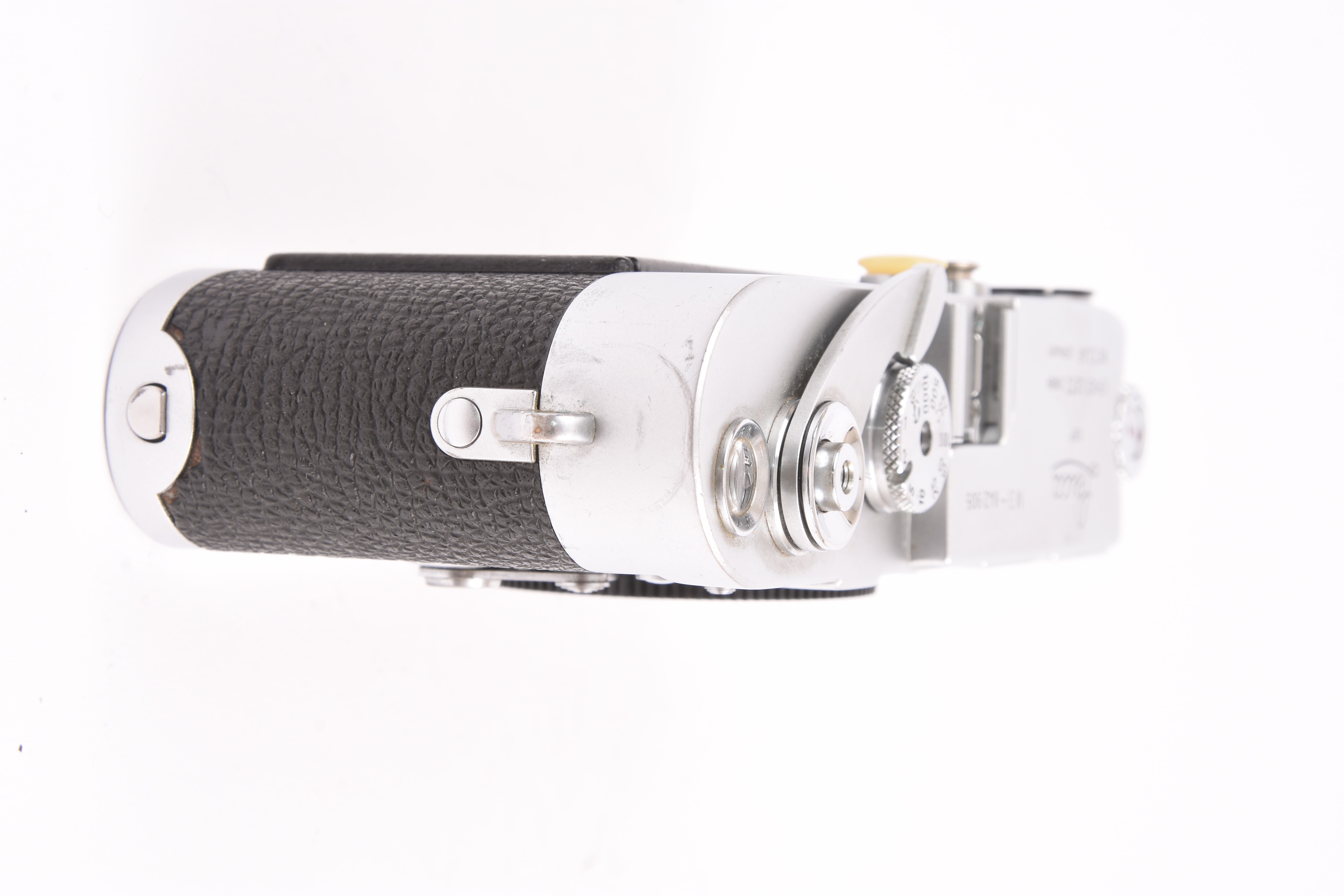
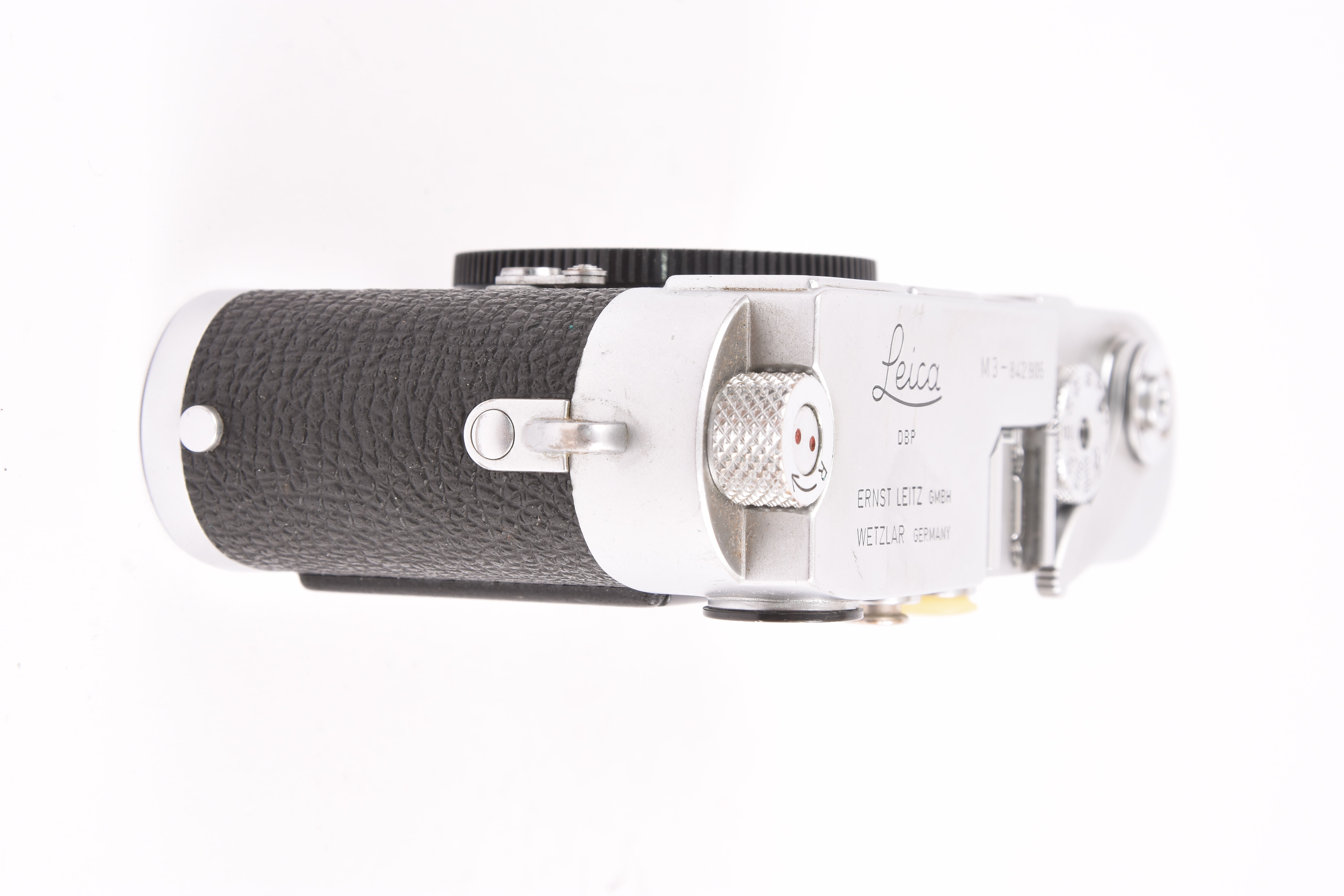
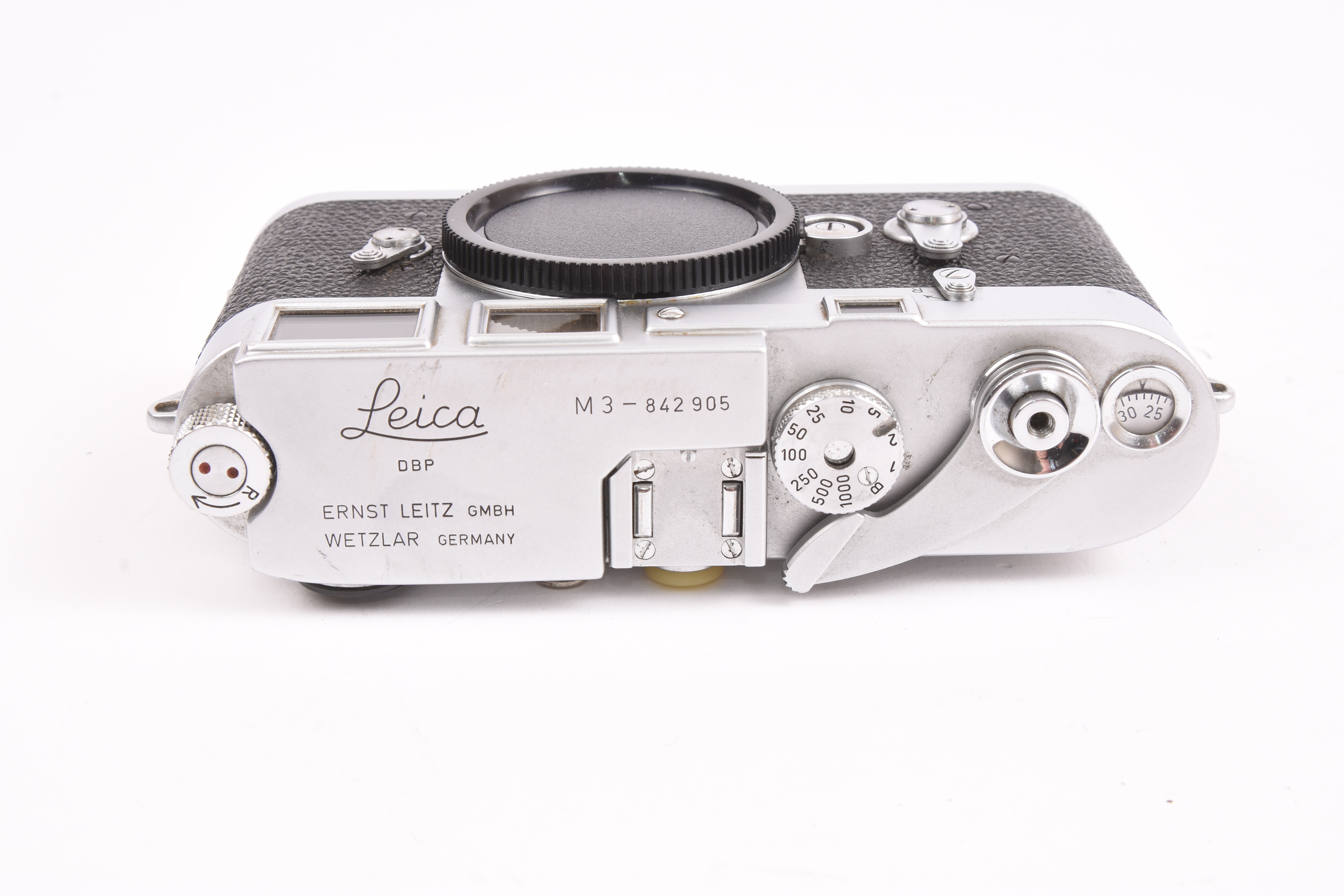
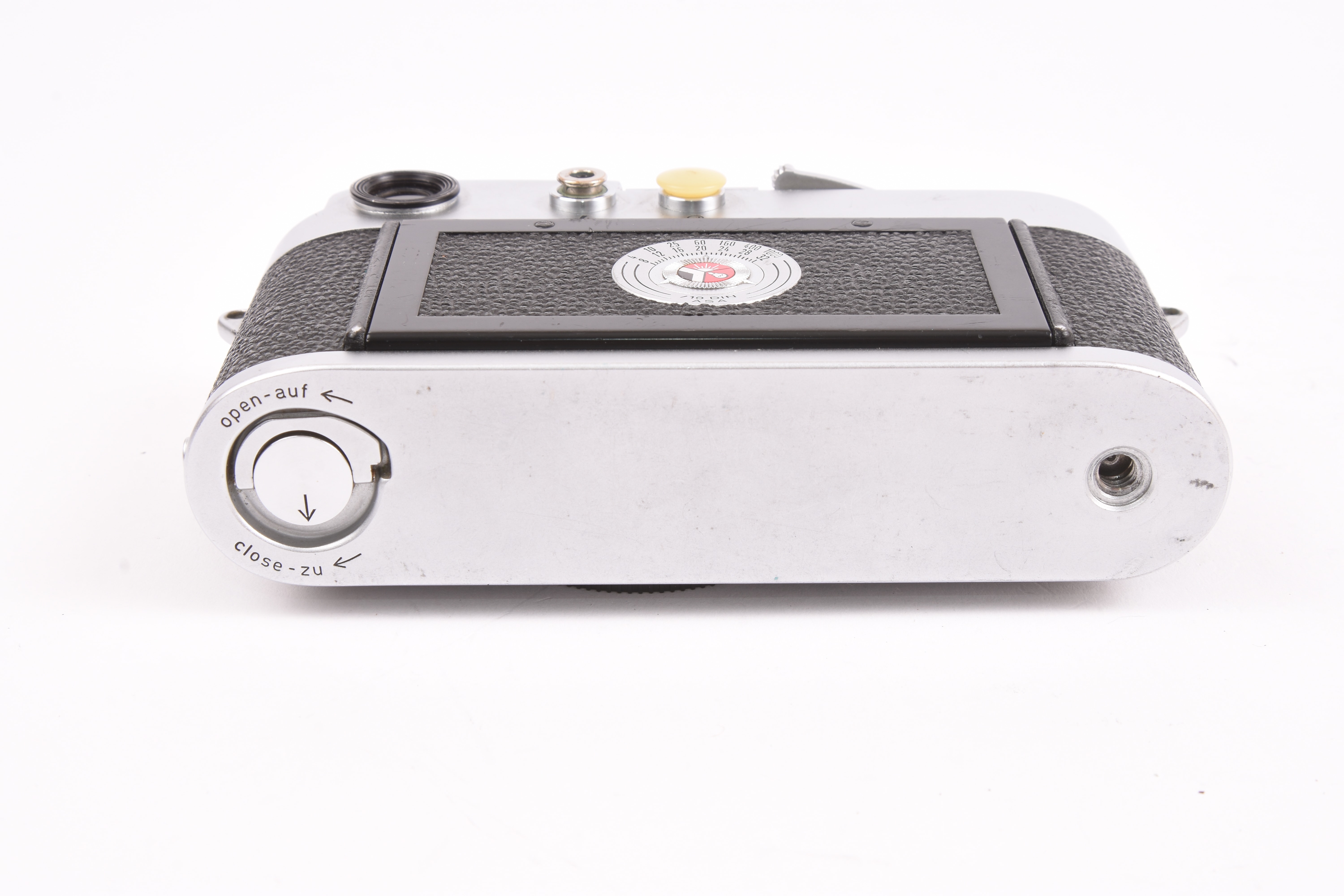
It is equipped with a focal plane shutter and uses a cold shoe for flash accessories rather than a hotshoe, an important practical distinction for shooters planning to use flash. The camera weighs 580g, a solid and reassuring heft that reflects its all-metal construction from that era. Lens compatibility extends to any interchangeable Leica M-mount lens, and the rangefinder-coupled design means focus is confirmed directly through the viewfinder rather than by eye estimation alone.

As a vintage rangefinder from the 1950s, the M3 DS occupies an important place in photographic history and remains a functional shooting tool for those committed to 35mm film photography. Its double-stroke film advance mechanism is the defining characteristic separating it from the single-stroke M3 variants that followed.

Key FeaturesLeica M3 DS

Double Stroke Film Advance: The defining feature of the DS variant, requiring two strokes to advance the film, distinguishing it from the later single-stroke M3 models.

Leica M Lens Mount: Accepts the full range of Leica M-mount lenses, including modern optics, giving shooters access to one of the most extensive rangefinder lens ecosystems available.

Coupled Rangefinder System: Focus is confirmed through the viewfinder via a coupled rangefinder patch, allowing precise focus without estimating distance by eye.

0.91x Magnification Viewfinder: The M3 features the largest viewfinder magnification of any M-series camera, making it particularly well suited to 50mm lenses.

Focal Plane Shutter: A horizontally-travelling cloth focal plane shutter provides reliable exposure control across a range of lighting conditions.

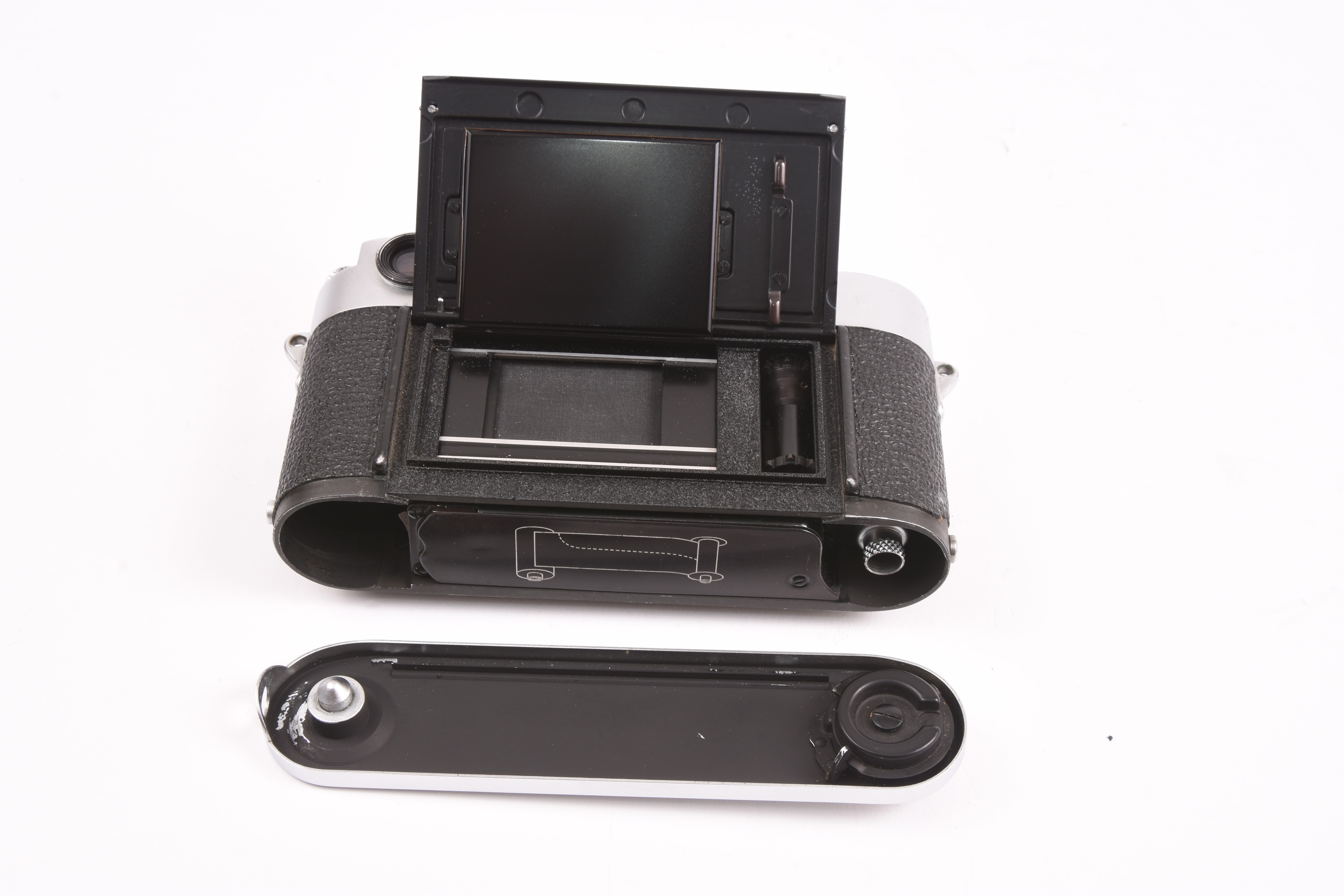
35mm Film Compatibility: Loads standard 35mm film cartridges, making compatible film stock straightforward to source today.

Camera SpecificationsLeica M3 DS

Leica M3 DS full specifications
SpecDetail
Use CasesStreet, Portrait, Travel
Lens MountLeica M
Hot ShoeCold Shoe (No Contacts)

DescriptionLeica M3 DS

The Leica M3 DS is a 35mm rangefinder film camera from the 1950s, built around the Leica M lens mount and featuring a Rangefinder Coupled focus system. It accepts interchangeable lenses, including rangefinder-coupled optics, providing in-viewfinder focus confirmation during shooting. The camera is fitted with a Focal Plane Shutter and uses a Cold Shoe for flash accessories — note that this is not a hotshoe, so a sync cable is needed for electronic flash triggering.

Weighing 580g, the body has the solid feel characteristic of its era. The Double Stroke film advance mechanism requires two lever strokes to advance each frame, a deliberate and tactile process that defines the DS variant. Film compatibility is standard 35mm, keeping running costs accessible for active shooters.

The Leica M mount ensures broad compatibility with decades of M-mount glass, making the M3 DS a genuinely usable camera as well as a significant piece of photographic history.

ProsLeica M3 DS

  • Leica M lens mount accepts a wide range of interchangeable and rangefinder-coupled lenses
  • Rangefinder-coupled focus system enables precise focus confirmation through the viewfinder
  • Compatible with universally available 35mm film format

ConsLeica M3 DS

  • No hotshoe — flash compatibility is limited to cold shoe accessories only, requiring a sync cable for most modern flash units
  • Double-stroke film advance requires two strokes per frame, a slower workflow compared to single-stroke mechanisms
  • As a vintage camera from the 1950s, servicing and repair require specialist technicians familiar with period Leica mechanics

VideosLeica M3 DS

Leica M3 Hands-on ReviewDigitalRev TV

Resources & DownloadsLeica M3 DS

Frequently Asked QuestionsLeica M3 DS

What lenses are compatible with the Leica M3 DS?+
The M3 DS uses the Leica M lens mount and accepts interchangeable lenses, including rangefinder-coupled lenses. Any lens made for the Leica M mount can physically attach, and rangefinder-coupled lenses will work with the camera's built-in focus confirmation system.
What film does the Leica M3 DS use?+
The M3 DS is designed for 35mm film, which remains widely available from numerous manufacturers. It uses the standard 35mm film format, so sourcing compatible film is straightforward.
Does the Leica M3 DS have a hotshoe for flash?+
No — the M3 DS has a cold shoe rather than a hotshoe. This means it can physically hold a flash unit, but the shoe does not carry an electrical sync signal. A separate sync cable would be required to trigger a compatible flash.
What does 'DS' mean and how does it affect shooting?+
DS stands for Double Stroke, referring to the film advance mechanism. Advancing the film to the next frame requires two strokes of the advance lever rather than one. This results in a more deliberate, two-step process between each exposure.
How heavy is the Leica M3 DS?+
The Leica M3 DS weighs 580g. This is consistent across the listed weight range, indicating a fixed body weight without significant variation depending on configuration.
When was the Leica M3 DS manufactured?+
According to the specifications, the year of manufacture is listed as 1950–1959, placing this example within the original production decade of the M3. The M3 DS specifically refers to the early double-stroke variant of the camera.

Similar to Leica M3 DS

Loading similar products...