Mamiya 210mm f/4 ULD IF Lens
The Mamiya 210mm f/4 is a 210mm f/4 lens designed for Mamiya 645 mount cameras. Check GearFocus for current availability, with buyer protection on every purchase.
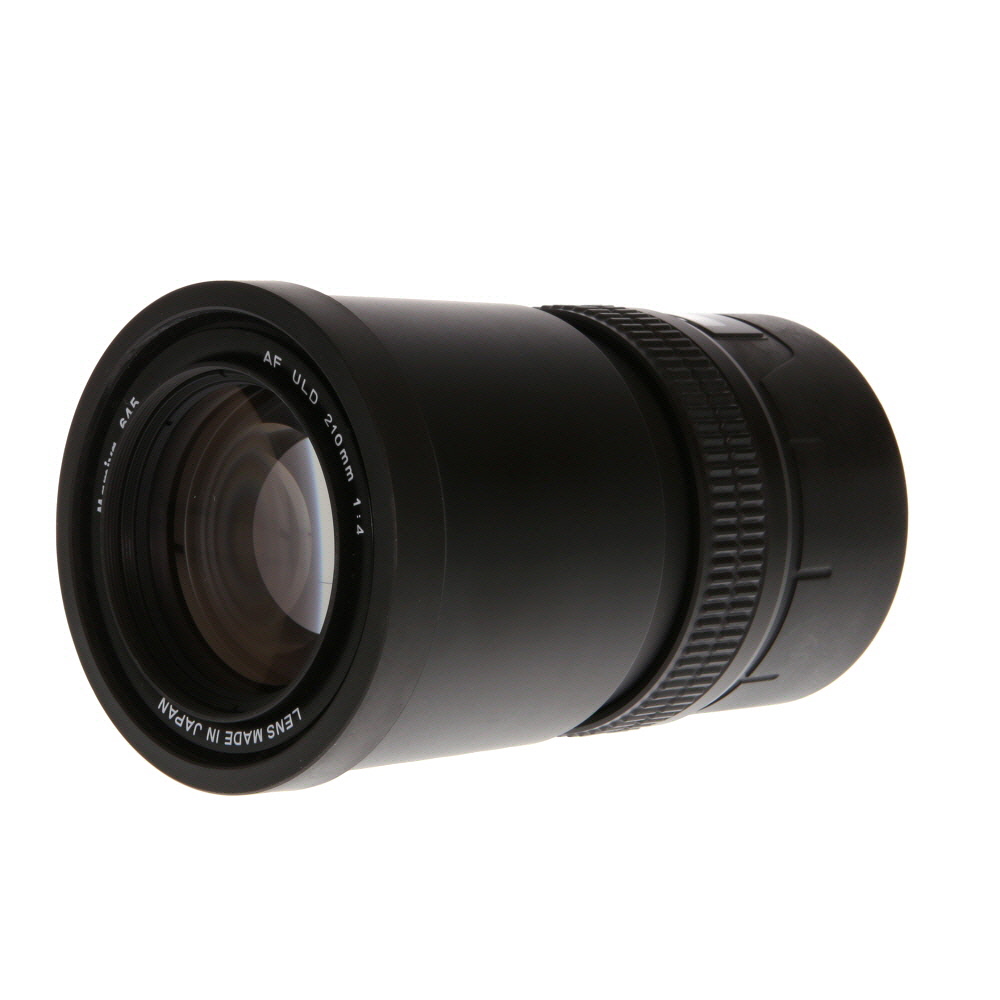
Mamiya 210mm f/4 ULD IF Lens
Get notified when one lists.
We'll text or email you the moment a Mamiya 210mm f/4 ULD IF Lens is listed on GearFocus.
Have a Mamiya 210mm f/4 sitting in your bag?
You'd be the first listing for this model.
Serious buyers are already watching — list yours in minutes.
Available Now on GearFocus


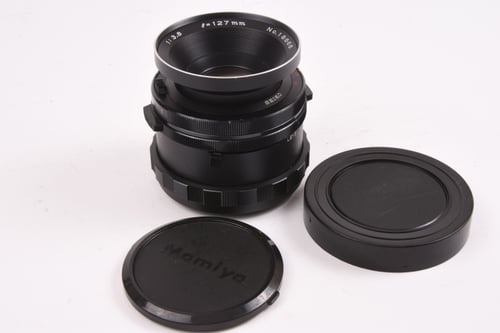
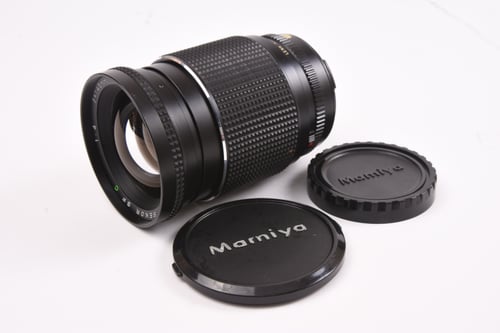
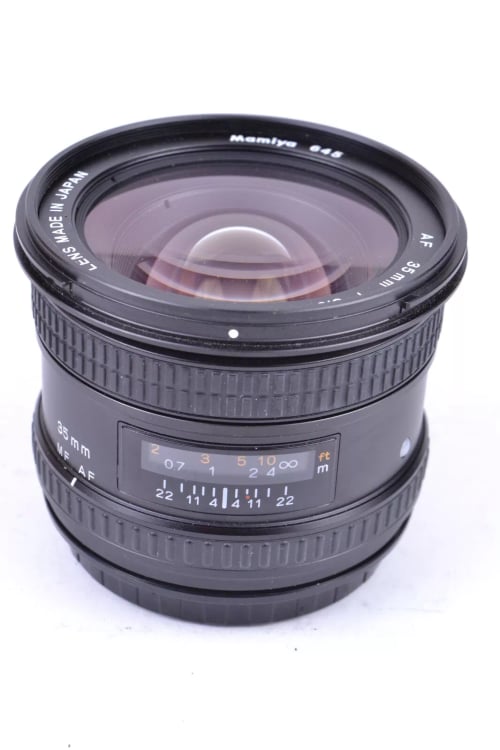
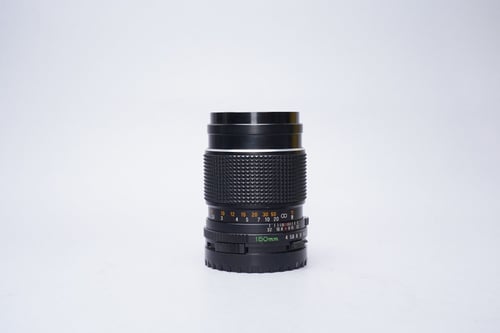

Lens Overview — Mamiya 210mm f/4
Key Features — Mamiya 210mm f/4
210mm Prime Telephoto: A fixed focal length delivers a dedicated telephoto perspective on Mamiya 645 medium format cameras, covering the 645 film frame natively.
ULD Glass Elements: Ultra Low Dispersion glass minimizes chromatic aberration, producing sharper, higher-contrast images across the frame.
Internal Focus Design: IF (Internal Focus) construction keeps the lens length constant during focusing, improving balance and handling during use.
Mamiya 645 Mount: Native mount ensures direct, mechanically optimized compatibility with the full range of Mamiya 645 medium format cameras.
f/4 Maximum Aperture: Provides workable light transmission for a medium format telephoto, supporting use in moderate lighting conditions.
Medium Format Coverage: Image circle covers the 645 medium format frame, delivering the resolution and tonal depth characteristic of the larger negative area.
Lens Specifications — Mamiya 210mm f/4
| Spec | Detail |
|---|---|
| Use Cases | Portrait, Landscape, Studio |
| Lens Type | Telephoto |
| Format | Medium Format |
| Zoom/Prime | Prime |
| Focal Length | 210mm |
| Maximum Aperture | f/4 |
| Camera System | Medium Format |
| Lens Mount | Mamiya 645 |
| Autofocus | No |
| Focus Type | Manual |
| Image Stabilization | None |
| Filter Thread | 67mm |
Description — Mamiya 210mm f/4
The Mamiya 210mm f/4 is a prime telephoto lens purpose-built for the Mamiya 645 medium format system. With a fixed 210mm focal length and a maximum aperture of f/4, it occupies a clear telephoto role in the Mamiya 645 lineup. Focus is entirely manual, with no autofocus mechanism, placing full control — and responsibility — in the photographer's hands.
The lens accepts 67mm front filters, a convenient and widely available thread size that opens up a broad range of filter accessories. Weighing 1,040g, it is a solid, substantial lens, and the absence of image stabilization makes a tripod or monopod a practical necessity for consistent, sharp results at this focal length. Whether used for portrait, landscape, or detail work in a medium format context, this lens offers a straightforward, dedicated telephoto option for Mamiya 645 system users who prefer the simplicity and optical commitment of a prime focal length.
Pros — Mamiya 210mm f/4
- ✓Prime 210mm focal length provides a single, dedicated telephoto perspective with no zoom compromise on the Mamiya 645 system
- ✓Maximum aperture of f/4 offers reasonable light-gathering capability for a medium format telephoto lens
- ✓67mm filter thread is a widely available size, simplifying filter accessory sourcing
Cons — Mamiya 210mm f/4
- ✗Manual focus only — no autofocus support, requiring deliberate, hands-on technique for every shot
- ✗No image stabilization, making solid tripod or monopod support essential at this focal length
- ✗At 1,040g, the lens is heavy enough that handheld shooting for extended periods will be demanding