Mamiya TLR 80mm f/2.8 Sekor Lens
The Mamiya 80mm f/2.8 is a lens from Mamiya. Check GearFocus for current availability, with buyer protection on every purchase.
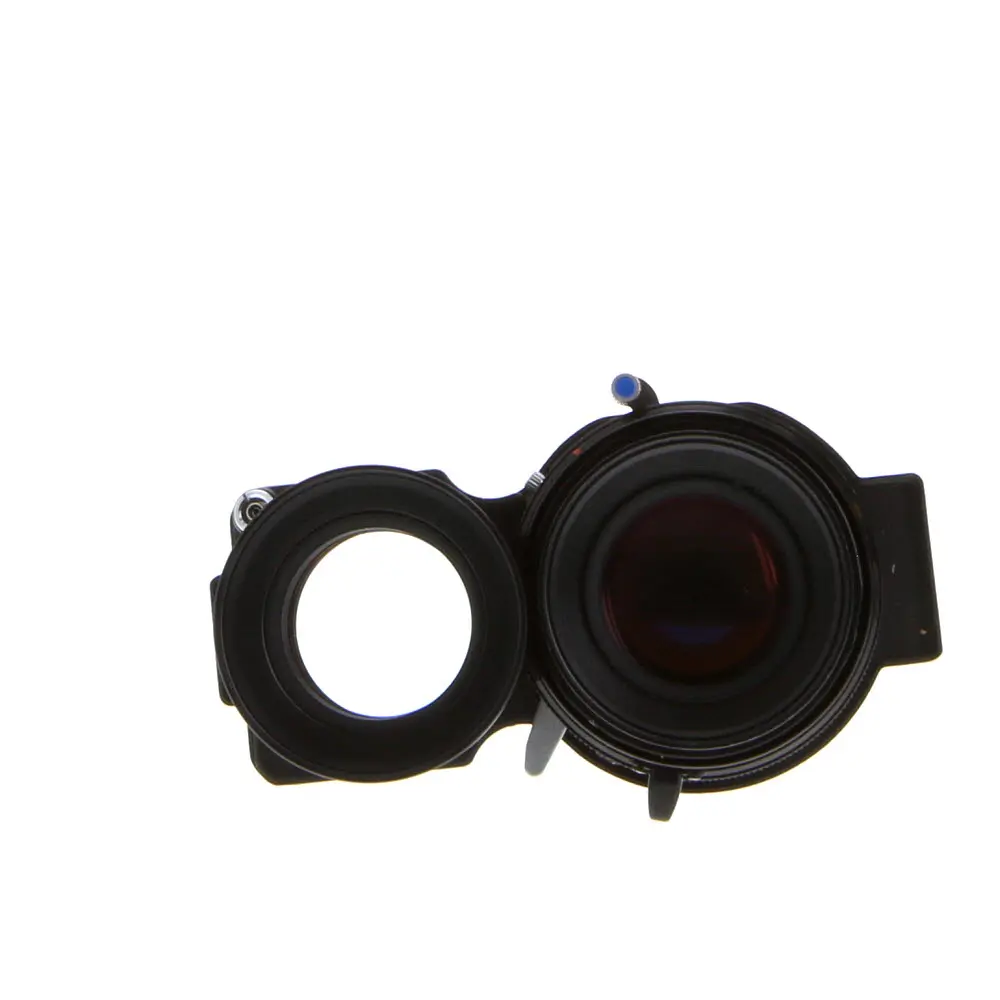
Mamiya TLR 80mm f/2.8 Sekor Lens
Get notified when one lists.
We'll text or email you the moment a Mamiya TLR 80mm f/2.8 Sekor Lens is listed on GearFocus.
Have a Mamiya 80mm f/2.8 sitting in your bag?
You'd be the first listing for this model.
Serious buyers are already watching — list yours in minutes.
Available Now on GearFocus


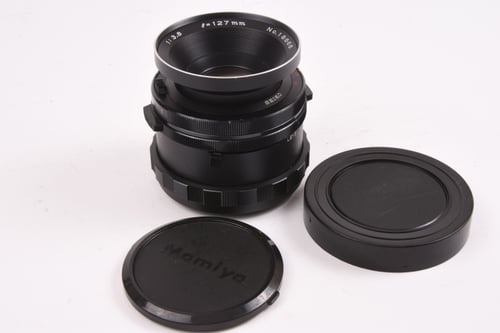
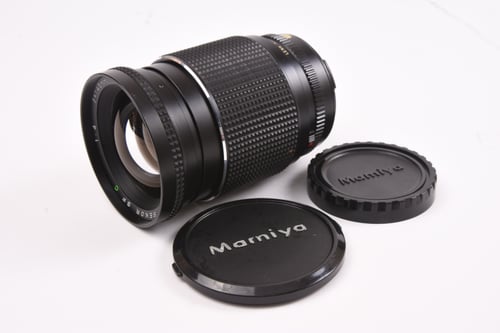
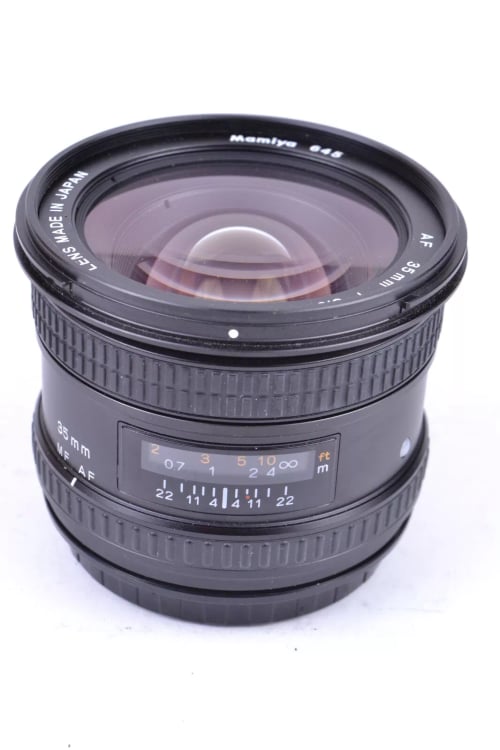
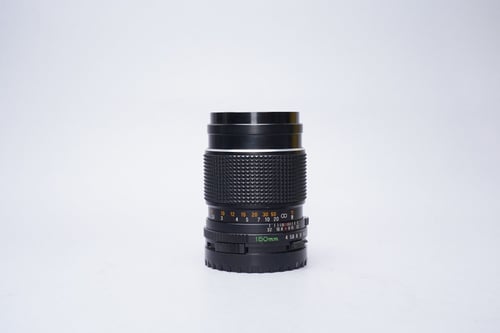

Lens Overview — Mamiya 80mm f/2.8
Key Features — Mamiya 80mm f/2.8
80mm f/2.8 Aperture: A standard medium format focal length with a moderately fast maximum aperture, well-suited for portraiture and general shooting on 6×6 TLR cameras.
Mamiya TLR Mount: Designed exclusively for the Mamiya interchangeable-lens TLR system, making it a direct fit for compatible Mamiya twin-lens reflex bodies.
Integrated Leaf Shutter: The shutter is built into the lens itself, enabling flash synchronization at all shutter speeds — a practical advantage for studio and portrait work.
Interchangeable Lens Design: Unlike fixed-lens TLR cameras of the era, this lens is part of a swappable system, giving photographers the ability to change focal lengths on compatible Mamiya bodies.
Manual Focus Operation: Fully mechanical manual focus with no electronic dependence, offering precise, tactile control suited to deliberate medium format shooting.
1960s Japanese Manufacture: Built during the height of mid-century Japanese optical craftsmanship, the lens reflects the mechanical precision typical of that period.
Lens Specifications — Mamiya 80mm f/2.8
| Spec | Detail |
|---|---|
| Use Cases | Portrait, Studio, Product |
| Lens Mount | Mamiya TLR |
| Focus Type | Manual Focus |
Description — Mamiya 80mm f/2.8
The Mamiya TLR 80mm f/2.8 Sekor Lens is a medium format optic built for the Mamiya TLR mount, manufactured during the 1960–1969 era. As an interchangeable lens within the Mamiya TLR system, it offers a level of flexibility uncommon among twin-lens reflex cameras of its time. The lens features manual focus operation and an integrated leaf shutter, both of which are defining characteristics of this class of vintage medium format glass.
The leaf shutter design allows for flash synchronization at the shutter's full speed range — a workflow advantage in portrait and studio environments. Classified as a brand-specific lens, it is engineered exclusively for Mamiya TLR bodies and is not cross-compatible with other mounts without modification. For medium format film photographers, collectors, or those building out a vintage Mamiya TLR kit, this Sekor lens represents authentic 1960s Japanese optical craftsmanship in a system-native, mechanically self-contained package.
Pros — Mamiya 80mm f/2.8
- ✓Mamiya TLR mount compatibility makes it a direct fit for Mamiya twin-lens reflex interchangeable-lens cameras
- ✓Integrated leaf shutter design enables full-speed flash sync, a practical advantage for controlled lighting setups
- ✓Manual focus operation gives the photographer complete control over focus without reliance on electronics
Cons — Mamiya 80mm f/2.8
- ✗Manual focus only — no autofocus capability for photographers accustomed to modern systems
- ✗Mamiya TLR mount is highly system-specific, limiting use to compatible Mamiya TLR bodies
- ✗Age of manufacture (1960–1969) means buyers should carefully inspect for wear, haze, or shutter timing issues
Videos — Mamiya 80mm f/2.8
Best Beginner TLR Camera? — metal fingers