Nikon AF-S DX NIKKOR 18-300mm f/3.5-6.3G ED VR Lens
The Nikon 18-300mm f/3.5-6.3G ED VR is a 18–300mm f/3.5 lens designed for Nikon F mount cameras. Used copies start from $349.99 on GearFocus, with buyer protection on every purchase.
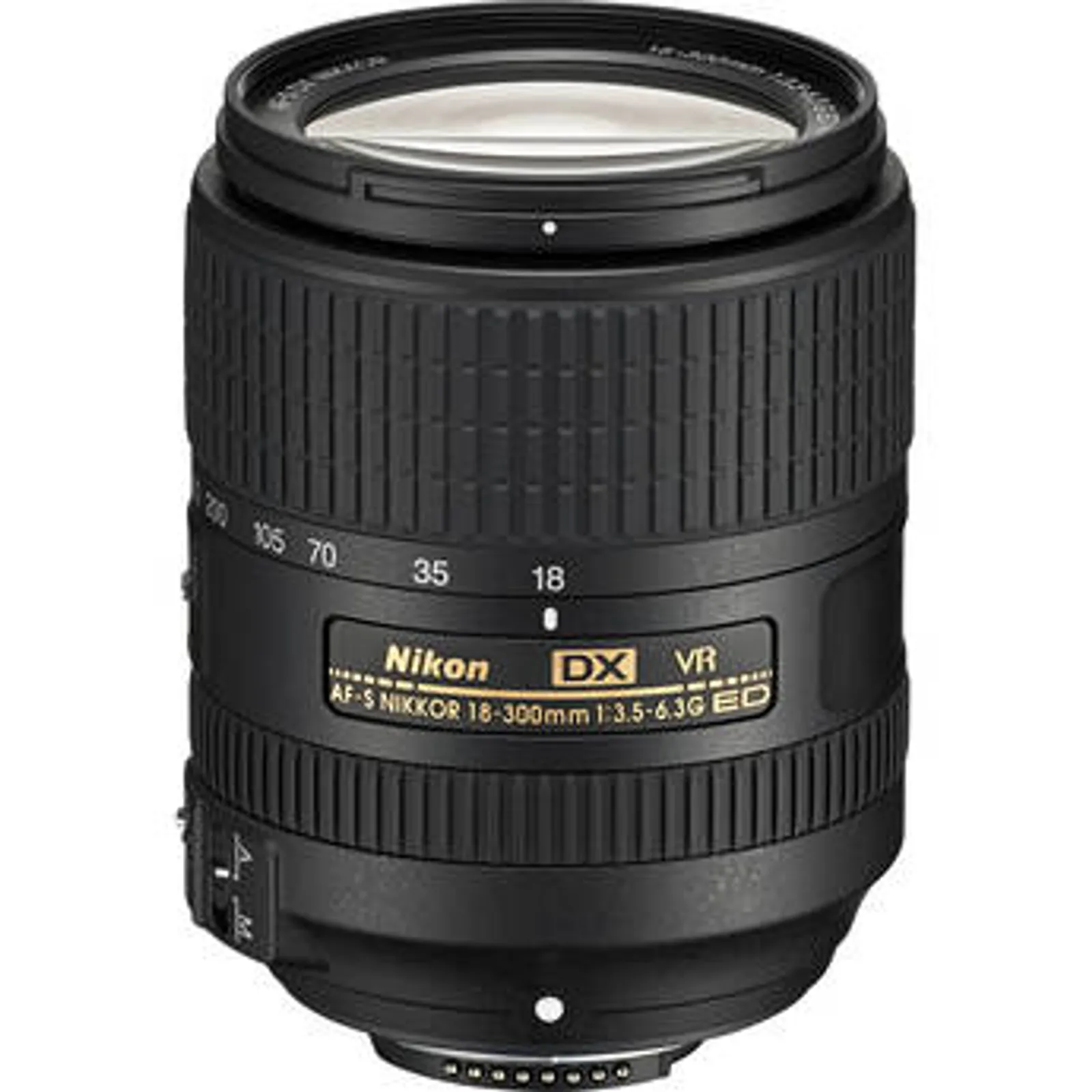
Nikon AF-S DX NIKKOR 18-300mm f/3.5-6.3G ED VR Lens
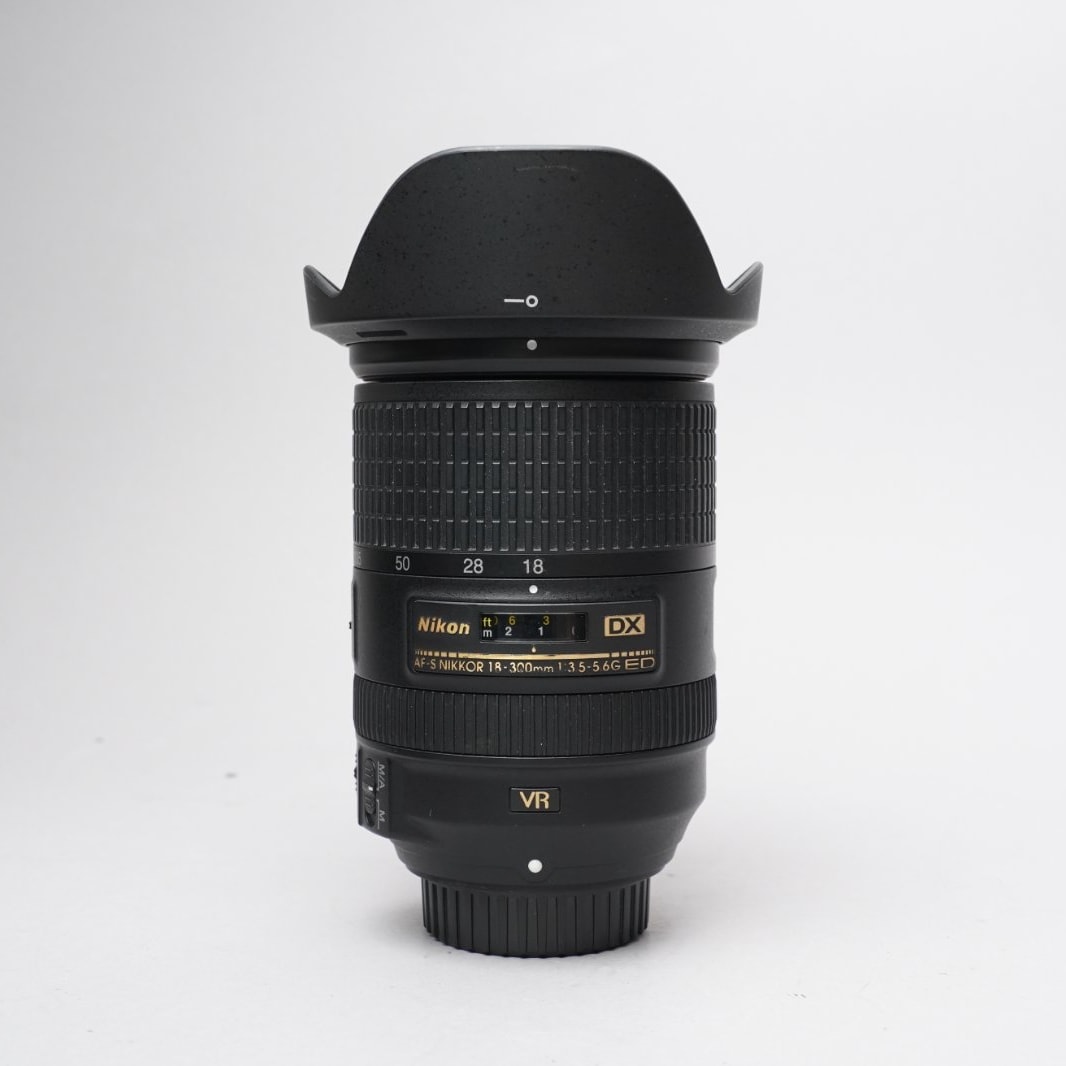
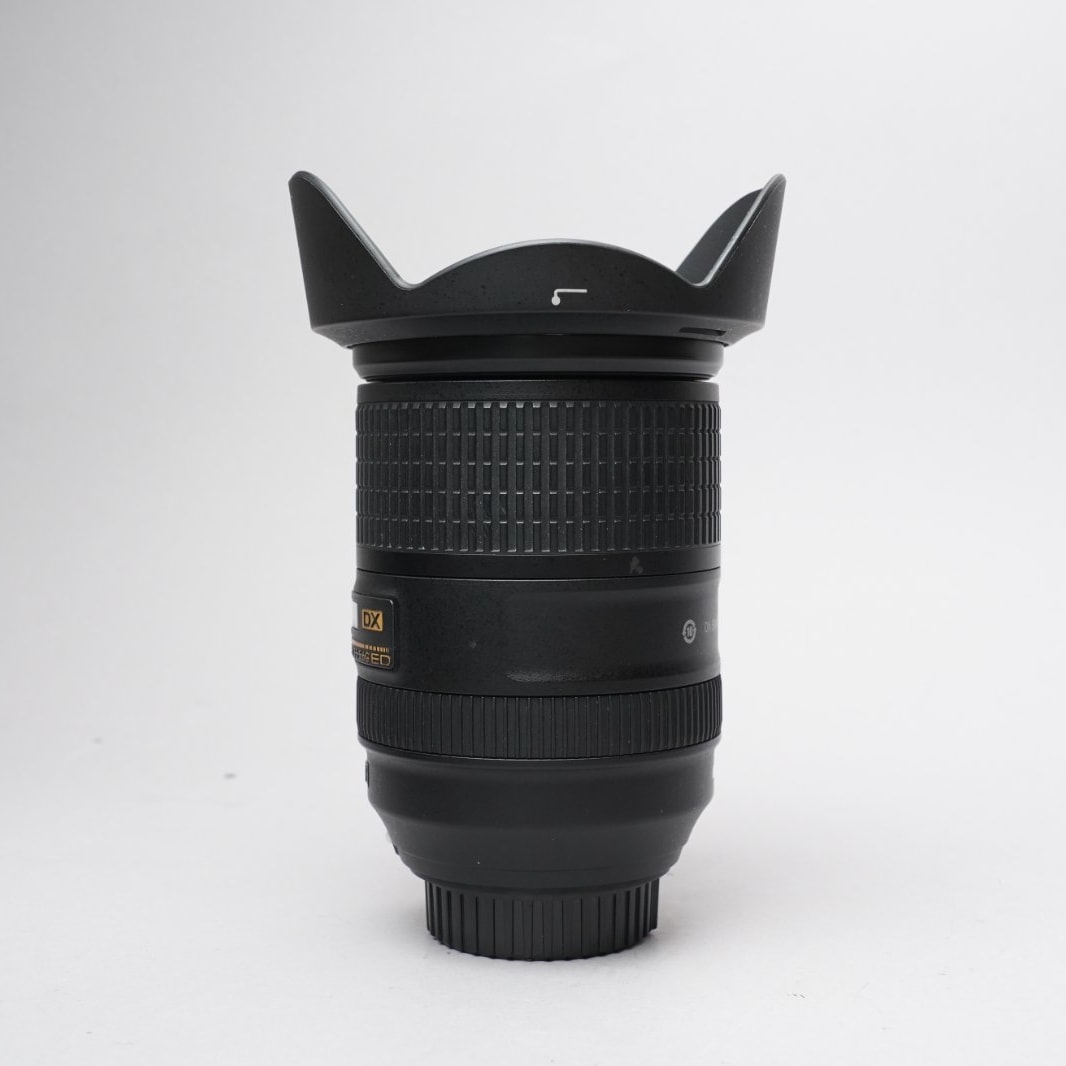
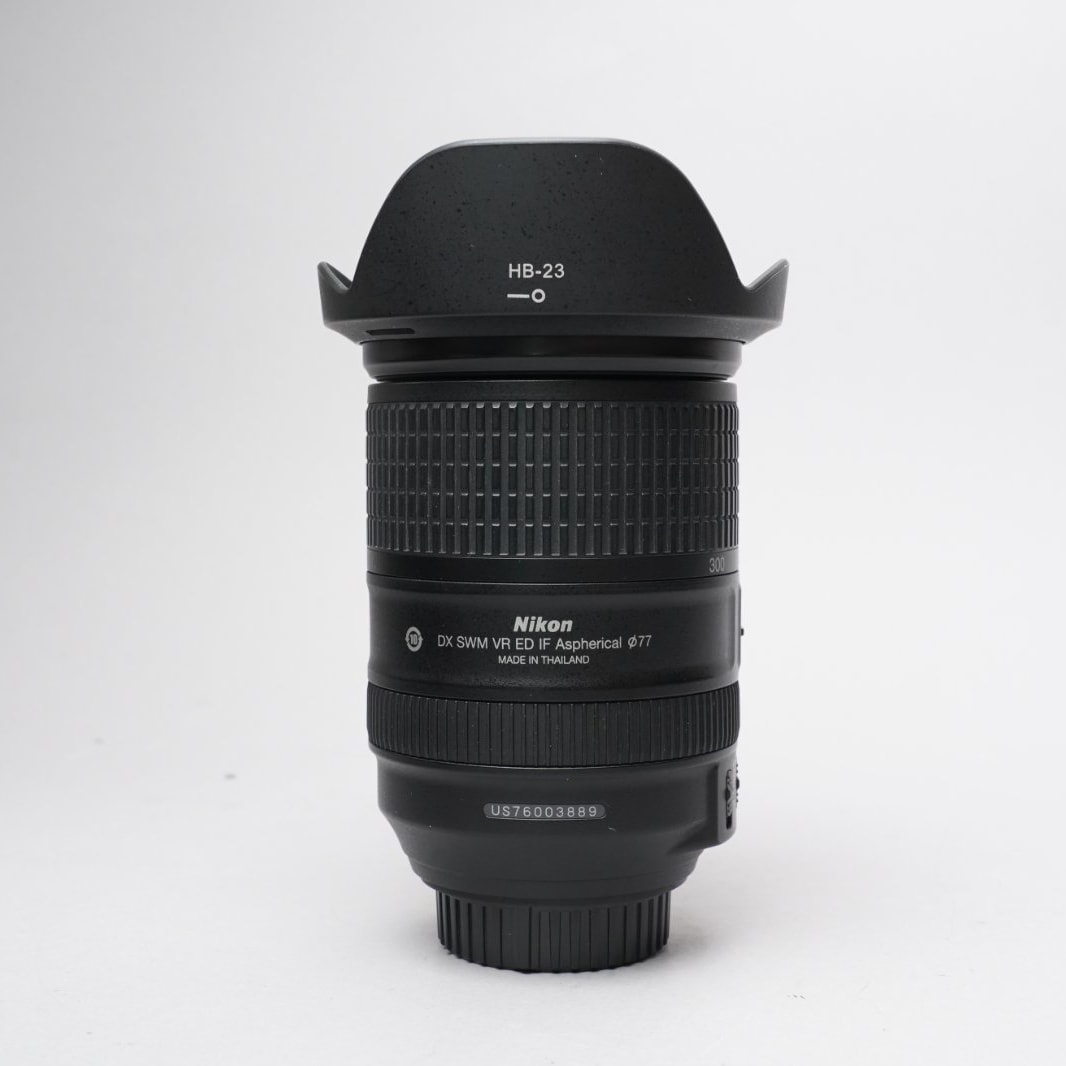
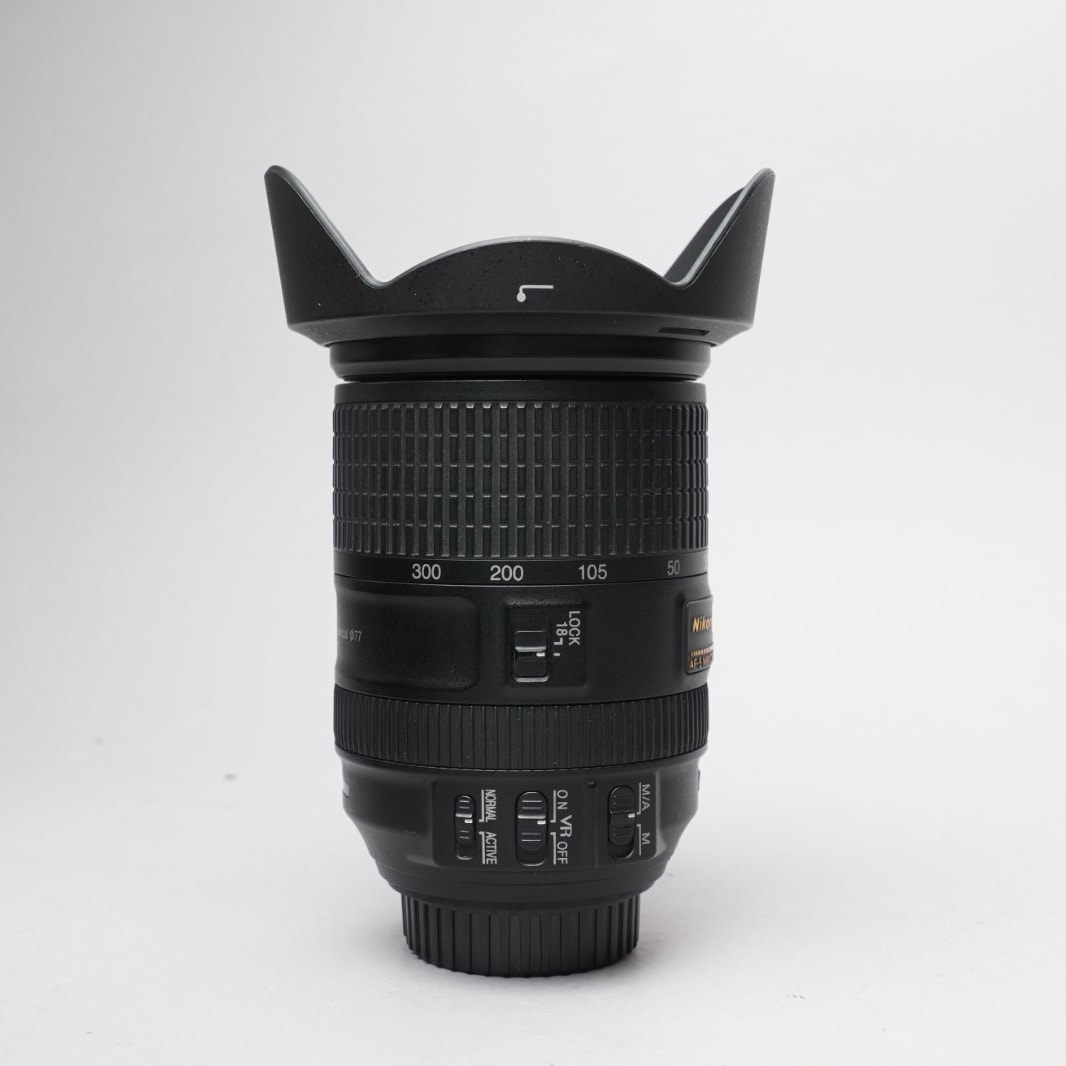
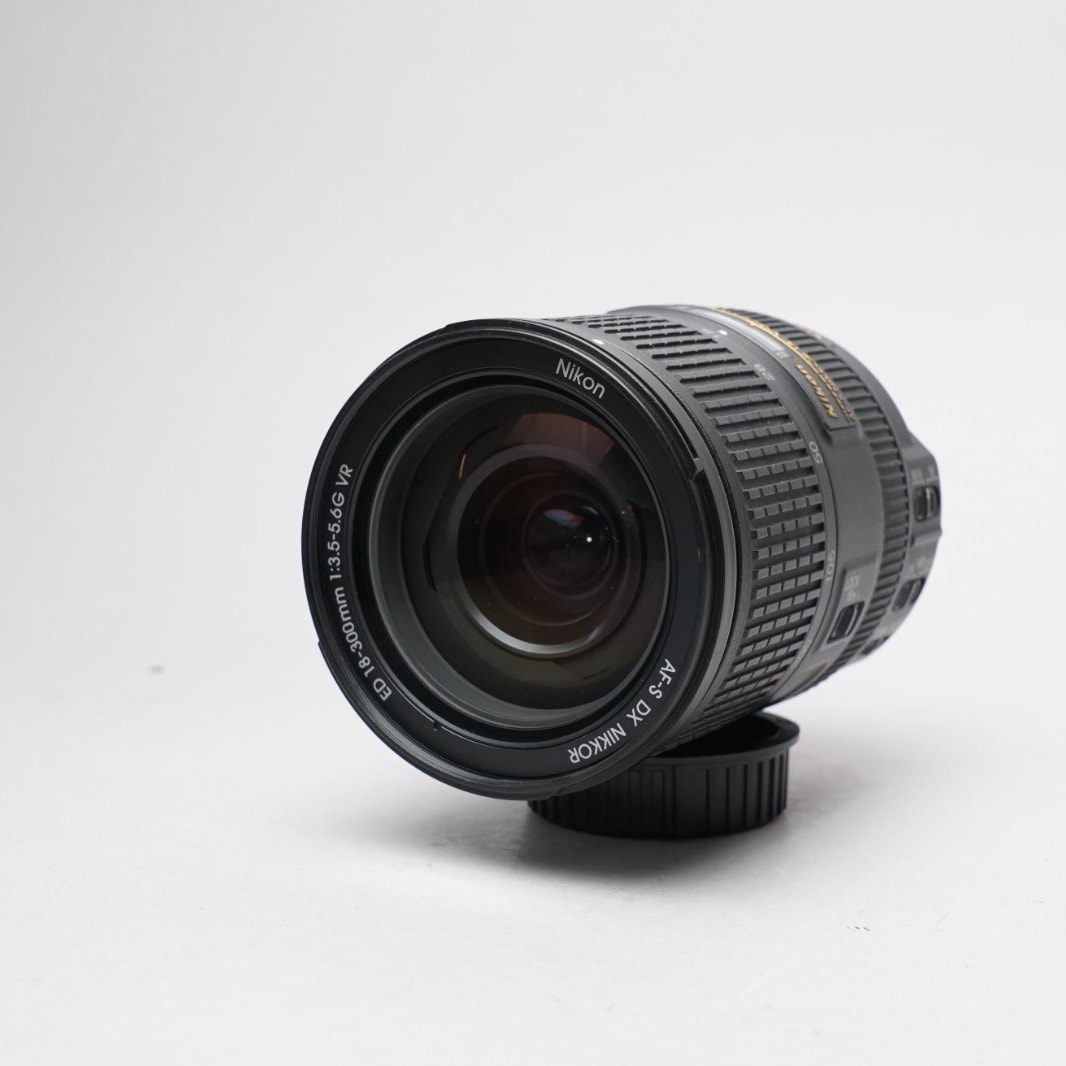
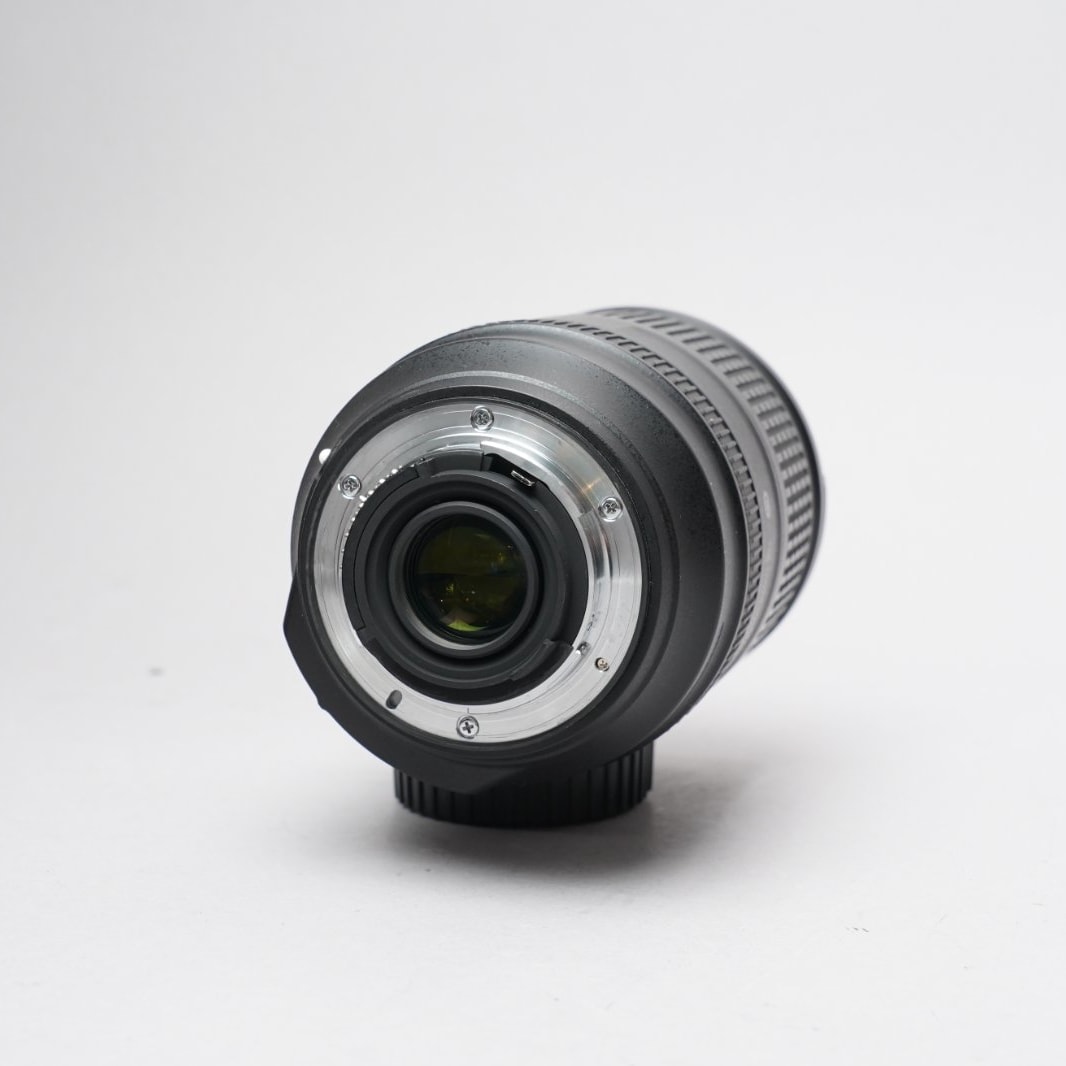
Used Nikon 18-300mm f/3.5-6.3G ED VR Listings on GearFocus
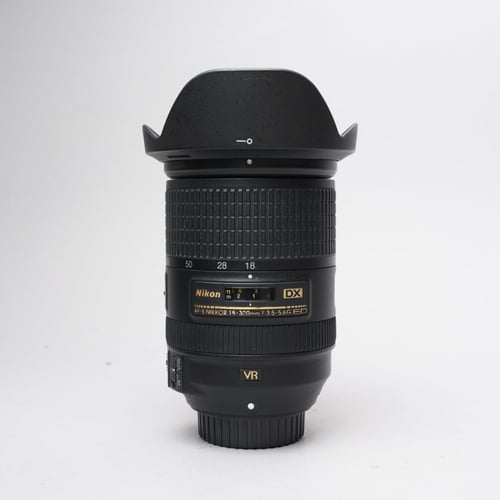


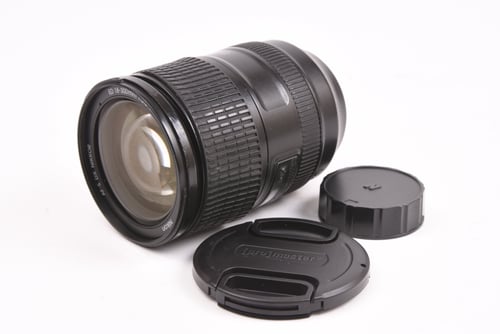
Lens Overview — Nikon 18-300mm f/3.5-6.3G ED VR
Key Features — Nikon 18-300mm f/3.5-6.3G ED VR
16.7x Zoom Range: An 18-300mm focal length span covers wide-angle landscapes through distant telephoto subjects in a single lens, reducing the need to swap optics.
APS-C / DX Format: Designed specifically for Nikon DX-sensor bodies, providing full frame coverage without vignetting on compatible cameras.
Nikon F Mount: Compatible with the broad range of Nikon F mount DSLR bodies, including entry-level and enthusiast DX cameras.
Optical Image Stabilization: Built-in VR (Vibration Reduction) helps counteract camera shake during handheld shooting, particularly beneficial at longer focal lengths.
f/3.5 Maximum Aperture: Opens to f/3.5 at the wide end, providing usable light gathering for general shooting, though the aperture narrows to f/6.3 at 300mm.
AF-S Silent Wave Motor: Internal focusing motor enables fast, quiet autofocus well-suited to everyday photography and discreet shooting situations.
Lens Specifications — Nikon 18-300mm f/3.5-6.3G ED VR
| Spec | Detail |
|---|---|
| Use Cases | Travel, Wildlife, Sports, Portrait, Landscape |
| Lens Type | Zoom |
| Format | APS-C / DX |
| Zoom/Prime | Zoom |
| Focal Length | 18–300mm |
| Maximum Aperture | f/3.5 |
| Camera System | DSLR |
| Lens Mount | Nikon F |
| Autofocus | Yes |
| Focus Type | Auto, Manual |
| Image Stabilization | Optical |
| Filter Thread | 67mm |
Description — Nikon 18-300mm f/3.5-6.3G ED VR
The Nikon AF-S DX NIKKOR 18-300mm f/3.5-6.3G ED VR is a Zoom type lens built for Nikon F mount DSLR cameras, optimized for the APS-C sensor format. Covering a focal length range from 18mm to 300mm, it offers remarkable versatility for photographers who want a single-lens solution across a wide variety of subjects and distances. The lens opens to a maximum aperture of f/3.5 at its widest focal length setting. Optical image stabilization is incorporated into the design, supporting sharper handheld shots particularly at longer reaches of the zoom range.
Both autofocus and manual focus modes are available, allowing the shooter to choose the most appropriate focusing method for any given situation. The 67mm filter thread accommodates a broad selection of commonly available filters. Weighing in at 550g, this lens balances capability and portability for everyday DSLR shooting across wide-angle, standard, and telephoto focal lengths.
Pros — Nikon 18-300mm f/3.5-6.3G ED VR
- ✓Extremely broad 18-300mm focal length range covers wide-angle through telephoto in a single lens
- ✓Optical image stabilization helps reduce camera shake, especially at longer focal lengths
- ✓Supports both autofocus and manual focus operation for flexible subject acquisition
Cons — Nikon 18-300mm f/3.5-6.3G ED VR
- ✗Maximum aperture of f/3.5 only available at the wide end — aperture narrows as you zoom toward 300mm
- ✗APS-C (DX) format designation means this lens is not optimized for full-frame Nikon F bodies
- ✗No explicit weather sealing information available in specifications
Reviews — Nikon 18-300mm f/3.5-6.3G ED VR
- Nikon AF-S DX 18-300mm f/3.5-6.3G ED VR review
Digital Camera World · 2014-01-01 - Nikon AF-S DX Nikkor 18-300mm f/3.5-6.3G ED VR Review
ePHOTOzine · 2014-01-01 - Nikon 18-300mm f/3.5-6.3G ED VR DX AF-S Nikkor Review
Imaging Resource · 2014-01-01 - Nikon 18-300mm VR Review
Photography Life · 2014-01-01 - Nikon 18-300 Lens - Field Test and Review (demo w/ Nikon D3400)
RealWorld - Nikon AF-S DX 18-300mm f/3.5-6.3G ED VR Lens Review | Cameras Direct Australia
Cameras Direct Camerasdirect.com.au
Videos — Nikon 18-300mm f/3.5-6.3G ED VR
Nikon 18-300mm VR Lens Review — Jared Polin