Nikon D300 DSLR Camera
The Nikon D300 is a 12MP APS-C DSLR camera — known for its 12MP APS-C CMOS Sensor and 51-Point Phase Detection AF. Used copies start from $136.62 on GearFocus, with buyer protection on every purchase.
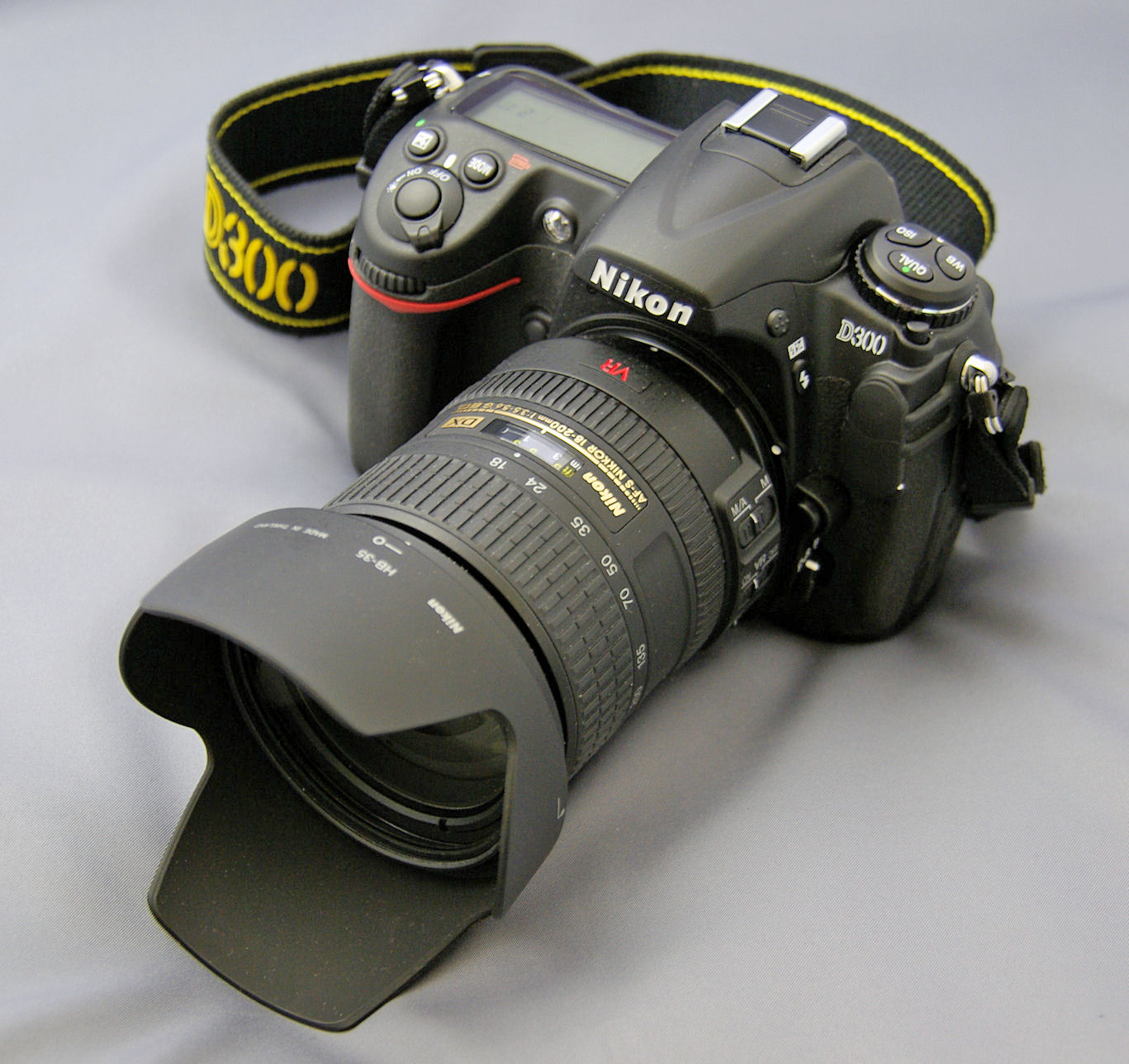
Nikon D300 DSLR Camera


Used Nikon D300 Listings on GearFocus


Overview — Nikon D300
Key Features — Nikon D300
12MP APS-C CMOS Sensor: Delivers 4288x2848 pixel images processed through Nikon's EXPEED engine for reliable image quality across a range of shooting conditions.
51-Point Phase Detection AF: Includes 15 cross-type sensors for precise focusing coverage, with subject tracking suited to following fast-moving subjects.
6 fps Continuous Shooting: Sustained burst mode at 6 frames per second makes the D300 a capable choice for action and sports photography.
100% Optical Pentaprism Viewfinder: Full-frame coverage ensures what you see in the finder exactly matches what the sensor captures, with no cropping surprises.
Weather-Sealed Magnesium Alloy Body: Dust and moisture resistant construction in a robust magnesium alloy chassis built for use in demanding outdoor conditions.
ISO 200–3200 Native Range: Covers a practical sensitivity range for everyday shooting, with expandable settings available beyond the native maximum.
Specifications — Nikon D300
| Spec | Detail |
|---|---|
| Use Cases | Sports, Wildlife, Travel |
| Type | DSLR |
| Sensor | APS-C |
| Resolution | 12MP |
| Processor | EXPEED |
| ISO Range | 200 – 3200 |
| AF System | Phase Detection |
| AF Points | 51 points (15 cross-type) |
| Max Photo Resolution | 4288x2848 |
| Burst Rate | 6 fps |
| Image Stabilization | None |
| Display | 3.0 inches Fixed LCD |
Description — Nikon D300
The Nikon D300 is a DSLR built on an APS-C sensor with 12MP resolution and powered by the EXPEED image processor. Maximum still image output reaches 4288x2848 pixels, and the camera supports burst mode at up to 6 fps for continuous shooting sequences. The autofocus system is Phase Detection with 51 points, including 15 cross-type sensors, and subject tracking is supported.
ISO sensitivity spans 200 to 3200. The viewfinder is an Optical Pentaprism offering 100% coverage, and the rear Fixed LCD measures 3.0 inches with 921,000 dots of resolution. The body is built from Magnesium Alloy, carries a Weather Sealed rating, and measures 147 x 114 x 74 mm at a weight of 825g.
A Built-in pop-up flash with i-TTL is included. Storage is via CF (CompactFlash) cards. The EN-EL3e battery delivers approximately 1800 shots per charge.
Color profiles available include Standard, Neutral, Vivid, and Monochrome. Note that no video recording capability is present in this camera's specifications.
Pros — Nikon D300
- ✓51-point Phase Detection AF system with 15 cross-type sensors and subject tracking provides strong focusing coverage and versatility
- ✓6 fps burst mode (specifications.photoSpecs.maxBurstFrameRate) supports continuous shooting for fast-moving subjects
- ✓Optical Pentaprism viewfinder with 100% coverage (specifications.viewfinder.resolution) ensures accurate framing
Cons — Nikon D300
- ✗No video recording capability — all videoSpecs fields are null, making this a stills-only camera
- ✗No Wi-Fi or Bluetooth (specifications.connectivity.wifi, specifications.connectivity.bluetooth) means no wireless image transfer or remote control
- ✗No in-body or digital image stabilization (specifications.imageStabilization.inBodyIS, specifications.imageStabilization.digitalIS), so stabilization depends entirely on the lens
Videos — Nikon D300
Nikon D300 Review in 2020 / 2021, can this DSLR still hold its own 13 years on from its launch? — Hamer Reviews