Nikon D80 DSLR Camera
The Nikon D80 is a 10MP APS-C DSLR camera — known for its 10MP APS-C Sensor and 11-Point Phase Detection AF. Used copies start from $99.99 on GearFocus, with buyer protection on every purchase.
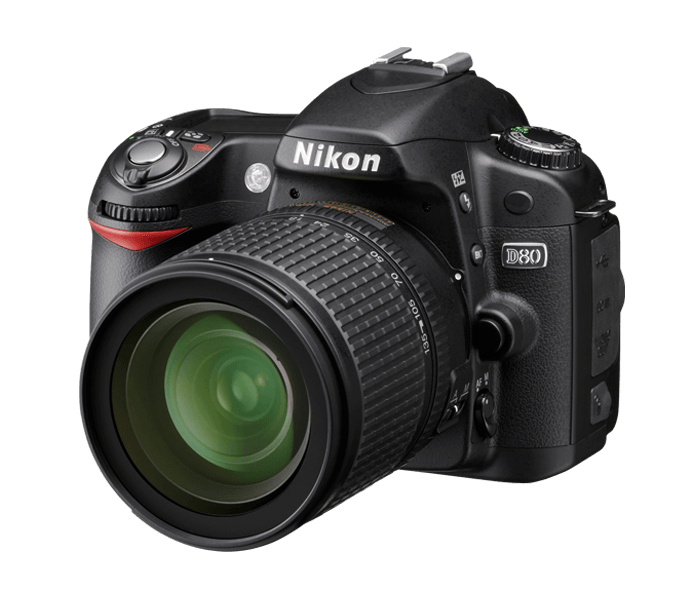
Nikon D80 DSLR Camera
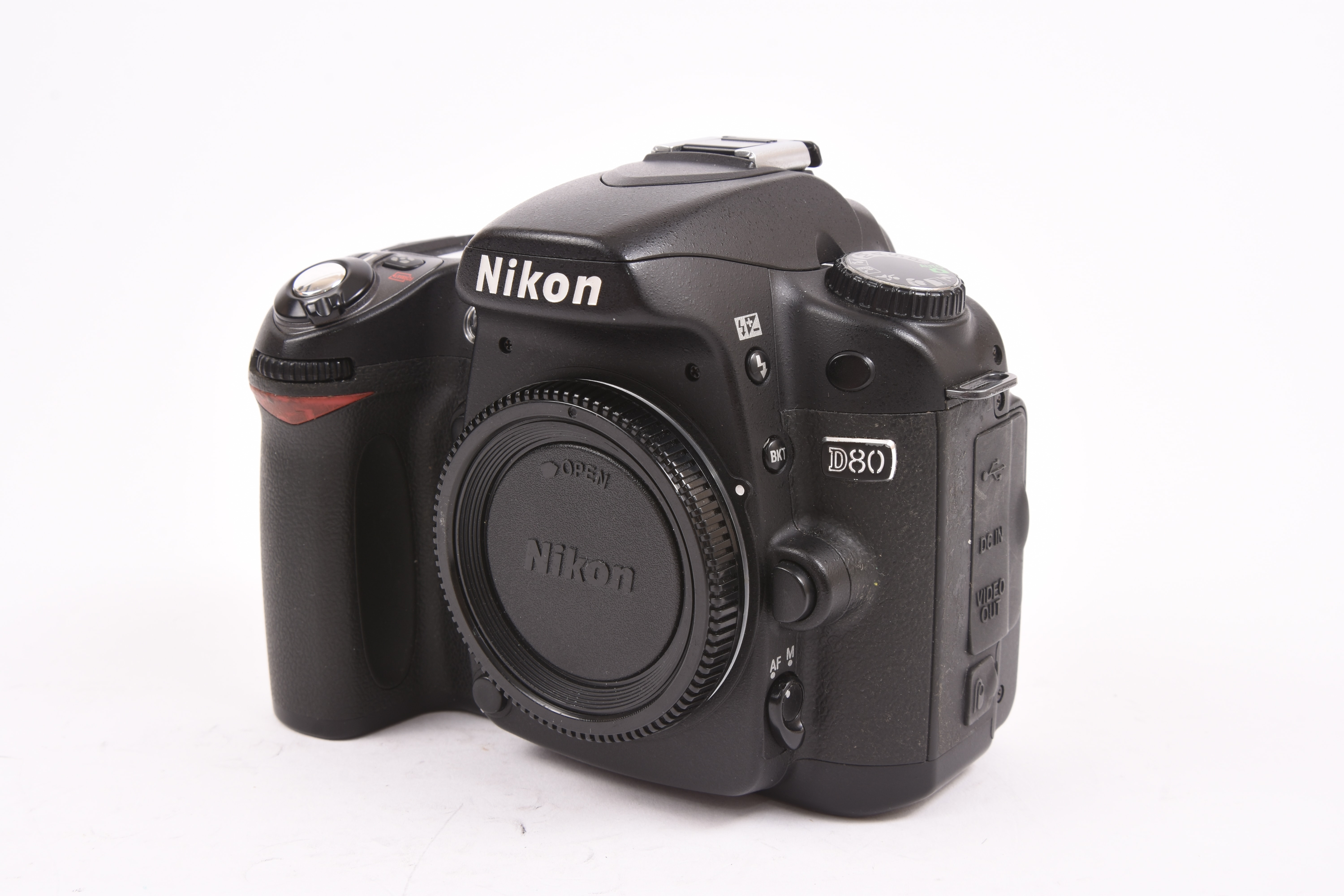
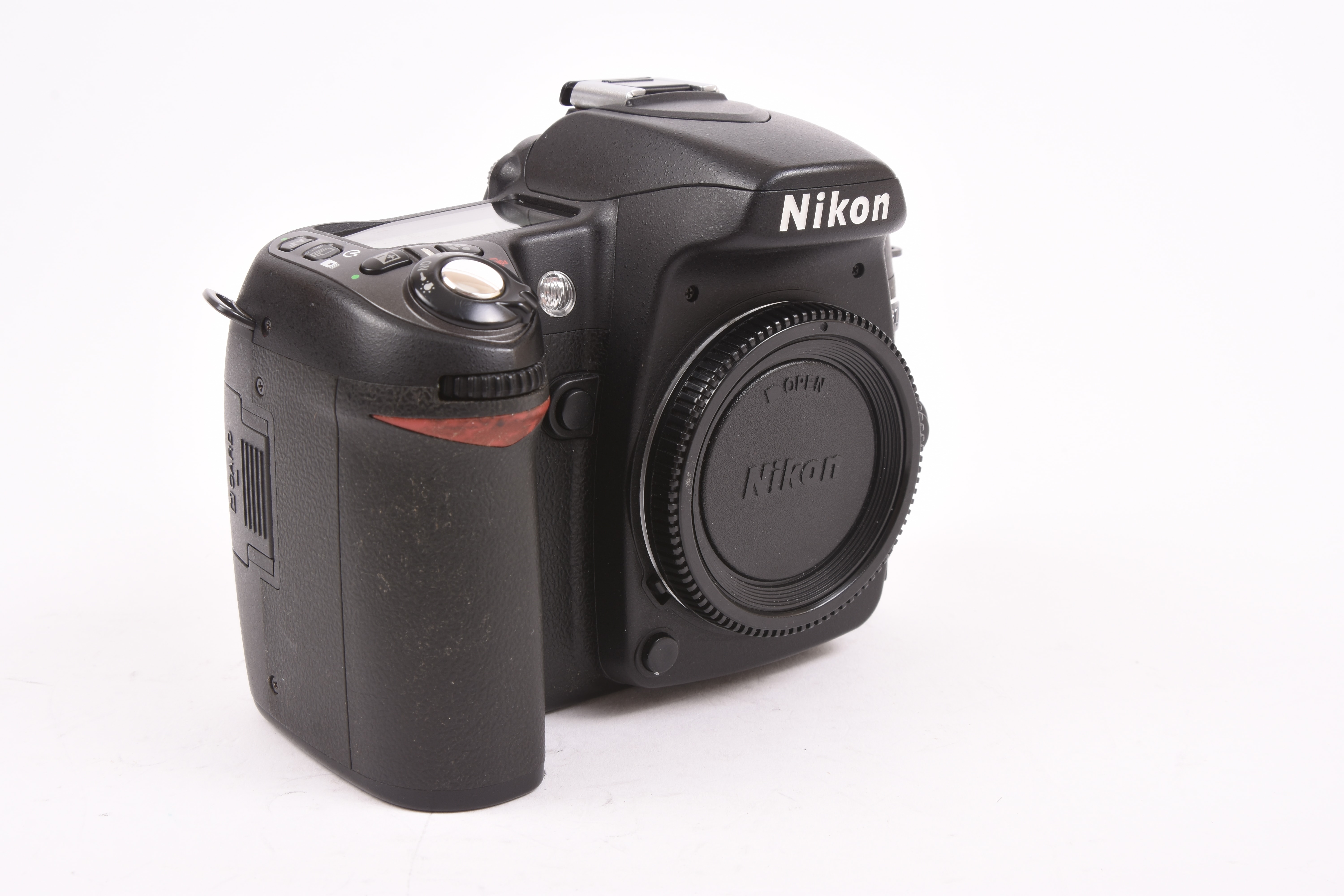
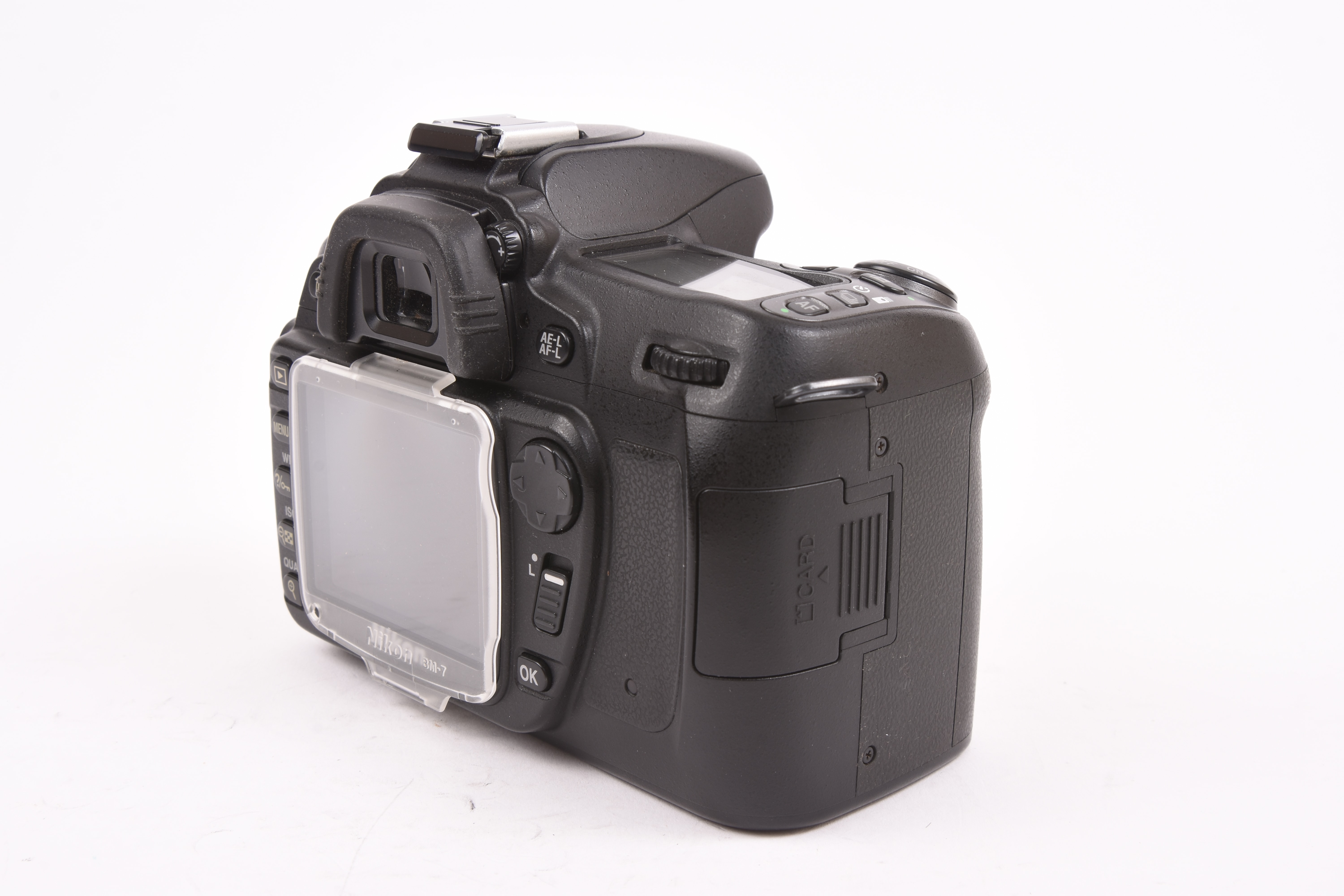
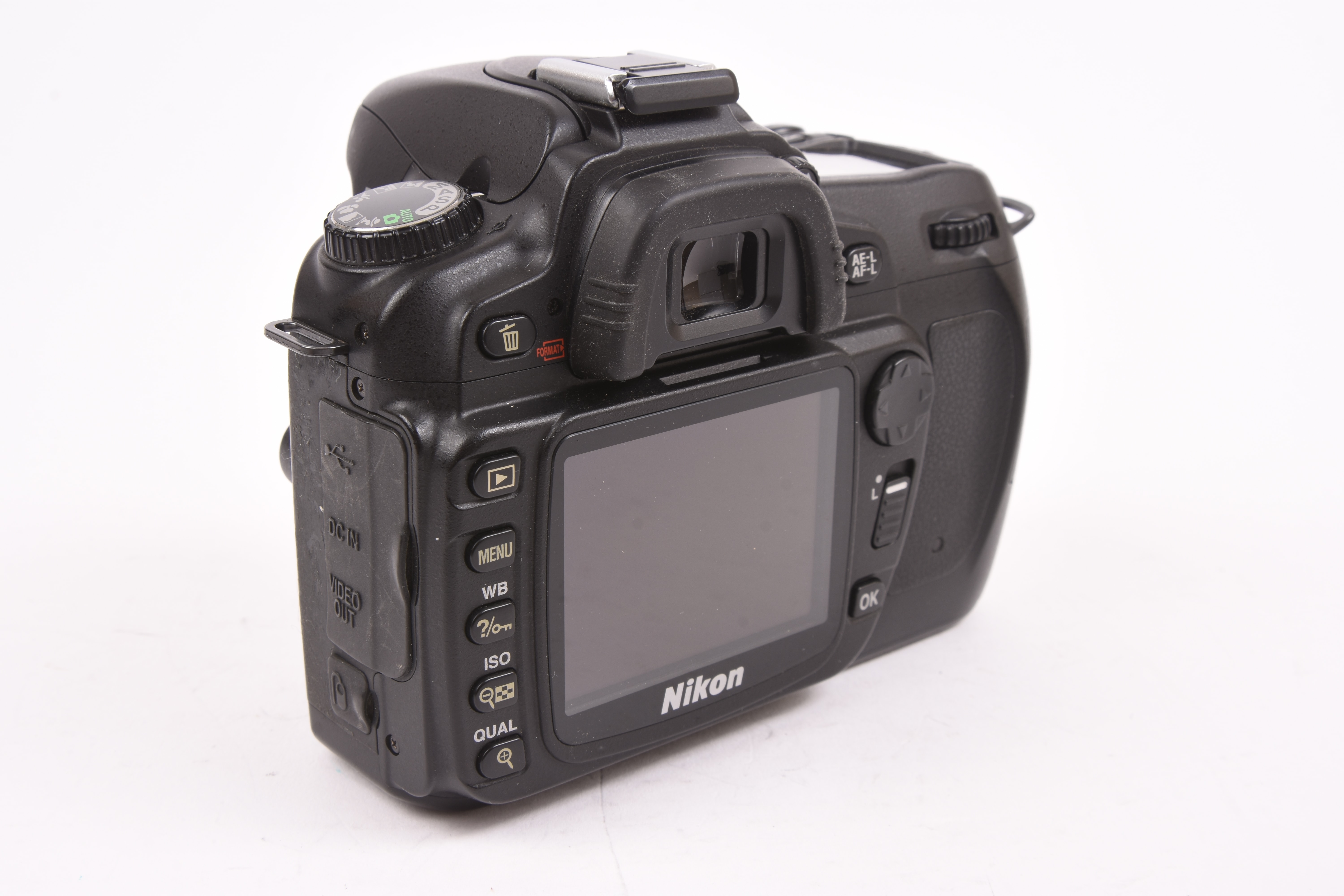
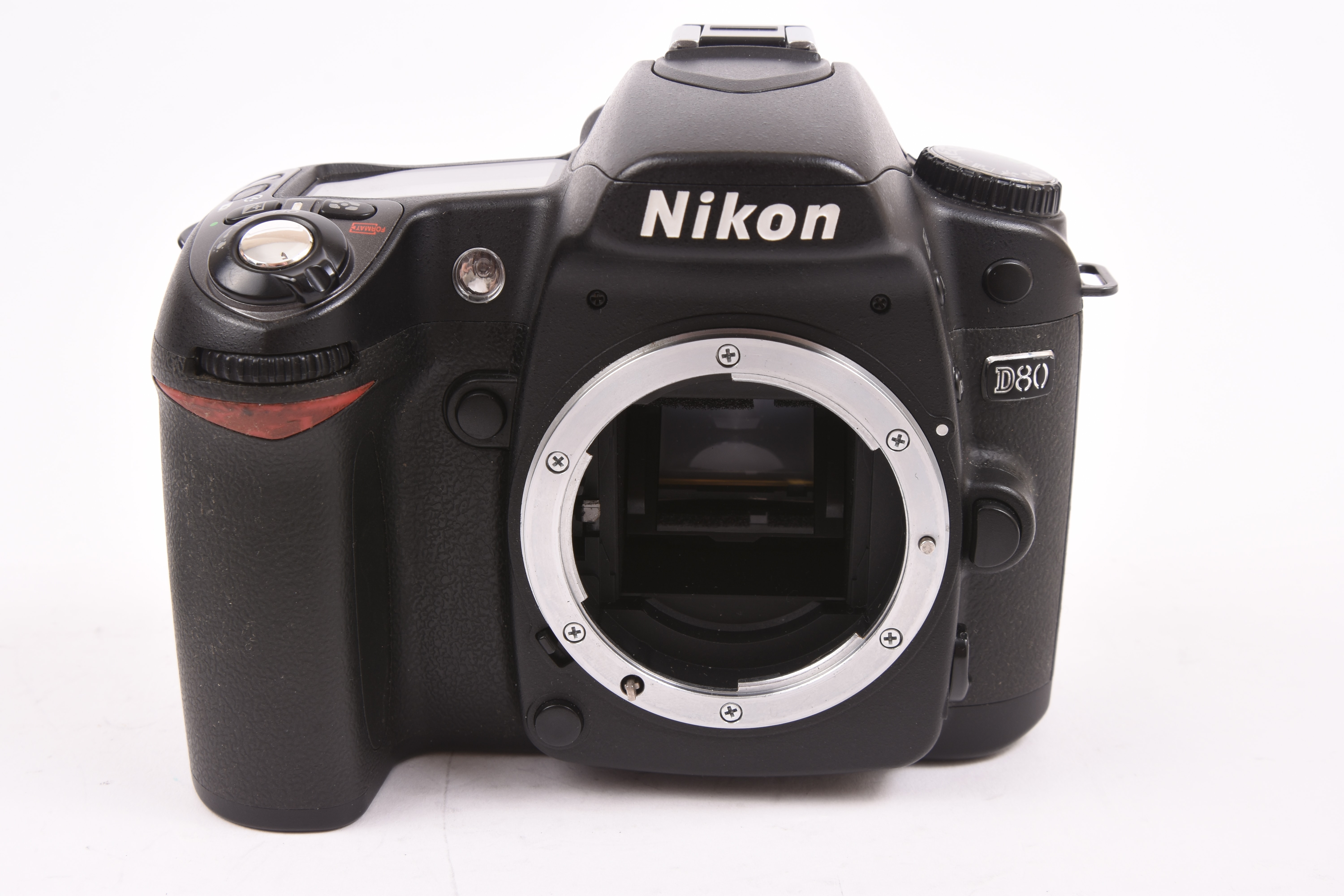
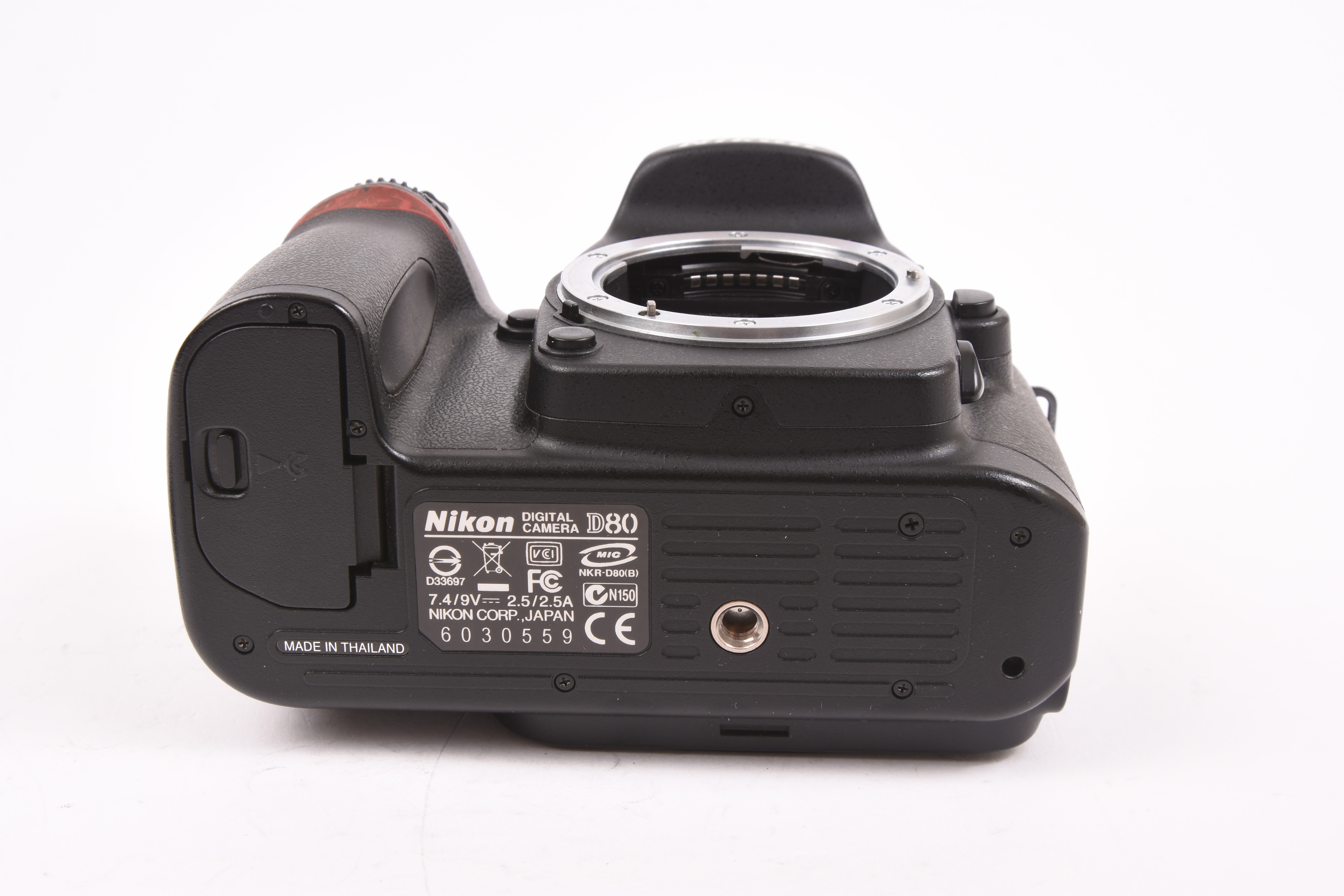
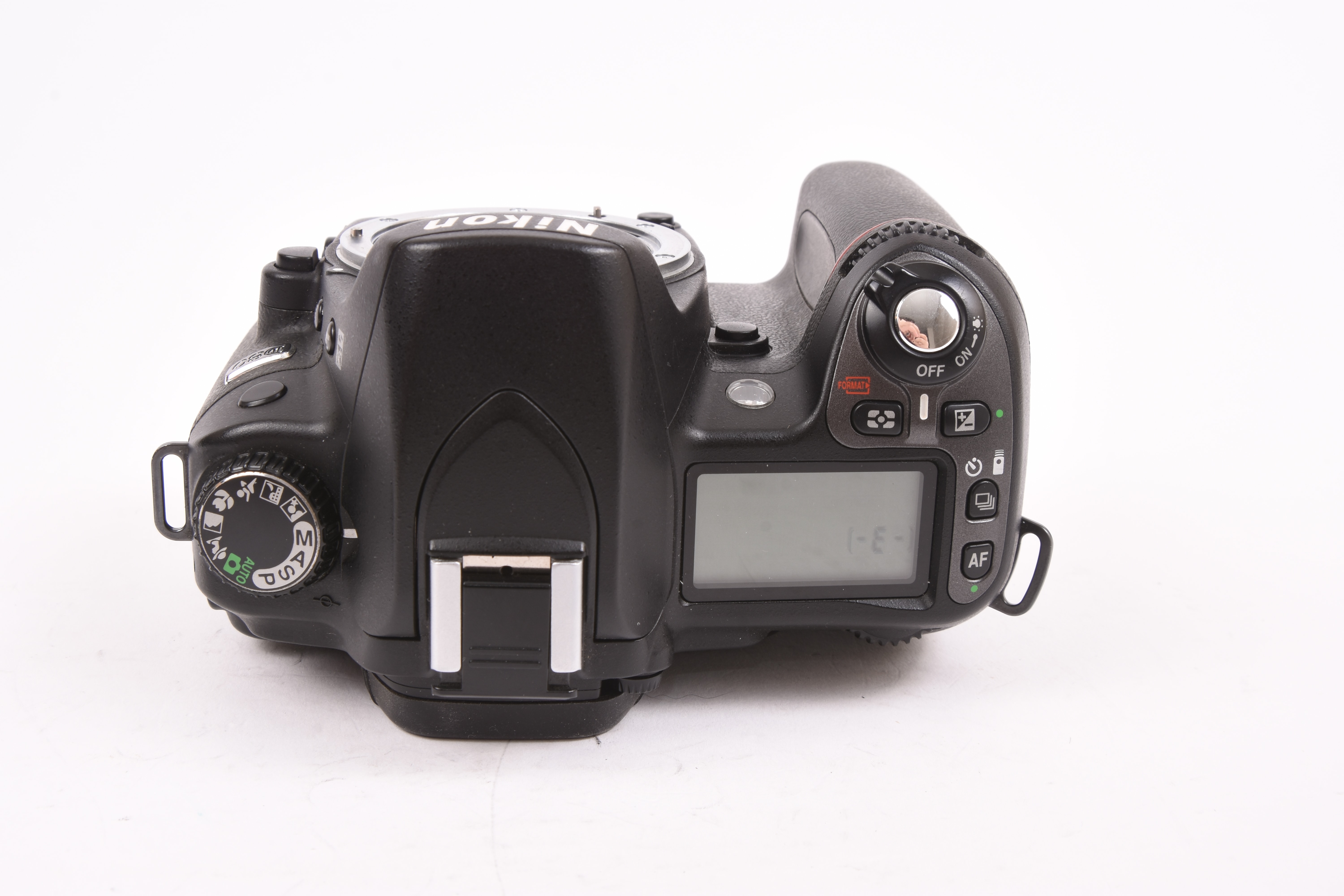
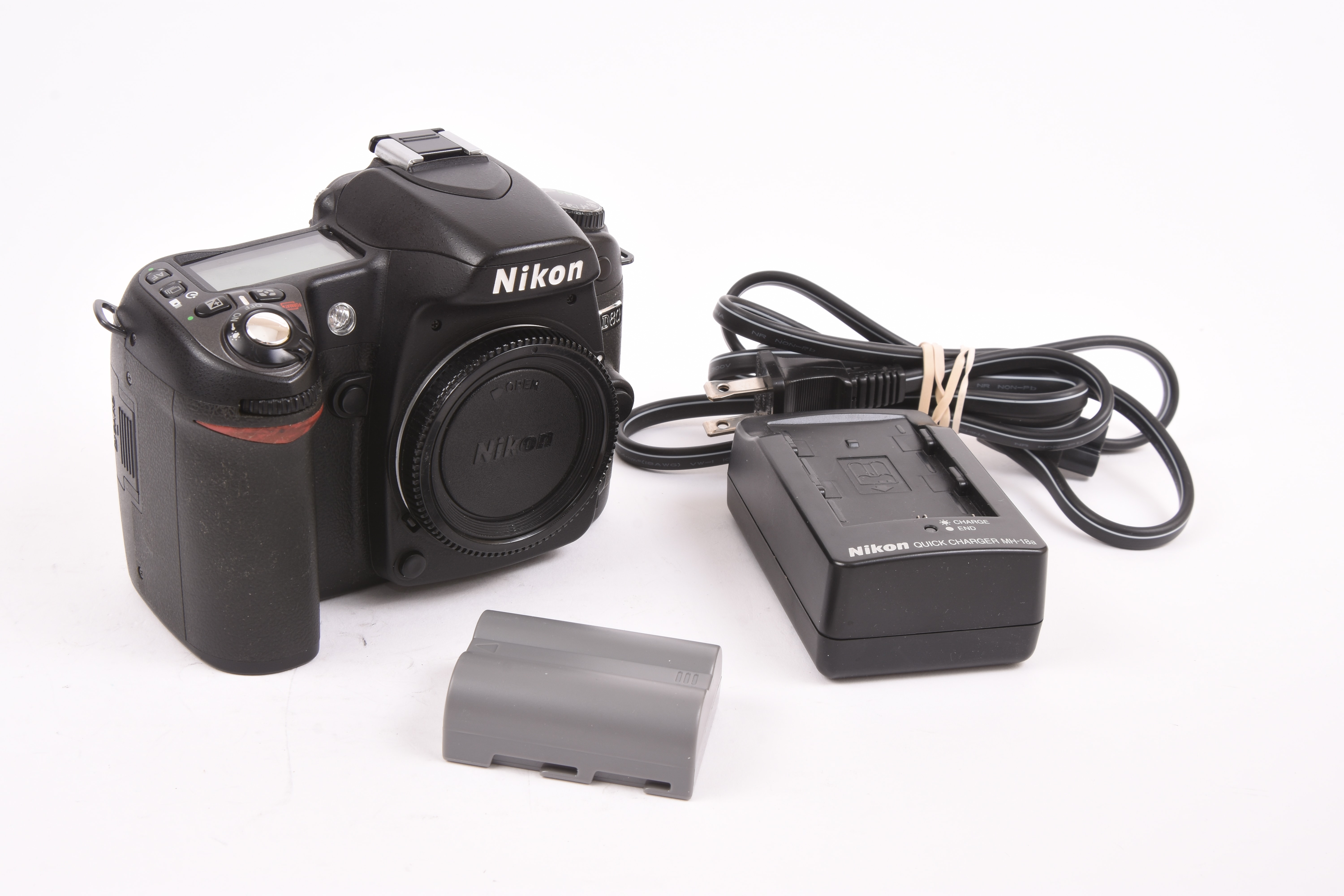
Used Nikon D80 Listings on GearFocus
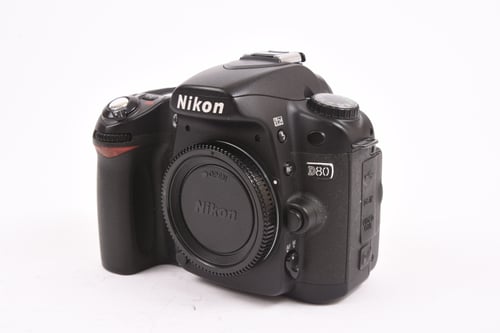
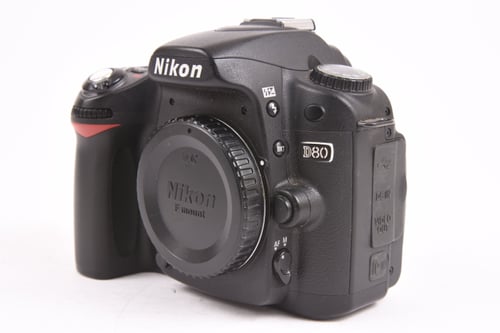
Overview — Nikon D80
Key Features — Nikon D80
10MP APS-C Sensor: Delivers a maximum resolution of 3872x2592 pixels, suitable for large prints and standard photography workflows.
11-Point Phase Detection AF: Covers the frame with reliable, fast autofocus performance for everyday and action shooting.
ISO 100–1600 Range: Handles a variety of lighting conditions from bright daylight to moderate indoor and low-light environments.
Optical Pentaprism Viewfinder: Provides a bright, direct optical view of the scene for accurate framing and composition.
Built-in Flash & Hot Shoe: Includes a pop-up flash for quick use and a hot shoe for mounting external Nikon iTTL-compatible Speedlights.
sRGB & Adobe RGB Output: Lets photographers choose a color profile suited to their workflow, whether delivering images for web or print production.
Specifications — Nikon D80
| Spec | Detail |
|---|---|
| Use Cases | Travel, Beginner-Friendly |
| Type | DSLR |
| Sensor | APS-C |
| Resolution | 10MP |
| ISO Range | 100 – 1600 |
| AF System | Phase Detection |
| AF Points | 11-point |
| Max Photo Resolution | 3872x2592 |
| Burst Rate | 3 fps |
| Image Stabilization | None |
| Display | 2.5-inch TFT |
| Viewfinder | Optical Pentaprism |
Description — Nikon D80
The Nikon D80 is an APS-C DSLR built around a 10MP sensor capable of capturing images at up to 3872x2592 pixels. Its 11-point Phase Detection autofocus system provides dependable focus across the frame, while burst shooting at 3 frames per second keeps up with moving subjects. The ISO range of 100–1600 covers everyday shooting scenarios, and photographers can choose between sRGB and Adobe RGB color profiles to match their editing and output needs.
The rear 2.5-inch TFT display and optical pentaprism viewfinder offer familiar and practical shooting interfaces. Flash options are well covered with both a built-in pop-up flash and a hot shoe for external units. Storage relies on SD and SDHC cards, and the camera connects via USB.
Note that the D80 has no image stabilization, no video capability, no weather sealing, and no wireless connectivity — factors worth weighing depending on your shooting needs.
Pros — Nikon D80
- ✓11-point Phase Detection autofocus system provides reliable focus coverage across the frame
- ✓Dual color profile support — sRGB and Adobe RGB — offers flexibility for different output workflows
- ✓Burst mode capable at up to 3 frames per second for continuous shooting
Cons — Nikon D80
- ✗ISO maxes out at 1600, which limits performance in demanding low-light situations
- ✗No image stabilization of any kind — neither in-body nor digital
- ✗No video recording capability listed in specifications
Reviews — Nikon D80
Videos — Nikon D80
Updated nikon d80 and d80 vs. d40 d40x and d60 review — QQQQcon